
Georgia Foraging Calendar 2026
14 wild edibles, ordered by when each one is actually recorded in Georgia, across 9 different peak months. Built from 5,142 research grade observation records and corrected for how many people were outdoors. Identification is a job for a person with the specimen in hand.
In season in Georgia in October
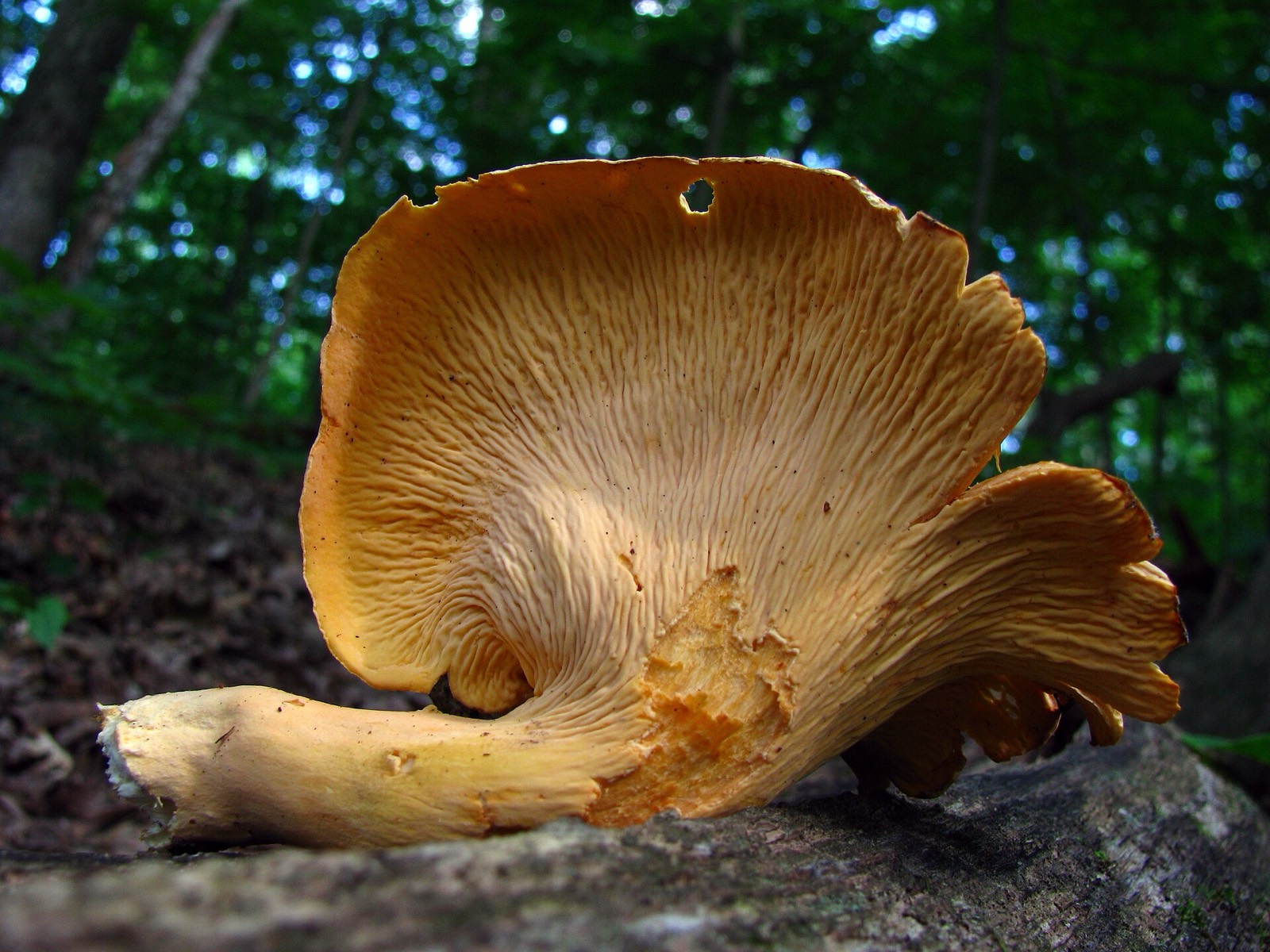
Chicken of the woods
LaetiporusFungusIn season nowMay 1 to Oct 31, peaking around Jul 15
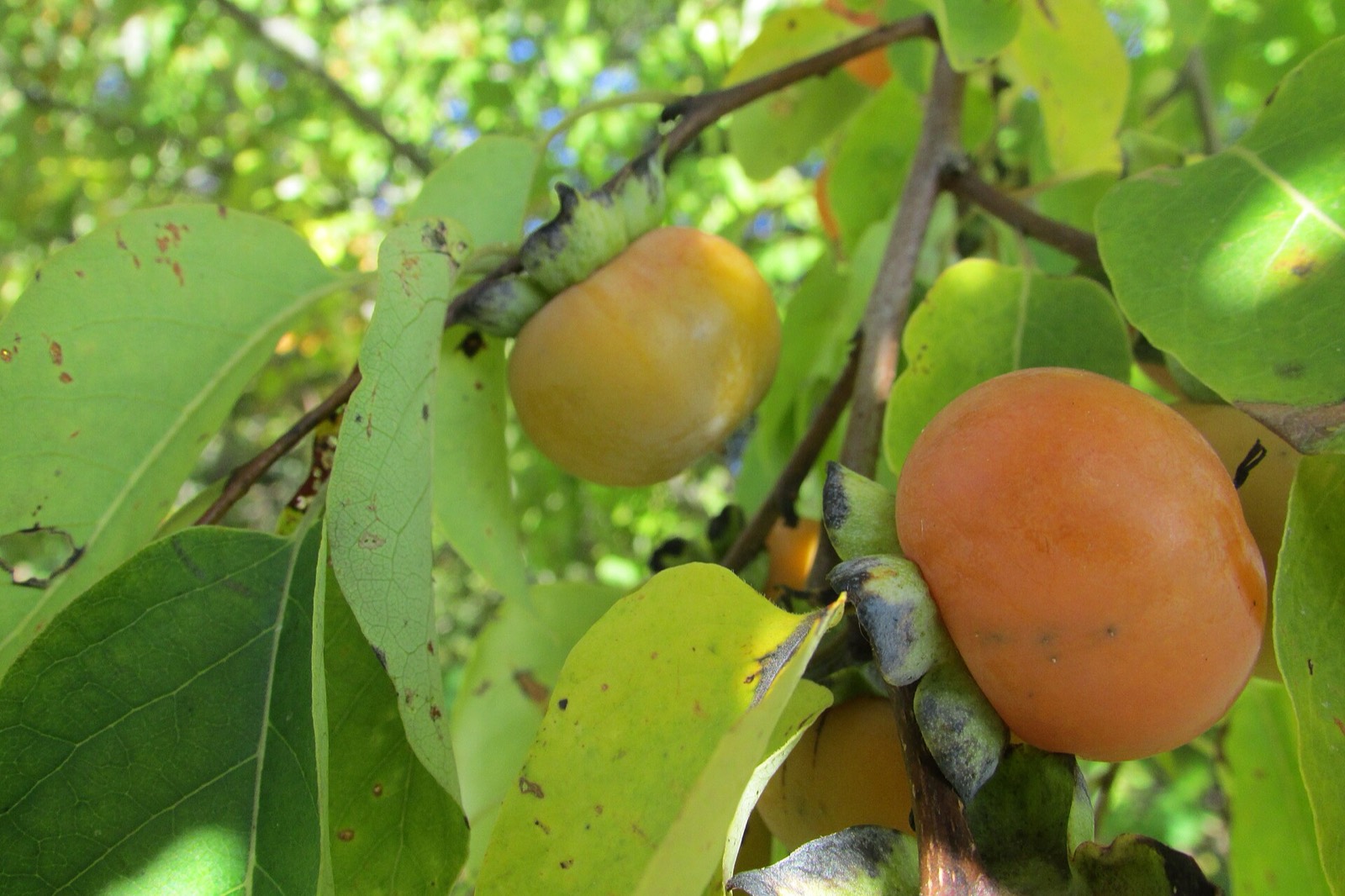
American persimmon
Diospyros virginianaPlant, fruitIn season nowJul 1 to Nov 30, peaking around Sep 15
Hen of the woods
Grifola frondosaFungusIn season nowOct 1 to Nov 30, peaking around Oct 15
Every window, in the order it opens
Morel
MorchellaFungusspringMar 1 to Mar 31, peaking around Mar 15
Wild blackberry
Rubus subgenus RubusPlant, fruitspringApr 1 to May 31, peaking around Apr 15
Chanterelle
CantharellusFungussummerJun 1 to Aug 31, peaking around Jun 15
American elderberry
Sambucus canadensisPlant, fruitsummerJun 1 to Aug 31, peaking around Jul 15
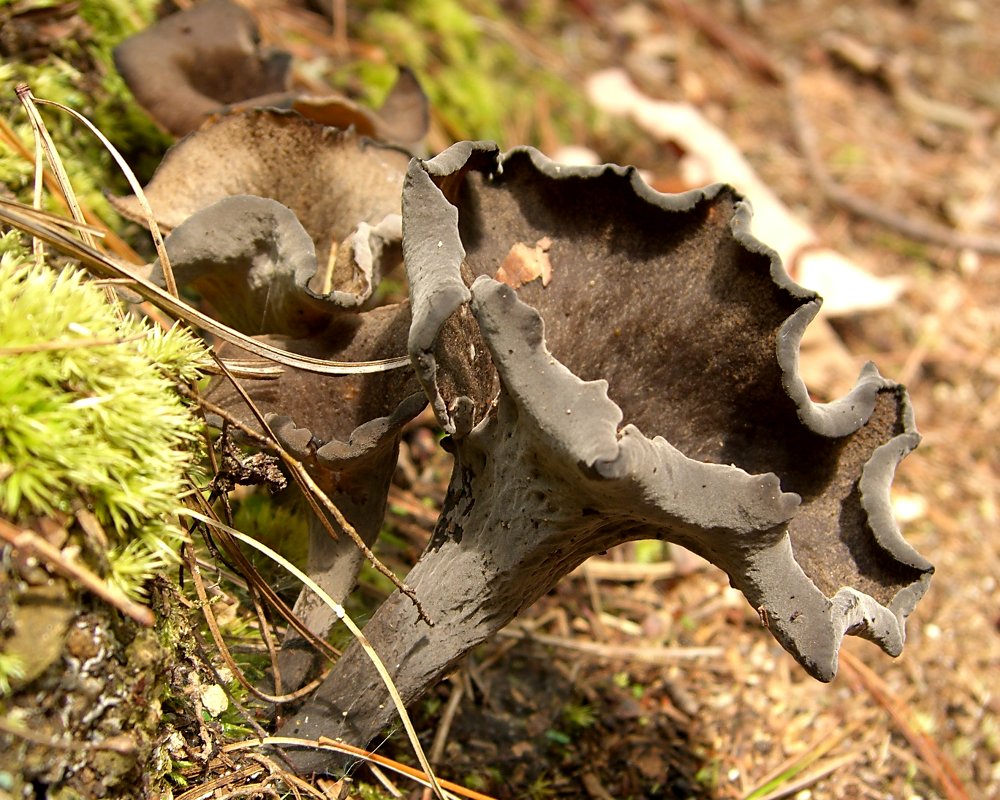
Chicken of the woods
LaetiporusFungusIn season nowMay 1 to Oct 31, peaking around Jul 15
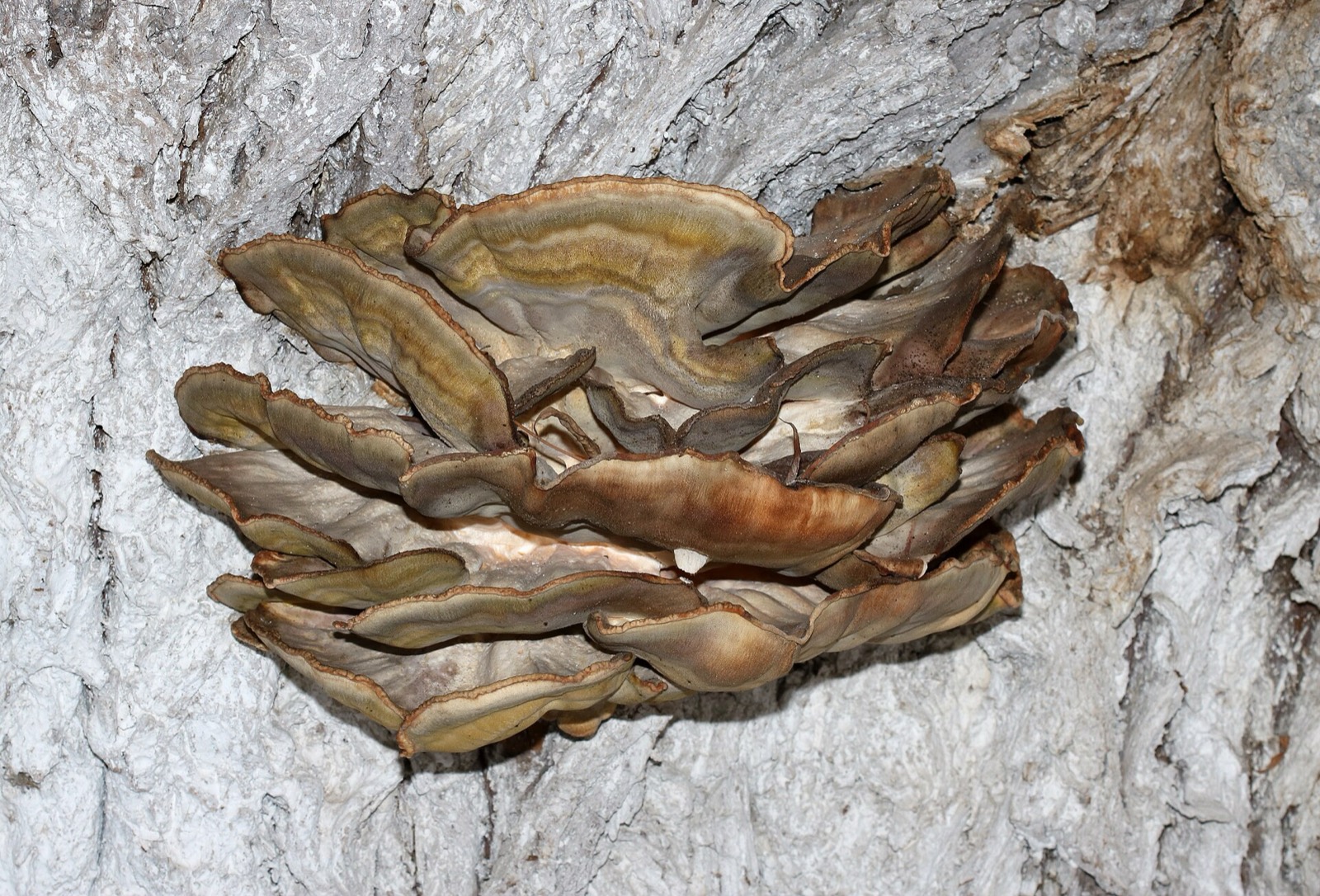
Black trumpet
CraterellusFungussummerJun 1 to Aug 31, peaking around Aug 15
Pawpaw
Asimina trilobaPlant, fruitsummerMay 1 to Aug 31, peaking around Aug 15
Wild grape
VitisPlant, fruitsummerAug 1 to Aug 31, peaking around Aug 15
American persimmon
Diospyros virginianaPlant, fruitIn season nowJul 1 to Nov 30, peaking around Sep 15
Black walnut
Juglans nigraPlant, fruitautumnJun 1 to Sep 30, peaking around Sep 15
Hen of the woods
Grifola frondosaFungusIn season nowOct 1 to Nov 30, peaking around Oct 15
Lion's mane
Hericium erinaceusFungusautumnNov 1 to Jan 31, peaking around Nov 15
Matsutake
Tricholoma section MatsutakeFunguswinterDec 1 to Dec 31, peaking around Dec 15
Oyster mushroom
PleurotusFunguswinterNov 1 to Jan 31, peaking around Dec 15
Oyster mushroom in Georgia, month by month
The chart opens on the adjusted series, which corrects for observer effort, and the toggle shows the raw counts you would get from the site itself. Where they disagree, the raw curve is usually reporting when people were outdoors rather than when the species was fruiting. See the underlying Georgia records on iNaturalist.
Before you eat anything you found in Georgia
This site publishes timing, not identification. It tells you when a species has historically been recorded in your state. It cannot tell you what you are holding, and nothing on it should be treated as permission to eat a wild mushroom.
CDC reports that approximately 7,500 poisonous mushroom ingestions were reported annually to poison control centers across the United States. Source.
This is not a theoretical caution. During November 2025 to March 2026, the California Poison Control System and California Department of Public Health responded to an outbreak of 39 cases of amatoxin mushroom poisoning in northern California, resulting in three liver transplantations and four deaths. This is the largest reported outbreak of mushroom-associated hepatotoxic poisoning in California history and the largest in the United States in several decades. Amatoxins are not denatured by cooking or other methods of food preparation. CDC, Morbidity and Mortality Weekly Report, May 28, 2026.
- “The public should be aware that poisonous mushrooms might resemble nonpoisonous mushrooms, cooking mushrooms does not remove or inactivate toxins, and that wild mushrooms should never be consumed unless they are identified by an expert.” CDC, Morbidity and Mortality Weekly Report, accidental poisonous mushroom ingestions, United States 2016 to 2018
- “Poisonous mushrooms often resemble and are difficult to distinguish visually from nonpoisonous, edible mushrooms.” CDC, Morbidity and Mortality Weekly Report, Amanita species mushroom poisonings, northern California, November 2025 to March 2026
- “Even people with years of experience picking wild mushrooms can sometimes mistake these toxic mushrooms for safe ones.” California Department of Public Health
- “Only an expert can differentiate between poisonous and edible mushrooms.” Penn State Extension
Where to take a question instead
- North American Mycological Association: Volunteer identification consultants, listed by state. NAMA keeps a state by state list of volunteers who will help identify a mushroom when a poisoning is suspected. It is a free service. This is the single most useful link on this page.
- Report a mushroom poisoning. “It is important to file a report, even if the outcome was only a gastrointestinal upset. NAMA tracks ALL mushroom poisonings.”
- Poison Control, 1-800-222-1222. One number covers the whole United States, around the clock. There is also an online triage tool. Both are free and confidential. poison.org
The single most useful thing on this page is not a date. It is NAMA’s list of volunteer identification consultants, which is organised by state and is free. Find the Georgia entry before you need it rather than after.
Where you may legally gather in Georgia
The rule is set by whoever manages the ground you are standing on. In several states the parks agency and the forests agency are different agencies with opposite rules, so these are given separately rather than as one line for Georgia.
Georgia state parks
Permitted only within stated limits or only where posted.
“The site manager may designate certain fruits, berries, nuts, or pine needles which may be gathered by hand for personal use or consumption upon a determination that the gathering or consumption will not adversely affect site wildlife.”
Ga. Comp. R. & Regs. 391-5-1-.04(1)(c)
Mushrooms are absent from that list. Georgia's permission is discretionary and site by site, and the default is the general prohibition. Georgia state forests are run by the Georgia Forestry Commission under separate rules we did not verify.
Georgia state forests
No separate state forests rule for Georgia is verified against a primary source here. Do not assume the parks rule carries over; in several states these are different agencies with opposite rules.
Federal land in Georgia follows its own rules regardless of the above. National Park Service units prohibit gathering plants by default under 36 CFR 2.1, with each superintendent free to designate fruits, berries and nuts for personal use, so the answer differs park by park. National forests generally allow small personal use quantities, but there is no national number: the threshold is set regionally, which is why neighbouring forests publish different limits. Private land needs the owner’s permission, and several states make taking plant material a separate offence from trespass. The full breakdown by land type is on the hub.
Ginseng in Georgia
Georgia’s American ginseng season runs Sep 1 to Dec 31. Banned on both state and federal land in Georgia. Georgia ginseng regulations. Ginseng is not on the calendar above and this is not encouragement to dig it.
These are our readings of the cited regulations and are not legal advice. Regulations are amended, and the current rule of the specific park, forest or district you are standing in governs.
Foraging calendars for other states
Georgia foraging questions
Windows on this page are climatology derived from iNaturalist research grade observation records in Georgia, not a forecast and not a map of where anything grows. Nothing here identifies a mushroom or states that anything is safe to eat. Take an identification question to a person: NAMA identification consultants or Poison Control on 1-800-222-1222.