Skip to content
Vermont · 2026 season

Vermont Foraging Calendar 2026

13 wild edibles, ordered by when each one is actually recorded in Vermont, across 7 different peak months. Built from 3,161 research grade observation records and corrected for how many people were outdoors. Identification is a job for a person with the specimen in hand.

13
Species with a window
in Vermont
7
Distinct peak months
of 12
5
In season now
October
3,161
Records behind it
research grade
Right now

In season in Vermont in October

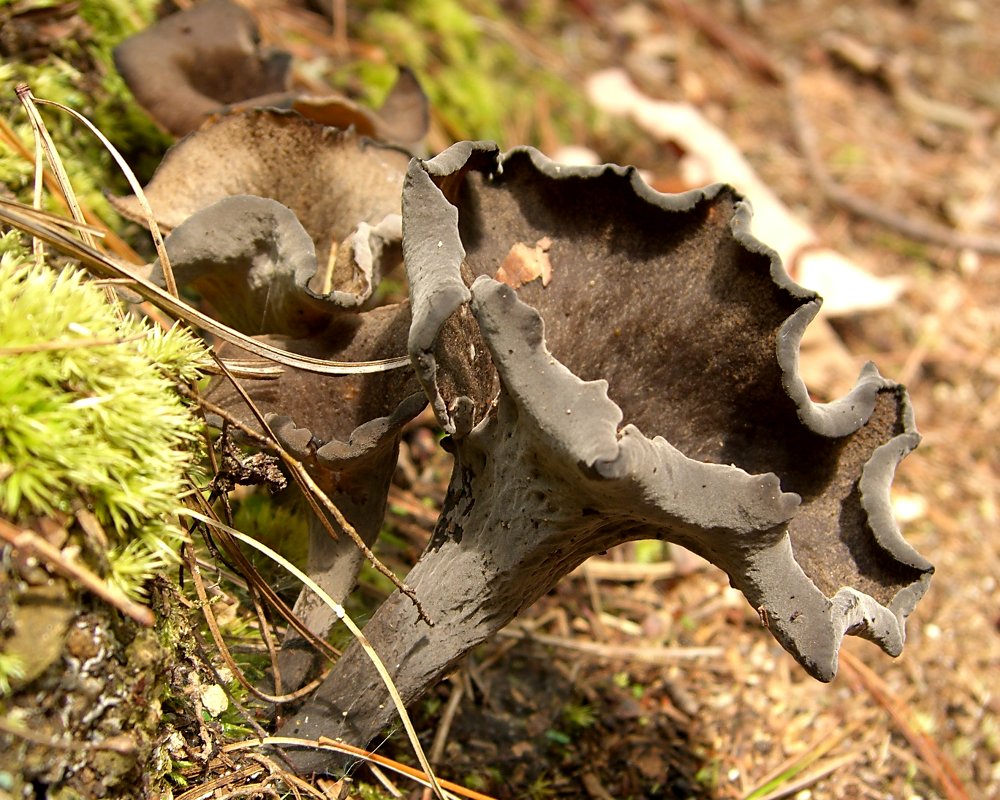
Black trumpet

CraterellusFungusIn season now

Jul 1 to Oct 31, peaking around Sep 15

Built from 278 research grade records in Vermont, counted as recorded, because a fungus is only photographed when it is fruiting.

Missouri states there are no lookalikes in Missouri, and immediately adds that you should be absolutely sure of the identification and eat only a small amount the first time. Have it identified by a person. Telling them apart is a job for a person with the specimen, and this page is not enough to eat anything.

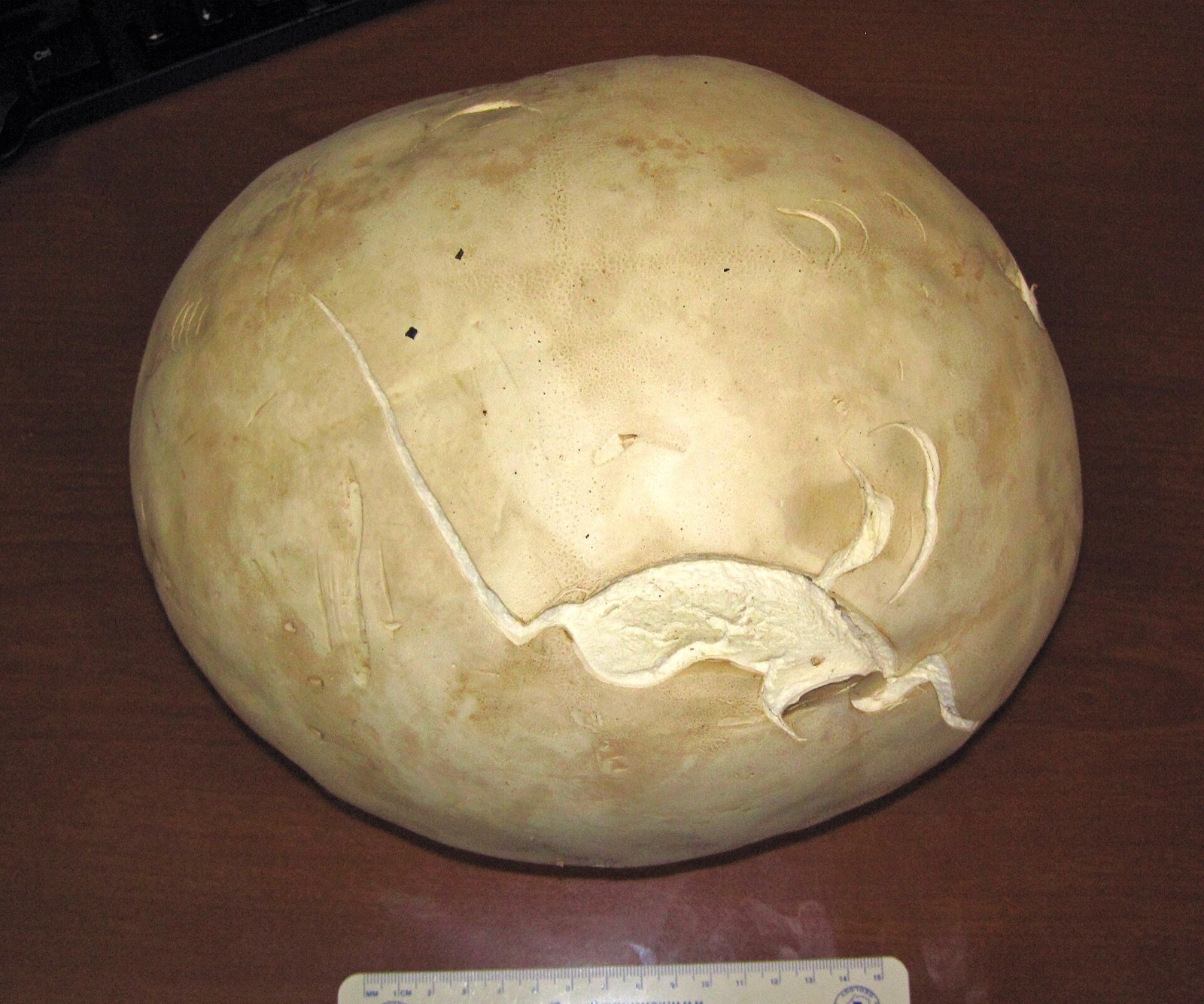
Giant puffball

Calvatia giganteaFungusIn season now

Sep 1 to Oct 31, peaking around Oct 15

Built from 216 research grade records in Vermont, counted as recorded, because a fungus is only photographed when it is fruiting.

Named lookalikes: Destroying angel and other Amanita species, at the immature button stage. This is the most consequential pairing on the whole calendar. A deadly Amanita begins life as an egg shaped button that can be mistaken for a small puffball. Have it identified by a person. Telling them apart is a job for a person with the specimen, and this page is not enough to eat anything.

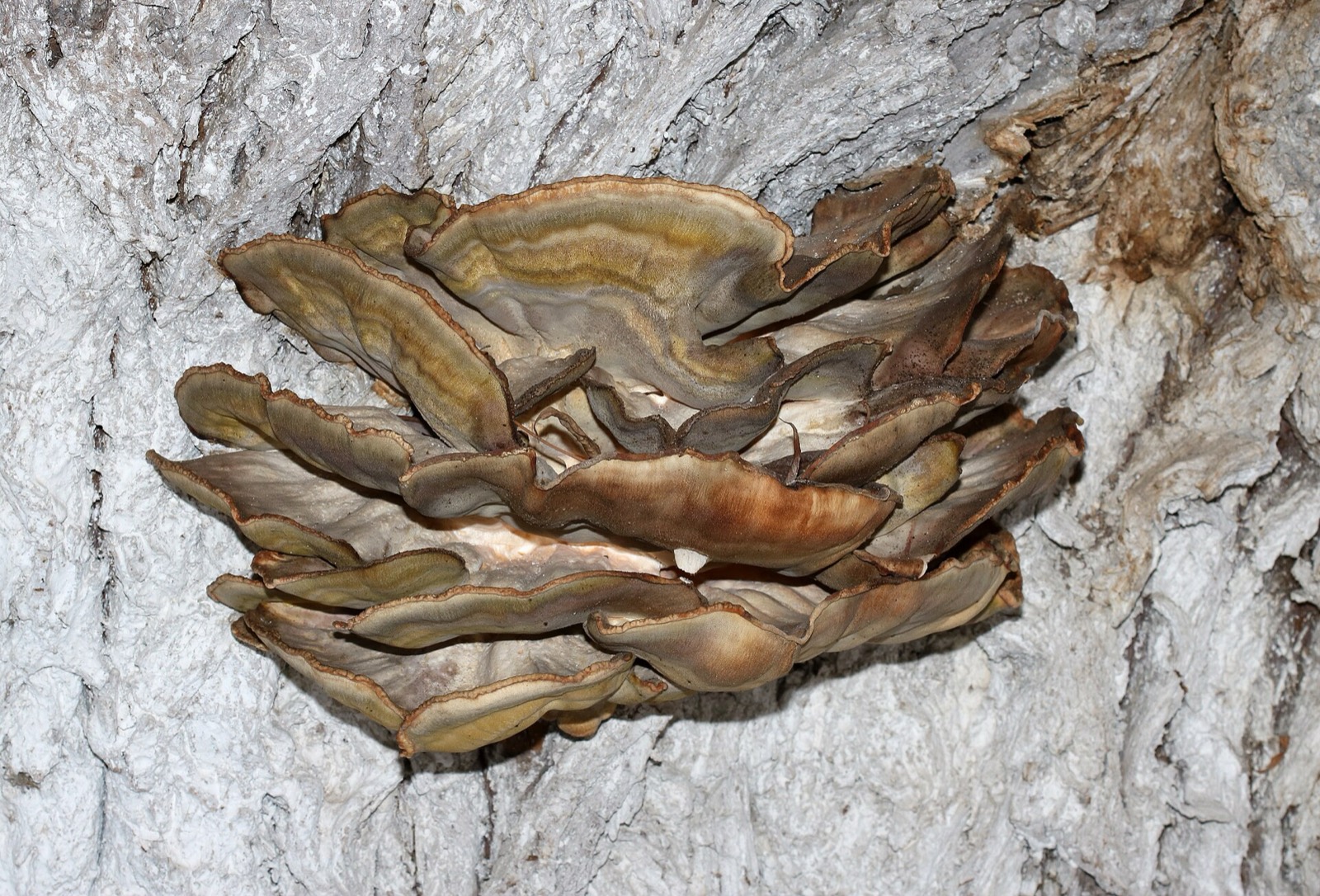
Hen of the woods

Grifola frondosaFungusIn season now

Sep 1 to Oct 31, peaking around Oct 15

Built from 80 research grade records in Vermont, counted as recorded, because a fungus is only photographed when it is fruiting.

Missouri states that hen of the woods has no poisonous lookalikes, and that the similar pore fungi are tough and inedible rather than toxic. Berkeley's polypore, often described elsewhere as a dangerous lookalike, is itself listed as edible when young. That is a statement about Missouri's fungi, not clearance to eat anything you have not had identified. Have it identified by a person. Telling them apart is a job for a person with the specimen, and this page is not enough to eat anything.

Oyster mushroom

PleurotusFungusIn season now

Oct 1 to Nov 30, peaking around Nov 15

Built from 299 research grade records in Vermont, counted as recorded, because a fungus is only photographed when it is fruiting.

Missouri states there are no lookalikes in Missouri that are poisonous, and that most species misidentified as oyster mushrooms are woody or unpleasant rather than dangerous. That statement is scoped to one state. Have it identified by a person. Telling them apart is a job for a person with the specimen, and this page is not enough to eat anything.

Wild grape

VitisPlant, fruitIn season now

Sep 1 to Dec 31, peaking around Nov 15

Built from 55 research grade records in Vermont, restricted to records annotated as fruiting, so the dates track fruit rather than flower.

Named lookalikes: Canada moonseed (Menispermum canadense). Have it identified by a person. Telling them apart is a job for a person with the specimen, and this page is not enough to eat anything.
A large round white giant puffball sitting on grass
Giant puffball in Vermont, typically Sep 1 to Oct 31, from 216 records. “Calvatia gigantea (giant puffball)” by James St. John, CC BY 2.0
Advertisement
The Vermont year

Every window, in the order it opens

Bright orange and yellow shelf fungus growing in overlapping tiers from a tree trunk
Chicken of the woods is one of the most recorded species on the Vermont calendar, with 504 records here, peaking around Sep 15. “Laetiporus sulphureus 2017 G01” — George Chernilevsky — Public domain

Ramps

Allium tricoccumPlant, leafspring

Apr 1 to Apr 30, peaking around Apr 15

Built from 1,027 research grade records in Vermont, counted as recorded, because ramps are photographed when the leaves are up, which is the harvest window.

Named lookalikes: American false hellebore (Veratrum viride); Lily of the valley (Convallaria majalis). Vermont health officials issued this warning specifically because false hellebore comes up at the same time and in the same ground as ramps. Have it identified by a person. Telling them apart is a job for a person with the specimen, and this page is not enough to eat anything.

Morel

MorchellaFungusspring

May 1 to May 31, peaking around May 15

Built from 198 research grade records in Vermont, counted as recorded, because a fungus is only photographed when it is fruiting.

Named lookalikes: False morels (Gyromitra species); Verpa species. Michigan health authorities also note that true morels can make people ill if eaten raw, undercooked, in large quantity, or with alcohol, and that sensitivity can develop in someone who has eaten them for years without trouble. Have it identified by a person. Telling them apart is a job for a person with the specimen, and this page is not enough to eat anything.

Black raspberry

Rubus occidentalisPlant, fruitsummer

Jul 1 to Jul 31, peaking around Jul 15

Built from 126 research grade records in Vermont, restricted to records annotated as fruiting, so the dates track fruit rather than flower.

Illinois Extension writes that there are no poisonous lookalikes to worry about among the brambles. That is a single extension article rather than a body of guidance, so we attribute it to Illinois Extension rather than asserting it ourselves. Have it identified by a person. Telling them apart is a job for a person with the specimen, and this page is not enough to eat anything.

Chanterelle

CantharellusFungussummer

Jul 1 to Sep 30, peaking around Jul 15

Built from 81 research grade records in Vermont, counted as recorded, because a fungus is only photographed when it is fruiting.

Named lookalikes: Jack-o'-lantern (Omphalotus illudens); Big laughing gym (Gymnopilus spectabilis). Have it identified by a person. Telling them apart is a job for a person with the specimen, and this page is not enough to eat anything.

Lowbush blueberry

Vaccinium angustifoliumPlant, fruitsummer

Jun 1 to Jul 31, peaking around Jul 15

Built from 41 research grade records in Vermont, restricted to records annotated as fruiting, so the dates track fruit rather than flower.

We found no authoritative lookalike pairing for lowbush blueberry that met our sourcing bar. Absence of a published pairing is not clearance. Have it identified by a person. Telling them apart is a job for a person with the specimen, and this page is not enough to eat anything.

American elderberry

Sambucus canadensisPlant, fruitsummer

Aug 1 to Sep 30, peaking around Aug 15

Built from 162 research grade records in Vermont, restricted to records annotated as fruiting, so the dates track fruit rather than flower.

Named lookalikes: Water hemlock (Cicuta maculata) and poison hemlock (Conium maculatum); Pokeweed (Phytolacca americana); Devil's walking stick (Aralia spinosa). The bigger documented hazard is the plant itself. CDC investigated an August 1983 California incident in which eight people were flown to hospital by helicopter after drinking juice pressed from elderberries crushed together with their leaves and branches. CDC concluded that leaves and stems should not be crushed in when making juice. Oregon State Extension states that all varieties of raw elderberries should be cooked before consuming. Have it identified by a person. Telling them apart is a job for a person with the specimen, and this page is not enough to eat anything.

Wild blackberry

Rubus subgenus RubusPlant, fruitsummer

Jul 1 to Aug 31, peaking around Aug 15

Built from 94 research grade records in Vermont, restricted to records annotated as fruiting, so the dates track fruit rather than flower.

Illinois Extension writes that there are no poisonous lookalikes to worry about among the brambles. That is a single extension article rather than a body of guidance, so we attribute it to Illinois Extension rather than asserting it ourselves. Have it identified by a person. Telling them apart is a job for a person with the specimen, and this page is not enough to eat anything.

Black trumpet

CraterellusFungusIn season now

Jul 1 to Oct 31, peaking around Sep 15

Built from 278 research grade records in Vermont, counted as recorded, because a fungus is only photographed when it is fruiting.

Missouri states there are no lookalikes in Missouri, and immediately adds that you should be absolutely sure of the identification and eat only a small amount the first time. Have it identified by a person. Telling them apart is a job for a person with the specimen, and this page is not enough to eat anything.

Chicken of the woods

LaetiporusFungusautumn

Aug 1 to Sep 30, peaking around Sep 15

Built from 504 research grade records in Vermont, counted as recorded, because a fungus is only photographed when it is fruiting.

The documented hazard here is the species itself rather than a lookalike. Florida IFAS Extension states that raw or undercooked Laetiporus has been reported to cause gastrointestinal problems and that at least some individuals are allergic to it. Missouri notes swollen lips and stomach upset in some people even after cooking. Have it identified by a person. Telling them apart is a job for a person with the specimen, and this page is not enough to eat anything.

Giant puffball

Calvatia giganteaFungusIn season now

Sep 1 to Oct 31, peaking around Oct 15

Built from 216 research grade records in Vermont, counted as recorded, because a fungus is only photographed when it is fruiting.

Named lookalikes: Destroying angel and other Amanita species, at the immature button stage. This is the most consequential pairing on the whole calendar. A deadly Amanita begins life as an egg shaped button that can be mistaken for a small puffball. Have it identified by a person. Telling them apart is a job for a person with the specimen, and this page is not enough to eat anything.

Hen of the woods

Grifola frondosaFungusIn season now

Sep 1 to Oct 31, peaking around Oct 15

Built from 80 research grade records in Vermont, counted as recorded, because a fungus is only photographed when it is fruiting.

Missouri states that hen of the woods has no poisonous lookalikes, and that the similar pore fungi are tough and inedible rather than toxic. Berkeley's polypore, often described elsewhere as a dangerous lookalike, is itself listed as edible when young. That is a statement about Missouri's fungi, not clearance to eat anything you have not had identified. Have it identified by a person. Telling them apart is a job for a person with the specimen, and this page is not enough to eat anything.

Oyster mushroom

PleurotusFungusIn season now

Oct 1 to Nov 30, peaking around Nov 15

Built from 299 research grade records in Vermont, counted as recorded, because a fungus is only photographed when it is fruiting.

Missouri states there are no lookalikes in Missouri that are poisonous, and that most species misidentified as oyster mushrooms are woody or unpleasant rather than dangerous. That statement is scoped to one state. Have it identified by a person. Telling them apart is a job for a person with the specimen, and this page is not enough to eat anything.

Wild grape

VitisPlant, fruitIn season now

Sep 1 to Dec 31, peaking around Nov 15

Built from 55 research grade records in Vermont, restricted to records annotated as fruiting, so the dates track fruit rather than flower.

Named lookalikes: Canada moonseed (Menispermum canadense). Have it identified by a person. Telling them apart is a job for a person with the specimen, and this page is not enough to eat anything.
The data

Ramps in Vermont, month by month

Ramps records in Vermont, by month
0255075100January: 0 / 100 indexJFebruary: 1 / 100 indexFMarch: 7 / 100 indexMApril: 100 / 100 indexAMay: 33 / 100 indexMJune: 10 / 100 indexJJuly: 12 / 100 indexJAugust: 3 / 100 indexASeptember: 4 / 100 indexSOctober: 4 / 100 indexONovember: 5 / 100 indexNDecember: 4 / 100 indexD
1,027 research grade iNaturalist records of Allium tricoccum in Vermont, grouped by the month they were observed.Restricted to records annotated as fruiting, so the curve tracks fruit rather than flower. The adjusted series additionally divides by all observations in the state that month.Adjusted view: each month’s records divided by all research-grade observations recorded in the same place that month, rescaled so the busiest month is 100. It answers “what share of what people found was this animal”, which is closer to activity than a raw tally.

The chart opens on the adjusted series, which corrects for observer effort, and the toggle shows the raw counts you would get from the site itself. Where they disagree, the raw curve is usually reporting when people were outdoors rather than when the species was fruiting. See the underlying Vermont records on iNaturalist.
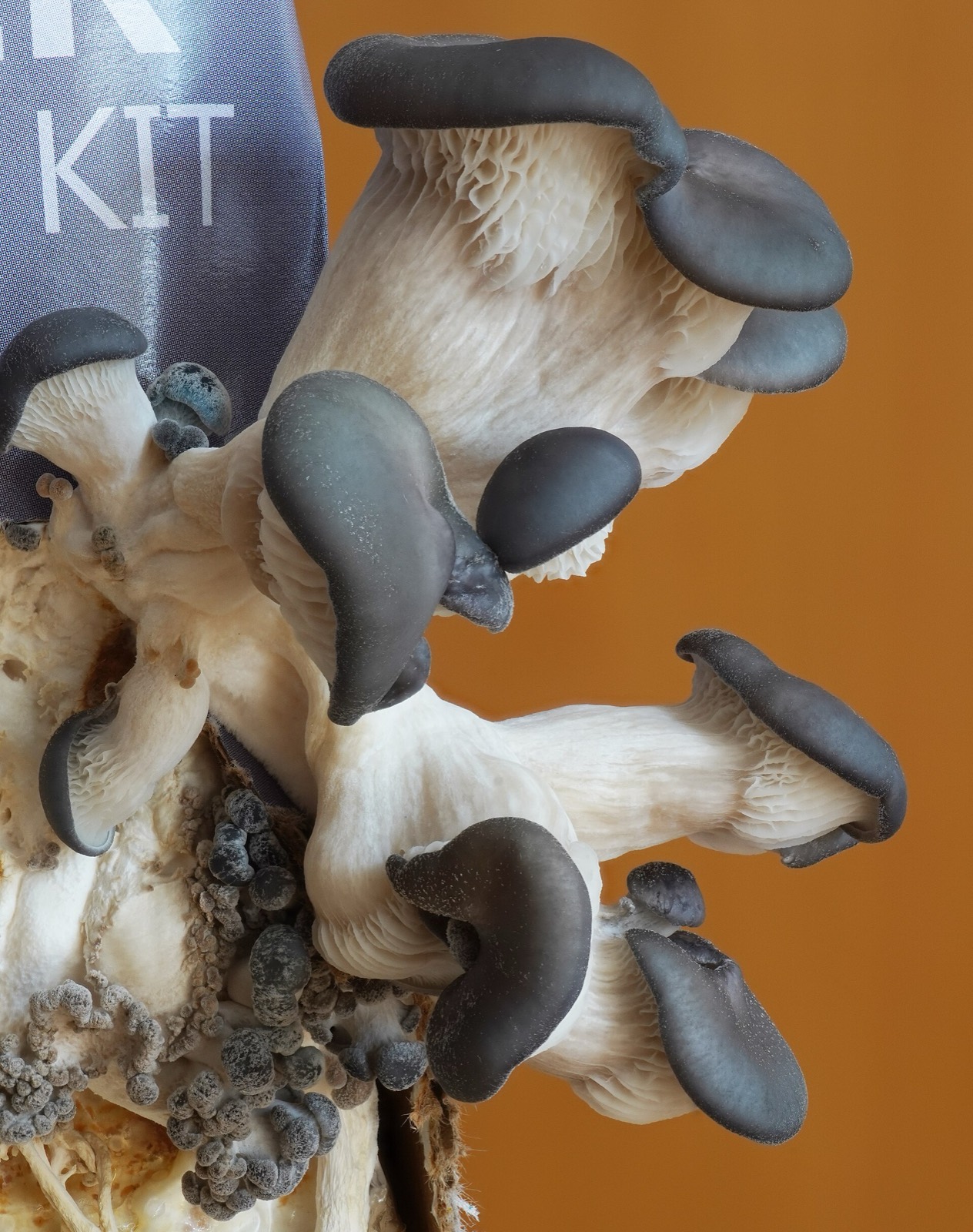
Overlapping pale oyster mushroom caps growing in a shelf from a dead trunk
Oyster mushroom, typically Oct 1 to Nov 30 in Vermont. “20210718 Pleurotus ostreatus 21-35” by Zinnmann, CC BY-SA 3.0

Before you eat anything you found in Vermont

This site publishes timing, not identification. It tells you when a species has historically been recorded in your state. It cannot tell you what you are holding, and nothing on it should be treated as permission to eat a wild mushroom.

CDC reports that approximately 7,500 poisonous mushroom ingestions were reported annually to poison control centers across the United States. Source.

This is not a theoretical caution. During November 2025 to March 2026, the California Poison Control System and California Department of Public Health responded to an outbreak of 39 cases of amatoxin mushroom poisoning in northern California, resulting in three liver transplantations and four deaths. This is the largest reported outbreak of mushroom-associated hepatotoxic poisoning in California history and the largest in the United States in several decades. Amatoxins are not denatured by cooking or other methods of food preparation. CDC, Morbidity and Mortality Weekly Report, May 28, 2026.

Where to take a question instead

Call Poison Control 1-800-222-1222

The single most useful thing on this page is not a date. It is NAMA’s list of volunteer identification consultants, which is organised by state and is free. Find the Vermont entry before you need it rather than after.

Vermont foraging questions

Advertisement

Windows on this page are climatology derived from iNaturalist research grade observation records in Vermont, not a forecast and not a map of where anything grows. Nothing here identifies a mushroom or states that anything is safe to eat. Take an identification question to a person: NAMA identification consultants or Poison Control on 1-800-222-1222.