Wildcat Canyon Falls
Rain fedThe tallest of Starved Rock's canyon falls, with an agency that publishes the flow calendar outright: falls run March through June, may dry out by late June, and return as January icefalls.

The Shawnee Hills' wet-weather cascade at the edge of its namesake wilderness, small but very scenic in the Forest Service's words, and best caught within days of rain.
Trail status, closures and safety rules belong to each falls' managing agency, named and linked on every page.
Burden Falls runs on an intermittent southern Illinois stream: winter and spring rain build the show, summer usually takes it away. The Forest Service's current page describes the wilderness and calls the falls small but very scenic, an expectation-setting phrase we pass along verbatim.
Typical best flow: Winter through spring
Of course, there is a small, but very scenic waterfall located on the southern edge of the wilderness.
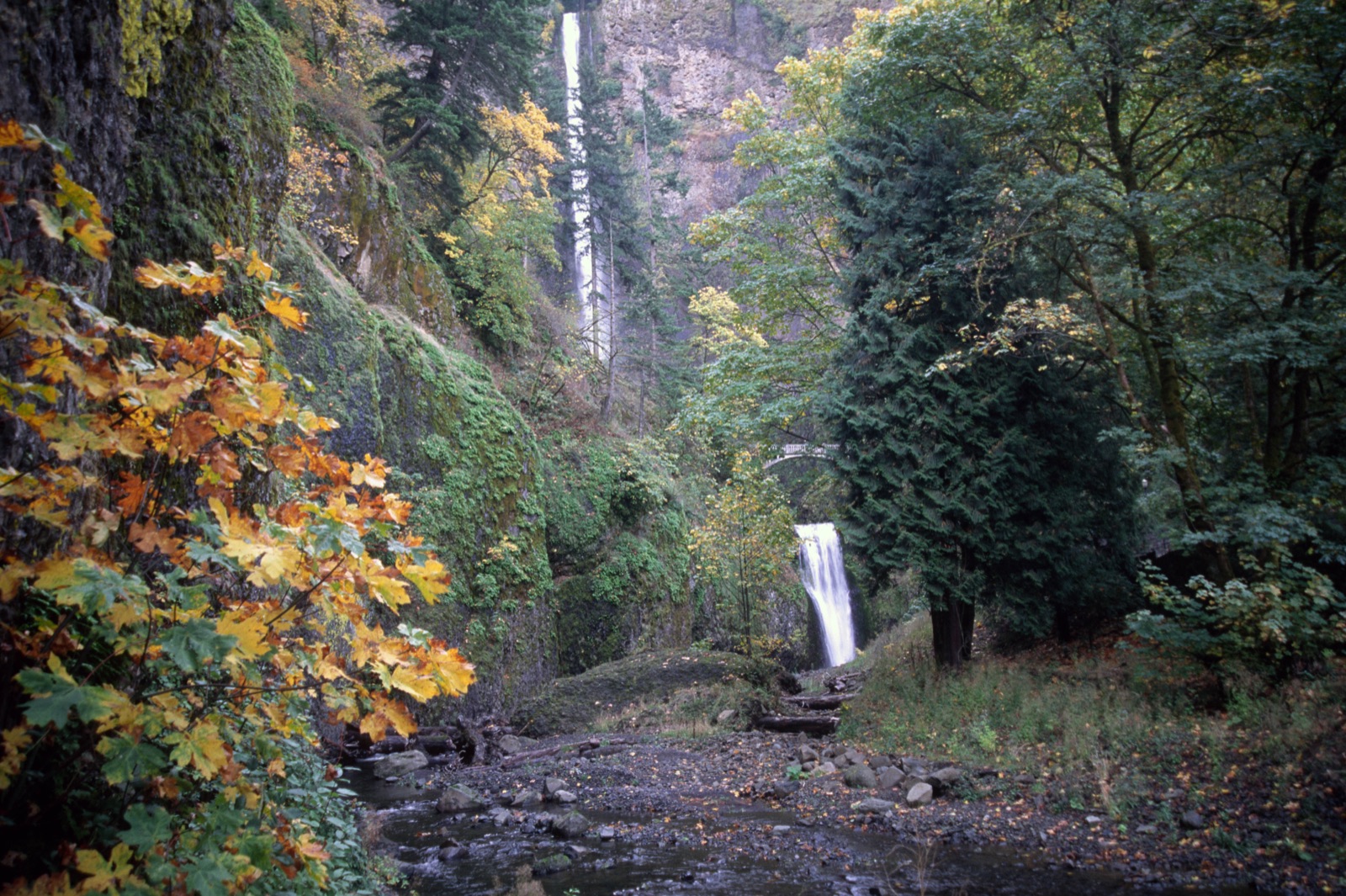
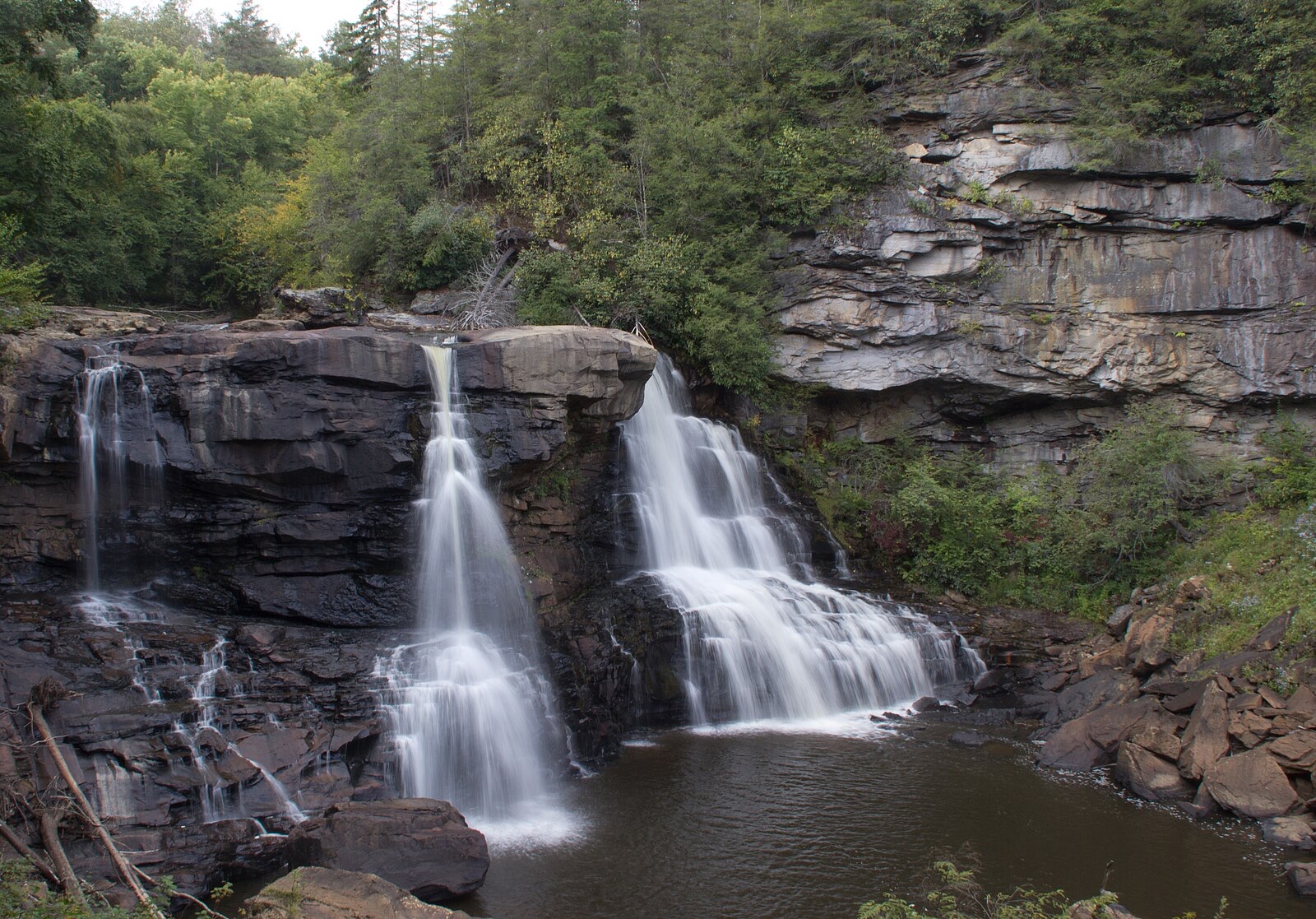
The falls sits near the road on the southern edge of Burden Falls Wilderness, per the Forest Service, with unmarked paths to the base ledges; hunting seasons bring the agency's caution about backcountry travel.
Current access and closures: Shawnee National Forest (US Forest Service).
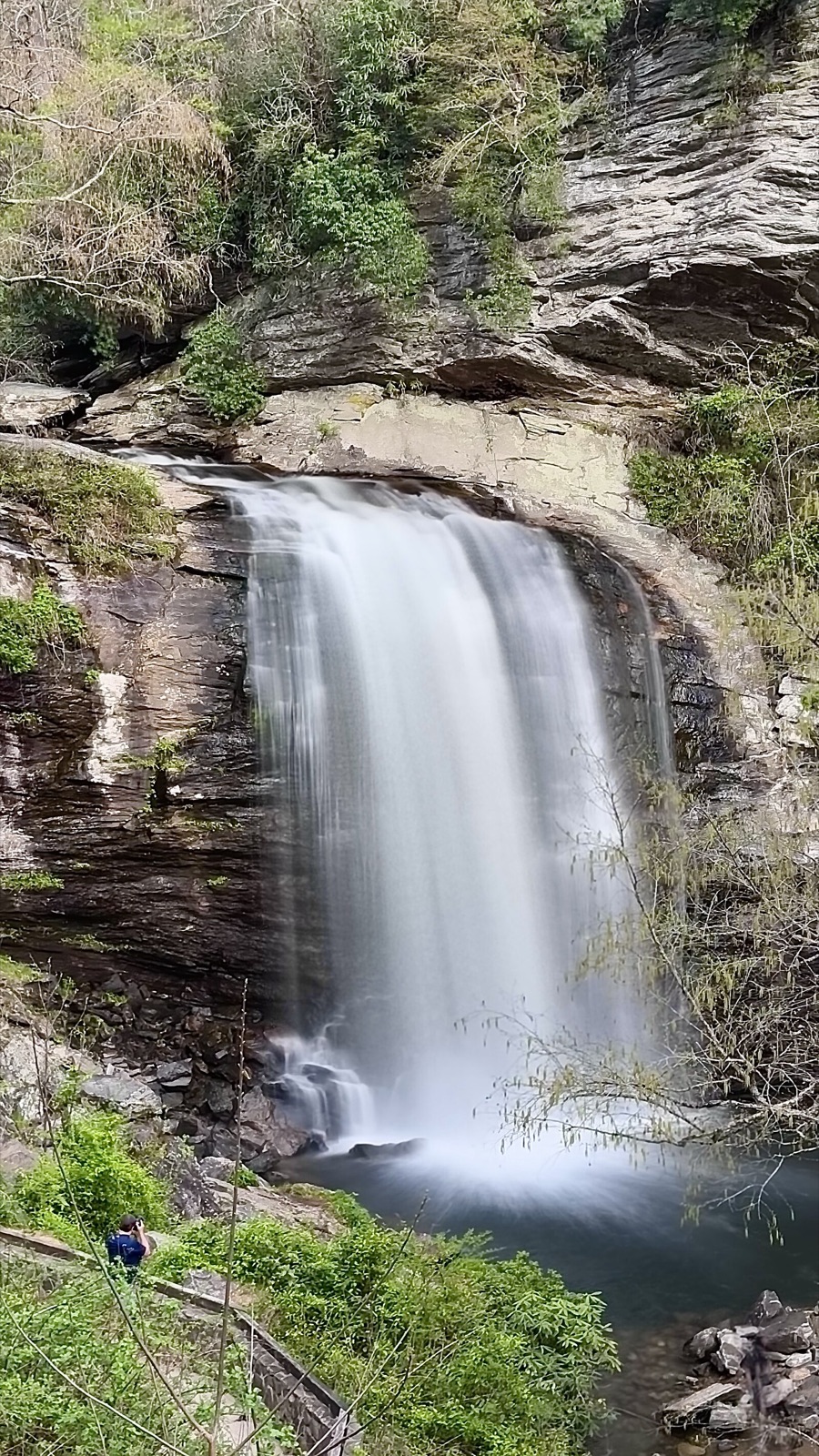
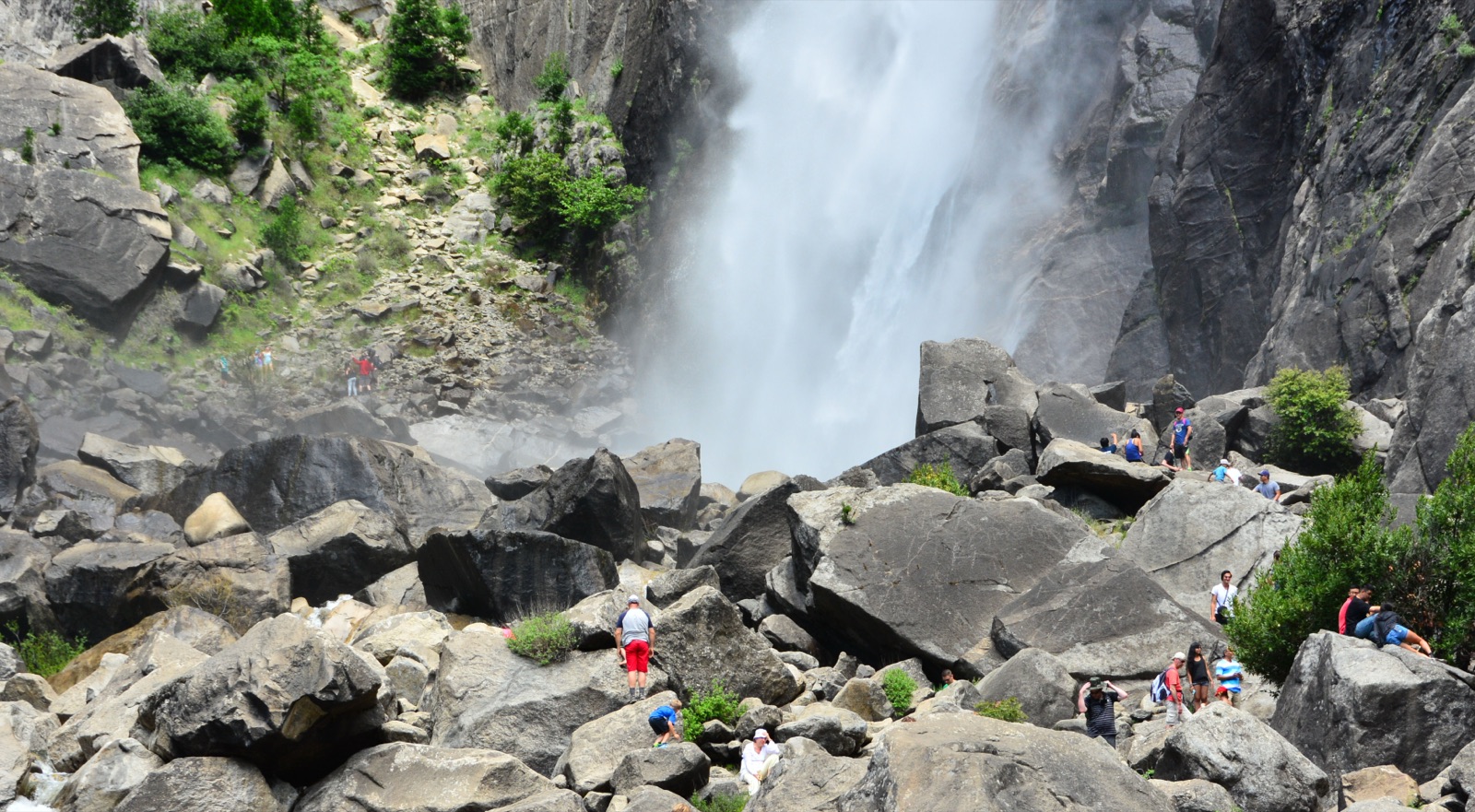
The tallest of Starved Rock's canyon falls, with an agency that publishes the flow calendar outright: falls run March through June, may dry out by late June, and return as January icefalls.
Make a trip of it
Things to doGuided trips and experiences from local operators.
Browse on Viator Places to stay
Vacation rentals and cabins close to the water.
Browse on VrboWe may earn a commission on bookings made through these links.
Flow windows are typical-year climatology drawn from the driver and the agency language quoted above, not forecasts. Live readings and per-date percentiles are U.S. Geological Survey data, public domain; the above-or-below-typical line is our comparison and is labelled as such. Access, trail and safety information belongs to Shawnee National Forest (US Forest Service). National picture: waterfall season across the US →
Hero image: “Looking Glass Falls, North Carolina, April 2025” by Bill McMannis, CC BY 2.0