Linville Falls
Rain fedThe Linville River spirals out of sight and drops 45 feet into a gorge, with four overlooks along a moderate walk from the Blue Ridge Parkway.

At 411 feet, the Forest Service calls Upper Whitewater the highest waterfall east of the Rockies, reached by a paved path to an overlook.
Trail status, closures and safety rules belong to each falls' managing agency, named and linked on every page.
A rain-fed Blue Ridge river with a large enough basin to run year round. Spring carries the most water; the height makes it impressive even in a dry spell.
Typical best flow: March through May
With a 411-foot plunge, Upper Whitewater Falls in North Carolina is the highest waterfall east of the Rockies.
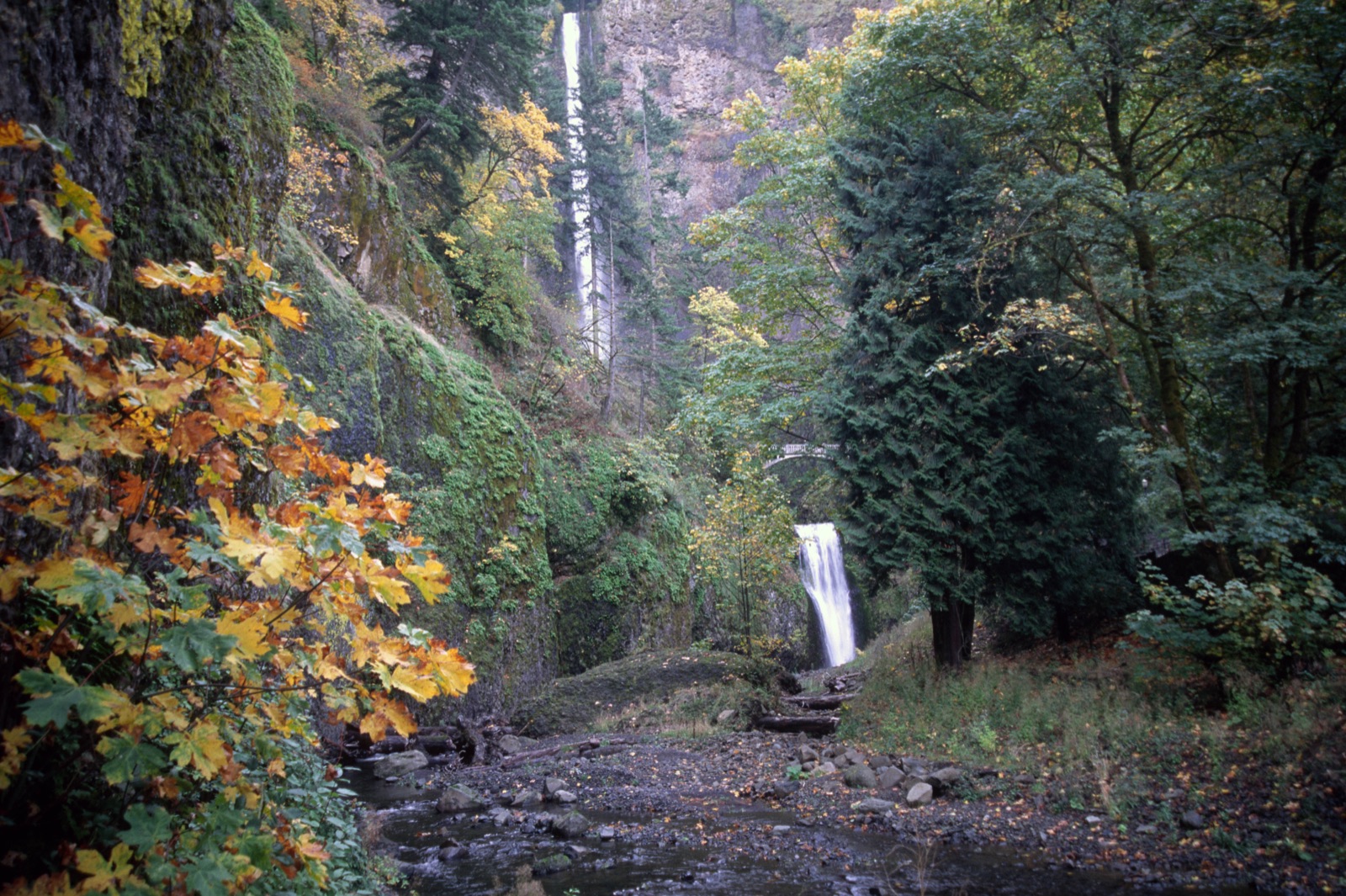
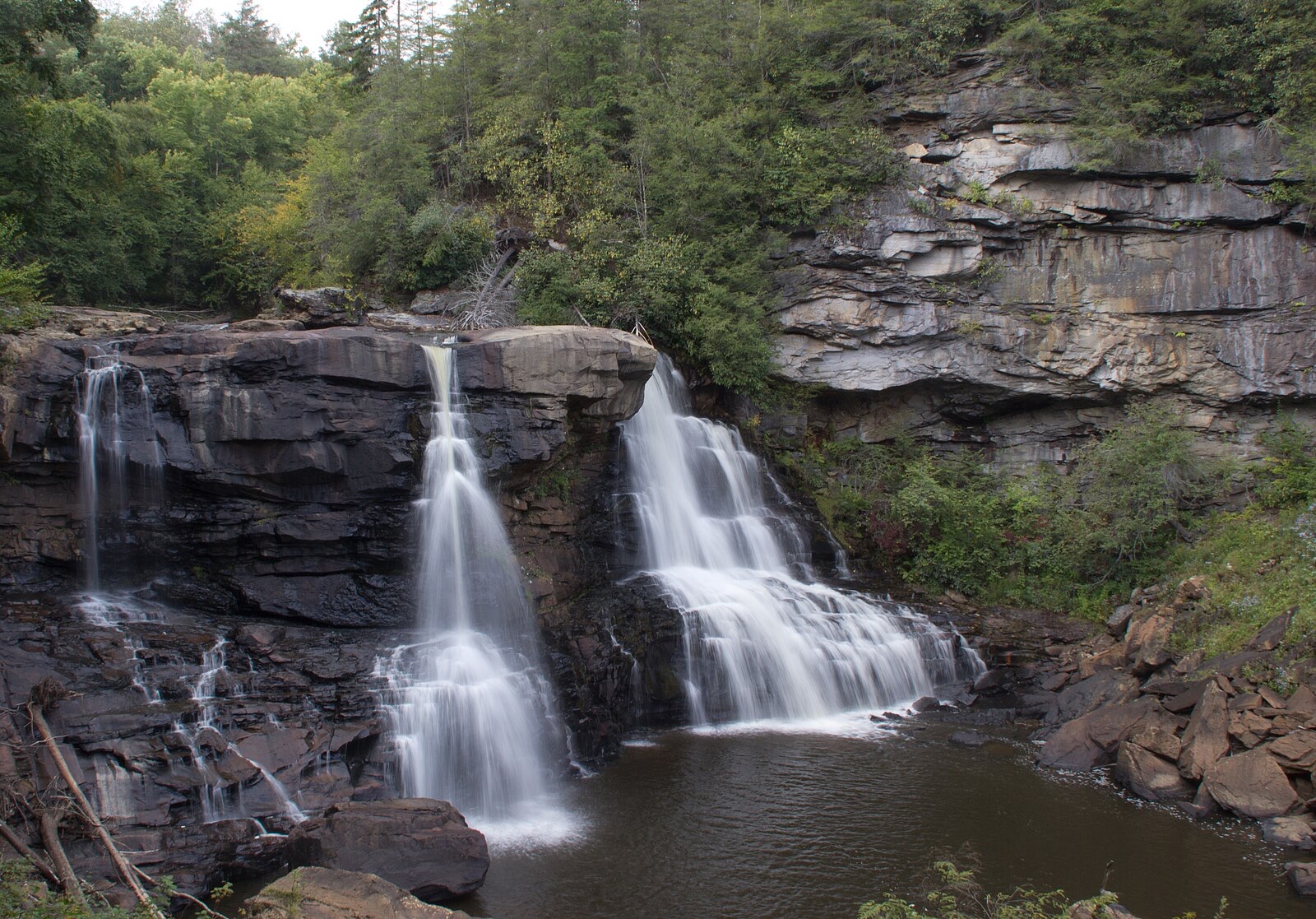
A short paved walk leads to the upper overlook, with stairs continuing to a lower view. A day-use fee applies.
Current access and closures: Nantahala National Forest (USDA Forest Service).
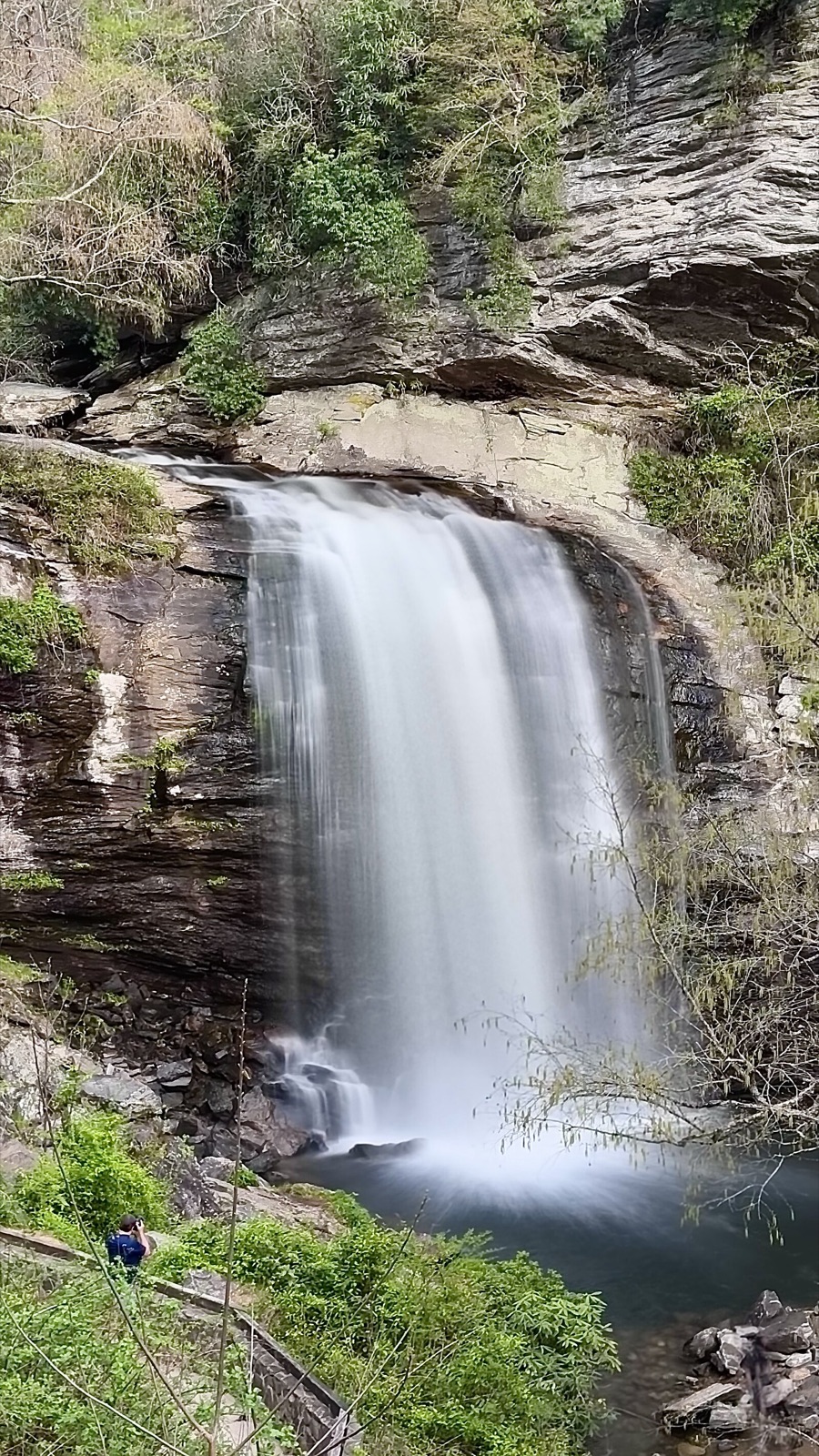
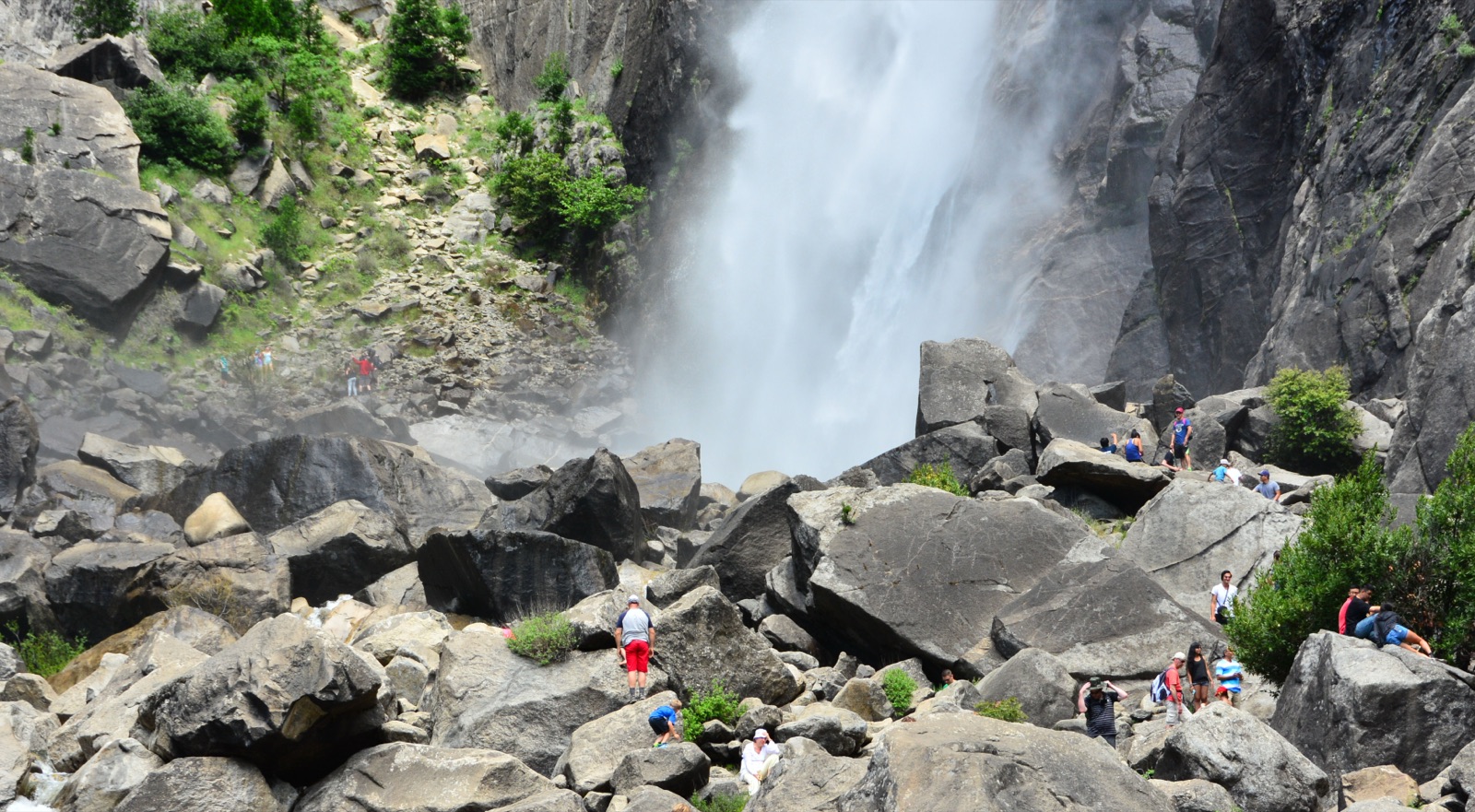
The Linville River spirals out of sight and drops 45 feet into a gorge, with four overlooks along a moderate walk from the Blue Ridge Parkway.
One of the most photographed waterfalls in the East, visible from the roadside in Pisgah National Forest with an accessible viewing deck.
A 75-foot fall on the Cullasaja with a trail that leads behind the curtain, which is how it got a name that sounds like a warning.
Make a trip of it
Things to doGuided trips and experiences from local operators.
Browse on Viator Places to stay
Vacation rentals and cabins close to the water.
Browse on VrboWe may earn a commission on bookings made through these links.
Flow windows are typical-year climatology drawn from the driver and the agency language quoted above, not forecasts. Live readings and per-date percentiles are U.S. Geological Survey data, public domain; the above-or-below-typical line is our comparison and is labelled as such. Access, trail and safety information belongs to Nantahala National Forest (USDA Forest Service). National picture: waterfall season across the US →
Hero image: “Looking Glass Falls, North Carolina, April 2025” by Bill McMannis, CC BY 2.0