
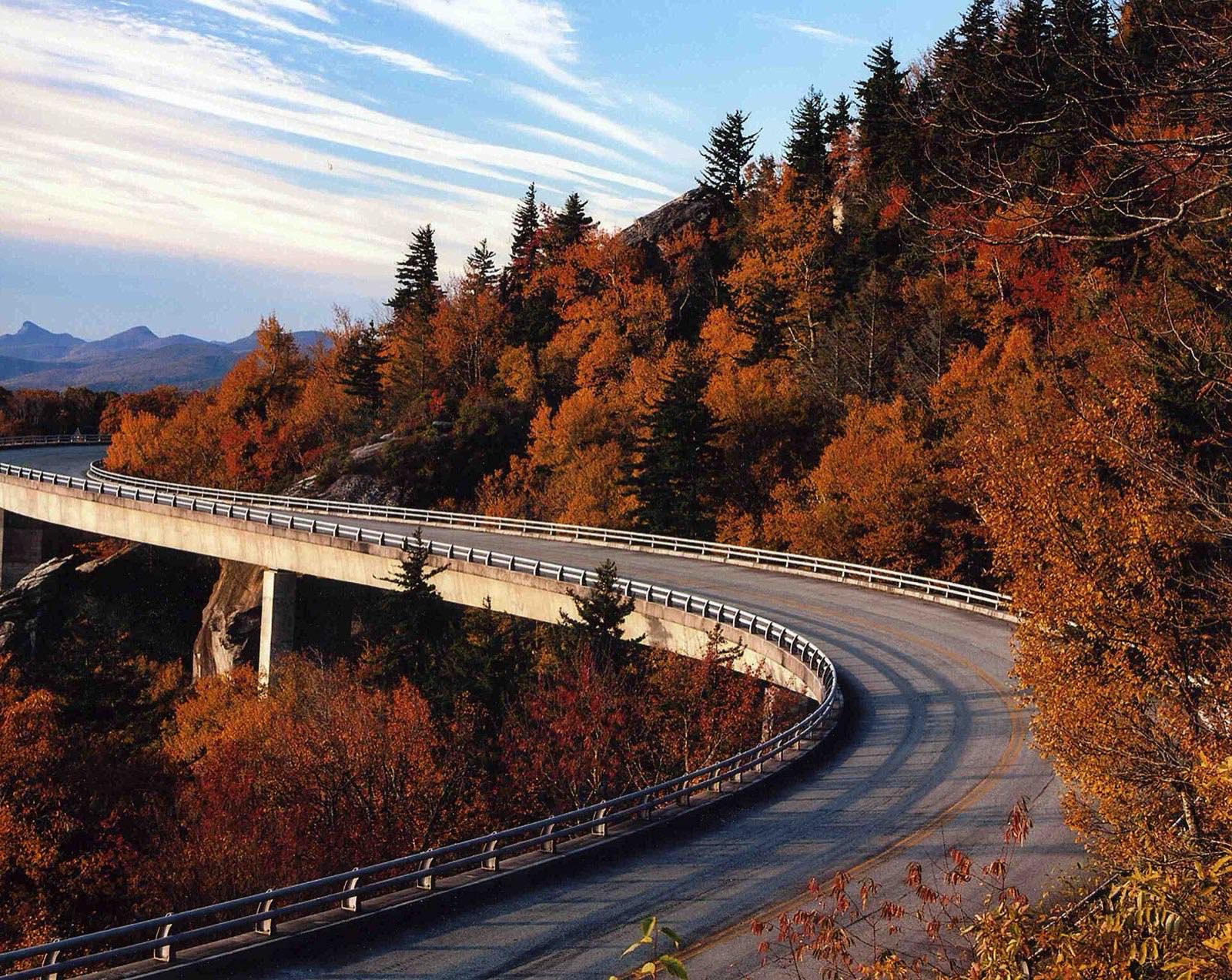
Fall Foliage in North Carolina: 2026 Peak Color Forecast
Typical peak October 15 to November 2. Region-by-region timing, the best drives, and how this autumn is tracking.
Peak expected in about 17 daysThe North Carolina color season at a glance
Typical window, checked against today's dateElevation stretches North Carolina's season over five weeks — chase 5,000-foot color in early October, then catch Asheville's peak two weeks later.
Where the color is around North Carolina right now
Enter a ZIP code (or explore the default view) to see estimated color status across the surrounding terrain — higher elevations and more northern valleys turn first, and the map adjusts for both.
Estimated color status around Charlotte, NC, computed from the state’s typical peak window adjusted for each area’s elevation and latitude (higher and more northern terrain turns earlier). Try the Terrain style to see why ridgelines turn first. A climatology-based estimate — scout reports and webcams beat any model in the final week.
North Carolina doesn’t peak all at once
Elevation and latitude stagger the show — every thousand feet of elevation moves peak roughly a week earlier, and the north edge of a state can run two weeks ahead of its south. That’s good news for trip planning: miss one window and the next region over is often just entering its own.
| Region | Typical peak |
|---|---|
| High country above 5,000 ft (Graveyard Fields, Mount Mitchell) | first week of October |
| Asheville, Boone & the Blue Ridge | mid to late October |
| Foothills & Piedmont | early November |
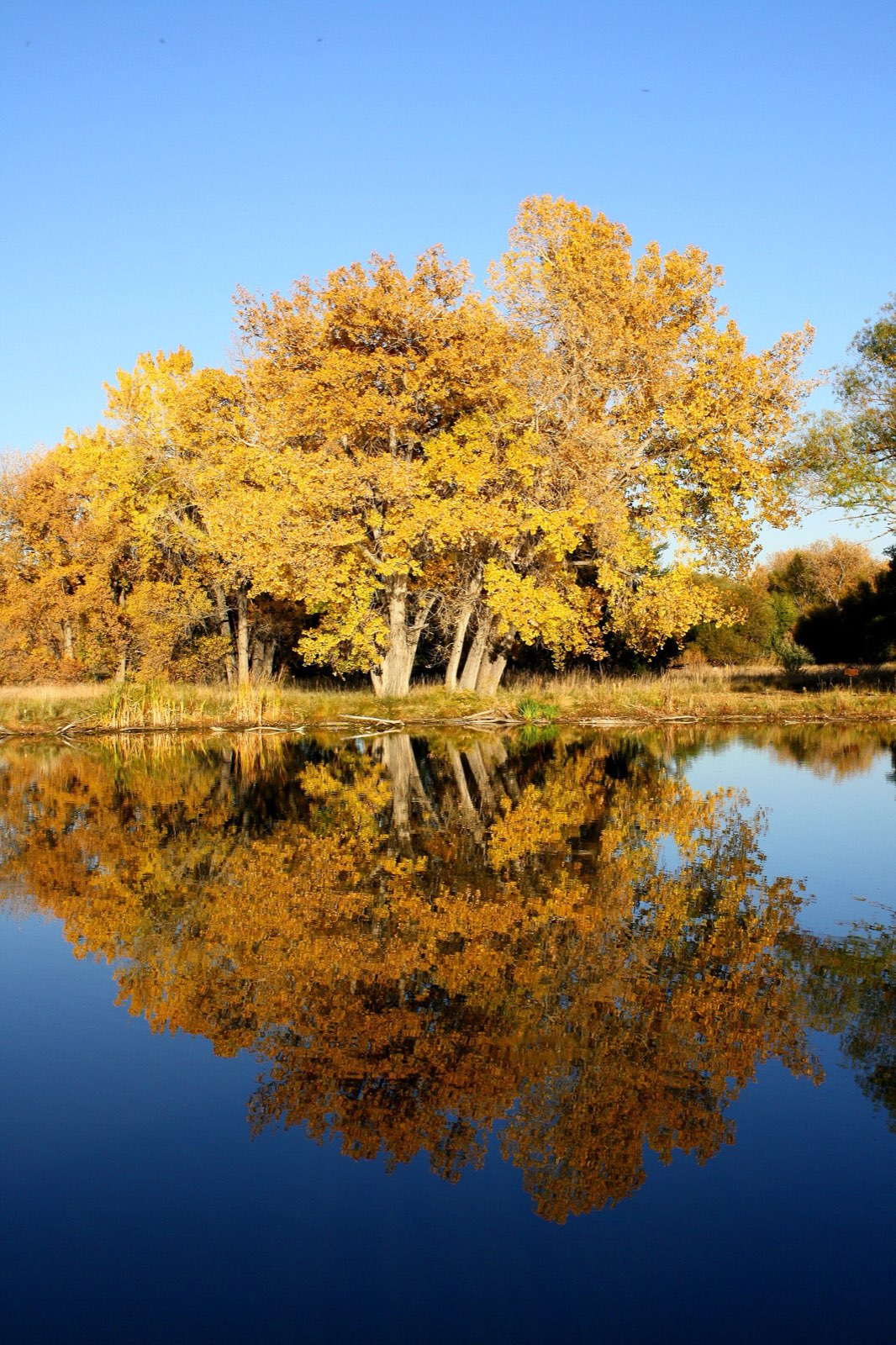
How the North Carolina color season unfolds
First color · October 1 starting
Swamp maples and stressed roadside trees flip first. Around October 1, High country above 5,000 ft (Graveyard Fields, Mount Mitchell) leads the state (first week of October) while lower terrain stays green. Scouting weekend — not yet the show.
Peak window · October 15–November 2 the show
The statewide sweet spot. Color rolls through each region on the schedule below, and the famous drives hit their best light. Book lodging early — this is the window everyone chases.
Late color · to November 12 fading
Foothills & Piedmont holds out longest (early November). Oaks and beeches keep russet and copper tones after the maples drop, and bare-branch views open up — quieter roads, softer palette, zero crowds.
After the season plan ahead
Once leaf-drop finishes, the same windows reset for next year — they're driven by day length first, weather second. Bookmark this page; the status is checked against today's date.
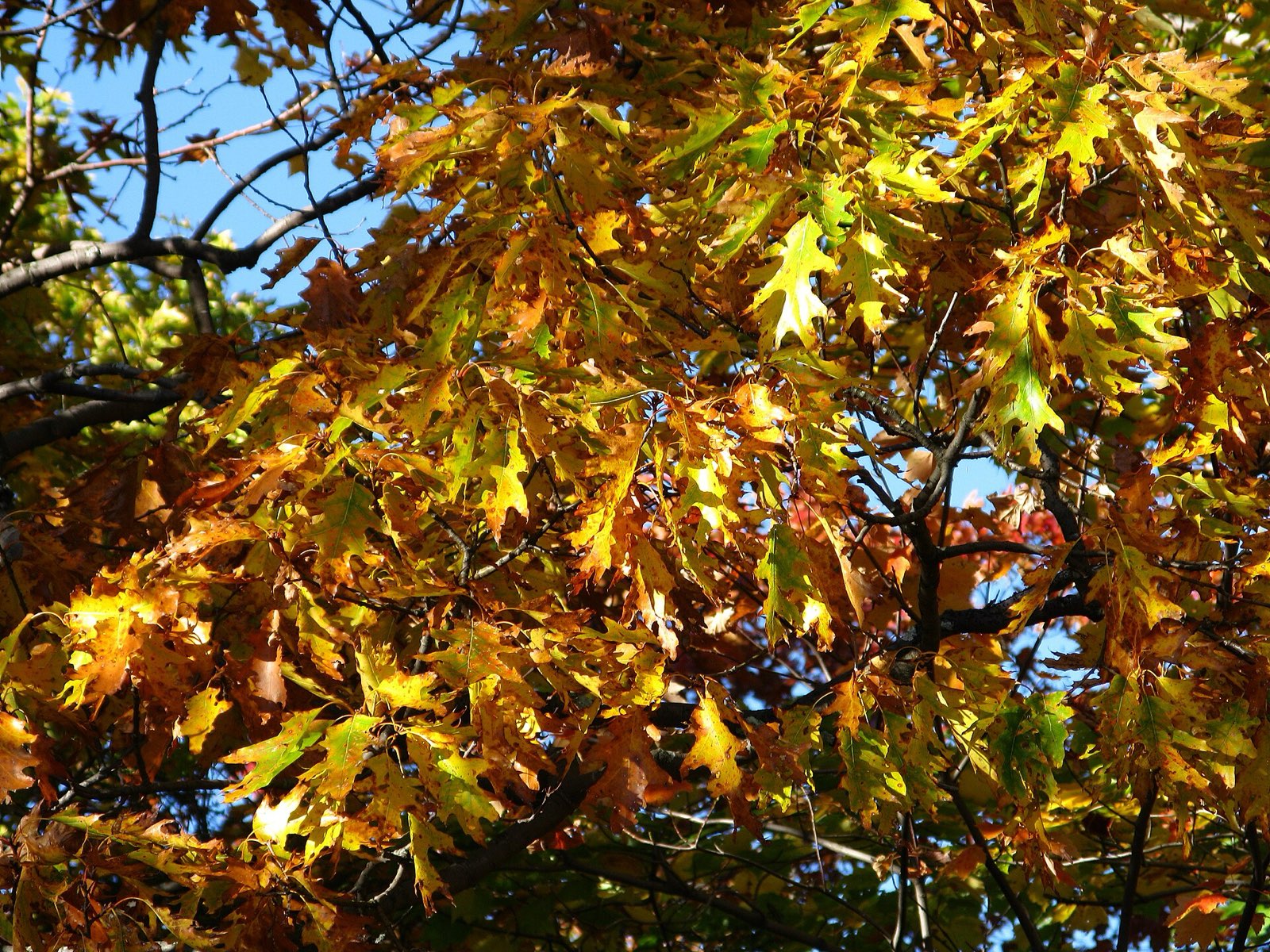
The best foliage drives in North Carolina
Blue Ridge Parkway, Asheville to Cherokee
The marquee route — plan it for the heart of the October 15–November 2 window and go midweek if you can.
Linn Cove Viaduct & Grandfather Mountain
Strong alternative when the main route backs up — similar color, a fraction of the traffic.
US 64 through the Cullasaja Gorge
The connoisseur pick: pair it with an early start for empty-road light in the first hour after sunrise.
Make it a road trip
We built the full North Carolina itinerary — 8 stops on Blue Ridge Parkway High Country: Blowing Rock to Mount Pisgah, with photo spots, stay towns, and 115 miles of route: the North Carolina fall foliage road trip →
Photographer’s notes
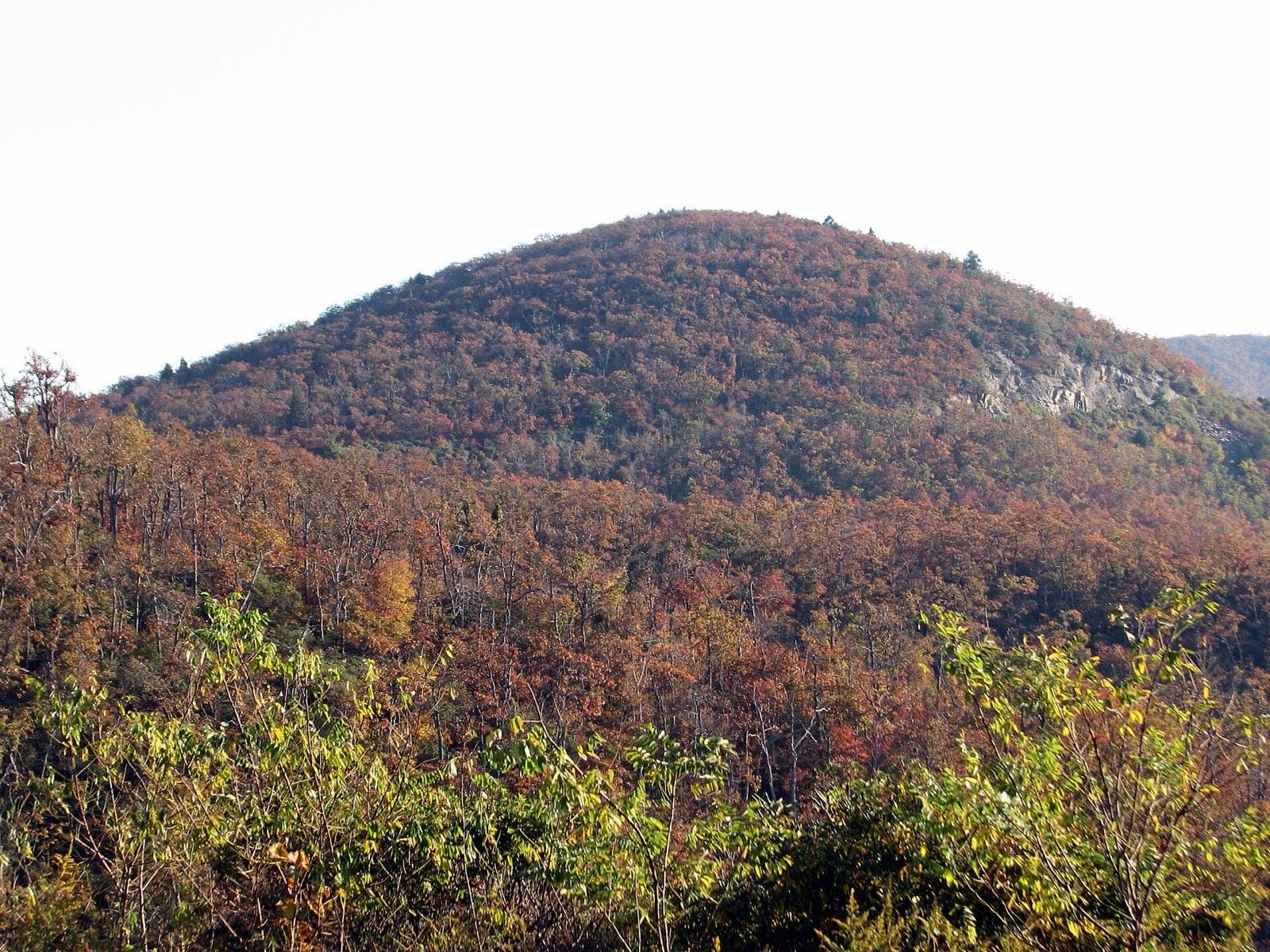
Overcast days saturate reds and oranges better than harsh sun — don’t cancel for clouds. The half-hour after sunrise gives backlit leaves their glow, and a light rain the night before deepens every color on the road. Dominant trees to look for here: oak, maple, sourwood, hickory, tulip poplar.
Planning a North Carolina leaf trip, step by step
What shifts the 2026 peak earlier or later
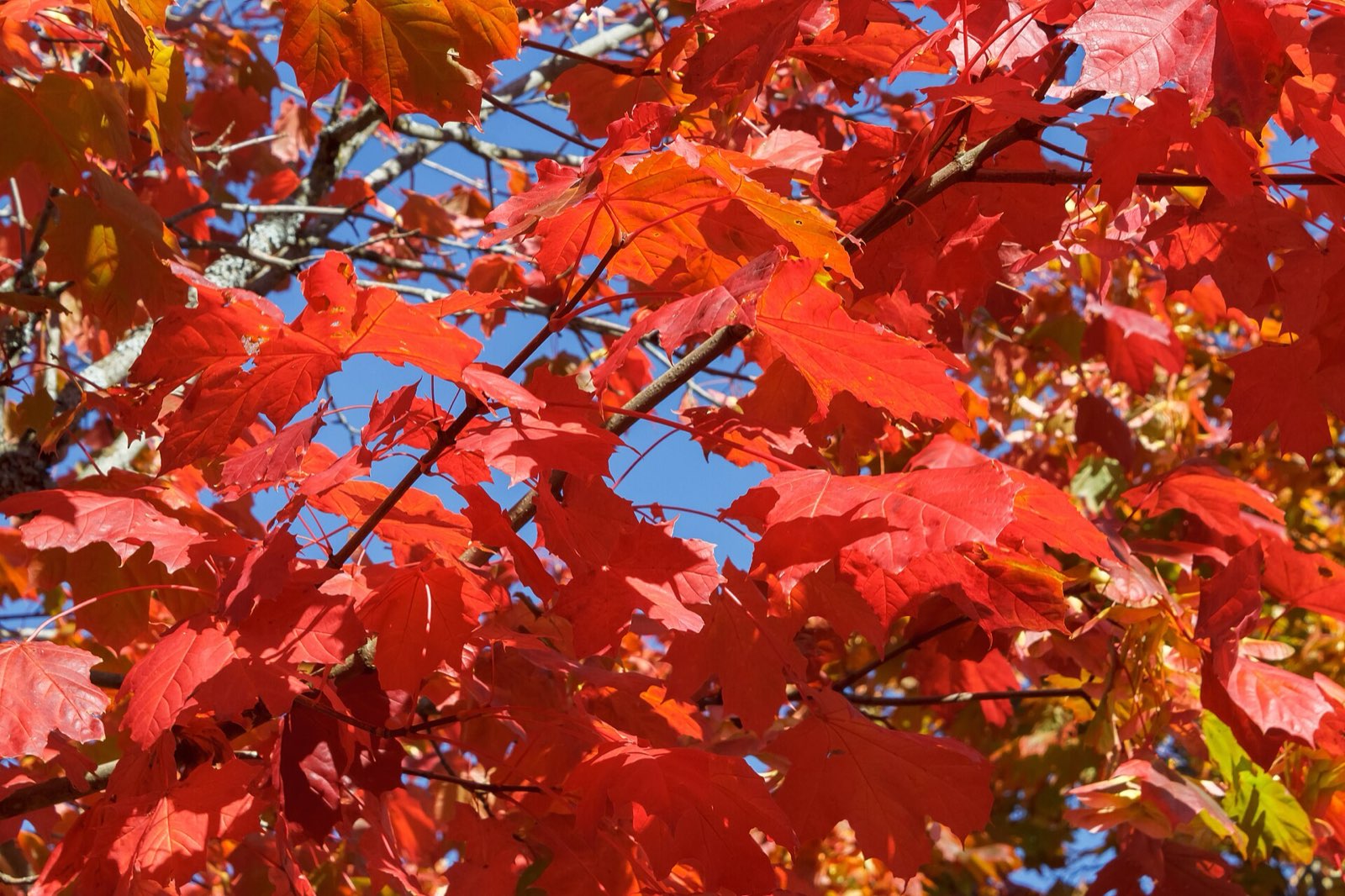
Leaf color is triggered by shortening days — that part is identical every year. Weather sets the quality and the exact week. The recipe for a spectacular season: a wet growing season, then sunny warm days with cool (not freezing) nights through September. That combination traps sugars in the leaf and builds anthocyanins — the reds and crimsons.
Drought pushes trees to turn early and drop fast; a warm autumn delays everything and mutes the reds; a hard early freeze or one good windstorm can end a local peak in 48 hours. For reference, North Carolina's typical first frost lands around October 28 — peak color usually beats it by a couple of weeks, which is exactly why the two calendars are worth planning together.
North Carolina fall foliage FAQ
Plan the rest of your North Carolina fall
More Southeast foliage forecasts
Windows are climatological typicals compiled from state tourism foliage reports, USDA Forest Service fall-color guidance, and NOAA climate normals. Any single year can run 1–2 weeks either side. National picture: where peak color is right now →