
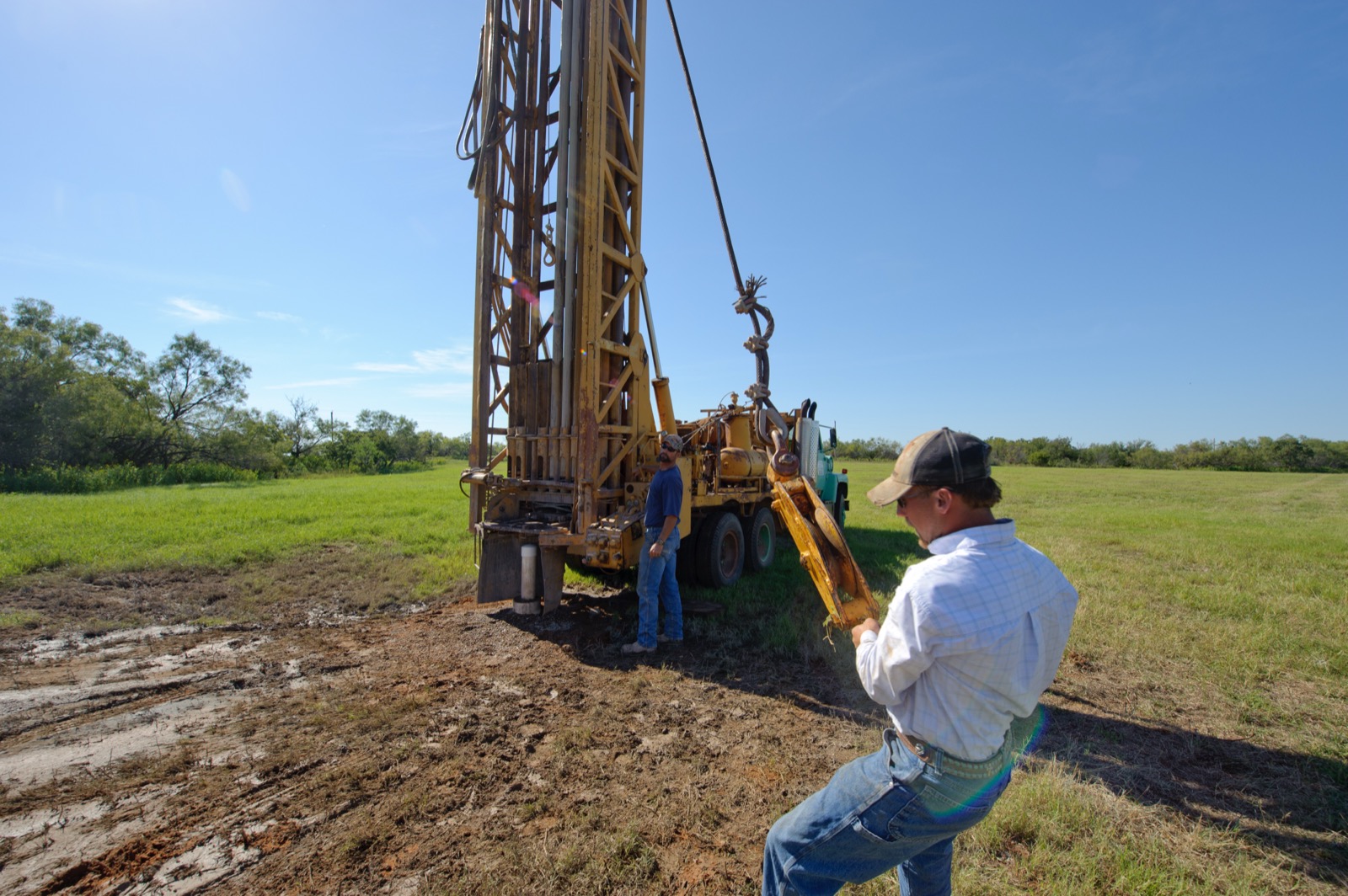
Private Well Water in Pennsylvania
In Pennsylvania a private well is the normal arrangement, not the rural exception. Enter your ZIP below to see which principal aquifers USGS maps under your county, how many neighbours USGS counted on wells, and where the state well program and testing guidance live. Every figure here is USGS's, from 2015, and none of it is a statement about your water.
27.1 percent of Pennsylvania drinks from a private well, about 3.5 million people, and no agency tests any of itWhat is under your Pennsylvania well?
USGS county estimates, 2015Pennsylvania has the largest private well population of any state, about 3.5 million people, 27.1 percent of everyone here, and it is also one of the few states with no statewide private well construction standard at all: what governs a new well is county or township rule, or nothing. Lancaster County alone carries about 238,000 well users. The state spreads across four different aquifer settings, from the folded Valley and Ridge to the Pennsylvanian coal measures.
Nobody is testing Pennsylvania's private wells
The Safe Drinking Water Act regulates community water systems. It does not regulate your well, and neither, in most respects, does Pennsylvania. There is no Consumer Confidence Report for a private well, no required sampling schedule, no violation record and no agency that would notice if something changed. EPA says it plainly:
US EPA, Private Drinking Water Wells“The quality and safety of drinking water from private domestic wells are not regulated by the Federal Government under the Safe Drinking Water Act nor by most state governments and laws.”
US EPA, Private Drinking Water Wells“Private well owners are responsible for delivering safe drinking water to their households.”
The two halves of Pennsylvania's drinking water
On a community water system
- Sampling schedule set by federal rule
- Violations reported to EPA and public
- An annual Consumer Confidence Report by law
- A primacy agency reviewing the results
On a private well, like 3.5 million people here
- No required test, ever
- No record anyone can look up
- No report in the mail
- Nobody reviewing anything
This page covers the well side. Pennsylvania drinking water quality covers the other: what EPA lists for the systems that do report, which stops at the property line of everyone on this page.
By USGS's 2015 count, Pennsylvania ranks 6 of 50 by the share of its population on self-supplied water and 1 of 50 by the raw number of people. The national share is 13.2 percent. Only 9 states clear the 25 percent line this page treats as a well state, and Pennsylvania is one of them.
Pennsylvania well water mostly comes from the Valley and Ridge aquifers
USGS attributes each county's groundwater to the principal aquifer or aquifers it draws from. A principal aquifer is USGS's own category, defined this way:
USGS, Principal Aquifers of the United States“A principal aquifer is defined as a regionally extensive aquifer or aquifer system that has the potential to be used as a source of potable (drinkable) water. For study or mapping purposes, aquifers are often combined into aquifer systems.”
Across Pennsylvania's 67 counties USGS attributed self-supplied residents to the aquifers below. Many counties carry more than one, which is why the ZIP report shows every aquifer for a county rather than picking a headline.
Valley and Ridge aquifers
self-supplied residents USGS attributed to it in Pennsylvania, across 35 counties. Nationally it supplies about 1.9 million people in 9 states.
USGS 2015Pennsylvanian aquifers
self-supplied residents USGS attributed to it in Pennsylvania, across 30 counties. Nationally it supplies about 1.7 million people in 11 states.
USGS 2015Early Mesozoic basin aquifers
self-supplied residents USGS attributed to it in Pennsylvania, across 11 counties. Nationally it supplies about 1.1 million people in 8 states.
USGS 2015Piedmont and Blue Ridge crystalline-rock aquifers
self-supplied residents USGS attributed to it in Pennsylvania, across 13 counties. Nationally it supplies about 5 million people in 11 states.
USGS 2015These counts are of people, not of wells, and they come from an estimate rather than a census. USGS built them county by county from population and water use records; there is no national well registry to count against, which is itself the point. Read a large figure as a large number of households in the county drawing from that aquifer, and nothing more precise than that.
Our summary of information published by USGS estimated groundwater withdrawals from principal aquifers, county level data for 2015
Pennsylvania well water by county
The table below is USGS's 2015 record for every county in Pennsylvania, sorted by the number of people on self-supplied water. The largest is Lancaster County at about 238,000 people. It is an inventory of use, not a ranking of anything: a county with more well users is a county where more households are on their own, which says nothing about the water in any of them.
Loading the county table from the committed USGS snapshot.
Testing a well in Pennsylvania
Here is EPA's baseline, in EPA's own words:
US EPA, Protect Your Home’s Water“Test your private well annually for total coliform bacteria, nitrates, total dissolved solids, and pH levels. If you suspect the presence of other contaminants, you should test for those also. You can also contact your local health department to find out what substances may be common in your area’s groundwater.”
US EPA, Protect Your Home’s Water“You may want to test more frequently if small children or elderly adults live in your house or if someone in your house is pregnant or nursing. These segments of the population are often more vulnerable to pollutants than others.”
Beyond that baseline the list is local, and Pennsylvania Department of Environmental Protection, private wells is where Pennsylvania publishes it. Your county health department usually knows the local answer better still, and in many states will run or subsidise the test. CDC Private Wells and EPA Protect Your Home’s Water cover the general case. Laboratory, test kit and treatment choices follow from a test result and a licensed installer, so the state program and your county health department are the next step.
What state programs typically do regulate is construction, not water: who may drill, how a well must be cased and sealed, and what record gets filed afterwards. EPA's own summary of the national picture:
US EPA, Private Drinking Water Well Programs in Your State“While most states have zero or limited regulations for private drinking water wells, states do have programs to assist well-owners.”
A note on that federal directory, checked on 2 September 2026: EPA's link for Pennsylvania is an obsolete path. The link above is the current page.
Our summary of information published by EPA Private Drinking Water Well Programs in Your State
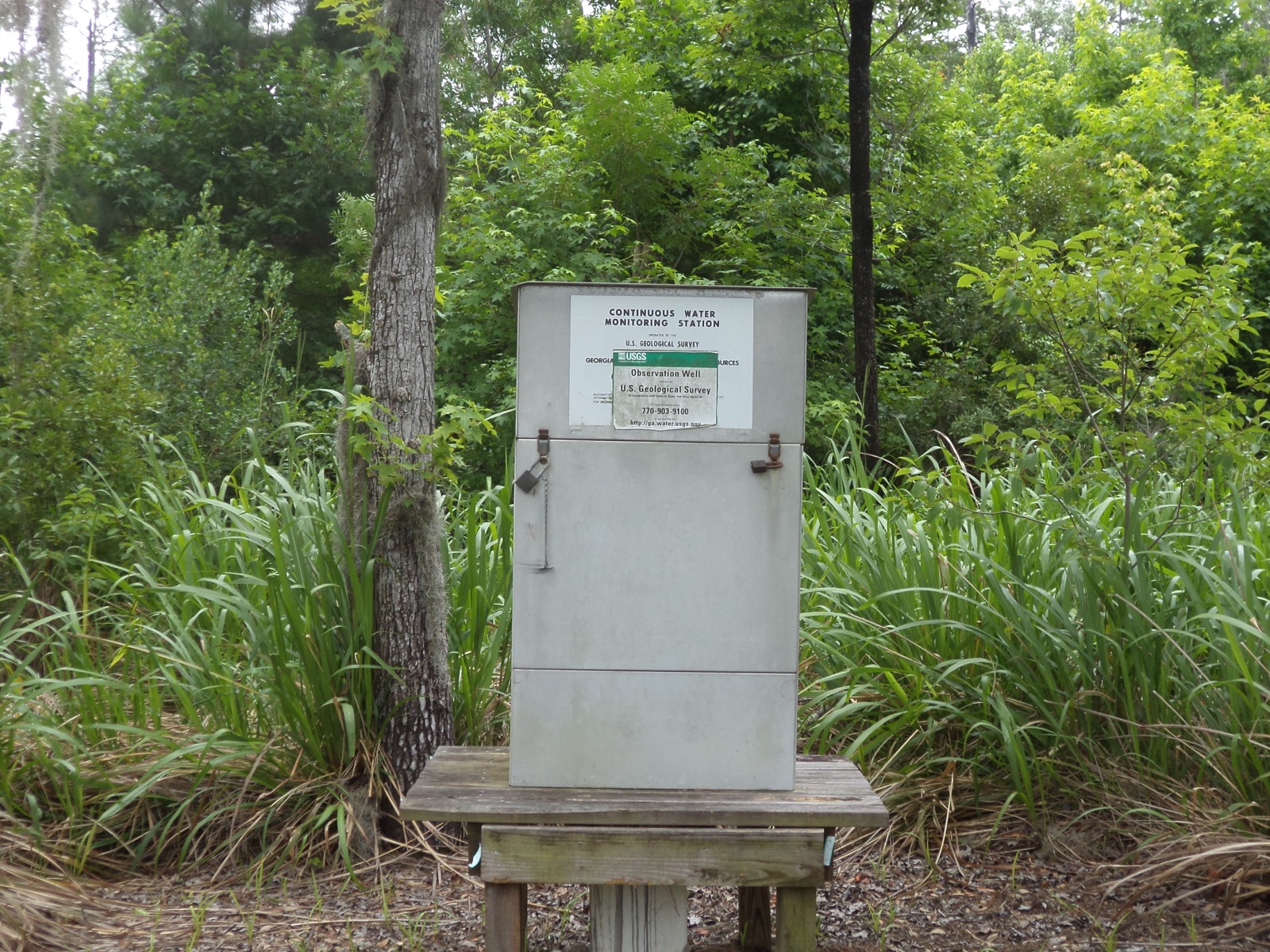
One last framing, from USGS, about why the absence of a test is not the same as the absence of a problem:
USGS, Domestic (Private) Supply Wells“Typically, the water supplied by domestic wells is not routinely tested. As a result, people using domestic-supply wells could be drinking water with elevated concentrations of some contaminants.”
Pennsylvania well water FAQ
The rest of Pennsylvania's water picture
Well water in nearby states
Population, withdrawal and aquifer figures are USGS's, from its estimated use of water in the United States county level data for 2015 (published June 2018 (v2.0)) and its estimated groundwater withdrawals from principal aquifers county level data for 2015 (published February 2020 (v1.0)). ZIP to county resolution uses the Census Bureau's ZCTA relationship file. All are US Government works in the public domain. In EPA's words: "Private well owners are responsible for delivering safe drinking water to their households." National picture: private wells in every state