
Kentucky Heating Assistance: LIHEAP
Kentucky Cabinet for Health and Family Services, Department for Community Based Services runs the federal heating grant in Kentucky. Applications run November 1 to March 15. Kentucky Cabinet for Health and Family Services takes applications community action agency.
Heating assistance in Kentucky, in one screen
Low Income Home Energy Assistance Program (LIHEAP)
- Run by
- Kentucky Cabinet for Health and Family Services, Department for Community Based Services
- The season
- Applications run November 1 to March 15.
- The income test
- The test is household income at or below 130 percent of the federal poverty level, with liquid resources under $2,000, or under $4,000 where a household member has a catastrophic illness, measured against the federal poverty level, so the qualifying figure is the same in every state that uses it and moves only with household size.
- How to apply
- Kentucky Cabinet for Health and Family Services takes applications community action agency.
- By phone
- (800) 456-3452
Low Income Home Energy Assistance Program (LIHEAP), Kentucky Cabinet for Health and Family Services
The Kentucky LIHEAP program helps approximately 150,000 Kentucky families pay their heating bills each winter. The U.S. Department of Health and Human Services allocates funding to Kentucky through the Cabinet for Health and Family Services, which contracts with Community Action Agencies across the state to receive LIHEAP applications and provide recipient benefits.Low Income Home Energy Assistance Program (LIHEAP), Kentucky Cabinet for Health and Family Services, read September 23, 2026. Read it at the source
The heating program has two parts, a subsidy paid in November and December and a crisis benefit from January to mid March; a household at or above 75 percent of poverty pays a co-payment toward the crisis. Applications go through the county Community Action Agency, not the Cabinet.
The LIHEAP income test in Kentucky
The test is household income at or below 130 percent of the federal poverty level, with liquid resources under $2,000, or under $4,000 where a household member has a catastrophic illness, measured against the federal poverty level, so the qualifying figure is the same in every state that uses it and moves only with household size.
Income is counted gross rather than after tax, and the household is everyone living at the address rather than everyone on the lease. Most states count the last thirty days or the last twelve months, not last year’s tax return, which means a household whose hours were cut in October can qualify in November on a year that looks too high on paper. Apply and let the agency do the arithmetic rather than ruling yourself out.
The subsidy component operates in November and December to help residents at or below 130 percent of the federal poverty level pay home heating costs for which they are responsible either by direct payment or as an undesignated portion of their rent.Low Income Home Energy Assistance Program (LIHEAP), Kentucky Cabinet for Health and Family Services, read September 23, 2026. Read it at the source
The crisis route in Kentucky
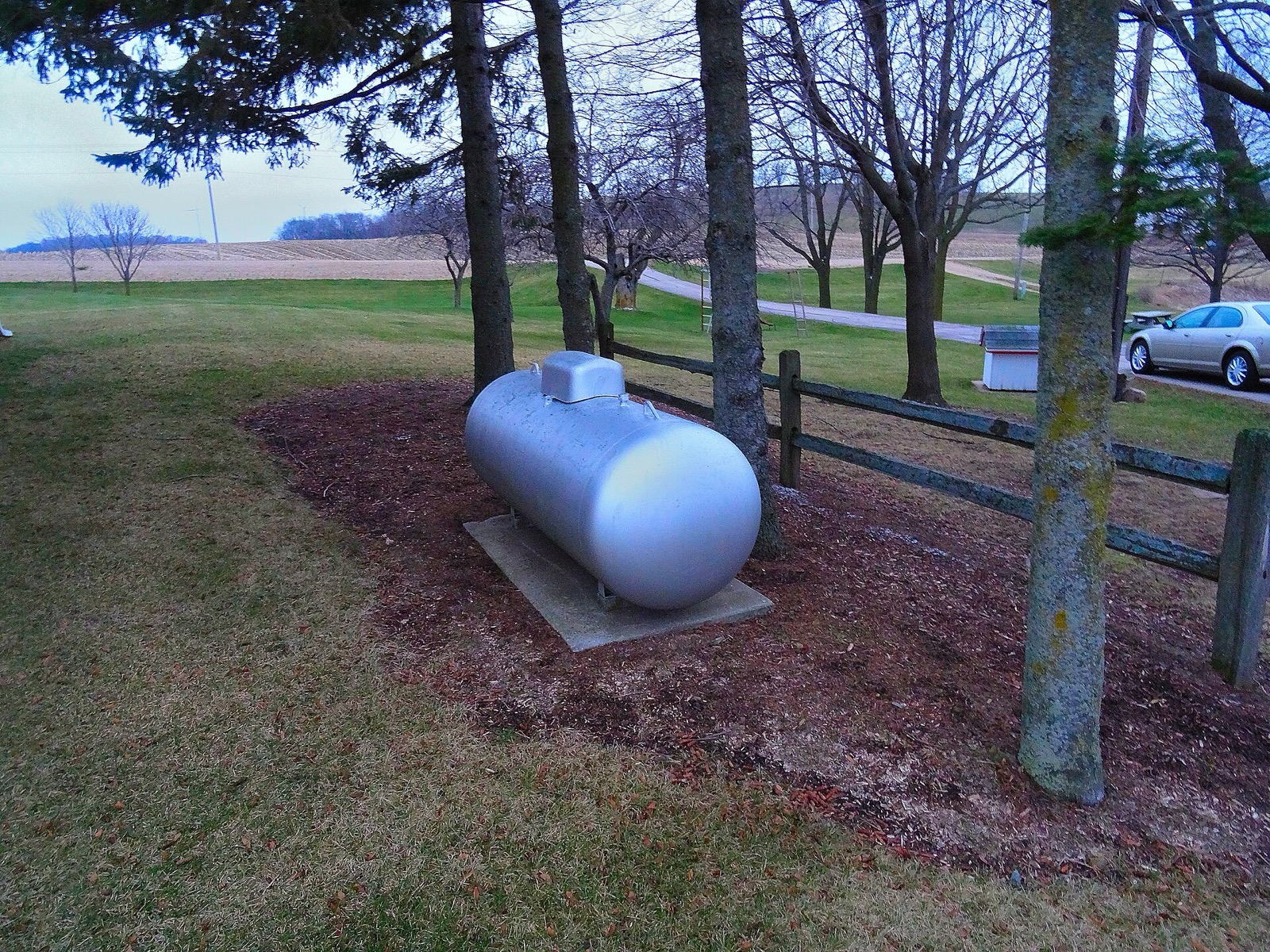
The crisis component runs from early January to mid March for a household facing imminent loss of heat, with a disconnect notice, four or fewer days of fuel, or an eviction notice for unpaid rent that includes heat.
A crisis application and a regular one are different transactions on different clocks. A household with a disconnection notice, an empty tank or a dead furnace should start with this one, say plainly on the call what the emergency is, and have the notice or the delivery ticket to hand.
The crisis component of LIHEAP operates from early January until the middle of March or until all funds are expended. Clients must meet the criteria listed above and be in a crisis situation involving imminent loss of heating energy (applicants must provide a utility disconnect notice); have four or fewer days of fuel oil, propane, kerosene, wood or coal available; or have received an eviction notice citing unpaid rentLow Income Home Energy Assistance Program (LIHEAP), Kentucky Cabinet for Health and Family Services, read September 23, 2026. Read it at the source
Whether Kentucky also stops the utility disconnecting
Once the household files, Nov 1 to Mar 31
The two are separate: a heating grant is money and a shutoff rule is a restriction on the company. In several states an approved grant application is itself what satisfies the filing the shutoff rule asks for, which makes applying worth doing even for a household that thinks the grant will not cover much. The full rule, with Kentucky Public Service Commission’s own words, is on the Kentucky winter shutoff page.
Making the house cheaper to heat in Kentucky
Kentucky runs Weatherization Assistance Program (WAP) through Kentucky Housing Corporation. It pays for the insulation and the air sealing rather than the bill, which is the only part of this that lowers next winter as well as this one.
Households that meet the income guidelines (at or below 200 percent of the poverty level) and have not received weatherization assistance on or after a rolling calendar date of 15 years, are eligible for weatherization services. The WAP is delivered to individuals across the state by Community Action Agencies.Kentucky Housing Corporation, read September 23, 2026. Read it at the source
In most states a household approved for the heating grant is automatically income eligible for weatherization, so the same paperwork does both. The waiting list is usually long and the work is usually free, which is a combination worth joining early rather than in the week it is needed.
Kentucky heating assistance questions
Heating assistance in other states
Kentucky read September 23, 2026 from Low Income Home Energy Assistance Program (LIHEAP), Kentucky Cabinet for Health and Family Services, linked above. Opening dates, income limits and benefit amounts are set each program year and the agency can change them mid season, so the page linked above is the one that governs. Every state is on the heating assistance hub.