
Hummingbird Migration in Rhode Island: 2026 Timing
Arrivals ~April 22 · peak departure ~September 14 · feeders down ~October 20.
Departure underway — stragglers through October 6The Rhode Island hummingbird season at a glance
Live · updates dailyRhode Island's ocean-tempered coast keeps nectar flowers blooming late — southbound migrants linger here longer than inland New England.
Hummingbird dates for your exact ZIP
The dates above are for Rhode Island as a whole. Enter a ZIP code for the arrival, departure and feeder dates at that location:
How the Rhode Island season unfolds
Arrival · April 22 males first
Adult males arrive ahead of females to claim territory. Have feeders out 1–2 weeks before April 22 — the earliest birds arrive depleted, and a ready feeder can anchor them to your yard for the season.
Nesting · May 8 onward quiet weeks
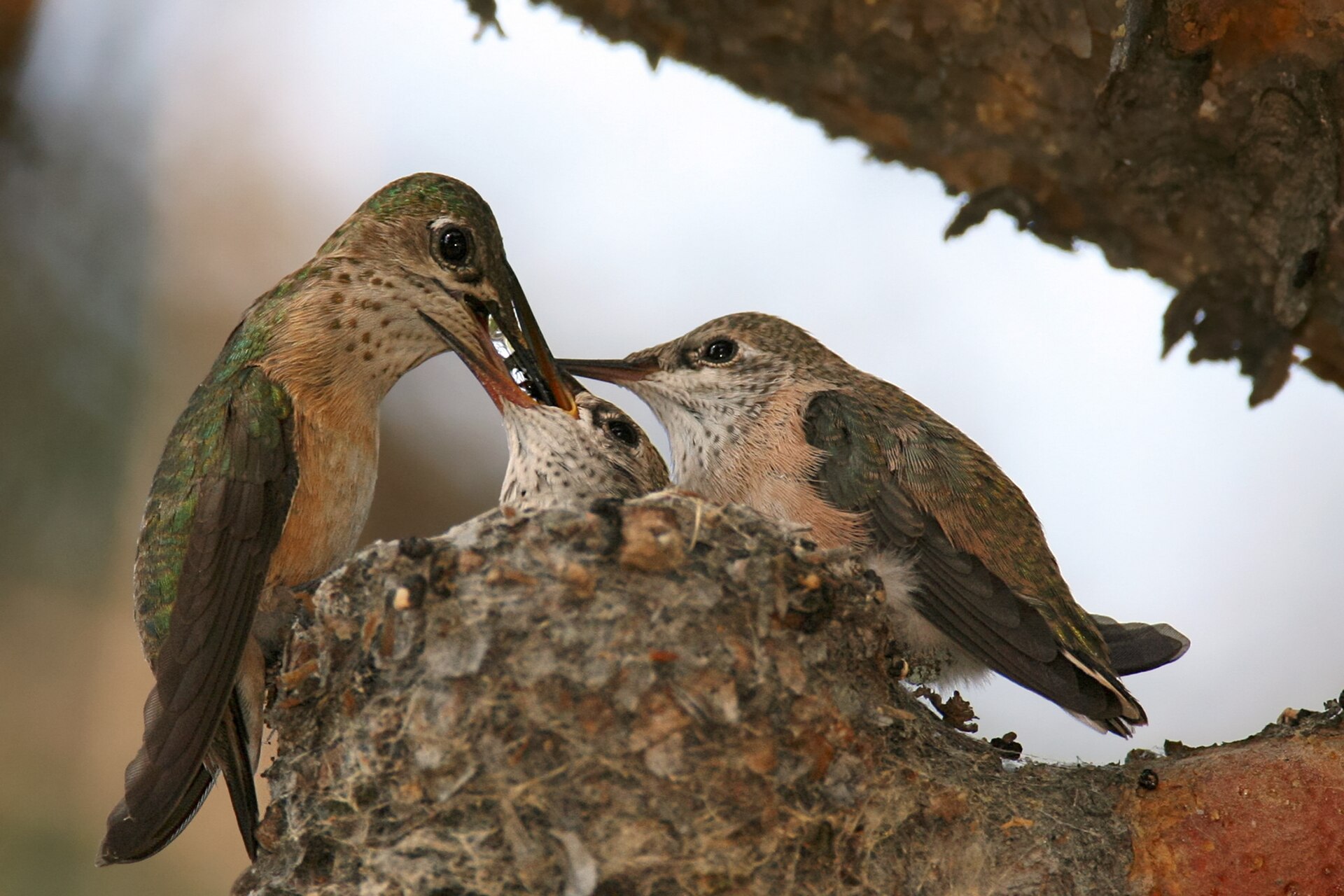
Feeder traffic often dips while females nest — they're eating small insects for protein and staying close to the nest. The birds haven't left; they're busy. Keep nectar fresh through the lull.
The rush · August 20–September 14 peak chaos
The best feeder weeks of the year: local families plus southbound migrants stack up together, all trying to double their body weight for the trip. A busy yard can drain a feeder daily. Adult males slip out first.
Last calls · through October 6 stragglers
Juveniles and late movers trickle through until October 6. Leave feeders up until October 20 — about two weeks past the typical last bird — as a refueling stop for stragglers.
Hummingbird species in Rhode Island
| Species | Status in Rhode Island |
|---|---|
| Ruby-throated Hummingbird | breeding, late April–early October |
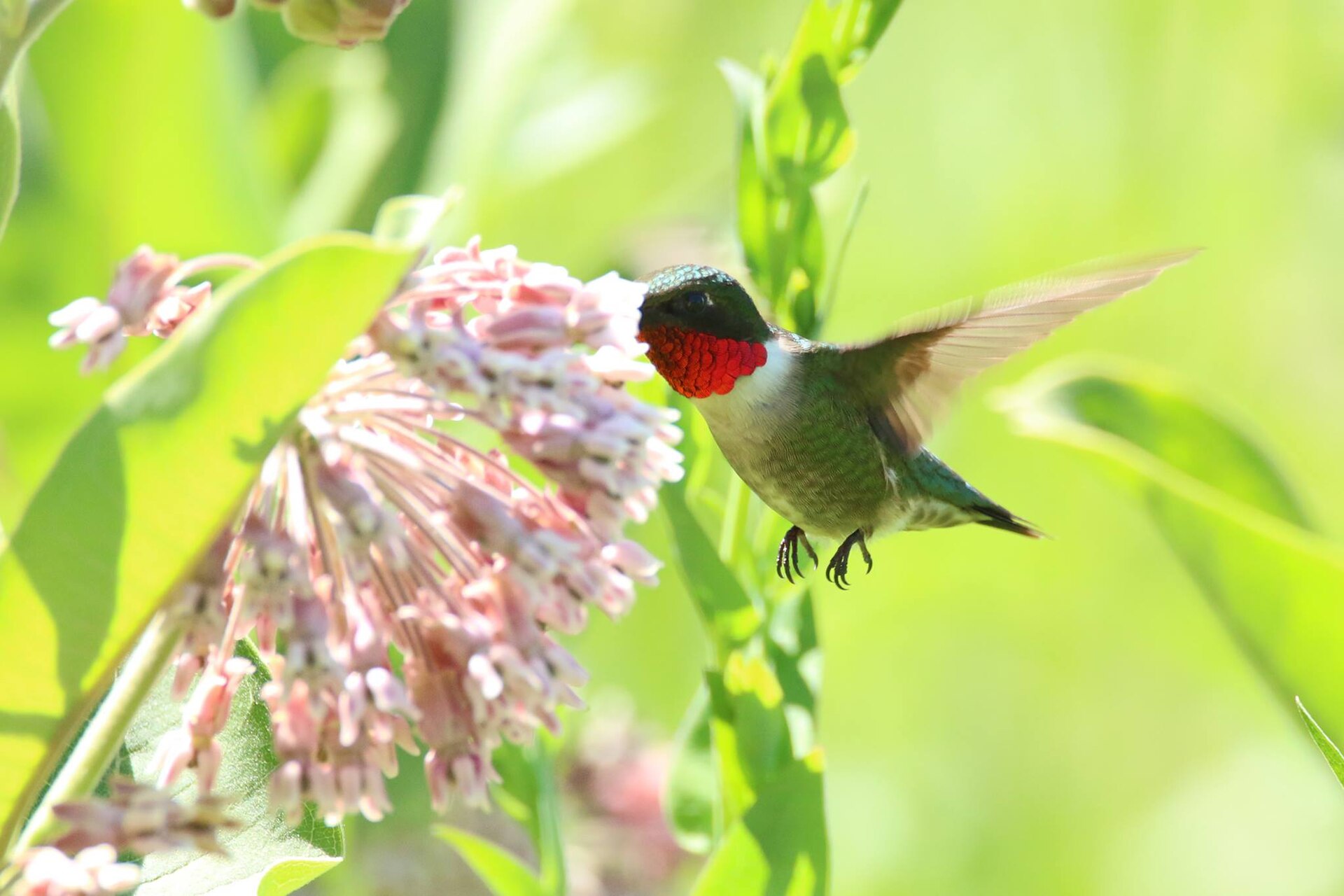
East of the Great Plains, the ruby-throated hummingbird carries the entire show — the only breeding hummingbird in the eastern US, wintering in Mexico and Central America, with many crossing the Gulf of Mexico in a single 18–22 hour nonstop flight.
Feeding Rhode Island’s hummingbirds, done right
The only recipe
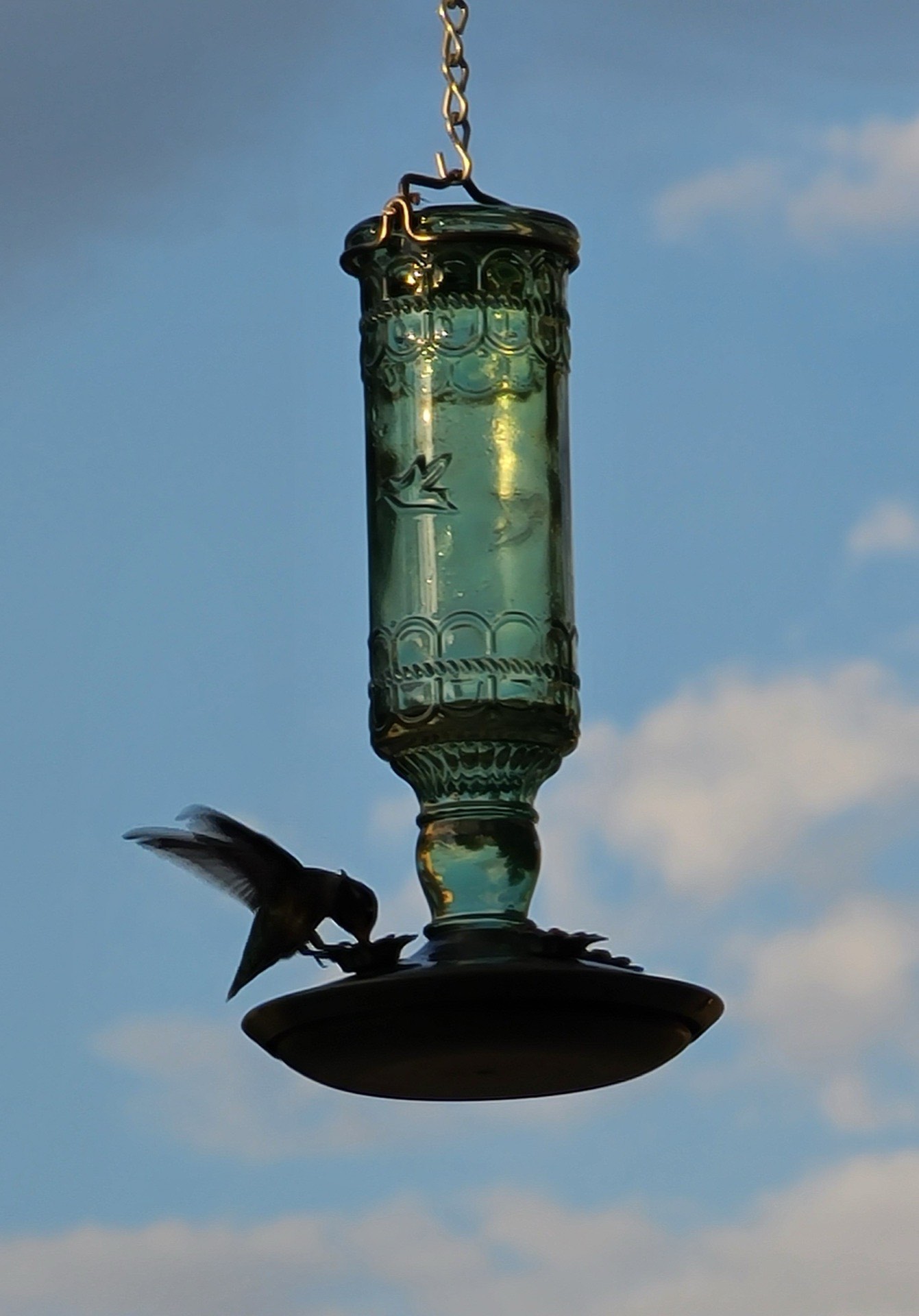
1 part white sugar : 4 parts water. Nothing else — no red dye, no honey (it ferments into toxins), no substitutes. Red on the feeder does the attracting.
Keep it clean
Change nectar every 2–3 days in warm weather and rinse with hot water each refill. Cloudy nectar or black mold can be lethal — when in doubt, dump it.
The calendar
Hang feeders around April 10 (about two weeks before first arrivals); take them down around October 20. Migration runs on day length, so a feeder never delays a bird.
Your Rhode Island feeder calendar
Every date below is computed from Rhode Island’s own arrival and departure anchors — no generic advice, these are your dates:
| Feeder task | Typical Rhode Island date | Why then |
|---|---|---|
| Hang feeders | April 10 | ~2 weeks before first arrivals (April 22) — early males arrive depleted |
| Expect the nesting lull | May 8 onward | Females switch to insects; traffic dips but the birds haven’t left |
| Add a second feeder | August 6 | ~2 weeks before departures begin — migrants stack on top of locals |
| Peak nectar demand | August 20 – September 14 | Birds double body weight for the trip; busy yards drain a feeder daily |
| Take feeders down | October 20 | ~2 weeks after the last stragglers (October 6) |
Plant a yard in Rhode Island they’ll fight over
Feeders are the appetizer; flowers and the small insects they attract are the meal. These eastern natives carry a yard through the August 20–October 6 migration crush:
- Jewelweed (the #1 wild migration fuel)
- Cardinal flower
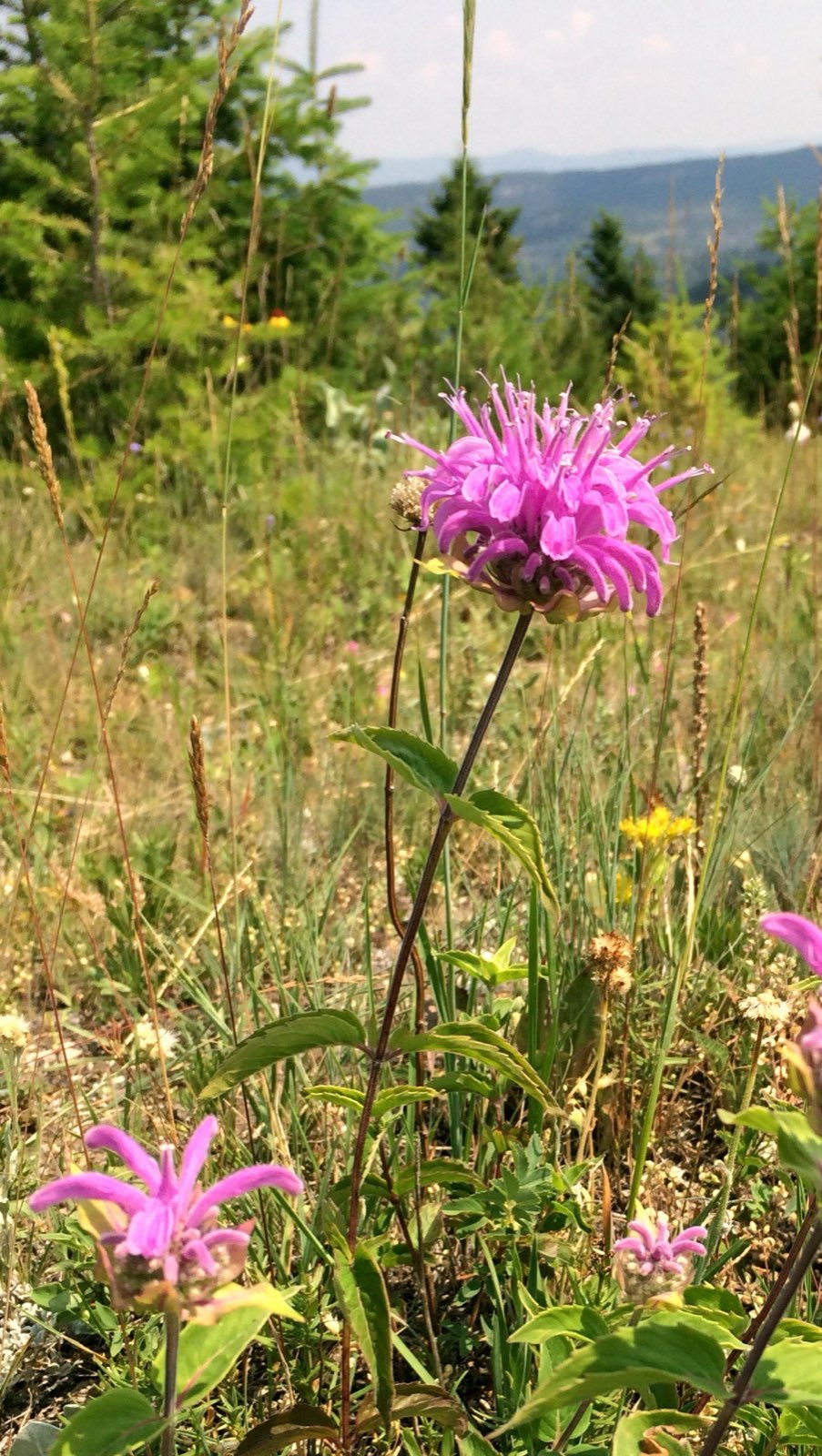
- Bee balm (Monarda)
- Trumpet honeysuckle
- Salvia — annual and perennial
Skip pesticides where you can — hummingbirds feed heavily on gnats, fruit flies, and spiders, especially females raising young.
Rhode Island hummingbird FAQ
The rest of your backyard season
More Northeast hummingbird timing
Windows compiled from Journey North citizen-science records, eBird seasonal abundance, and Audubon/USFWS range data; individual years shift ±1–2 weeks with weather. National picture: where the birds are right now →