
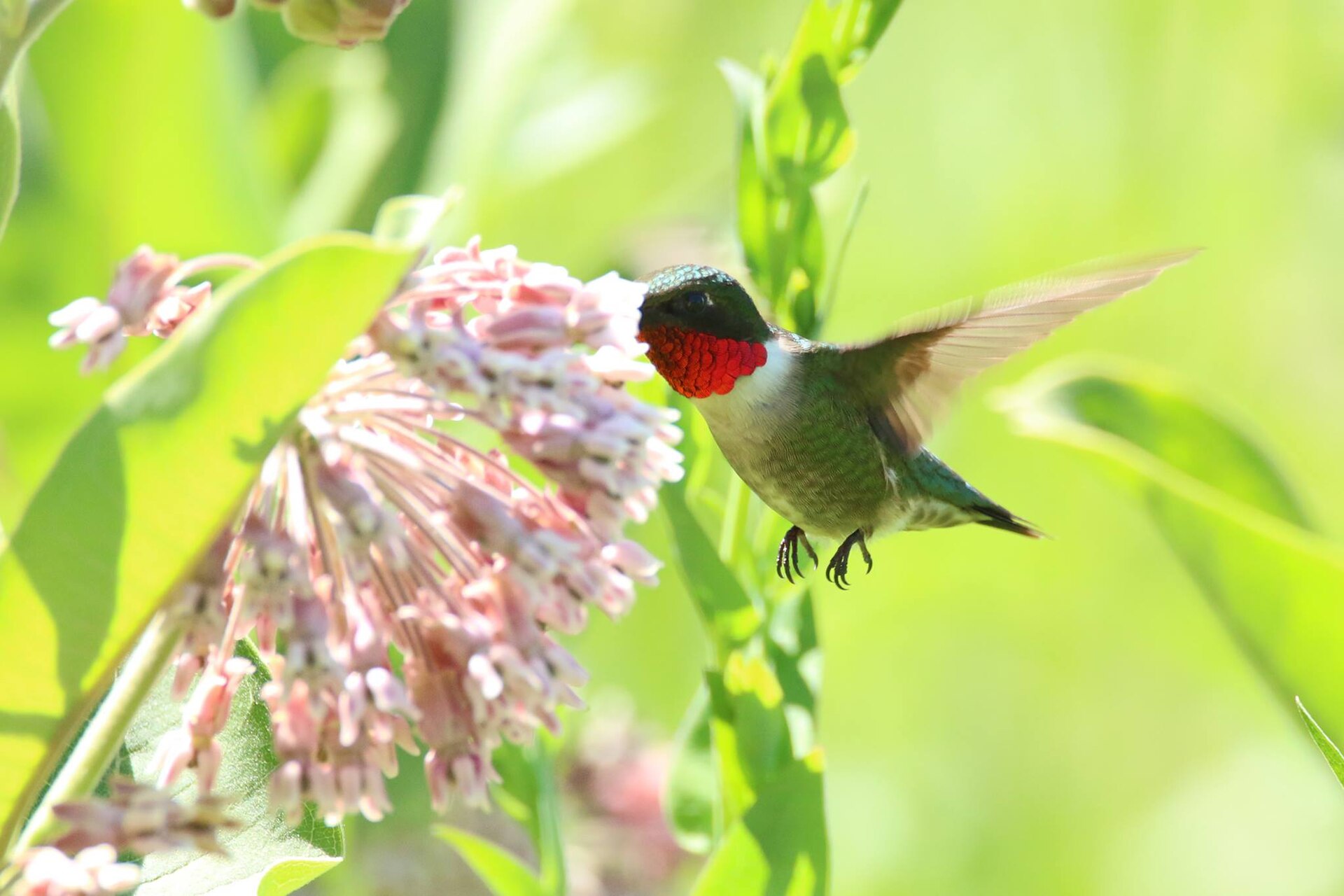
Hummingbird Migration in Texas: 2026 Timing
Arrivals ~March 5 · peak departure ~September 25 · keep feeders up all winter — winter hummingbird state.
Departure underway — stragglers through November 10The Texas hummingbird season at a glance
Live · updates dailyRockport's HummerBird Celebration marks the September spectacle: thousands of ruby-throats staging on the Coastal Bend before crossing the Gulf.
Hummingbird dates for your exact ZIP
The dates above are for Texas as a whole. Enter a ZIP code for the arrival, departure and feeder dates at that location:
How the Texas season unfolds
Arrival · March 5 males first
Adult males arrive ahead of females to claim territory. Have feeders out 1–2 weeks before March 5 — the earliest birds arrive depleted, and a ready feeder can anchor them to your yard for the season.
Nesting · March 25 onward quiet weeks
Feeder traffic often dips while females nest — they're eating small insects for protein and staying close to the nest. The birds haven't left; they're busy. Keep nectar fresh through the lull.
The rush · September 10–September 25 peak chaos
The best feeder weeks of the year: local families plus southbound migrants stack up together, all trying to double their body weight for the trip. A busy yard can drain a feeder daily. Adult males slip out first.
Last calls · through November 10 stragglers
Migrants taper off, but this is a winter-hummingbird state: keep at least one feeder clean and full all winter and you may host a rare western species in December.
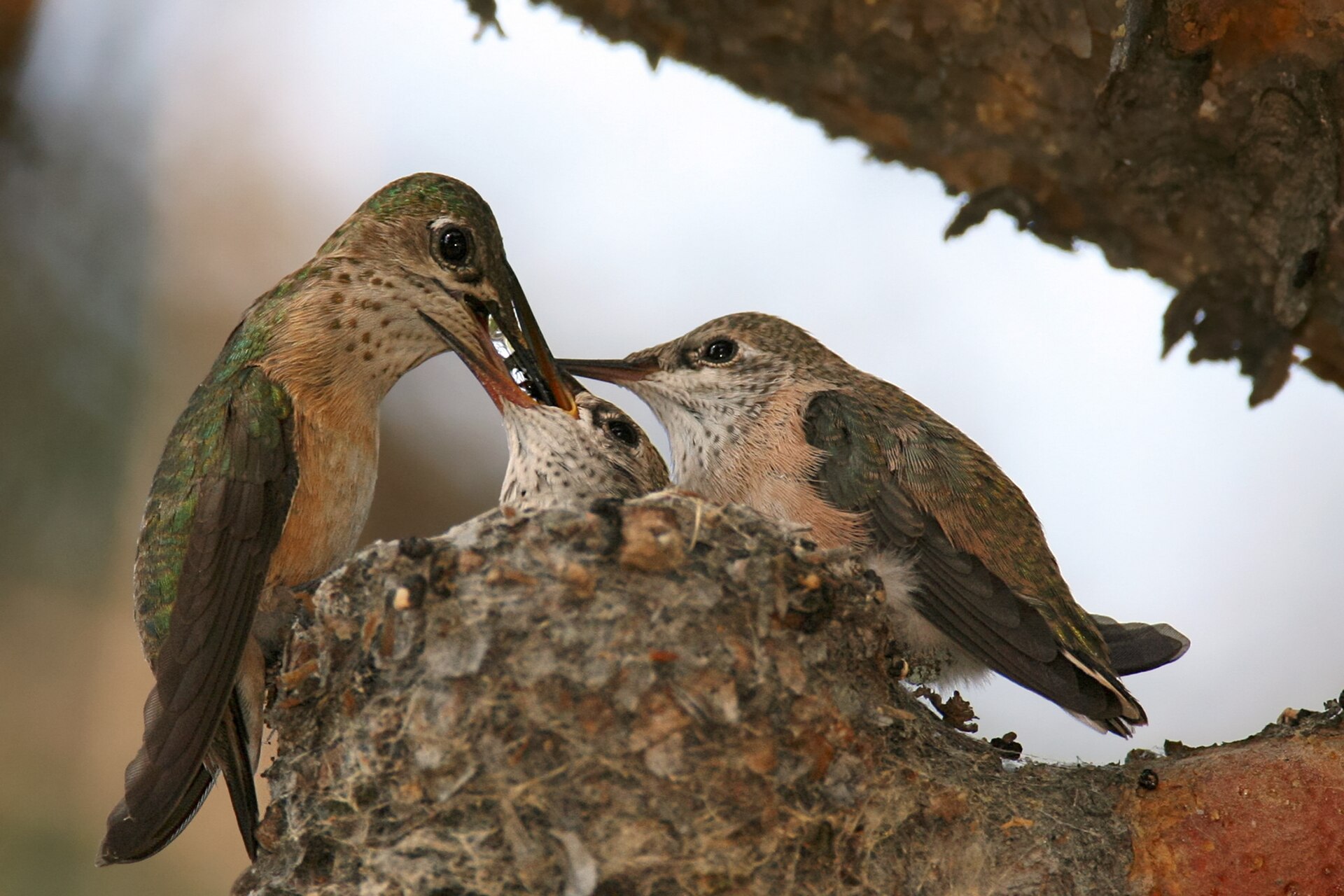
Hummingbird species in Texas
| Species | Status in Texas |
|---|---|
| Black-chinned Hummingbird | breeding, central & west |
| Ruby-throated Hummingbird | breeding east + huge September staging |
| Buff-bellied & Rufous | coastal, incl. winter |
The West runs a relay of species rather than a single act — resident breeders hold territories while rufous and calliope migrants pour through on the Rocky Mountain corridor in late summer, briefly stacking three or four species at one feeder.
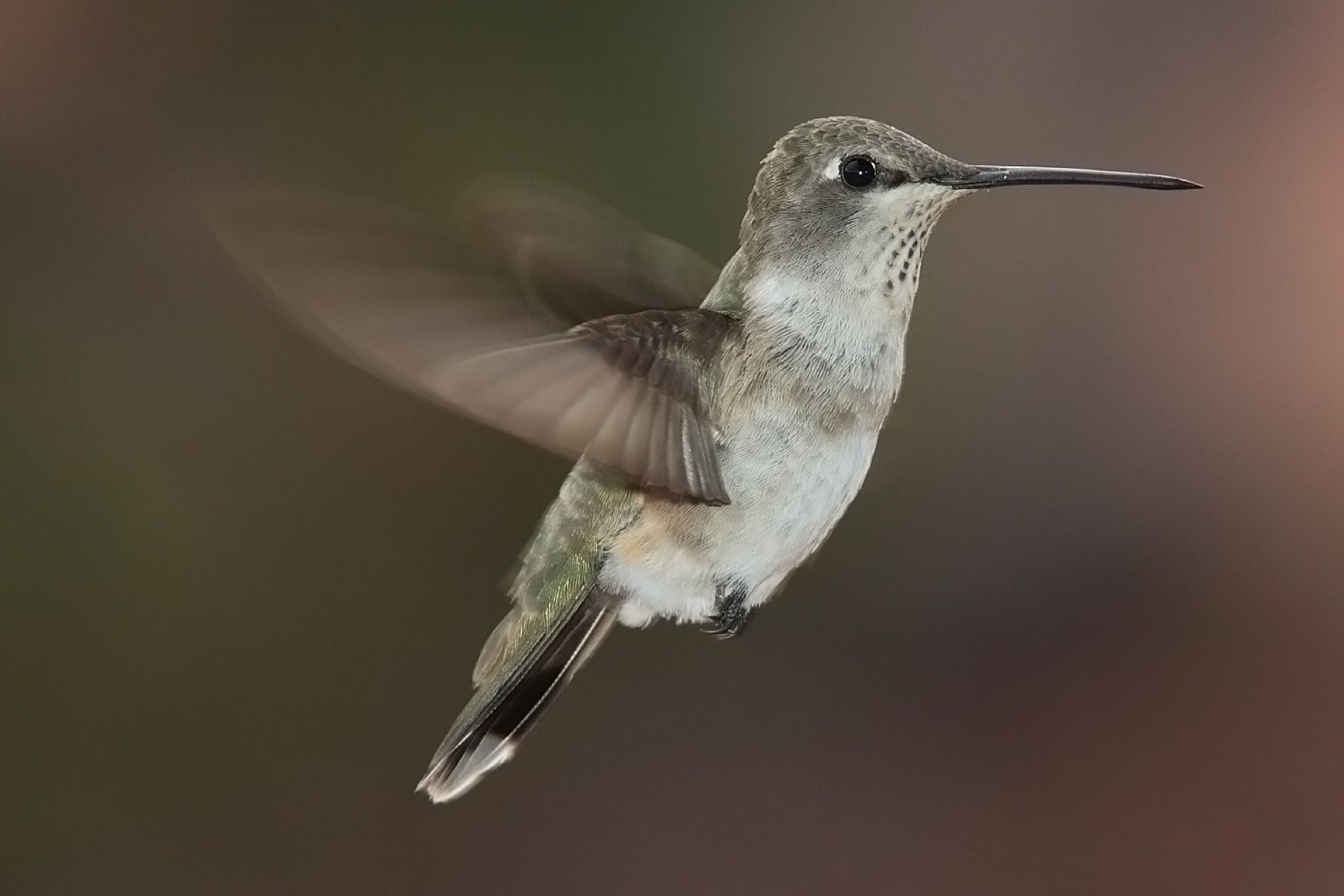
Feeding Texas’s hummingbirds, done right
The only recipe
1 part white sugar : 4 parts water. Nothing else — no red dye, no honey (it ferments into toxins), no substitutes. Red on the feeder does the attracting.
Keep it clean
Change nectar every 2–3 days in warm weather and rinse with hot water each refill. Cloudy nectar or black mold can be lethal — when in doubt, dump it.
The calendar
Hang feeders around February 21 (about two weeks before first arrivals); leave at least one up all winter. Migration runs on day length, so a feeder never delays a bird.
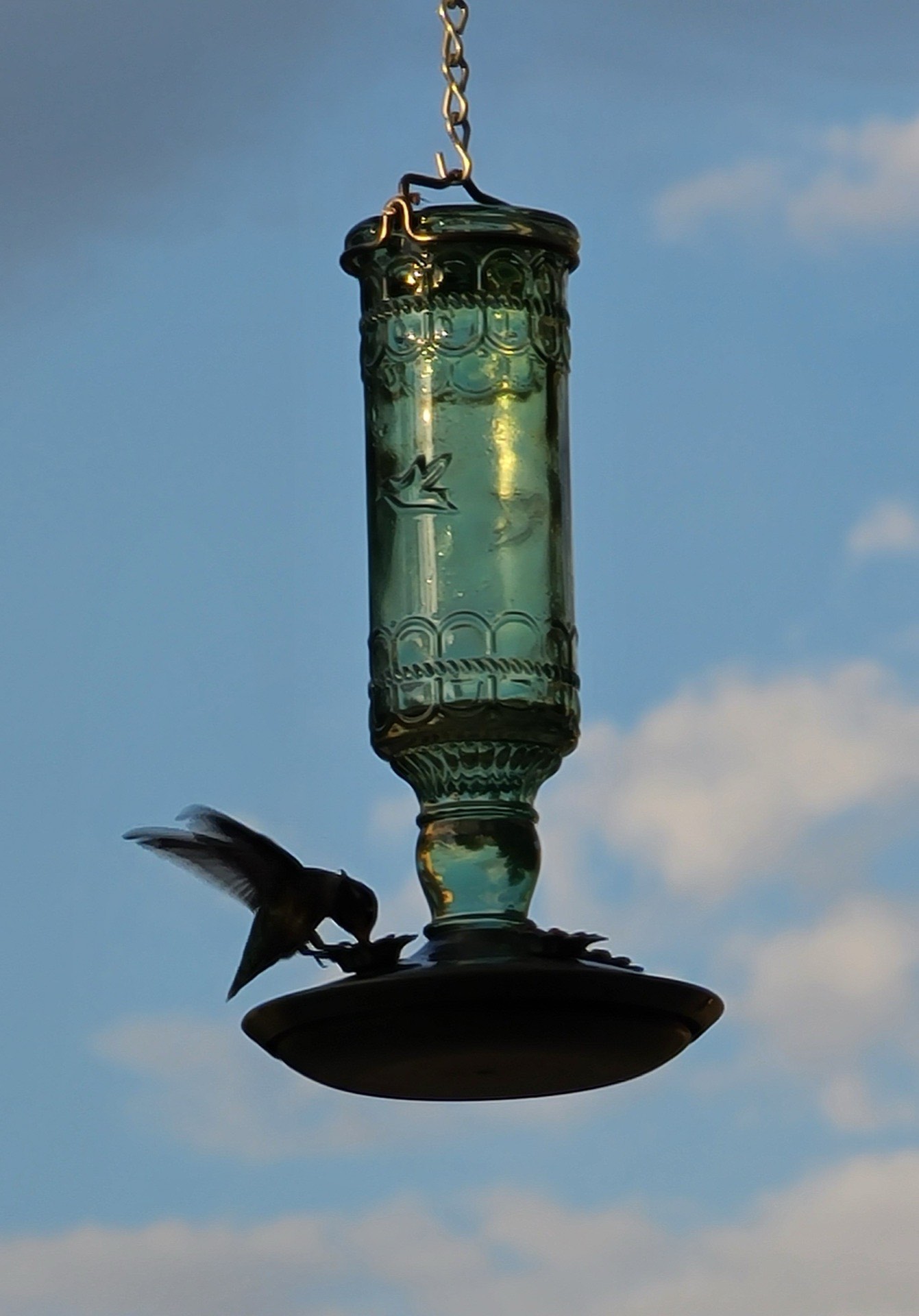
Your Texas feeder calendar
Every date below is computed from Texas’s own arrival and departure anchors — no generic advice, these are your dates:
| Feeder task | Typical Texas date | Why then |
|---|---|---|
| Hang feeders | February 21 | ~2 weeks before first arrivals (March 5) — early males arrive depleted |
| Expect the nesting lull | March 25 onward | Females switch to insects; traffic dips but the birds haven’t left |
| Add a second feeder | August 27 | ~2 weeks before departures begin — migrants stack on top of locals |
| Peak nectar demand | September 10 – September 25 | Birds double body weight for the trip; busy yards drain a feeder daily |
| Winter protocol | Never | Winter hummingbird state — one clean, full feeder year-round |
Plant a yard in Texas they’ll fight over
Feeders are the appetizer; flowers and the small insects they attract are the meal. These western natives carry a yard through the September 10–November 10 migration crush:
- Penstemon (beardtongue)
- Salvia and autumn sage
- Scarlet gilia
- Agastache (hummingbird mint)
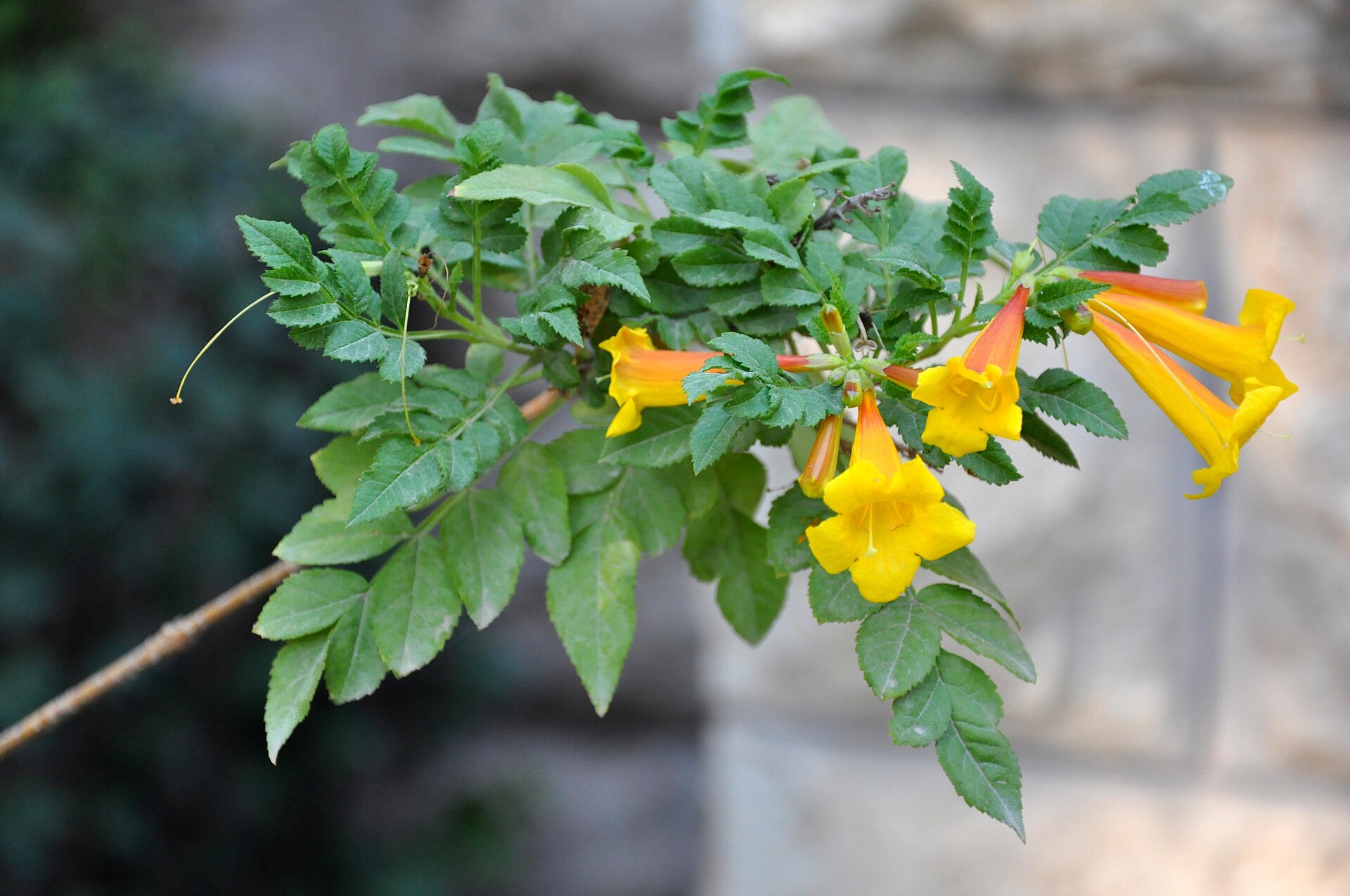
- Desert willow / ocotillo (Southwest)
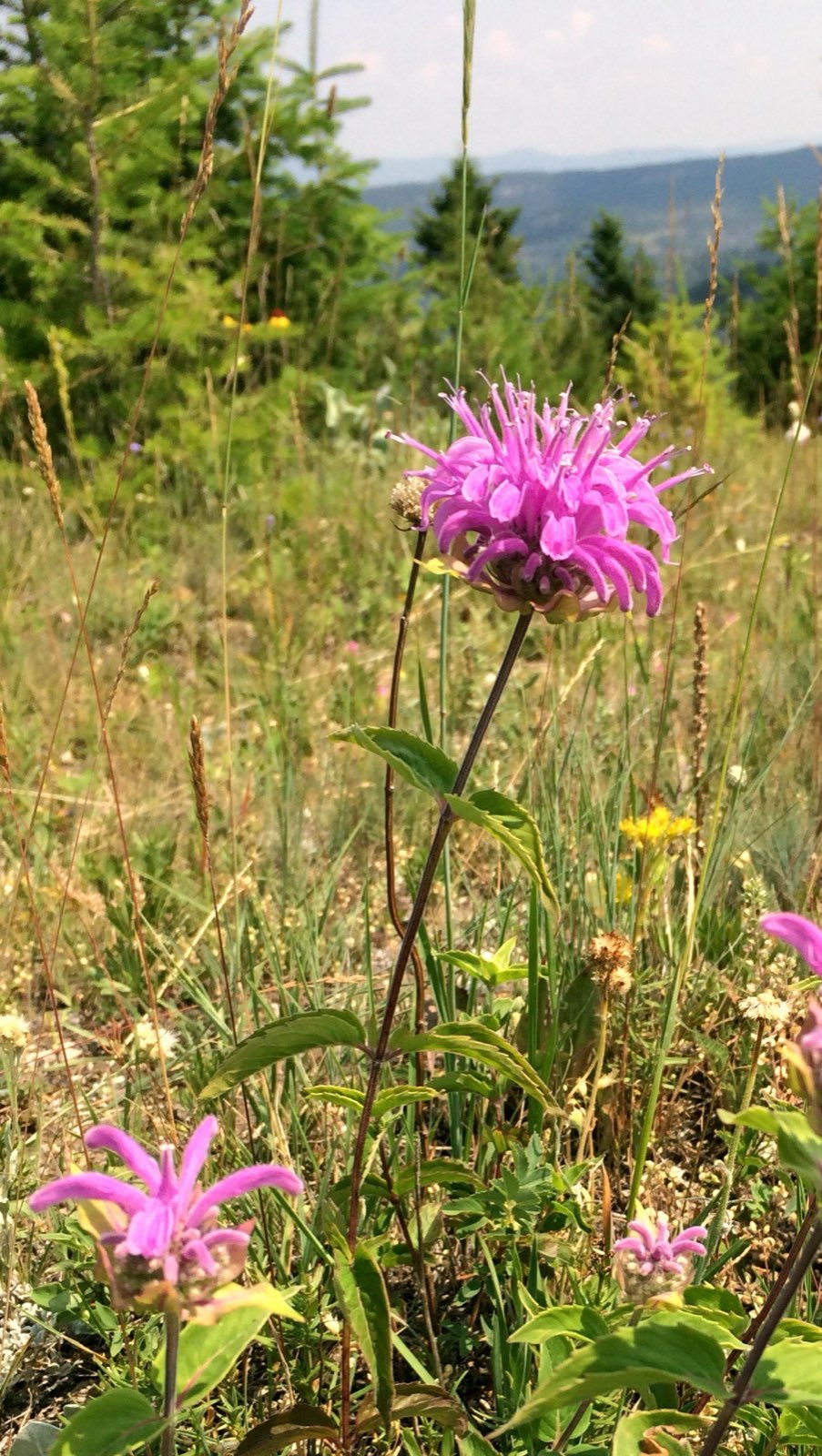
Skip pesticides where you can — hummingbirds feed heavily on gnats, fruit flies, and spiders, especially females raising young.
Texas hummingbird FAQ
The rest of your backyard season
More Southwest hummingbird timing
Windows compiled from Journey North citizen-science records, eBird seasonal abundance, and Audubon/USFWS range data; individual years shift ±1–2 weeks with weather. National picture: where the birds are right now →