
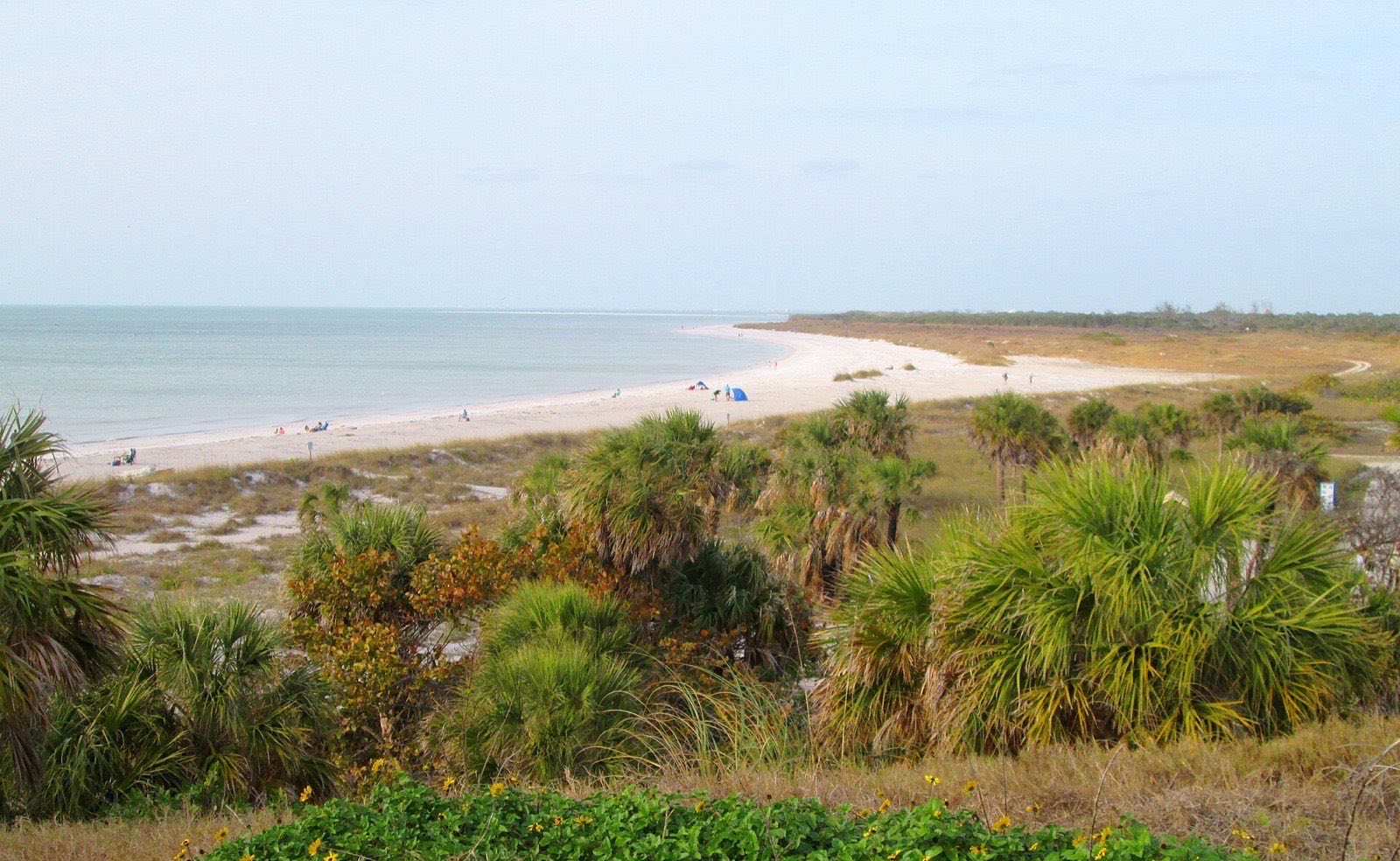
California Red Tide Status
What CDPH Marine Biotoxin Monitoring Program is reporting today, reproduced as issued, and when blooms normally happen on this coast.
California bloom season normally runs May 1 to October 31California bloom status at a glance
Agency directoryCalifornia does not get Florida style red tide. What it gets is biotoxin in shellfish, and the agency response is a calendar rather than a map: a statewide quarantine on sport harvested mussels every year from May 1 to October 31, which CDPH can start early or extend. That makes California the most predictable state on these pages and the one where a page is most useful months ahead.
What the agencies are reporting in California right now
Every value below is reproduced from the agency that issued it, exactly as that agency wrote it, with the time attached. On a health subject the official category is the answer, and it can change from one sampling site to the next a few miles down the same coast.
Current California status is published by CDPH Marine Biotoxin Monitoring Program on its own site. It and the other agencies listed further down are where to check before you go.
When blooms normally happen in California
“The annual quarantine is normally in effect from May 1 through October 31. However, the California Department of Public Health (CDPH) may begin the quarantine early, or extend it, if monitoring results indicate the presence of dangerous levels of biotoxins outside of the normal quarantine period.”California Department of Public Health, source
CDPH says the May to October quarantine period encompasses more than 99 percent of all PSP illnesses and deaths reported in California since 1927, which is about as clear a seasonal signal as any agency on these pages publishes. It also says outright that you should never assume mussels are safe outside it.
How often the agency samples
“CDPH maintains a year-round monitoring program for these toxins in shellfish, as well as for the phytoplankton species that produce these toxins.”California Department of Public Health, source
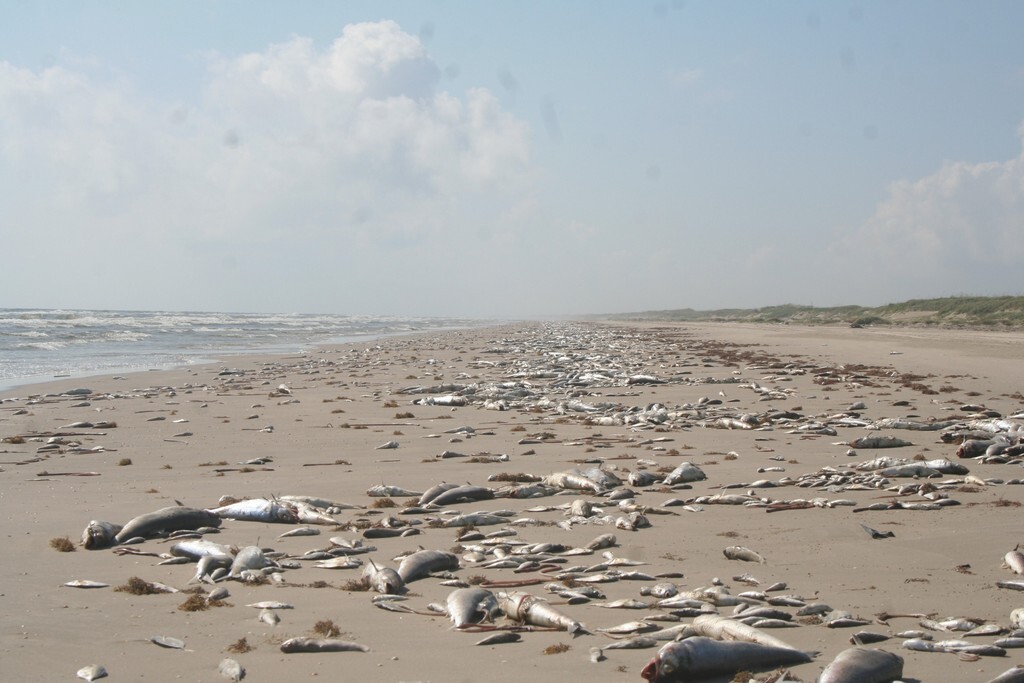
The sentence CDPH Marine Biotoxin Monitoring Program most wants you to read
Reproduced verbatim, in the agency’s own words.
“You should never assume that sport-harvested mussels are safe to eat when the annual quarantine is not in effect. The toxins can occur at any time, which is why CDPH continues to monitor for them throughout the year.”California Department of Public Health, source
Which part of the California coast, and what you would notice
What people actually notice
- The calendar rather than the water: the California quarantine is a fixed annual window that CDPH can extend, and none of it is visible from the beach
- Sea lions in distress on the sand, which is the sign most often associated with domoic acid events on this coast
- A CDPH advisory naming your county, which is issued separately from the statewide quarantine and can arrive at any time of year
- Nothing at all, which is the point: CDPH states that toxins can occur at any time and that clear water proves nothing
Beaches worth checking the status for
Bodega Bay and the Sonoma Coast
Sonoma County. A heavily used recreational mussel and clam stretch on the north coast, well inside the annual quarantine footprint.
Half Moon Bay and Pillar Point
San Mateo County. Rocky intertidal within reach of the Bay Area, which makes it one of the most harvested stretches in the state.
Monterey Bay
Monterey and Santa Cruz Counties. The bay most associated with Pseudo-nitzschia and domoic acid events on the California coast, and the one with the longest research record.
Morro Bay and the San Luis Obispo coast
San Luis Obispo County. A county CDPH has named in its own recreational bivalve advisories, separately from the statewide quarantine.
Santa Barbara and the Channel Islands coast
Santa Barbara County. A southern California stretch where domoic acid events have repeatedly been linked to marine mammal strandings.
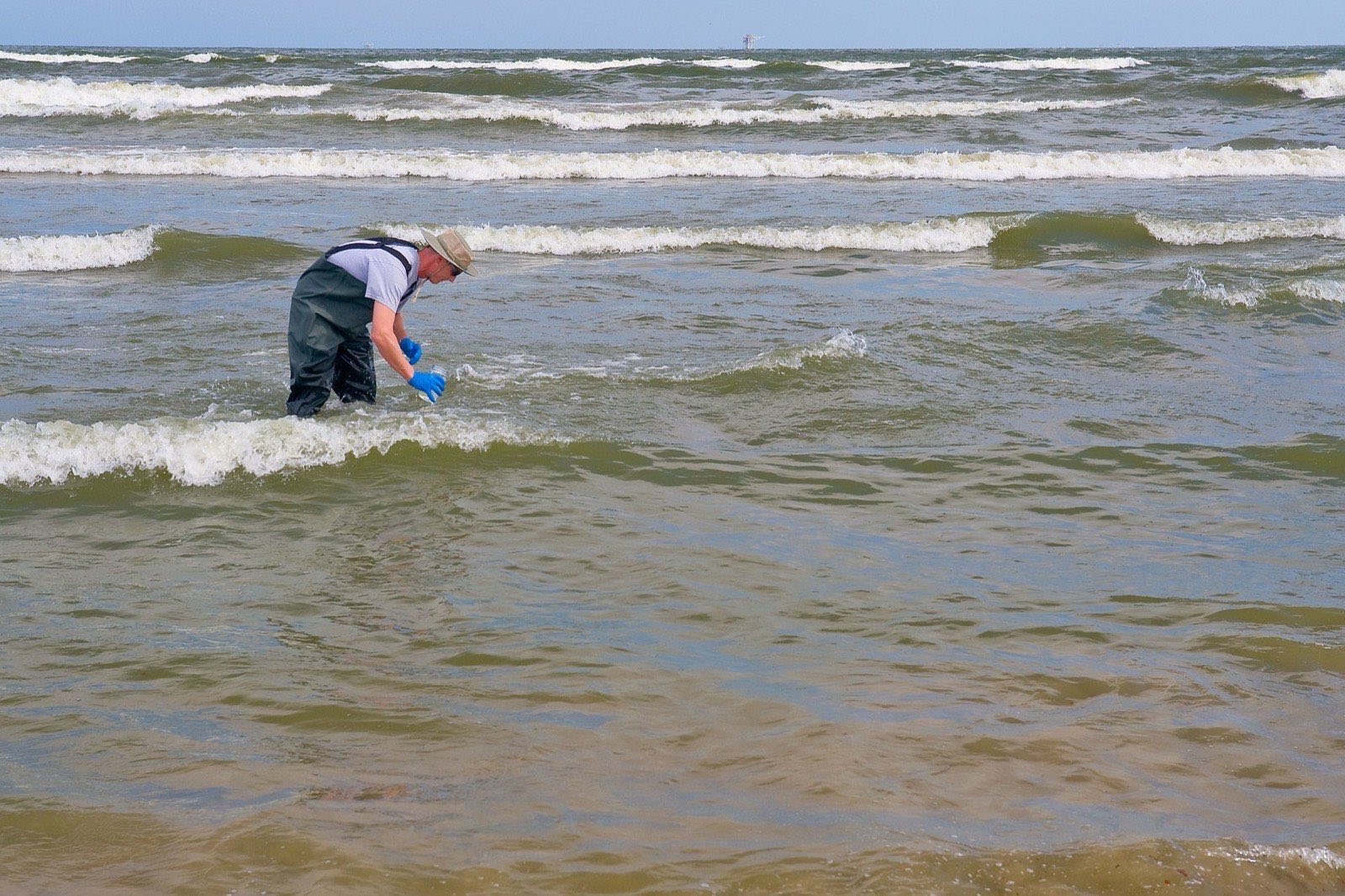
California shellfish harvest closures
Shellfish harvest closures
Harvest closures are legal orders issued by a state health or agriculture department, and they change without warning. The current closure status is published by the agency below. Check it directly, every time, on the day you are going.
California is the one state in this set where the shellfish calendar is the whole story. The annual quarantine on sport harvested mussels runs the length of the coast from the Oregon border to the Mexican border, including bays, inlets and harbours, and it applies to recreational harvest rather than to commercially grown product.
California Department of Public Health, Marine Biotoxin Monitoring Program · Official closure information · 800-553-4133
The agency’s own published guidance on harvest safety, quoted:
“If any sample exceeds the federal alert level for the PSP or domoic acid toxins, then that area is immediately closed to harvesting until conditions become safe.”California Department of Public Health, source
That sentence concerns monitored commercial product, not anything harvested recreationally, and recreational harvest is exactly what the closure orders exist for.
Who to contact in California
Health questions, whether a specific beach is open, and anything to do with harvesting are answered by these agencies. Each is linked, with a phone number where one is published.
CDPH Marine Biotoxin Monitoring Program
Runs year round phytoplankton and shellfish biotoxin monitoring for the whole California coast, sets the annual sport harvest mussel quarantine, and issues the recreational bivalve shellfish advisories. This is the agency that answers every question on this page.
Year round monitoring. The annual quarantine runs May 1 to October 31 and CDPH can start it early or extend it.
CDPH Biotoxin Information Line
A recorded line CDPH points the public to for updates on current quarantines and health advisories throughout the year. This is the number to ring before harvesting anything, every time.
What each organism here does
- Alexandrium, the dinoflagellate behind paralytic shellfish poisoning. Produces saxitoxins, which agencies associate with paralytic shellfish poisoning.
- Pseudo-nitzschia, a group of marine diatoms. Produces domoic acid, which agencies associate with amnesic shellfish poisoning, also called domoic acid poisoning.
California red tide FAQ
More for a California coast day
Red tide and algal blooms in other states
Season windows are climatological typicals drawn from the agency quotations above, not forecasts. Whether a beach is open and whether shellfish can be harvested are answered by the agencies named above. National picture: red tide and algal bloom status across the country →
Hero image: “2018 Fort De Soto - South Beach” by Beyond My Ken, CC BY-SA 4.0