
Oregon Red Tide Status
What Oregon Department of Agriculture, Food Safety Program is reporting today, reproduced as issued, and when blooms normally happen on this coast.
Oregon closures can happen in any month: Oregon Department of Agriculture, Food Safety Program publishes no fixed bloom seasonOregon bloom status at a glance
Live · agency status, as issuedOregon is the one state outside Florida where an agency publishes a machine readable status this page can read directly. The Oregon Department of Agriculture maintains a per stretch closure layer and this page reproduces its wording, unaltered. It is still a pointer rather than an authority: ring the hotline before you dig.
What the agencies are reporting in Oregon right now
Every value below is reproduced from the agency that issued it, exactly as that agency wrote it, with the time attached. On a health subject the official category is the answer, and it can change from one sampling site to the next a few miles down the same coast.
Oregon Department of Agriculture closure status
ODA publishes a status for each named stretch of the Oregon coast. The words below are ODA’s own. This is a legal harvest status and it changes without warning, so treat what you see here as a pointer to ODA and confirm with ODA on the day you are going.
Reading the Oregon Department of Agriculture closure layer…
When blooms normally happen in Oregon
Oregon Department of Agriculture, Food Safety Program publishes no fixed bloom season for Oregon: a closure here can appear in any month of the year. What the agency does publish is below, in its own words.
“Shellfish samples are collected along the length of the Oregon coastline by ODA and ODFW staff twice a month.”Oregon Department of Agriculture, source
ODA publishes no bloom season for Oregon. What it does publish is that it samples the whole coastline twice a month and closes a stretch as soon as biotoxins reach the closure limit, which means an Oregon closure can appear in any month of the year.
Which part of the Oregon coast, and what you would notice
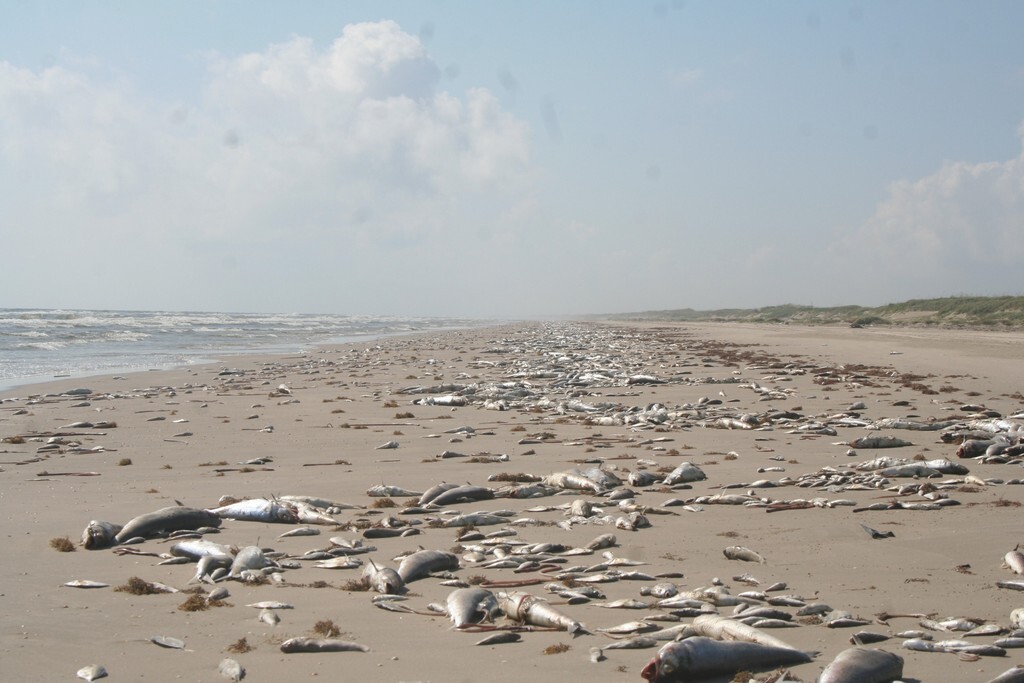
What people actually notice
- A closure that names one species and not another, which is normal here and is the detail most people miss
- The date on the ODA page rather than the water, since domoic acid is invisible, tasteless and not removed by cooking
- A razor clam closure on the south coast, which has been the most persistently affected stretch in recent ODA listings
- Nothing visible at all, because Oregon biotoxin closures routinely happen when the water looks completely ordinary
Beaches worth checking the status for
Clatsop Beaches
Clatsop County, north coast. The largest recreational razor clam fishery in the state, and the stretch whose ODA status most people are actually checking.
Cannon Beach and Tillamook Head
Clatsop County. Heavily visited rocky intertidal where mussel harvest is common and ODA status applies stretch by stretch.
Newport and Yaquina Bay
Lincoln County. Central coast bay clamming and mussel harvest, in the middle of the ODA sampling run.
Coos Bay and Charleston
Coos County. The largest estuary on the south coast, with bay clam harvest that carries its own closure status.
Gold Beach and the Pistol River coast
Curry County. The far south coast stretch that appeared as closed for razor clams in the ODA layer when this page was built.
Oregon shellfish harvest closures
Shellfish harvest closures
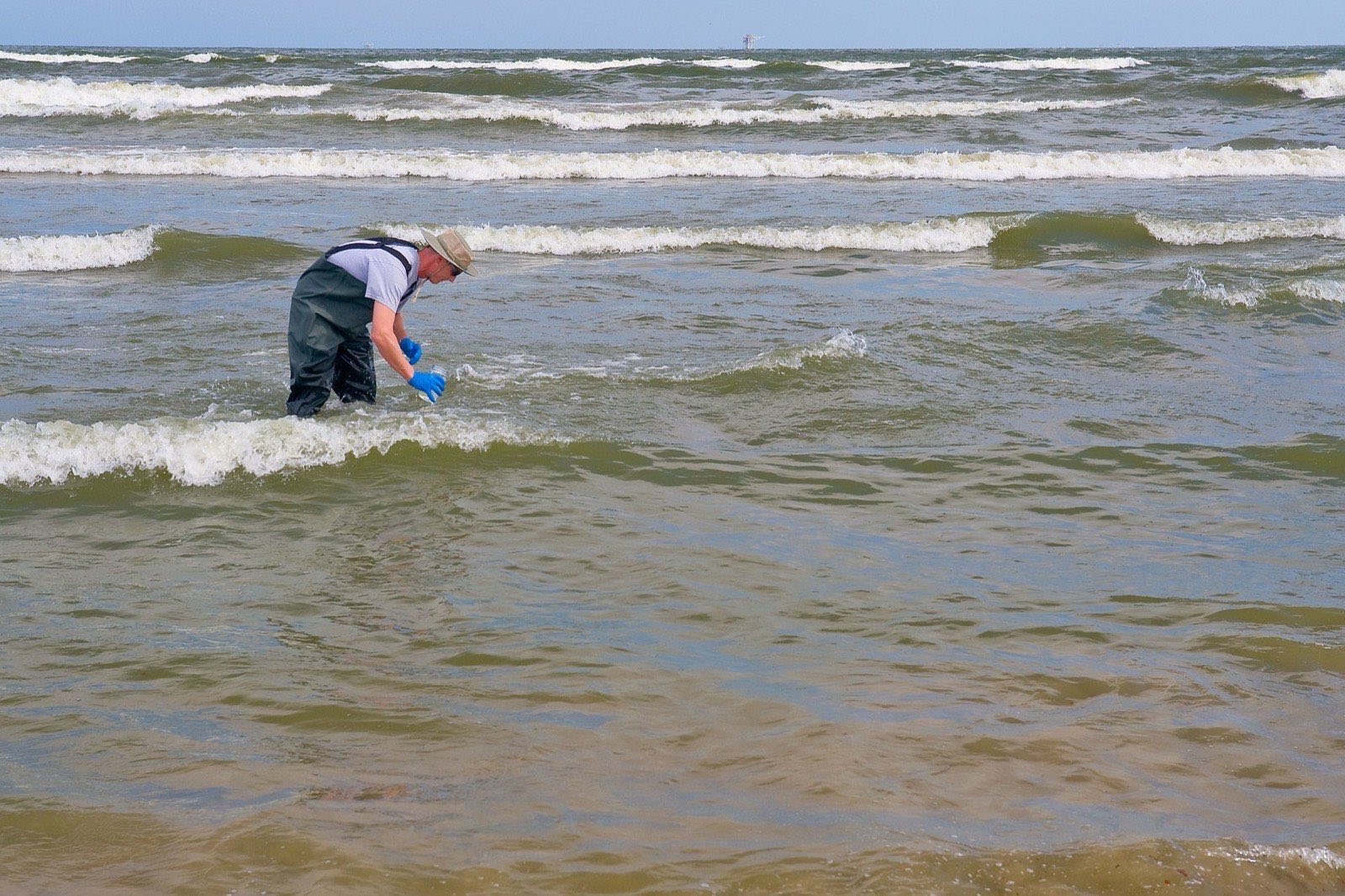
Harvest closures are legal orders issued by a state health or agriculture department, and they change without warning. The current closure status is published by the agency below. Check it directly, every time, on the day you are going.
Oregon closures are species specific as well as place specific. A stretch of coast can be closed for razor clams and open for mussels on the same day, which is why the status list on this page carries ODA’s own wording rather than a simplified open or closed flag.
Oregon Department of Agriculture, Food Safety Program · Official closure information · 800-448-2474
Who to contact in Oregon
Health questions, whether a specific beach is open, and anything to do with harvesting are answered by these agencies. Each is linked, with a phone number where one is published.
Oregon Department of Agriculture, Food Safety Program
Owns recreational shellfish biotoxin closures for the Oregon coast, publishes the closure map this page reads, and runs the shellfish safety hotline. ODA decides what is closed and what is open, stretch by named stretch.
Sampling twice a month along the whole coast, with closures posted as soon as biotoxins reach the closure limit rather than on a calendar.
ODA Shellfish Safety Hotline
The recorded line ODA publishes for current recreational shellfish closures. Ring it on the day you are going, because a closure can be posted between one tide and the next.
Oregon Health Authority
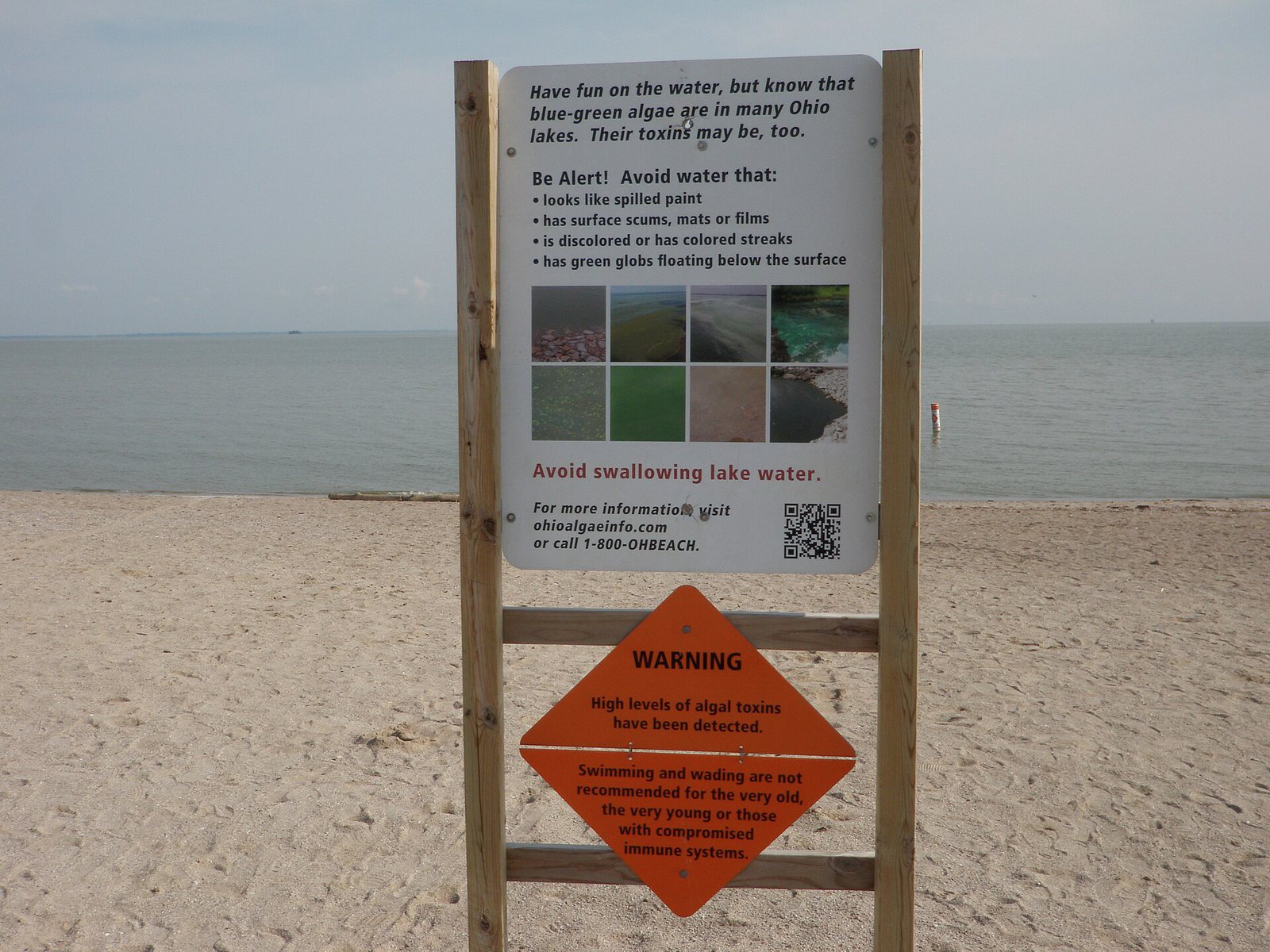
Handles the freshwater side, issuing recreational use health advisories for cyanobacteria blooms in Oregon lakes and rivers. A different programme from the marine closures on this page, and a status for one says nothing about the other.
What each organism here does
- Pseudo-nitzschia, a group of marine diatoms. Produces domoic acid, which agencies associate with amnesic shellfish poisoning, and the razor clam closures Oregon is best known for.
- Alexandrium, the dinoflagellate behind paralytic shellfish poisoning. Produces saxitoxins, which agencies associate with paralytic shellfish poisoning.
Oregon red tide FAQ
More for a Oregon coast day
Red tide and algal blooms in other states
Shellfish closure status is reproduced from the Oregon Department of Agriculture closure layer in ODA's own wording. Season windows are climatological typicals drawn from the agency quotations above, not forecasts. Whether a beach is open and whether shellfish can be harvested are answered by the agencies named above. National picture: red tide and algal bloom status across the country →
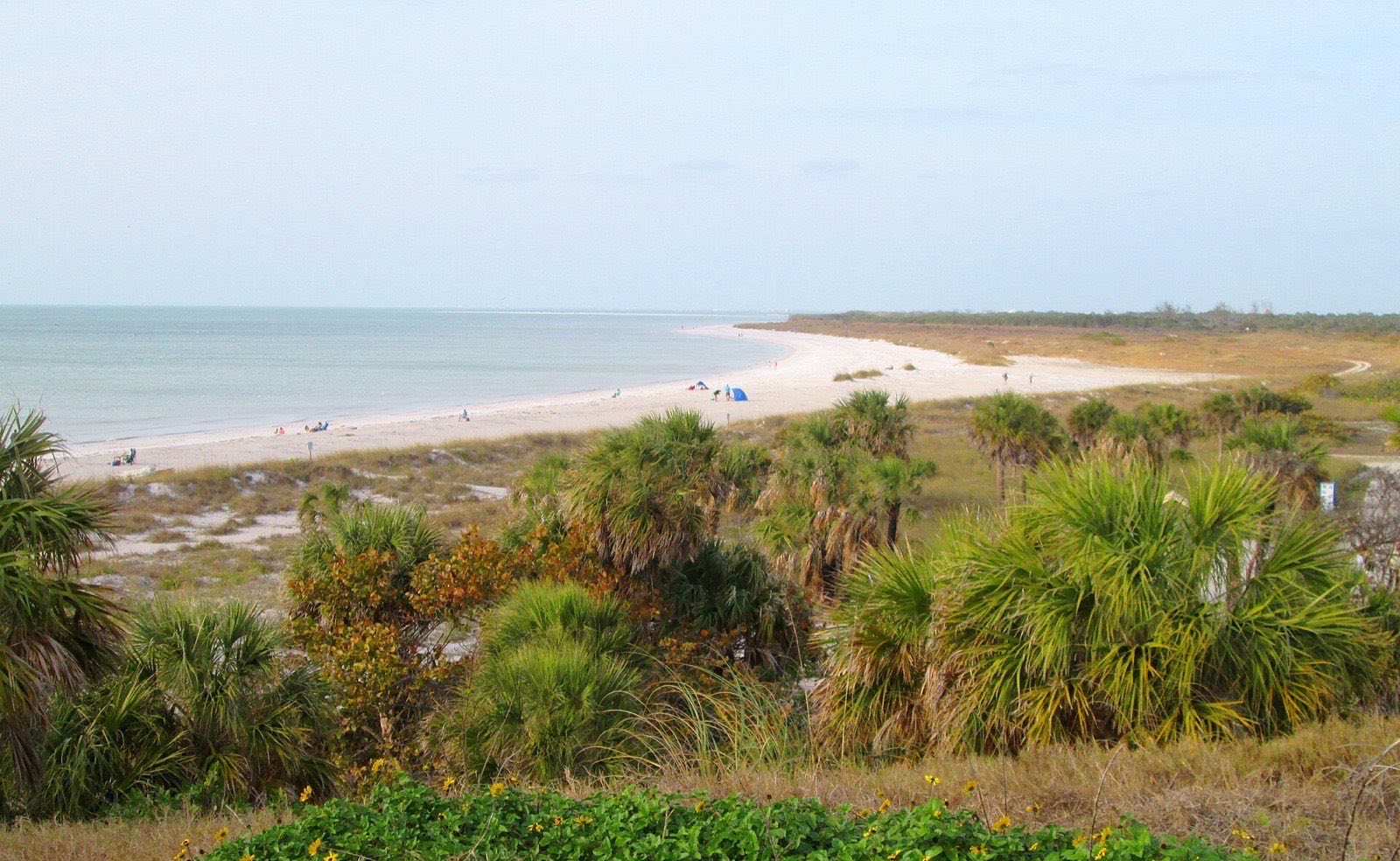
Hero image: “2018 Fort De Soto - South Beach” by Beyond My Ken, CC BY-SA 4.0