
Washington Red Tide Status
What Washington State Department of Health, Biotoxin Program is reporting today, reproduced as issued, and when blooms normally happen on this coast.
Washington closures can happen in any month: Washington State Department of Health, Biotoxin Program publishes no fixed bloom seasonWashington bloom status at a glance
Agency directoryDOH publishes no bloom season for Washington. It names warm temperatures, sunlight and nutrient rich water as the drivers, then says levels can rise quickly, stay high, and drop just as quickly. Biotoxin here does not run on a calendar, which is why the DOH map and the 24 hour line are what to check.
What the agencies are reporting in Washington right now
Every value below is reproduced from the agency that issued it, exactly as that agency wrote it, with the time attached. On a health subject the official category is the answer, and it can change from one sampling site to the next a few miles down the same coast.
Current Washington status is published by Washington State Department of Health, Biotoxin Program on its own site. It and the other agencies listed further down are where to check before you go.
When blooms normally happen in Washington
Washington State Department of Health, Biotoxin Program publishes no fixed bloom season for Washington: a closure here can appear in any month of the year. What the agency does publish is below, in its own words.
“A combination of warm temperatures, sunlight, and nutrient-rich waters can cause rapid plankton reproduction, or blooms.”Washington State Department of Health, source
DOH publishes no Washington bloom season, and closures here happen year round, including in winter. The season bar on this page spans the whole calendar for that reason.
How often the agency samples
“Shellfish in both recreational and commercial harvest areas are routinely tested for biotoxins.”Washington State Department of Health, source
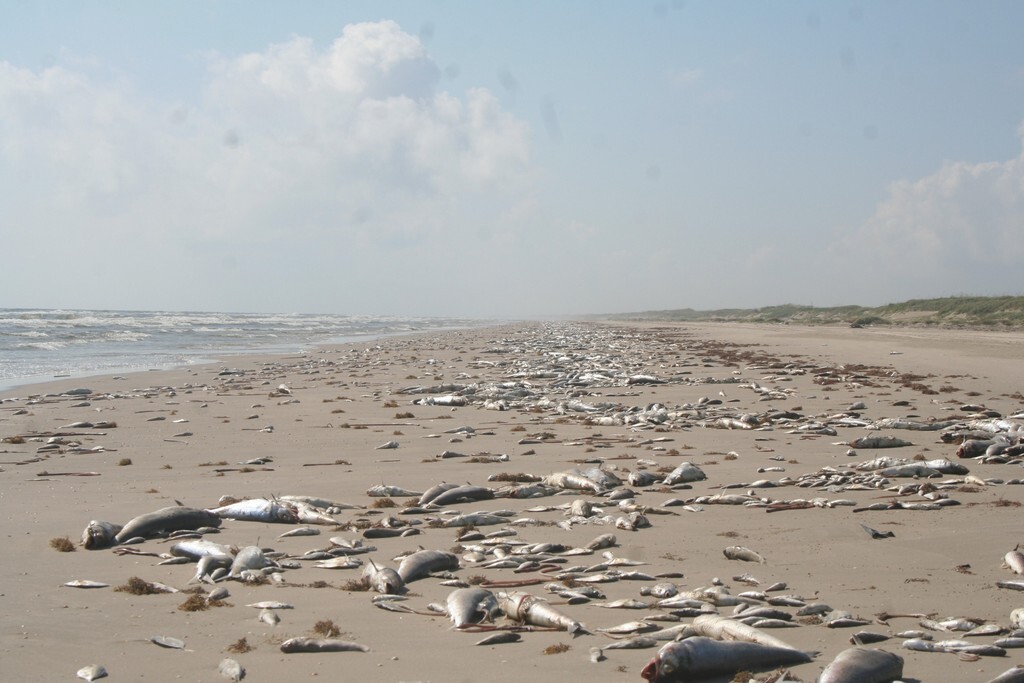
The sentence Washington State Department of Health, Biotoxin Program most wants you to read
Reproduced verbatim, in the agency’s own words.
“They can rise quickly and remain high for long periods of time, and they can drop just as quickly to safe levels.”Washington State Department of Health, source
Which part of the Washington coast, and what you would notice
What people actually notice
- The DOH map and the 24 hour line rather than the water, since none of the three toxins Washington monitors changes how shellfish look, smell or taste
- A closure in winter, which happens here and is why Washington has no fixed bloom season
- A closure that names one species or one beach and not its neighbour, which is normal on a coast this indented
- Diarrhetic shellfish poisoning specifically, which Washington monitors and publishes and most states do not
Beaches worth checking the status for
Long Beach Peninsula and Willapa Bay
Pacific County. The state’s largest recreational razor clam and oyster area, and the one whose DOH biotoxin status is checked most often.
Twin Harbors and Grays Harbor
Grays Harbor County. A razor clam coast where DOH closures have repeatedly cancelled announced dig days at short notice.
Kalaloch and the Olympic coast
Jefferson County. Remote outer coast beaches where DOH biotoxin status still applies and where nothing about the water gives it away.
Hood Canal
Mason, Kitsap and Jefferson Counties. A long narrow fjord with heavy recreational oyster and clam harvest and its own distinct closure pattern.
Penn Cove and Whidbey Island
Island County. A Puget Sound mussel growing area where DOH biotoxin status is tracked separately from the outer coast.
Washington shellfish harvest closures
Shellfish harvest closures
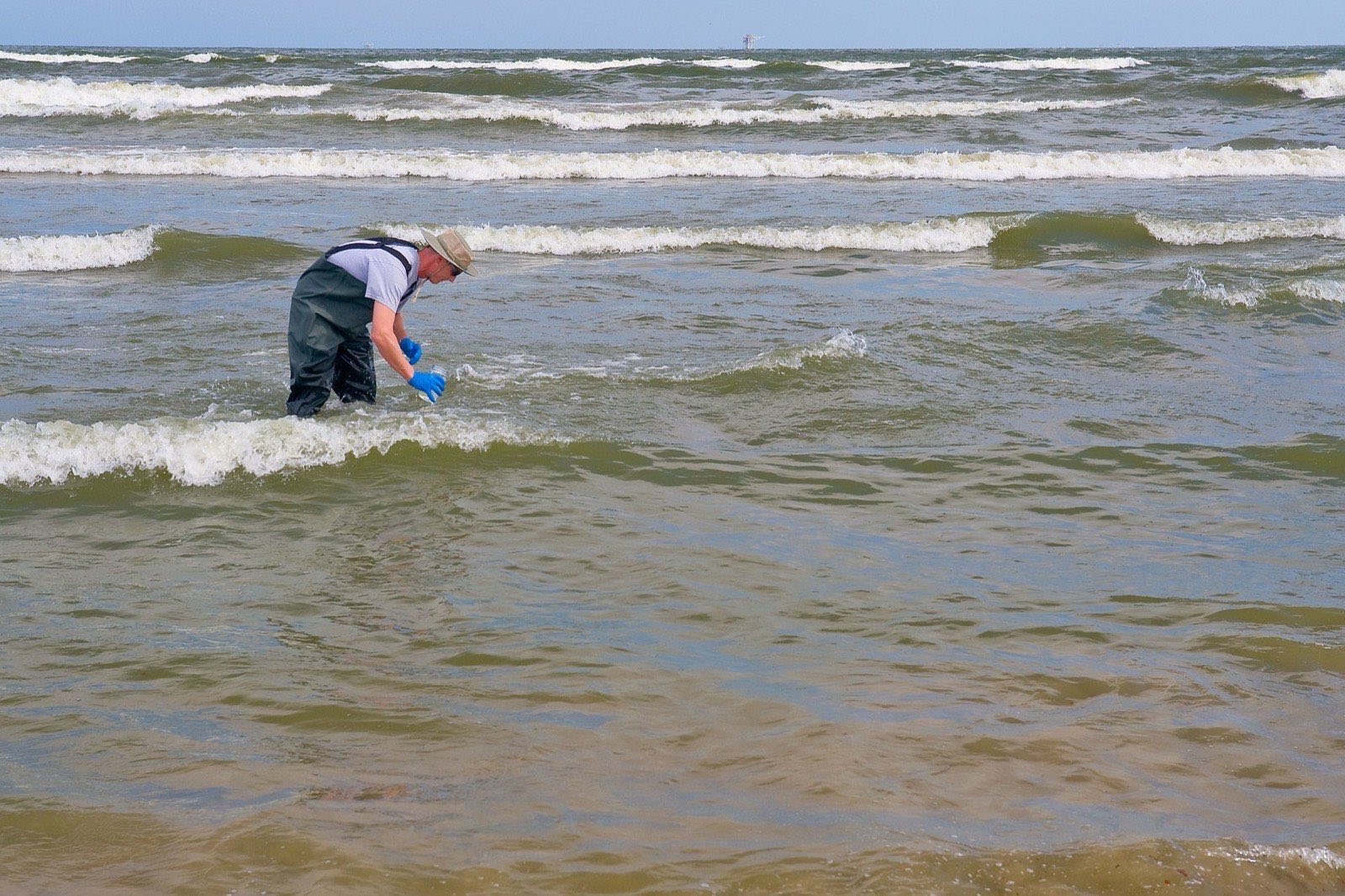
Harvest closures are legal orders issued by a state health or agriculture department, and they change without warning. The current closure status is published by the agency below. Check it directly, every time, on the day you are going.
Washington is the state in this set where the shellfish question is the whole question. There is no beach swimming advisory system here comparable to Florida’s, and DOH itself notes that biotoxin levels can rise quickly, stay high for long periods, and drop just as quickly.
Washington State Department of Health, Biotoxin Program · Official closure information · 800-562-5632
Who to contact in Washington
Health questions, whether a specific beach is open, and anything to do with harvesting are answered by these agencies. Each is linked, with a phone number where one is published.
Washington State Department of Health, Biotoxin Program
Owns recreational and commercial biotoxin closures for the whole Washington coast and Puget Sound, and publishes the Shellfish Safety Map the public checks. DOH is the only authority on whether a beach is open for harvest.
Routine testing of both recreational and commercial harvest areas. DOH publishes no fixed update schedule, so check the map or the 24 hour line rather than assuming a cadence.
DOH 24 hour Shellfish Safety Hotline
A recorded line carrying current shellfish biotoxin closures, available at any hour. Washington closures can be posted at any time of year, which makes a 24 hour recorded line more useful here than anywhere else on these pages.
Washington Department of Fish and Wildlife
Publicises emergency harvest closures on its alerts pages, alongside the DOH biotoxin map. Between them they cover the two different reasons a Washington beach can be shut on a given weekend.
What each organism here does
- Alexandrium, the dinoflagellate behind paralytic shellfish poisoning. Produces saxitoxins, which agencies associate with paralytic shellfish poisoning.
- Pseudo-nitzschia, a group of marine diatoms. Produces domoic acid, which agencies associate with amnesic shellfish poisoning.
- Dinophysis, the dinoflagellate behind diarrhetic shellfish poisoning. Produces okadaic acid and related toxins, which agencies associate with diarrhetic shellfish poisoning, which Washington is one of very few states to monitor and publish.
Washington red tide FAQ
More for a Washington coast day
Red tide and algal blooms in other states
Season windows are climatological typicals drawn from the agency quotations above, not forecasts. Whether a beach is open and whether shellfish can be harvested are answered by the agencies named above. National picture: red tide and algal bloom status across the country →
Hero image: “2018 Fort De Soto - South Beach” by Beyond My Ken, CC BY-SA 4.0