
Ohio Algae Bloom Status
What Ohio Department of Health, BeachGuard is reporting today, reproduced as issued, and when blooms normally happen on this coast.
Ohio bloom season normally runs June 1 to October 31Ohio bloom status at a glance
Agency directoryOhio is where the seasonal forecast actually exists. NOAA issues a Lake Erie severity forecast in early July, before the season, based on phosphorus loading from the Maumee River, and it is the only genuinely predictive harmful algal bloom product on these pages. Ohio EPA separately defines a regulatory HAB season for drinking water systems, running from the first full week of June to the first full week of December.
What the agencies are reporting in Ohio right now
Every value below is reproduced from the agency that issued it, exactly as that agency wrote it, with the time attached. On a health subject the official category is the answer, and it can change from one sampling site to the next a few miles down the same coast.
Current Ohio status is published by Ohio Department of Health, BeachGuard on its own site. It and the other agencies listed further down are where to check before you go.
When blooms normally happen in Ohio
“NOAA provides forecasts for seasonal blooms of cyanobacteria (blue-green algae) in Lake Erie, typically from July to October when warmer water creates favorable bloom conditions.”NOAA National Centers for Coastal Ocean Science, source
Two agencies give Ohio two overlapping windows and both are useful. NOAA puts the Lake Erie bloom season at typically July to October. Ohio EPA runs its drinking water HAB season from the first full week of June to the first full week of December, which is deliberately wider because a water plant cannot afford to start late.
How often the agency samples
“PWSs in Ohio will follow HAB SEASON monitoring requirements per their assigned schedule until the first full week of December.”Ohio EPA, source
The sentence Ohio Department of Health, BeachGuard most wants you to read
Reproduced verbatim, in the agency’s own words.
“The Ohio Department of Natural Resources reminds all visitors to our state park beaches to check the Ohio BeachGuard website for any current water quality advisories before swimming.”Ohio Department of Natural Resources, source
Which part of the Ohio coast, and what you would notice
What people actually notice
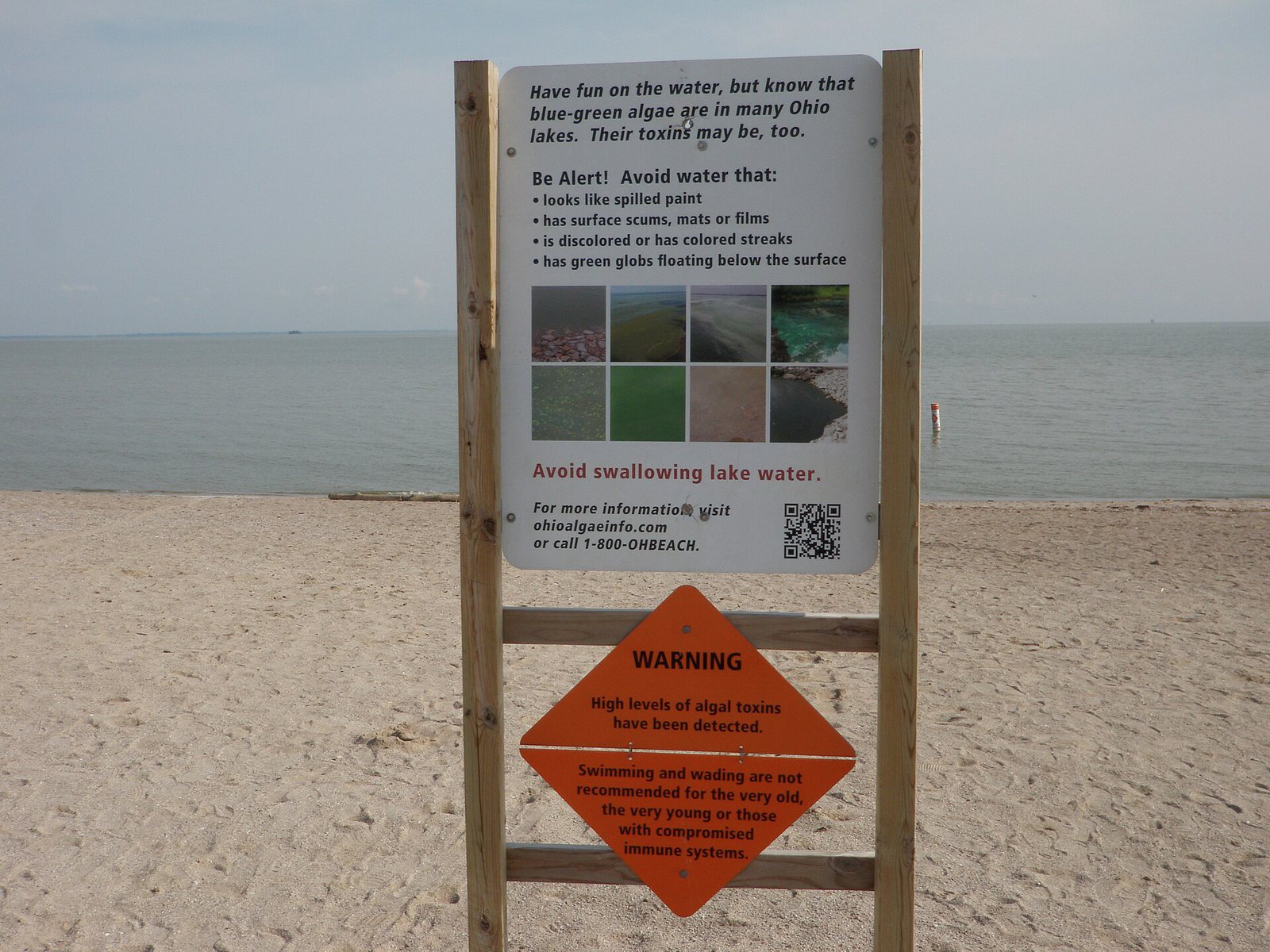
- Water that looks like spilled paint, or surface scums, mats or films, which is the wording Ohio prints on its own beach signs
- Green globs floating below the surface, another phrase from the state signage rather than from us
- Dogs, which are the group most often harmed by cyanobacteria because they drink the water and lick their coats afterwards
- A posted orange warning placard at the access point, which means the state has detected high levels of algal toxins there
Beaches worth checking the status for
Maumee Bay State Park
Lucas County. The Ohio beach closest to the mouth of the Maumee River, which is the phosphorus source NOAA uses to project each season’s bloom severity.
East Harbor State Park
Ottawa County. One of the most visited Lake Erie state park beaches, sitting in the middle of the western basin where the bloom concentrates.
Catawba Island and Port Clinton
Ottawa County. The western basin shoreline where bloom position on any given day depends on which way the wind has been pushing it.
Sandusky Bay and Cedar Point
Erie County. A shallow warm bay at the eastern edge of the bloom footprint, with its own bloom behaviour distinct from the open lake.
Headlands Beach State Park
Lake County. Far enough east that the western basin bloom usually does not reach it, which is exactly the kind of thing a bloom position forecast is for.
Ohio beach advisories
Beach advisories
Recreational water advisories are issued locally, and they change without warning. The current advisory status is published by the agency below. Check it directly, every time, on the day you are going.
Ohio is landlocked, so there is no shellfish harvest closure programme here. The equivalent legal question is a recreational public health advisory on a beach, and those are issued by the Ohio Department of Health and posted to BeachGuard. Human illness reporting runs through local health districts rather than a state hotline, because Ohio public health is locally administered.
Ohio Department of Health · Official closure information
Who to contact in Ohio
Health questions, whether a specific beach is open, and anything to do with harvesting are answered by these agencies. Each is linked, with a phone number where one is published.
Ohio Department of Health, BeachGuard
Issues recreational public health advisories for Ohio beaches and posts them to BeachGuard, which is where the state itself tells the public to look before swimming. This is the status page for Ohio, not a NOAA forecast.
Advisories posted as they are issued through the swimming season.
Ohio EPA harmful algal bloom programme
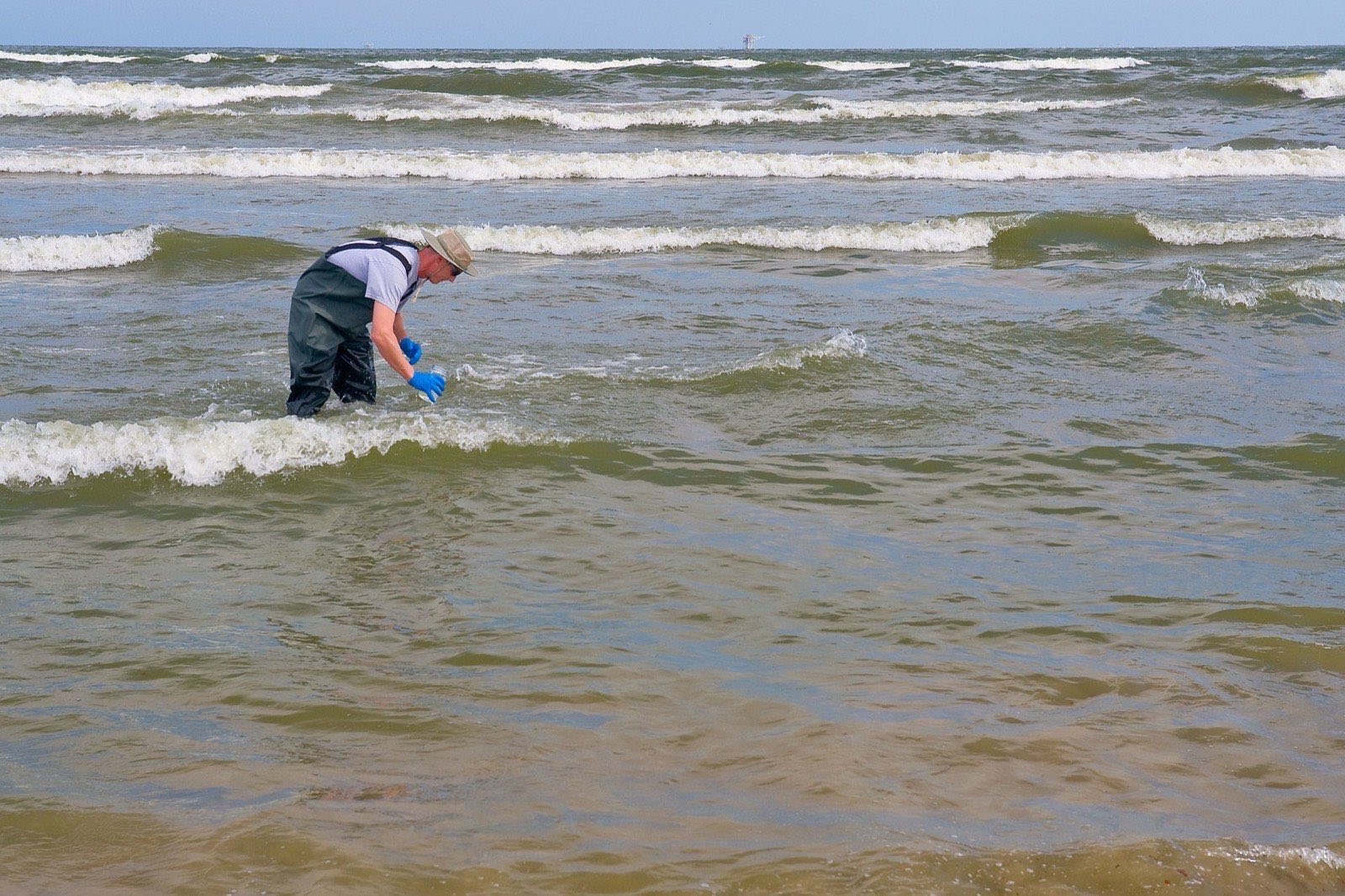
Runs the drinking water side, requiring public water systems to sample through a defined HAB season, and takes public bloom reports through an online form. Its season dates are the clearest regulatory definition of an Ohio bloom season anywhere.
Public water system HAB season monitoring runs from the first full week of June until the first full week of December.
NOAA Lake Erie harmful algal bloom forecast
Publishes an early season projection from May, a seasonal severity forecast in early July, a bloom position forecast updated twice weekly through the season, and a retrospective in November. The seasonal forecast is the single most useful thing here for anyone planning ahead.
Bloom forecast twice weekly June through October. Seasonal forecast once, in early July.
NOAA Great Lakes Environmental Research Laboratory
Publishes the Lake Erie harmful algal bloom bulletin itself, including the satellite imagery, the bloom position forecast and the vertical mixing forecast that says whether the bloom is at the surface today.
What each organism here does
- Microcystis, blue-green algae, the western Lake Erie bloom organism. Produces microcystins, which agencies associate with liver and gastrointestinal effects, skin irritation, and risk to dogs that swim in or drink affected water.
Ohio algae bloom FAQ
More for a Ohio coast day
Red tide and algal blooms in other states
Season windows are climatological typicals drawn from the agency quotations above, not forecasts. Whether a beach is open and whether shellfish can be harvested are answered by the agencies named above. National picture: red tide and algal bloom status across the country →
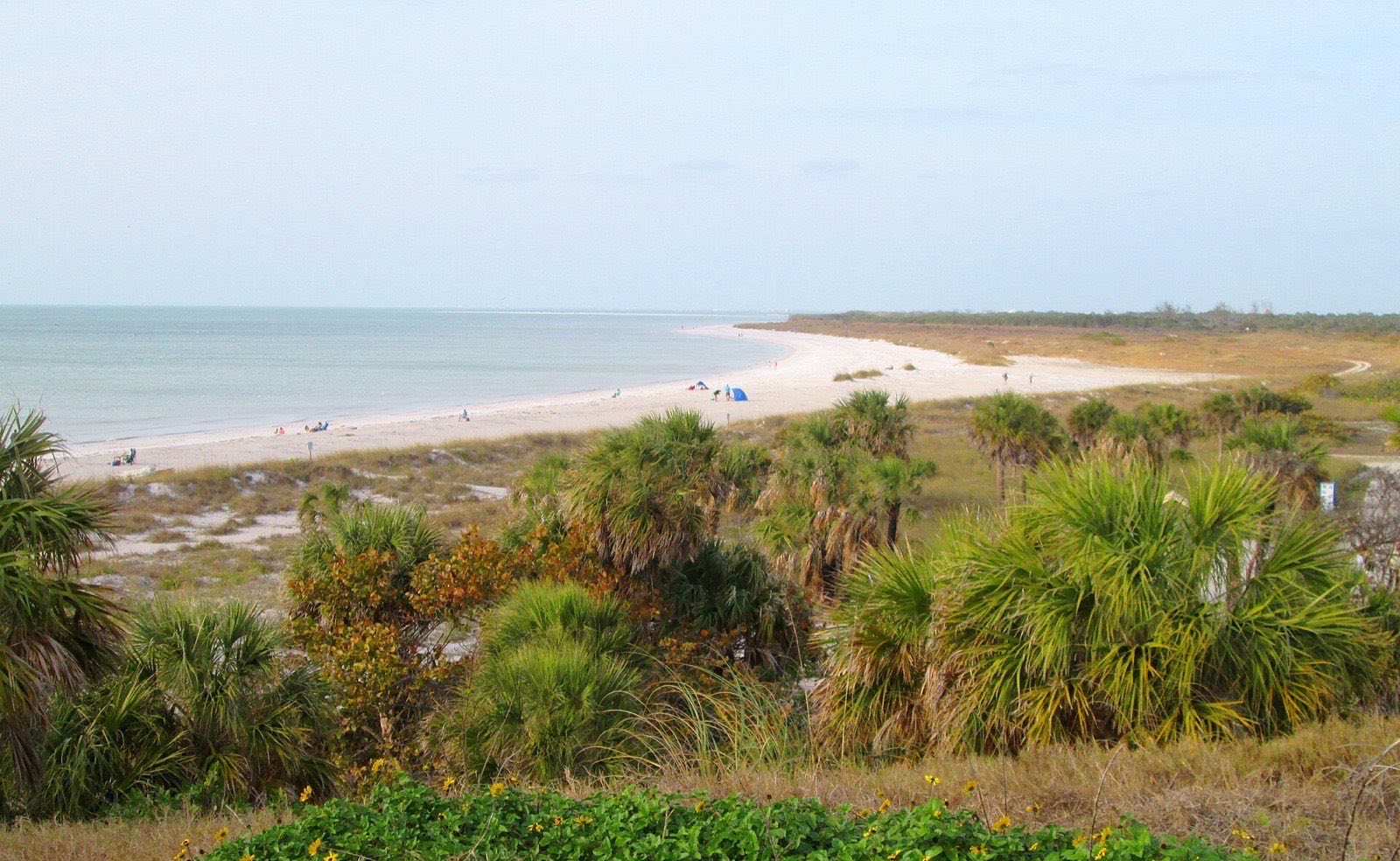
Hero image: “2018 Fort De Soto - South Beach” by Beyond My Ken, CC BY-SA 4.0