
Alaska Snow Plow Tracker and Road Conditions
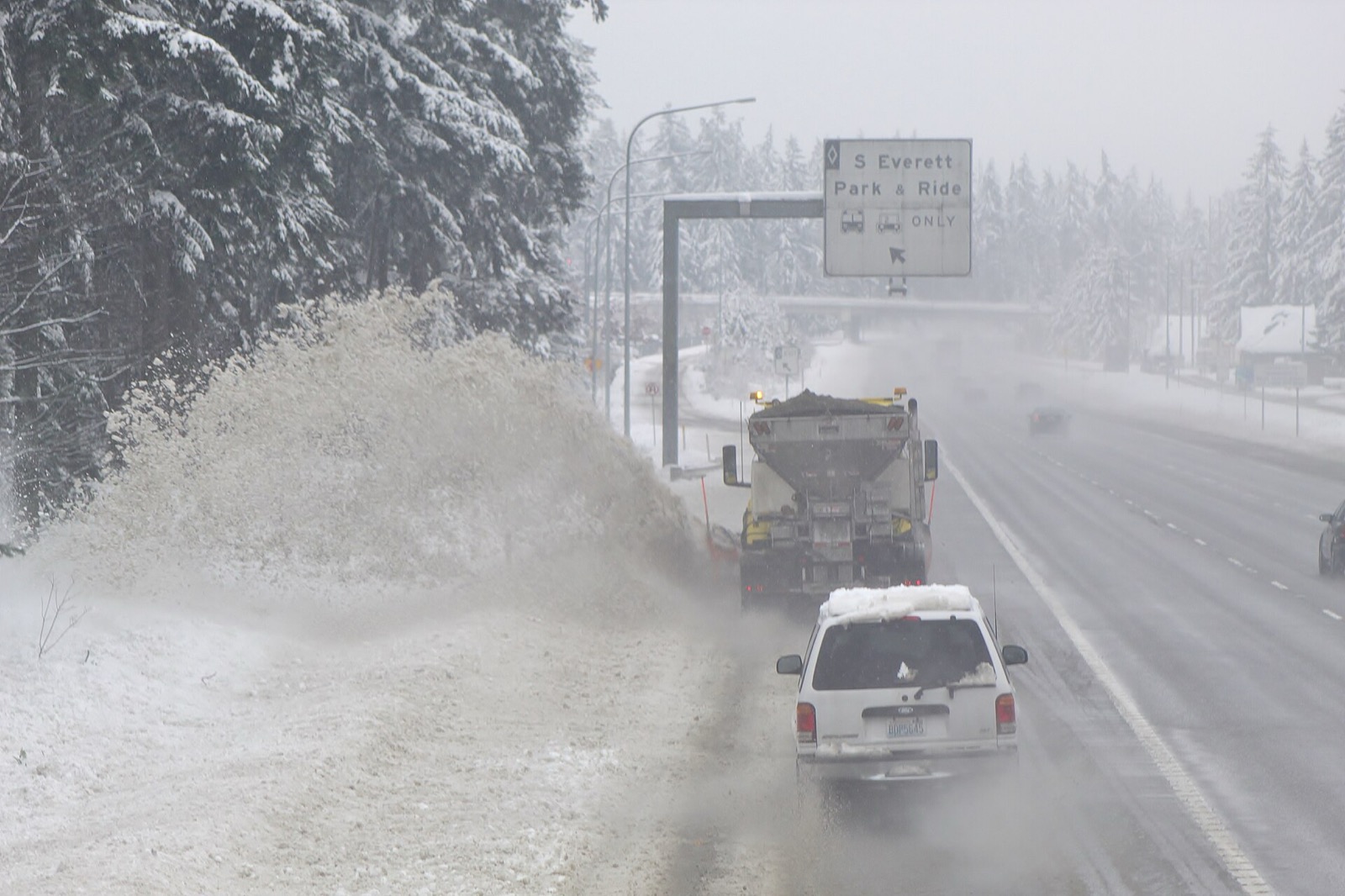
Alaska drivers get a statewide 511 map and phone line that report every highway segment with one of eight condition words, cameras, and a Maintenance Vehicle Status layer whose snowplow markers leave a breadcrumb trail a viewer can hover to read the time a truck was at that spot.
Where the plows are in Alaska
DOT&PF publishes where its plows are and when a plow last came past on Alaska 511.
A reader can see which roads have a truck on them right now. Whether one has already been past is a separate question the layer may or may not answer.
- What the state calls it
- Maintenance Vehicle Status
- Where it lives
- Alaska 511
- Shows a last pass
- Yes. The layer records when a truck was last down a road, not only where one is now.
- How often it updates
- DOT&PF publishes no refresh interval for the vehicle layer. It says a viewer can hover over a vehicle's breadcrumb trail to read the time that vehicle was at a location, and the layer legend prints one entry, Past Locations.
- By phone
- 5-1-1 in state, or (866)282-7577 from out of state
DOT&PF describes it in its own words, from Alaska 511, Alaska Department of Transportation and Public Facilities, read September 23, 2026.
To see the time when a vehicle was at a location, hover your mouse over the vehicle breadcrumb trail.Alaska 511, Alaska Department of Transportation and Public Facilities, read September 23, 2026. Read it at the source
What Alaska 511 shows
Alaska 511 carries traffic cameras, a phone app called Alaska 511 and a phone line at 5-1-1 in state, or (866)282-7577 from out of state. DOT&PF describes it this way: "The winter driving condition reports and alerts due to natural disasters are entered by ADOT&PF maintenance personnel statewide."
Conditions on any state map are reported rather than measured. A plow operator or a trooper enters what they saw, and the map carries it until somebody enters something else, so a colour is a description of the road a while ago on the stretch the person was looking at.
Alaska drivers get a statewide 511 map and phone line that report every highway segment with one of eight condition words, cameras, and a Maintenance Vehicle Status layer whose snowplow markers leave a breadcrumb trail a viewer can hover to read the time a truck was at that spot.
- The map
- Alaska 511
- Cameras
- Roadside cameras
- Phone app
- Alaska 511
- Phone line
- 5-1-1 in state, or (866)282-7577 from out of state
Alaska 511, Alaska Department of Transportation and Public Facilities
The winter driving condition reports and alerts due to natural disasters are entered by ADOT&PF maintenance personnel statewide.FAQ, Alaska 511, Alaska Department of Transportation and Public Facilities, read September 23, 2026. Read it at the source
What Alaska calls each state of a road
DOT&PF runs 8 steps on Alaska 511, from No Report to No Winter Maintenance. DOT&PF publishes a definition beside them.
These are Alaska’s words and they stop at the state line. There is no national scale: the 33 states that publish a legend use 166 different labels between them, and only 17 publish what their own labels mean. A phrase that means one thing here means something else, or nothing, one state over.
| What the map says | What DOT&PF says it means |
|---|---|
| No Report | Not defined |
| Good | Roads are passable. Roads are mostly bare pavement and/or cleared from shoulder to shoulder with no visibility problems. Drivers may encounter sporadic icy patches or packed snow. Generally snow has been cleared and traction is good for most vehicles properly equipped for winter driving. |
| Fair | Roads are passable with varying conditions. Drivers may encounter some standing water, packed snow, icy patches covering the surface, and/or limited blowing and drifting snow. Generally snow has been cleared and traction is adequate for most vehicles properly equipped for winter driving. |
| Difficult | Travel is challenging for most vehicles properly equipped for winter driving. Moderate snow accumulation on roads: up to 3”. Drivers may also encounter ice on the road and bridge decks, freezing rain, water on snow or ice. Moderate winds may be present along with blowing or drifting snow causing low visibility. |
| Very Difficult | Travel is not advised. Considerable snow accumulation on roads: 4” or more. Drivers may encounter snow drifts, berms, freezing rain, or fog creating very difficult driving. Moderate to high winds may be present along with blowing or drifting snow causing low visibility. |
| Hazardous | Travel is not advised. Road conditions are not suitable for travel. Road may be blocked or impassable due to considerable snow accumulation, freezing rain, ice glaze, or dense fog. High winds may be present, along with blowing and drifting snow causing low visibility or blizzard-like conditions. |
| Road Closure | Road is Closed. The road will remain closed until safe travel can be resumed. High winds may be present, along with blowing and drifting snow causing zero visibility. |
| No Winter Maintenance | Travel is not advised. A few major highways are not maintained during the winter months. These are represented by the red hashed icon box on the 511 map. For your safety, travel is strongly discouraged. |
Read from DOT&PF’s own legend on September 23, 2026.
Who closes a road in Alaska
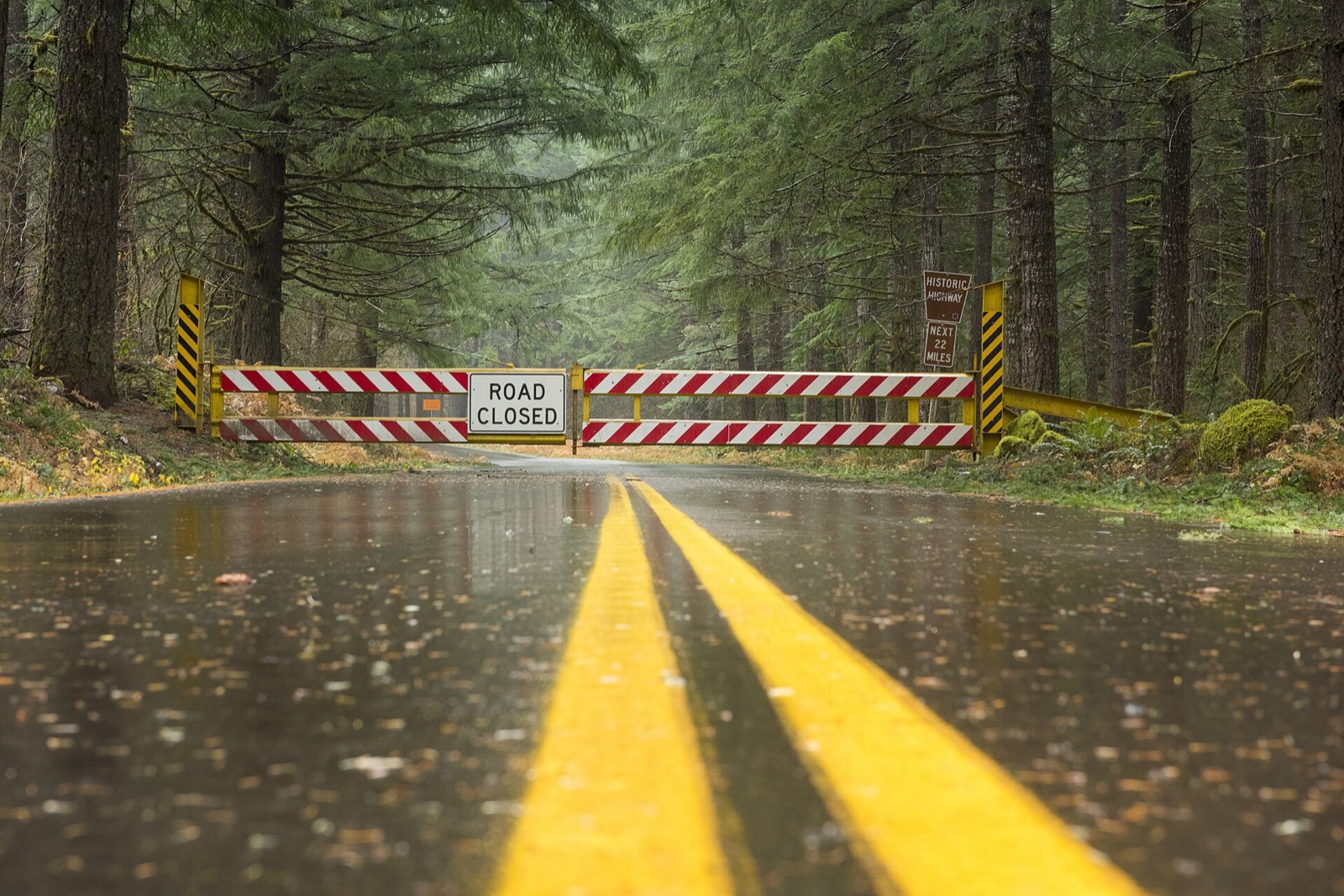
DOT&PF maintenance personnel enter the road condition reports statewide and a closed highway is reported as Road Closure on Alaska 511; DOT&PF prints that Alaska State Troopers Dispatch and Denali National Park Dispatch also enter alerts, and that a short list of major highways is simply not maintained in winter and is drawn with a hashed box.
Road is Closed. The road will remain closed until safe travel can be resumed.FAQ, Alaska 511, Alaska Department of Transportation and Public Facilities, read September 23, 2026. Read it at the source
A closure is a different thing from a bad condition, and it is the one entry on the map that carries the force of law behind it. Driving past a closure device is an offence in most states and a rescue bill in several. The map is where the closure is published, and the state also takes reports of conditions from the public.
Alaska snow plow tracker questions
Plow trackers in other states
Alaska read September 23, 2026 from FAQ, Alaska 511, Alaska Department of Transportation and Public Facilities, linked above. Departments replace these services between seasons and a layer that ran last winter may not run this one, so DOT&PF’s own page is the one that governs. Conditions shown on it are reported by people and lag the road. Every state is on the snow plow tracker hub.