
New York Burn Permit: Do You Need One and When
New York bans brush burning statewide from March 16 through May 14, and for the rest of the year lets you burn downed limbs and branches on your own land without a state permit only if your town has fewer than 20,000 residents, with a DEC permit required in the designated Fire Towns of the Adirondack and Catskill Parks and burning trash illegal everywhere.
Do you need a burn permit in New York?
Not from the state
New York requires no state permit to burn yard debris, and open burning is closed March 16 through May 14.
- Who issues it
- New York State Department of Environmental Conservation
- Issued by
- nobody, for most of the state: the regulation itself allows the fire and no permit exists. The exception is the designated Fire Towns of the Adirondack and Catskill Parks, where a burning permit comes from DEC, and any town that has passed its own permit law.
While a permit is not required under this regulation, the Environmental Conservation Law (ECL) requires that a burning permit be obtained from DEC if you plan to burn brush under the exception, and you live in a town which is totally or partially located within the boundaries of the Adirondack or Catskill Parks which is designated as a "Fire Town" under the ECL (see list below).Open Burning, New York State Department of Environmental Conservation, read September 23, 2026. Read it at the source
Where you get one
- No state permit outside the designated Fire Towns
- Burning permit obtained from DEC in a designated Fire Town
- Check with local authorities to find out if local law requires a permit
Outside the listed Adirondack and Catskill fire towns the regulation requires no permit; what it sets is the spring window and the list of what may never be burned.
No permit is not the same as no rules. New York still sets what may go on the pile, how far it has to be from a building, and the conditions it may be lit in, and a local ordinance can be stricter than the state on every one of those. All of it is below.
When you may burn in New York
Statewide dates
Open burning is closed March 16 through May 14.
New York closes brush burning statewide every spring from March 16 through May 14; outside those dates brush may be burned on site only in towns of fewer than 20,000 residents, and burning on qualifying agricultural land is exempt from the ban.
- Who sets it
- New York State Department of Environmental Conservation
- Checked against
- Open Burning, New York State Department of Environmental Conservation
The burning of brush is prohibited from March 16 through May 14 due to the increased risk of wildfires.Open Burning, New York State Department of Environmental Conservation, read September 23, 2026. Read it at the source
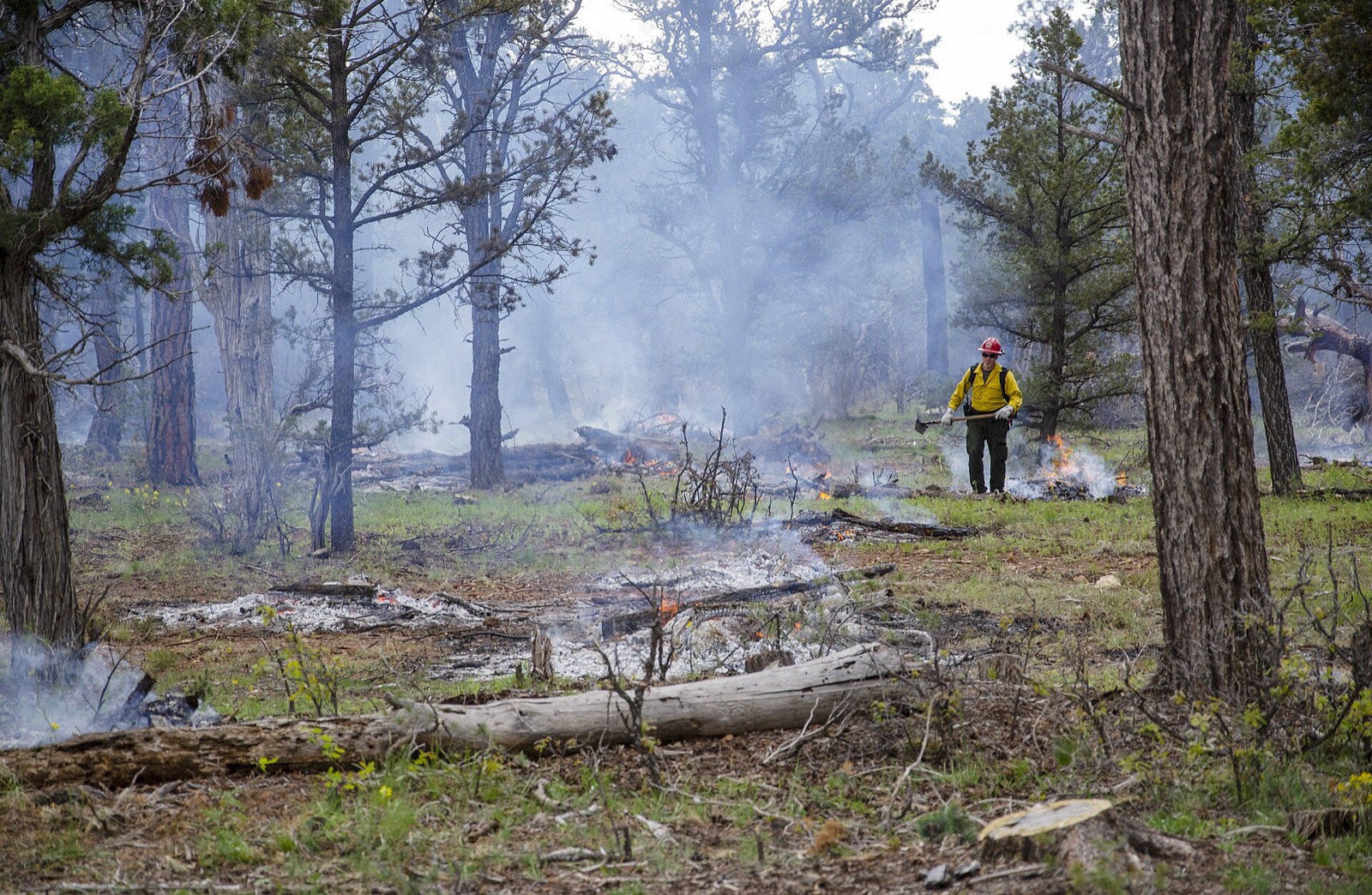
What you may and may not burn in New York
What the state names as burnable
- charcoal
- dry, clean, untreated, and unpainted wood
- downed tree limbs and branches (also called brush) that are less than 6 inches in diameter and 8 feet in length, including branches with attached leaves
- campfires, small cooking fires, or any other outdoor fire less than 3 feet in height and 4 feet in length, width, or diameter
- ceremonial or celebratory bonfires
- organic agricultural wastes on contiguous agricultural land larger than 5 acres
What it names as off the pile
- refuse, trash, tires, and other solid wastes
- burning trash or other solid wastes in a burn barrel or similar device
- loose leaves or leaf piles
- pressure or chemically treated wood
- painted or stained wood
- composite wood such as plywood and particle board
- large piles of brush collected from local residents at town or county transfer sites
For most of the year, downed tree limbs and branches (also called brush) that are less than 6 inches in diameter and 8 feet in length, including branches with attached leaves, are allowed to be burned on-site in towns with total population less than 20,000 residents.Open Burning, New York State Department of Environmental Conservation, read September 23, 2026. Read it at the source
What New York asks of the weather and the site
Setbacks, wind limits and what has to be on hand. These are written into the rule rather than offered as advice.
- check the fire danger map first to be sure a fire is safe where you are
- do not burn on windy days
- keep flammable objects and debris at least 3 feet away
- never use kerosene, gasoline or lighter fluid to start it
- keep water or a fire extinguisher nearby and never leave the fire unattended
- put it fully out when you are finished
Avoid burning on windy days.Open Burning, New York State Department of Environmental Conservation, read September 23, 2026. Read it at the source
What to check before you light in New York
A permit or a season says you may burn in general. What says you may burn today is separate, it changes daily on a wind and humidity forecast, and it overrides a permit already in hand. In New York it is published here.
DEC's statewide fire danger map, which the agency tells you to check before you plan a fire
New York State Department of Environmental Conservation
When you plan a fire, always check for fire danger in your area on DEC's online map (updated every week).New York State Department of Environmental Conservation, read September 23, 2026. Read it at the source
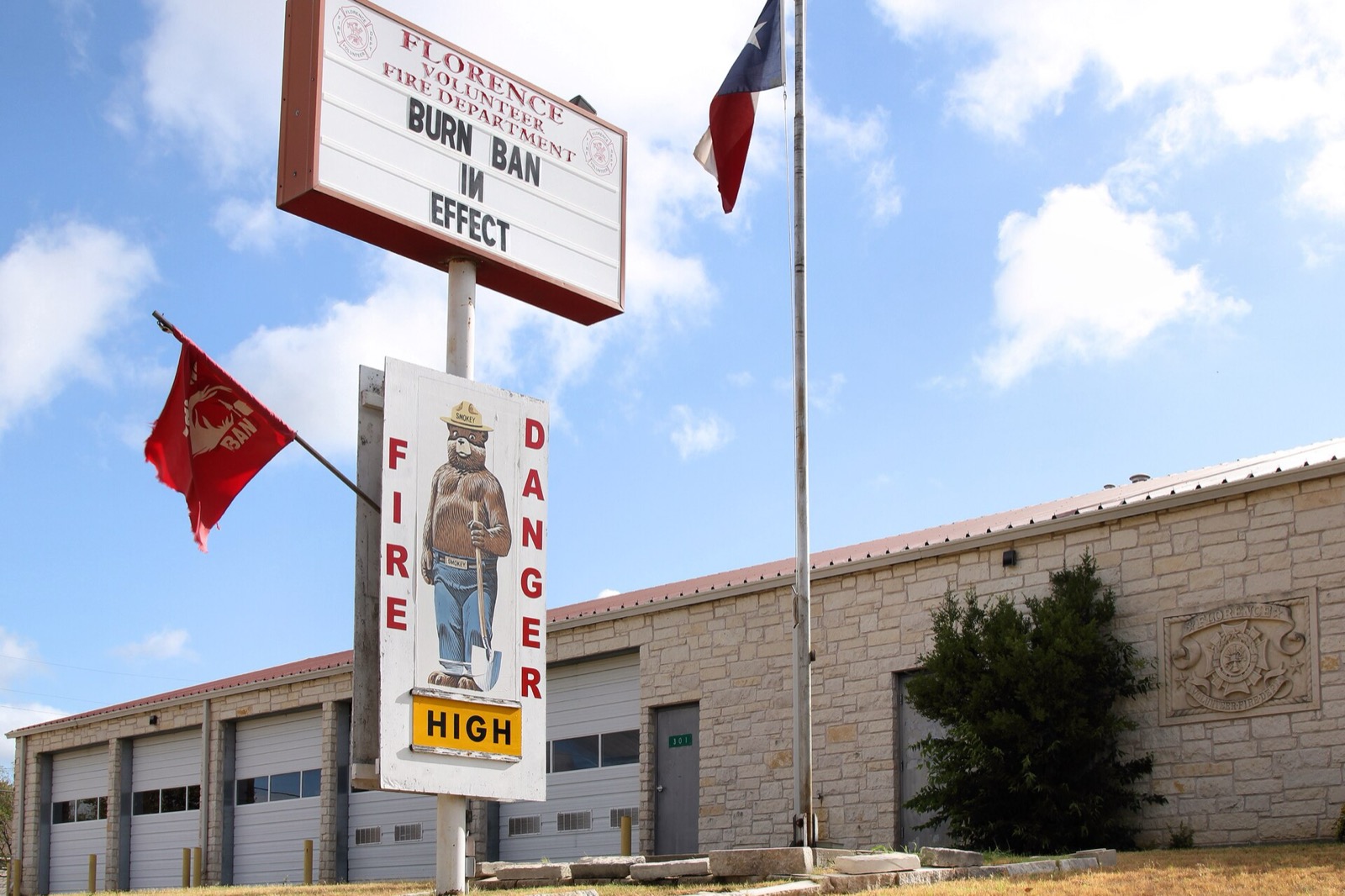
What your town can add in New York
Any New York town, village, city or county may pass its own burning law that is stricter than the state rule, and may require a permit where the state does not.
Towns, villages, cities, and counties can pass ordinances that are stricter than Part 215. You should check with local authorities before having an open fire to find out if local law requires a permit or prohibits open fires.Open Burning, New York State Department of Environmental Conservation, read September 23, 2026. Read it at the source
New York burn permit questions
Burn permits in other states
New York rules read September 23, 2026 from Open Burning, New York State Department of Environmental Conservation. Rules change, a county or town may be stricter than the state, and a burn ban issued today overrides a season that is otherwise open. Every state is on the burn permit hub.