
Kansas Burn Permit: Do You Need One and When
Kansas issues no statewide burn permit: burning your own yard at a house, or burning grass and crop residue for range or pasture management, is exempt from the state ban as long as you tell the local fire authority first, but you still call your county for its own permit, and in sixteen counties the state shuts open burning down for the whole month of April.
Do you need a burn permit in Kansas?
Not from the state
Kansas requires no state permit to burn yard debris, and the dates that close burning, Apr 1 to Apr 30, apply in named counties rather than statewide.
- Who issues it
- Kansas Department of Health and Environment, Bureau of Air
- Issued by
- no statewide permit for the everyday burns; the county or local fire authority is who you call, and KDHE approval is needed only for a burn that fits none of the exemptions
The following open burning operations shall be exempt from the prohibition on the open burning of any materials imposed by K.A.R. 28-19-645: (1) open burning carried out on a residential premise containing five or less dwelling units and incidental to the normal habitation of the dwelling units, unless prohibited by any local authority with jurisdiction over the premises;KDHE Open Burning Regulations (K.A.R. 28-19-645 through K.A.R. 28-19-648), Kansas Department of Health and Environment, read September 23, 2026. Read it at the source
Where you get one
- Local Law Enforcement Center
- Emergency Management Office
- Fire Chief / Fire District
- Written request to the department for a burn that is not exempt
Residential burning is written into the April rule as an exemption, so the month that closes for range and pasture smoke is not the month that closes a burn barrel.
No permit is not the same as no rules. Kansas still sets what may go on the pile, how far it has to be from a building, and the conditions it may be lit in, and a local ordinance can be stricter than the state on every one of those. All of it is below.
When you may burn in Kansas
Kansas is one of the states where a pair of dates on its own gives the wrong answer. What follows is the rule in the agency's own words, with the shape of the season named above it.
Some counties only
Kansas sets no burning season for most of the state, but in sixteen named counties the state closes open burning for the whole month of April to keep Flint Hills range smoke out of the cities, with range and pasture management burns, residential burning and cooking fires exempted.
- Who sets it
- Kansas Department of Health and Environment
- Checked against
- KDHE Open Burning Regulations (K.A.R. 28-19-645 through K.A.R. 28-19-648), Kansas Department of Health and Environment
A person shall not cause or permit open burning operations of any waste, including vegetation and wood waste, structures, or any other materials on any premises during the month of April in Butler, Chase, Chautauqua, Cowley, Elk, Geary, Greenwood, Johnson, Lyon, Marion, Morris, Pottawatomie, Riley, Sedgwick, Wabaunsee, and Wyandotte counties, except as authorized by subsections (b) through (d).KDHE Open Burning Regulations (K.A.R. 28-19-645 through K.A.R. 28-19-648), Kansas Department of Health and Environment, read September 23, 2026. Read it at the source
Kansas sets no burning season for most of the state, but in sixteen named counties the state closes open burning for the whole month of April to keep Flint Hills range smoke out of the cities, with range and pasture management burns, residential burning and cooking fires exempted.
The hours are part of the rule and are the piece most often missed: Kansas allows burning no lighting between two hours before sunset and one hour after sunrise, and nothing added to the fire after two hours before sunset.
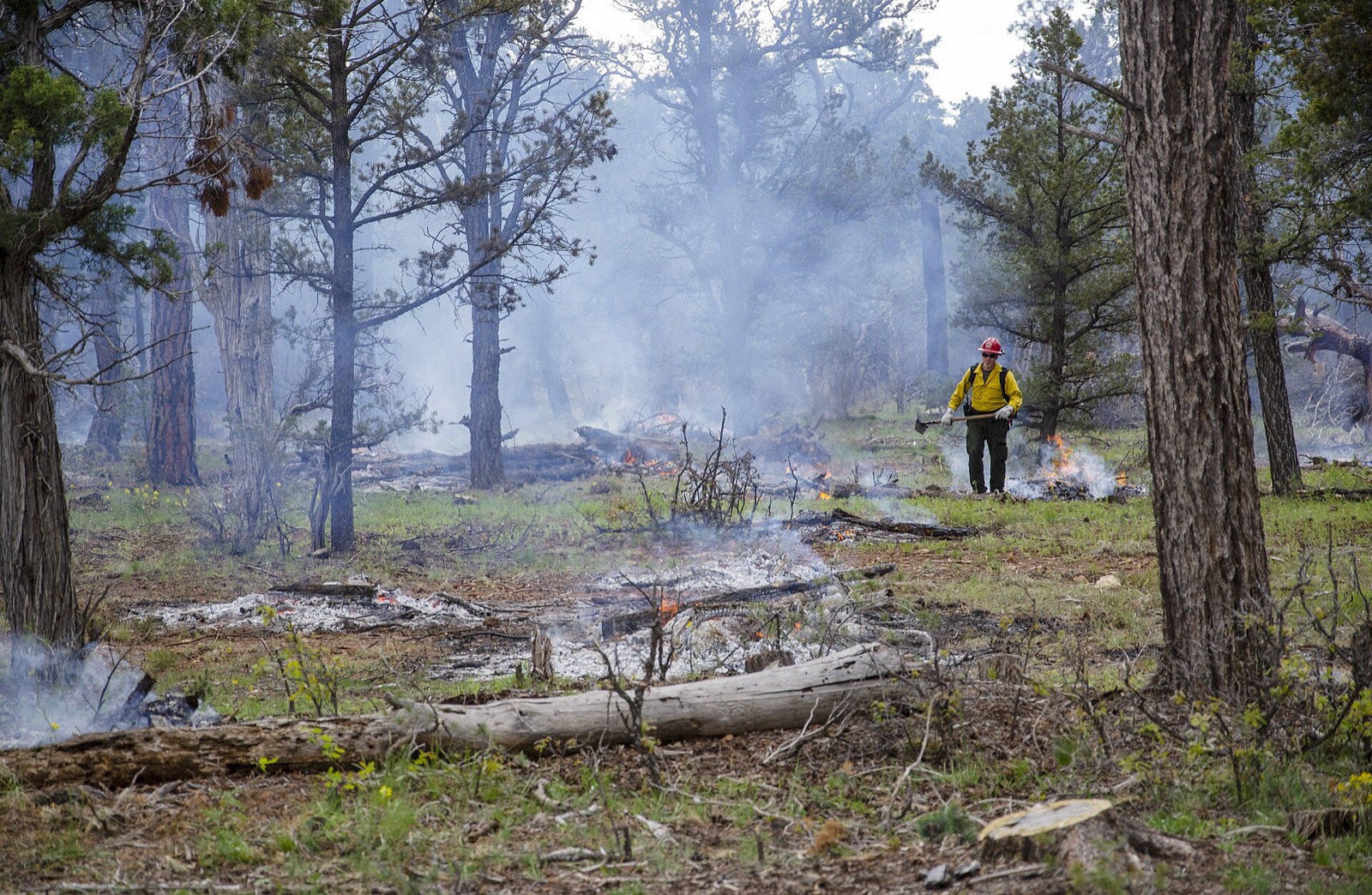
What you may and may not burn in Kansas
What the state names as burnable
- vegetation such as grass, woody species, crop residue, and other dry plant growth for the purpose of crop, range, pasture, wildlife or watershed management
- burning on a residential premise containing five or less dwelling units
- cooking or ceremonial fires on lands regularly used for recreational purposes
What it names as off the pile
- heavy oils
- tires
- tarpaper
Open burning of vegetation such as grass, woody species, crop residue, and other dry plant growth for the purpose of crop, range, pasture, wildlife or watershed management shall be exempt from the prohibition on the open burning of any materials imposed by K.A.R. 28-19-645KDHE Open Burning Regulations (K.A.R. 28-19-645 through K.A.R. 28-19-648), Kansas Department of Health and Environment, read September 23, 2026. Read it at the source
What Kansas asks of the weather and the site
Setbacks, wind limits and what has to be on hand. Kansas names a wind limit of 15 miles an hour, which is the kind of figure a permit is written against rather than a suggestion.
- wind between 5 and 15 mph
- no burning in fog, inclement weather or under a low ceiling
- no burning within 1,000 feet of an occupied dwelling unless you told the occupant first
- notify the local fire control authority before an agricultural burn starts
- call the highway patrol or sheriff if smoke may reach a road, and the airport if it may reach one within a mile
- someone supervises the fire until it is out
A person shall not burn during periods when surface wind speed is less than 5 mph or more than 15 mph.KDHE Open Burning Regulations (K.A.R. 28-19-645 through K.A.R. 28-19-648), Kansas Department of Health and Environment, read September 23, 2026. Read it at the source
What to check before you light in Kansas
A permit or a season says you may burn in general. What says you may burn today is separate, it changes daily on a wind and humidity forecast, and it overrides a permit already in hand. In Kansas it is published here.
your own county's burn permit and burn ban line, since Kansas runs no statewide daily burn call
Kansas Flint Hills Smoke Management, Kansas Department of Health and Environment
For more information on obtaining a burn permit, reporting a burn, or questions regarding burning, please contact your local Law Enforcement Center, Emergency Management Office or Fire Chief / Fire District.Kansas Flint Hills Smoke Management, Kansas Department of Health and Environment, read September 23, 2026. Read it at the source
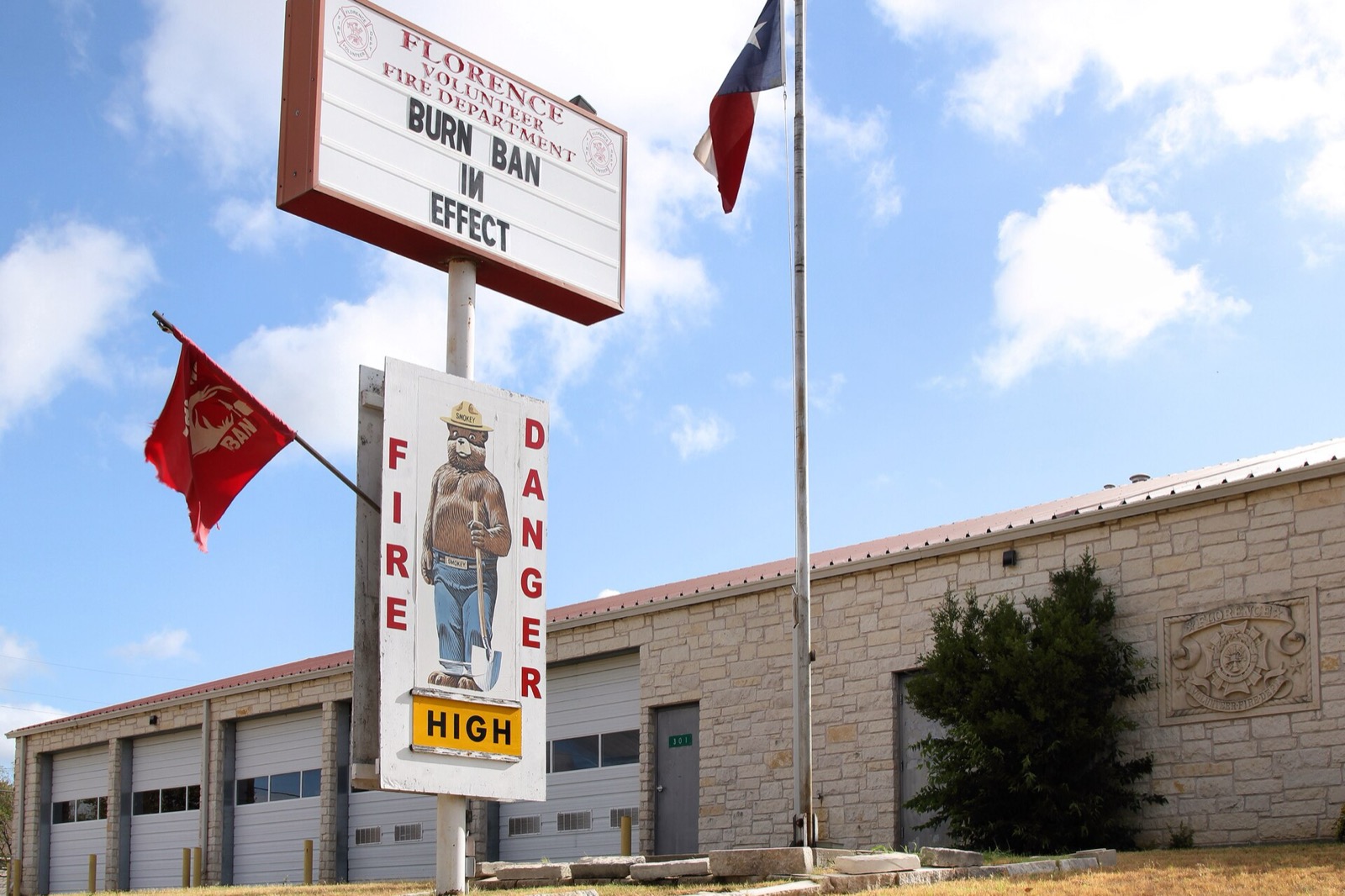
What your town can add in Kansas
Local jurisdictions may write stricter open burning rules than the state's, and in most cases the local fire department has the last word.
Nothing in this regulation shall restrict the authority of local jurisdictions to adopt more restrictive ordinances or resolutions governing agricultural open burning operations.KDHE Open Burning Regulations (K.A.R. 28-19-645 through K.A.R. 28-19-648), Kansas Department of Health and Environment, read September 23, 2026. Read it at the source
Kansas burn permit questions
Kansas rules read September 23, 2026 from KDHE Open Burning Regulations (K.A.R. 28-19-645 through K.A.R. 28-19-648), Kansas Department of Health and Environment. Rules change, a county or town may be stricter than the state, and a burn ban issued today overrides a season that is otherwise open. Every state is on the burn permit hub.