
North Carolina Burn Permit: Do You Need One and When
North Carolina requires a free N.C. Forest Service burn permit year round for any fire in or within 500 feet of state protected woodland, you can get it online in a few minutes, and the day you burn is governed by the county air quality forecast and by whatever burn ban is in force.
Do you need a burn permit in North Carolina?
Yes, and the state issues it
North Carolina requires a state burning permit, and the season it sets closes the daylight hours rather than the days.
- Who issues it
- N.C. Forest Service, North Carolina Department of Agriculture and Consumer Services
- Issued by
- a state forest ranger, a local permitting agent, or the state's own online burning permit system
- What it costs
- Free
- How long it lasts
- the dates you name on the application, one day or a range of days
Make sure to get a valid burn permit. Contact your NCFS county ranger's office for the names and locations of the nearest local permitting agent or use our online burning permit system.N.C. Forest Service - Fire Safety Outdoors, N.C. Forest Service, read September 23, 2026. Read it at the source
Where you get one
- Online burning permit system
- NCFS county ranger's office
- Local permitting agent
N.C. Forest Service, North Carolina Department of Agriculture and Consumer Services's permit system
When you may burn in North Carolina
North Carolina is one of the states where a pair of dates on its own gives the wrong answer. What follows is the rule in the agency's own words, with the shape of the season named above it.
Hours, not days
North Carolina sets no seasonal open burning window; a permit is required year round for a fire in or within 500 feet of state protected woodland, and in most counties only for fires lit between midnight and 4 p.m.
- Who sets it
- North Carolina General Assembly, General Statutes Chapter 106 Article 78
- Checked against
- Chapter 106, Article 78: Regulation of Open Fires, North Carolina General Statutes
It shall be unlawful for any person to start or cause to be started any fire or ignite any material in any woodland under the protection of the Department or within 500 feet of any such woodland during the hours starting at midnight and ending at 4:00 P.M. without first obtaining a permit from the Department.Chapter 106, Article 78: Regulation of Open Fires, North Carolina General Statutes, read September 23, 2026. Read it at the source
- North CarolinaHours, not days
North Carolina sets no seasonal open burning window; a permit is required year round for a fire in or within 500 feet of state protected woodland, and in most counties only for fires lit between midnight and 4 p.m.
The hours are part of the rule and are the piece most often missed: North Carolina allows burning residential yard waste and commercial land clearing burning only between 8 a.m. and 6 p.m., with nothing new added to the pile after 6 p.m..
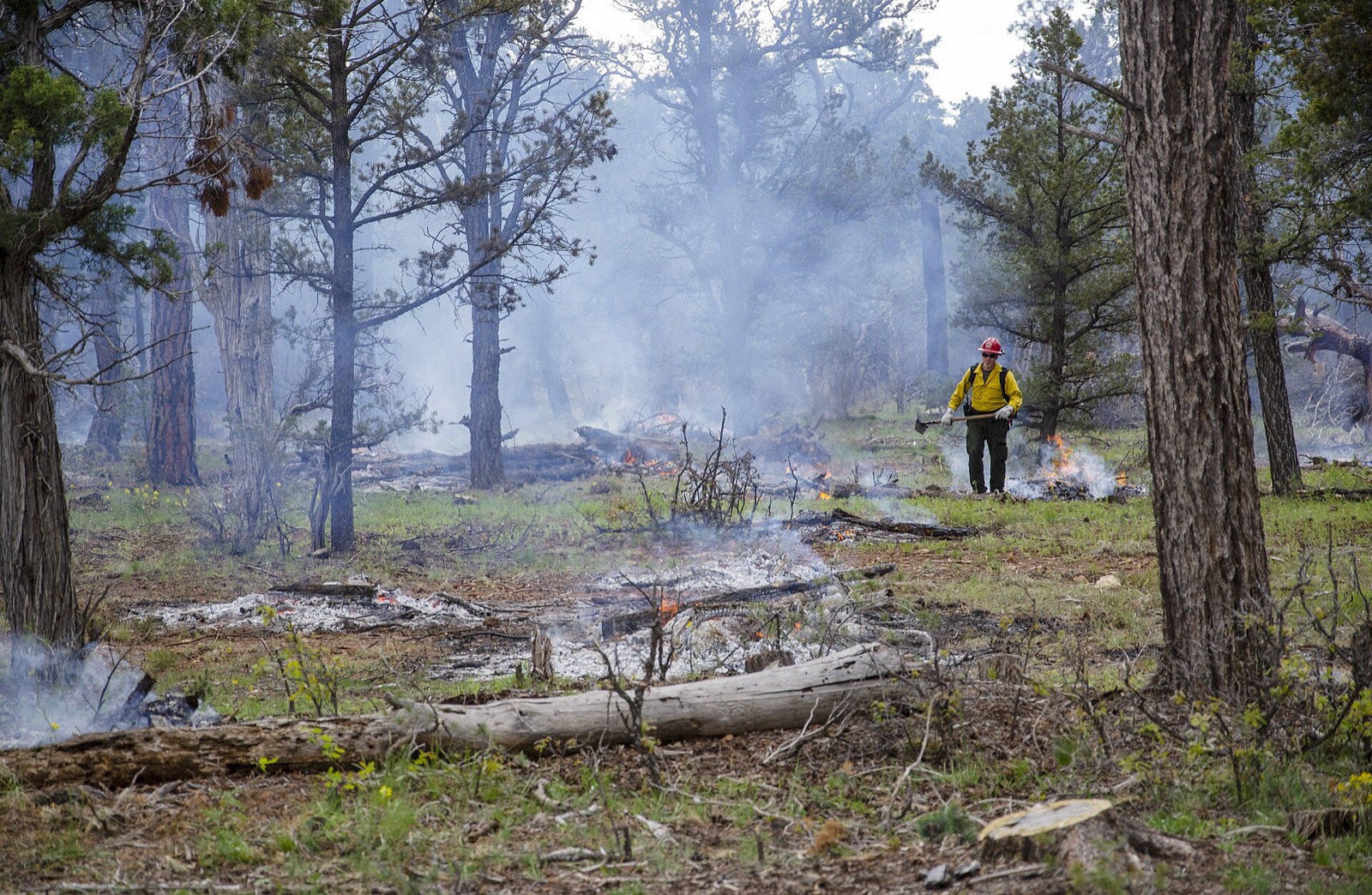
What you may and may not burn in North Carolina
What the state names as burnable
- leaves
- limbs
- brush
- firewood
- natural vegetation from your own yard
- logs, stumps, limbs and other natural vegetation as part of land clearing
- untreated clean wood
What it names as off the pile
- trash
- metal, including wire
- plastic
- newspaper, cardboard or paper
- treated or coated wood
- tires and other rubber products
- heavy oils
- asphalt shingles
- paints and household or agricultural chemicals
- buildings, including outbuildings and mobile homes
- any man-made, artificial or synthetic items
One of the most important open burning rules is: If it doesn't grow, don't burn it. It is ALWAYS illegal to burn trash, construction materials or anything man-made and non-vegetative.Open Burning, North Carolina Department of Environmental Quality, Division of Air Quality, read September 23, 2026. Read it at the source
What North Carolina asks of the weather and the site
Setbacks, wind limits and what has to be on hand. These are written into the rule rather than offered as advice.
- burn only when the air quality forecast is Code Green or Code Yellow
- yard waste must come from your own residence and be burned on that site
- prevailing winds at ignition must blow away from any town, development or major highway
- land clearing piles must sit at least 500 feet from occupied structures and at least 250 feet from a public road when the wind blows toward it
- never leave the fire unattended
- do not use heavy oils, asphaltic material or rubber to start or feed the fire
Yard waste must originate at a private residence and be burned on that site. In other words, residents can only burn vegetation from their own yard — not yard waste from other homes or locations — and only if it is allowed under local ordinances and only if public pickup is not available.Open Burning, North Carolina Department of Environmental Quality, Division of Air Quality, read September 23, 2026. Read it at the source
What to check before you light in North Carolina
A permit or a season says you may burn in general. What says you may burn today is separate, it changes daily on a wind and humidity forecast, and it overrides a permit already in hand. In North Carolina it is published here.
the state air quality forecast for your county, which decides whether burning is legal that day, plus any local or state burn ban
North Carolina Division of Air Quality
Also, burning is only allowed when the air quality forecast is Code Green or Code Yellow. Burning on Code Orange, Red or Purple days is prohibited.North Carolina Division of Air Quality, read September 23, 2026. Read it at the source
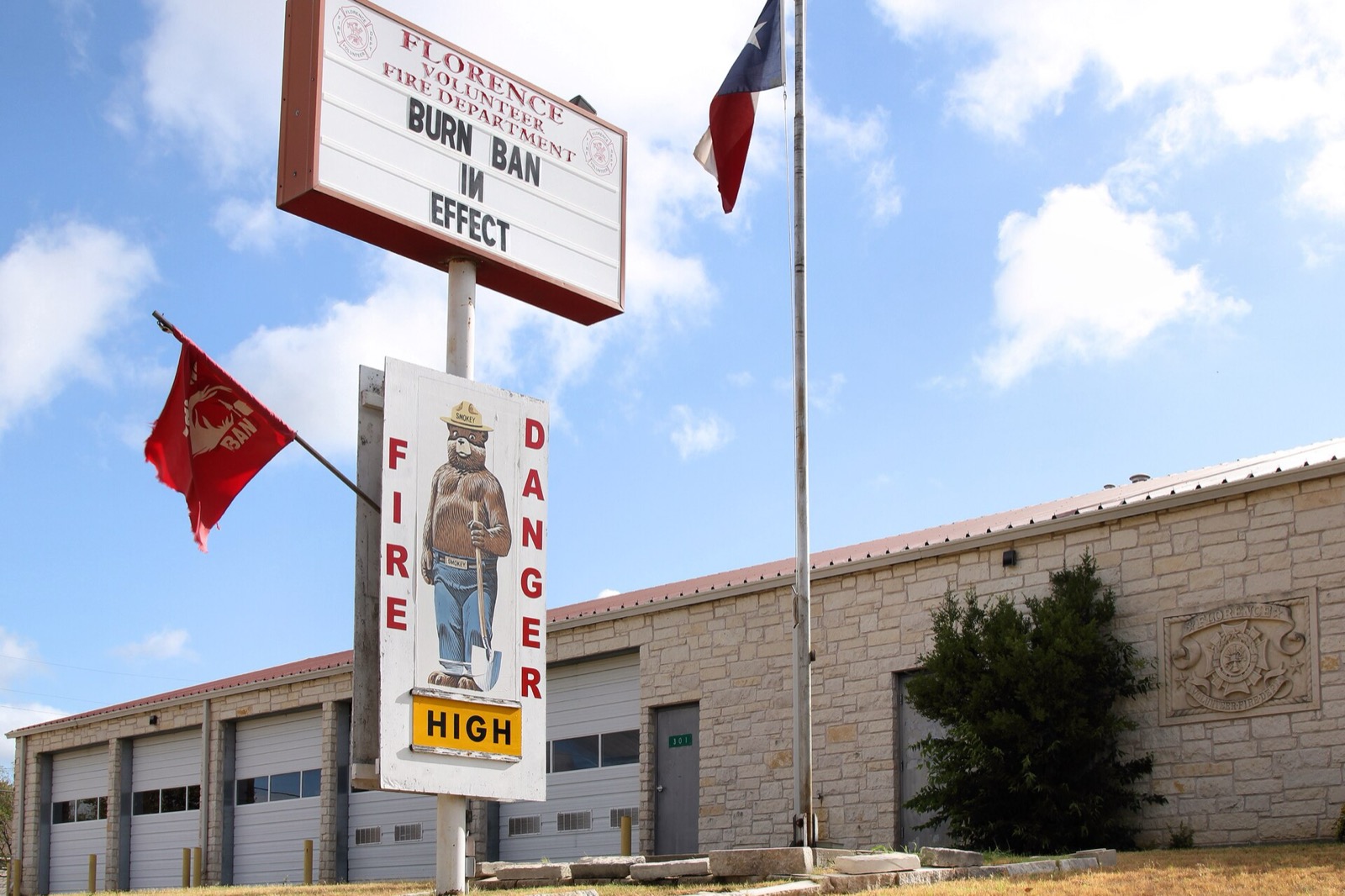
What your town can add in North Carolina
City and county ordinances, local burn bans and additional N.C. Forest Service permit conditions all sit on top of the state rules, and following the state rules does not make you compliant with them.
In addition to the state open burning rules, you may also be subjected to local ordinances, local burn bans, or permitting requirements from the N.C. Forest Service. Compliance with these open burning rules does not guarantee compliance with all local rules and regulations.N.C. Forest Service - Fire Safety Outdoors, N.C. Forest Service, read September 23, 2026. Read it at the source
North Carolina burn permit questions
Burn permits in other states
North Carolina rules read September 23, 2026 from N.C. Forest Service - Fire Safety Outdoors, N.C. Forest Service. Rules change, a county or town may be stricter than the state, and a burn ban issued today overrides a season that is otherwise open. Every state is on the burn permit hub.