
Connecticut Burn Permit: Do You Need One and When
Connecticut lets a resident burn brush on their own property on any day of the year, but only brush and only with a permit from their town's open burning official, and the burn is off when air quality is bad, when a health hazard would be created, when forest fire danger is extreme near woods or grass, or when the town has banned it.
Do you need a burn permit in Connecticut?
Yes, and the state issues it
Connecticut requires a state burning permit, and no part of the year is closed, so the answer is the daily check.
- Who issues it
- Connecticut Department of Energy and Environmental Protection
- Issued by
- the local open burning official of your own town, nominated by the town's chief executive officer and certified by the state commissioner
The commissioner shall allow the open burning of brush on residential property, provided the burning is conducted by the resident of the property or the agent of the resident and a permit for such burning is obtained from the local open burning official of the municipality in which the property is locatedSec. 22a-174, Chapter 446c Air Pollution Control, Connecticut General Statutes, read September 23, 2026. Read it at the source
Where you get one
- Local open burning official of the municipality
When you may burn in Connecticut
Statewide dates
The state closes no part of the year, so the answer is the daily check.
Connecticut sets no statewide open and close dates for burning brush: a homeowner may burn on any day the local open burning official issues a permit, as long as none of the five conditions that bar burning applies, and a town is free to ban burning outright.
- Who sets it
- Connecticut Department of Energy and Environmental Protection
- Checked against
- Sec. 22a-174, Chapter 446c Air Pollution Control, Connecticut General Statutes
Open burning may be engaged in for any of the following purposes if the open burning official with jurisdiction over the area where the burning will occur issues an open burning permit: Fire-training exercises; eradication or control of insect infestations or disease; agricultural purposes; clearing vegetative debris following a natural disaster; and vegetative management or enhancement of wildlife habitat or ecological sustainability on municipal property or on any privately owned property permanently dedicated as open space.Sec. 22a-174, Chapter 446c Air Pollution Control, Connecticut General Statutes, read September 23, 2026. Read it at the source
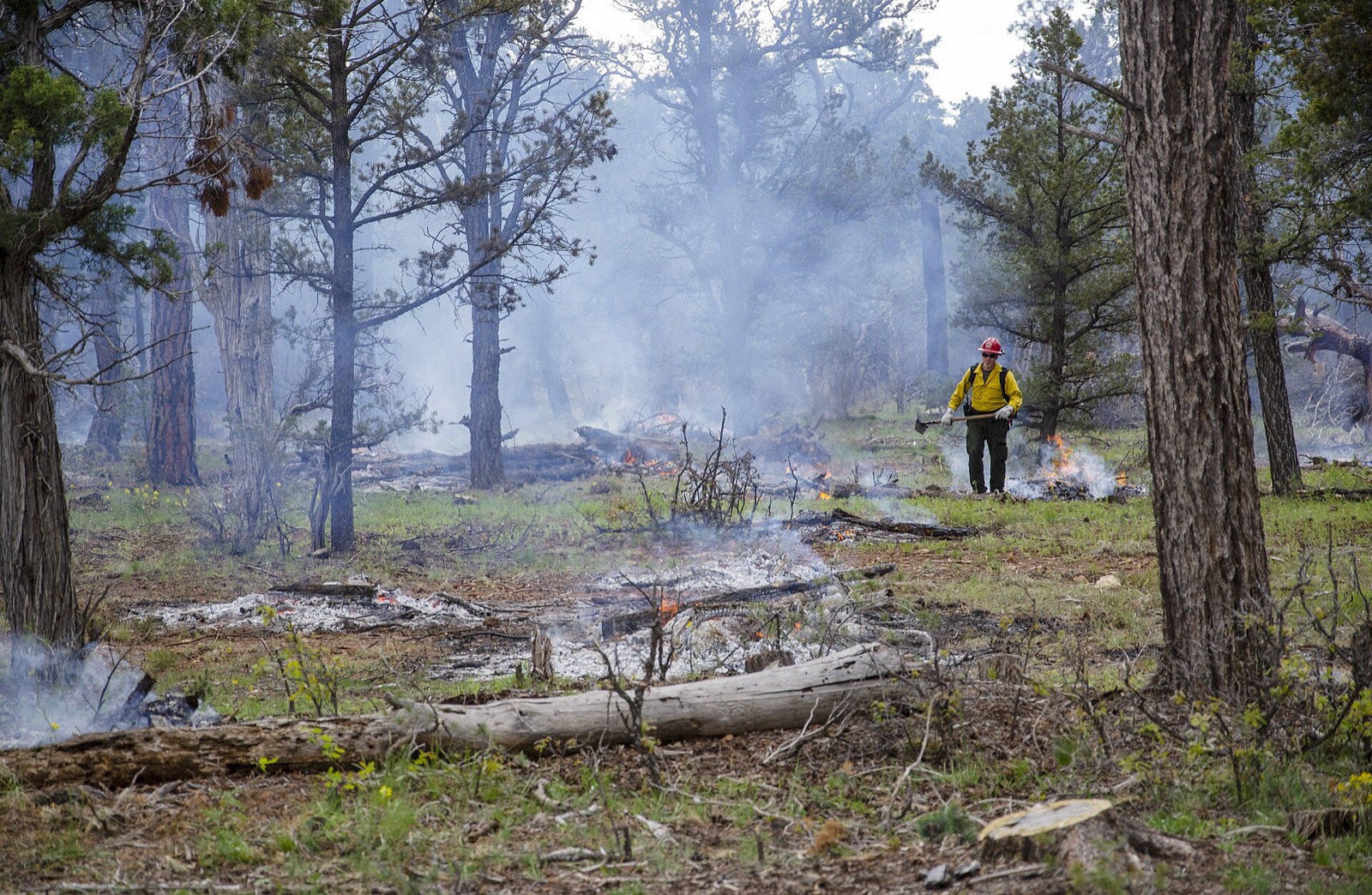
What you may and may not burn in Connecticut
What the state names as burnable
- brush on residential property
- nonprocessed wood for campfires and bonfires
The burning of nonprocessed wood for campfires and bonfires is not prohibited if the burning is conducted so as not to create a nuisance and in accordance with any restrictions imposed on such burning.Sec. 22a-174, Chapter 446c Air Pollution Control, Connecticut General Statutes, read September 23, 2026. Read it at the source
What Connecticut asks of the weather and the site
Setbacks, wind limits and what has to be on hand. These are written into the rule rather than offered as advice.
- no burning when national or state ambient air quality standards may be exceeded
- no burning where a hazardous health condition might be created
- no burning when the forest fire danger is called extreme and woodland or grass is within one hundred feet
- no burning while the commissioner has an air pollution episode advisory out
- no burning where a town ordinance prohibits it
except that no open burning of brush shall occur (1) when national or state ambient air quality standards may be exceeded; (2) where a hazardous health condition might be created; (3) when the forest fire danger in the area is identified by the commissioner as extreme and where woodland or grass land is within one hundred feet of the proposed burn; (4) where there is an advisory from the commissioner of any air pollution episode; (5) where prohibited by an ordinance of the municipalitySec. 22a-174, Chapter 446c Air Pollution Control, Connecticut General Statutes, read September 23, 2026. Read it at the source
What to check before you light in Connecticut
A permit or a season says you may burn in general. What says you may burn today is separate, it changes daily on a wind and humidity forecast, and it overrides a permit already in hand. In Connecticut it is published here.
the state's Forest Fire Danger Report, because a burn is barred when the danger in your area is called extreme and there is woodland or grass within one hundred feet of it
Connecticut Department of Energy and Environmental Protection
(3) when the forest fire danger in the area is identified by the commissioner as extreme and where woodland or grass land is within one hundred feet of the proposed burnConnecticut Department of Energy and Environmental Protection, read September 23, 2026. Read it at the source
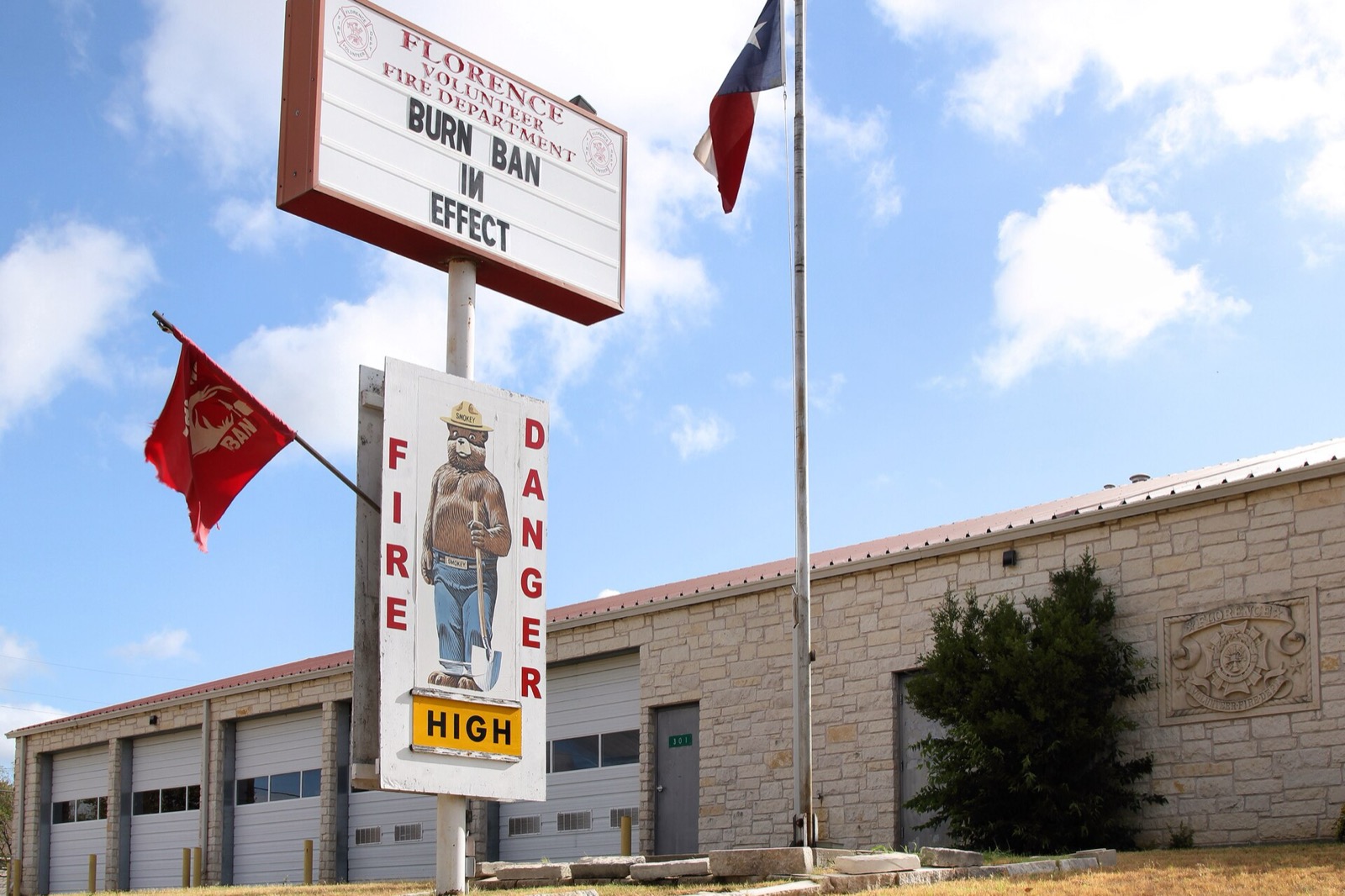
What your town can add in Connecticut
A Connecticut town may regulate or ban open burning of brush inside its own boundaries for any reason, and the town's open burning official is the person who decides whether you get a permit at all.
Nothing in this subsection or in any regulation adopted pursuant to this subsection shall affect the power of any municipality to regulate or ban the open burning of brush within its boundaries for any purpose.Sec. 22a-174, Chapter 446c Air Pollution Control, Connecticut General Statutes, read September 23, 2026. Read it at the source
Connecticut burn permit questions
Burn permits in other states
Connecticut rules read September 23, 2026 from Sec. 22a-174, Chapter 446c Air Pollution Control, Connecticut General Statutes. Rules change, a county or town may be stricter than the state, and a burn ban issued today overrides a season that is otherwise open. Every state is on the burn permit hub.