
Oregon Burn Permit: Do You Need One and When
Oregon burns yard debris in two named seasons, spring from March 1 to June 15 and fall from Oct. 1 to Dec. 15, in daylight only between 7:30 in the morning and two hours before sunset, but whether you need a permit and who hands it to you depends entirely on your address, so a reader checks DEQ's map and then calls the local fire district.
Do you need a burn permit in Oregon?
Yes, and your town or county issues it
Oregon leaves the permit to your town, county or fire district, and it runs more than one window a year, one of them Mar 1 to Jun 15.
- Who issues it
- Oregon Department of Environmental Quality
- Issued by
- whether you need one at all depends on your address: DEQ writes a letter permit for some burning, and cities, counties and fire districts run their own permits everywhere else
- How long it lasts
- a DEQ letter permit runs no more than 30 consecutive days with at most seven burning days; a yard debris permit instead covers a single burning season, or both the spring and fall seasons in one calendar year
In accordance with Division 264 Rules For Open Burning, DEQ may issue a letter permit for open burning of commercial, industrial, slash, construction or demolition waste and yard debris. All burning in the state of Oregon is subject to general requirements, prohibitions and weather conditions as well as the requirements of your local jurisdiction including cities, counties, and fire departments.Burning 101, Oregon Department of Environmental Quality, read September 23, 2026. Read it at the source
Where you get one
- Written application to a regional DEQ office
- Local fire district
That makes your town, county or fire district the office with the answer, and it is usually a short call: they say whether a permit is being issued at all right now, what it covers and what it costs. What Oregon itself publishes is below, and it is worth having in hand before you ring.
When you may burn in Oregon
Oregon is one of the states where a pair of dates on its own gives the wrong answer. What follows is the rule in the agency's own words, with the shape of the season named above it.
More than one window
Oregon names two yard debris burning seasons, a spring one from March 1 to June 15 and a fall one from Oct. 1 to Dec. 15, and a yard debris permit covers one of them or both in a calendar year.
There is a second window, October 1 through December 15: the fall yard debris season.
- Who sets it
- Oregon Department of Environmental Quality
- Checked against
- Burning 101, Oregon Department of Environmental Quality
A letter permit for yard debris is valid for a single burning season or for both the spring and fall burning seasons during a calendar year, as appropriate to the application and the fee paid pursuant to the schedule in section (10). The spring burning season is from March 1 to June 15 and the fall burning season is from Oct. 1 to Dec. 15.Burning 101, Oregon Department of Environmental Quality, read September 23, 2026. Read it at the source
Oregon names two yard debris burning seasons, a spring one from March 1 to June 15 and a fall one from Oct. 1 to Dec. 15, and a yard debris permit covers one of them or both in a calendar year.
The hours are part of the rule and are the piece most often missed: Oregon allows burning daylight only, from 7:30 a.m. until two hours before sunset.
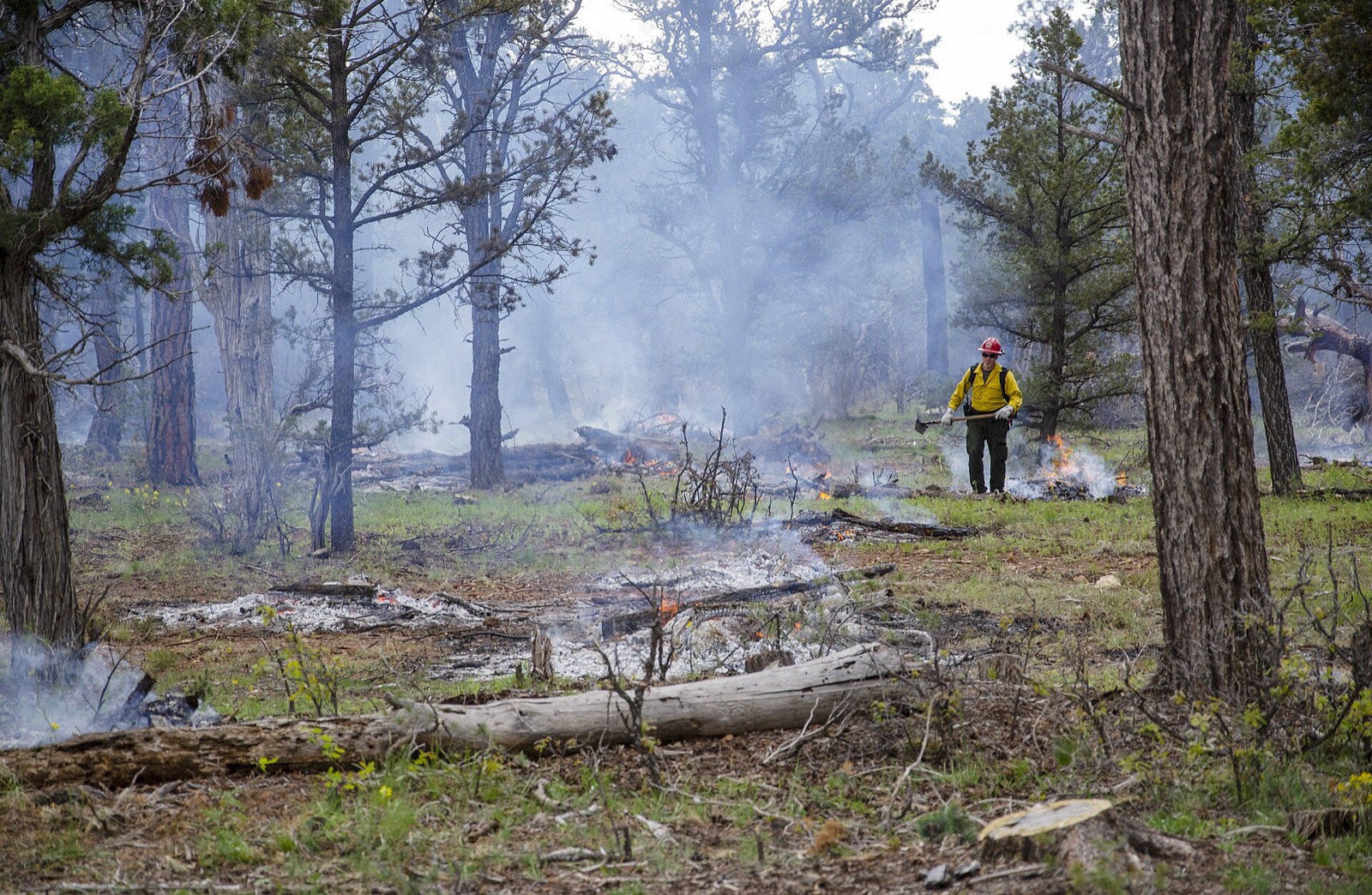
What you may and may not burn in Oregon
What the state names as burnable
- yard debris
- grass clippings
- leaves
- small woody debris
What it names as off the pile
- Asbestos
- Asphalt or industrial waste
- Automotive parts (including frames)
- Dead animals
- Plastic and rubber products
- Tires
- Waste oil, petroleum treated and related materials
- Wet garbage and food waste
- Any material creating dense smoke or noxious odors
Any allowable open burning must occur during daylight hours between 7:30 a.m. and two hours before sunset.Burning 101, Oregon Department of Environmental Quality, read September 23, 2026. Read it at the source
What Oregon asks of the weather and the site
Setbacks, wind limits and what has to be on hand. These are written into the rule rather than offered as advice.
- never leave a fire unattended
- burn material that is as dry as possible and keep it covered from rain and dew
- stack loosely and re-stack as it burns so piles do not smolder
- never start a fire with lighter fluid or accelerants
- follow your city or county code for how far a fire must sit from structures
Never start a fire with lighter fluid or accelerants. Heed city or county code for distance of fire pits to structures. Be aware of local Fire District or city burn bans.Before You Burn, Oregon Department of Environmental Quality, read September 23, 2026. Read it at the source
What to check before you light in Oregon
A permit or a season says you may burn in general. What says you may burn today is separate, it changes daily on a wind and humidity forecast, and it overrides a permit already in hand. In Oregon it is published here.
a DEQ interactive map that tells you what burning is allowed at your own address, alongside your local fire district's call for the day
Oregon Department of Environmental Quality
DEQ has created an interactive map that shows the statewide rules for burning restriction based on type of burning.Oregon Department of Environmental Quality, read September 23, 2026. Read it at the source
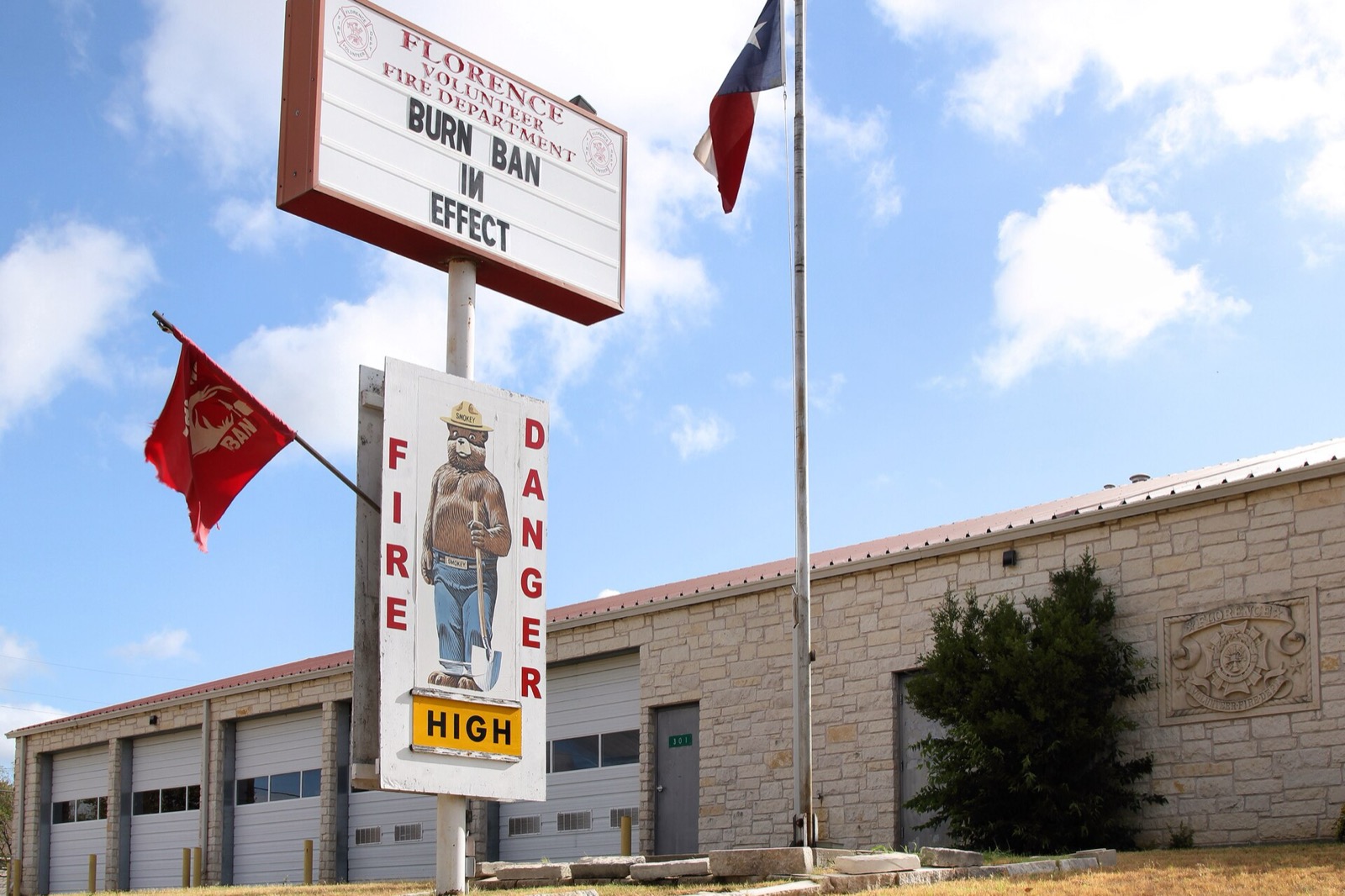
What your town can add in Oregon
Where you live decides nearly everything: Oregon Department of Forestry protection districts may forbid burning or demand their own permit, and cities, counties and fire departments set their own rules on top of the state's.
Certain areas of the state, such as Oregon Department of Forestry fire protection districts, do not allow burning or may require permits. Cities, counties and local fire districts also have their own restrictions on open burning.Burning 101, Oregon Department of Environmental Quality, read September 23, 2026. Read it at the source
Oregon burn permit questions
Oregon rules read September 23, 2026 from Burning 101, Oregon Department of Environmental Quality. Rules change, a county or town may be stricter than the state, and a burn ban issued today overrides a season that is otherwise open. Every state is on the burn permit hub.