
West Virginia Burn Permit: Do You Need One and When
A West Virginia homeowner needs no permit to burn leaves and brush, but during the two forest fire seasons, March through May and October through December, the fire may only be lit after 5 p.m. and must be out by 7 a.m., and it always needs a cleared 10 foot safety strip and somebody standing with it.
Do you need a burn permit in West Virginia?
Not from the state
West Virginia requires no state permit to burn yard debris, and the season it sets, Mar 1 to May 31, closes the daylight hours rather than the days.
- Who issues it
- West Virginia Division of Forestry
- Issued by
- nobody for a homeowner burning leaves and brush, who just keeps to the legal hours; the local Division of Forestry regional office issues the permit that lets commercial, utility and mining operations burn in the hours the fire season closes
- What it costs
- $125 each, for commercial, manufacturing, mining, public utility and like activities only
- How long it lasts
- the fire season during which it is issued
Commercial burning permits may be obtained by public utilities and people burning in conjunction with commercial, manufacturing, mining or like activities. These burning permits cost $125 each and are issued by local Division of Forestry offices.Permits and Payments, West Virginia Division of Forestry, read September 23, 2026. Read it at the source
Where you get one
- Local Division of Forestry offices
No permit is not the same as no rules. West Virginia still sets what may go on the pile, how far it has to be from a building, and the conditions it may be lit in, and a local ordinance can be stricter than the state on every one of those. All of it is below.
When you may burn in West Virginia
West Virginia is one of the states where a pair of dates on its own gives the wrong answer. What follows is the rule in the agency's own words, with the shape of the season named above it.
Hours, not daysMore than one window
West Virginia runs two forest fire seasons, March 1 through May 31 and October 1 through December 31, and during both of them outdoor burning is closed in daylight and allowed only between 5 p.m. and 7 a.m.
There is a second window, October 1 through December 31: the fall forest fire season, on the same 5 p.m. to 7 a.m. rule.
- Who sets it
- West Virginia Legislature
- Checked against
- West Virginia Code 20-3-5, Forest fire seasons; prohibited and permissible fires; burning permits and fees; fire control measures
Forest fire seasons. — March 1 through May 31, and October 1 through December 31 are designated as forest fire seasons. During any fire season, a person may set on fire or cause to be set on fire any forest land, or any grass, grain, stubble, slash, debris, or other inflammable materials only between 5 p.m. and 7 a.m., at which time the fire must be extinguished.West Virginia Code 20-3-5, Forest fire seasons; prohibited and permissible fires; burning permits and fees; fire control measures, read September 23, 2026. Read it at the source
West Virginia runs two forest fire seasons, March 1 through May 31 and October 1 through December 31, and during both of them outdoor burning is closed in daylight and allowed only between 5 p.m. and 7 a.m.
The hours are part of the rule and are the piece most often missed: West Virginia allows burning during a fire season, only between 5 p.m. and 7 a.m., and out by 7 a.m..
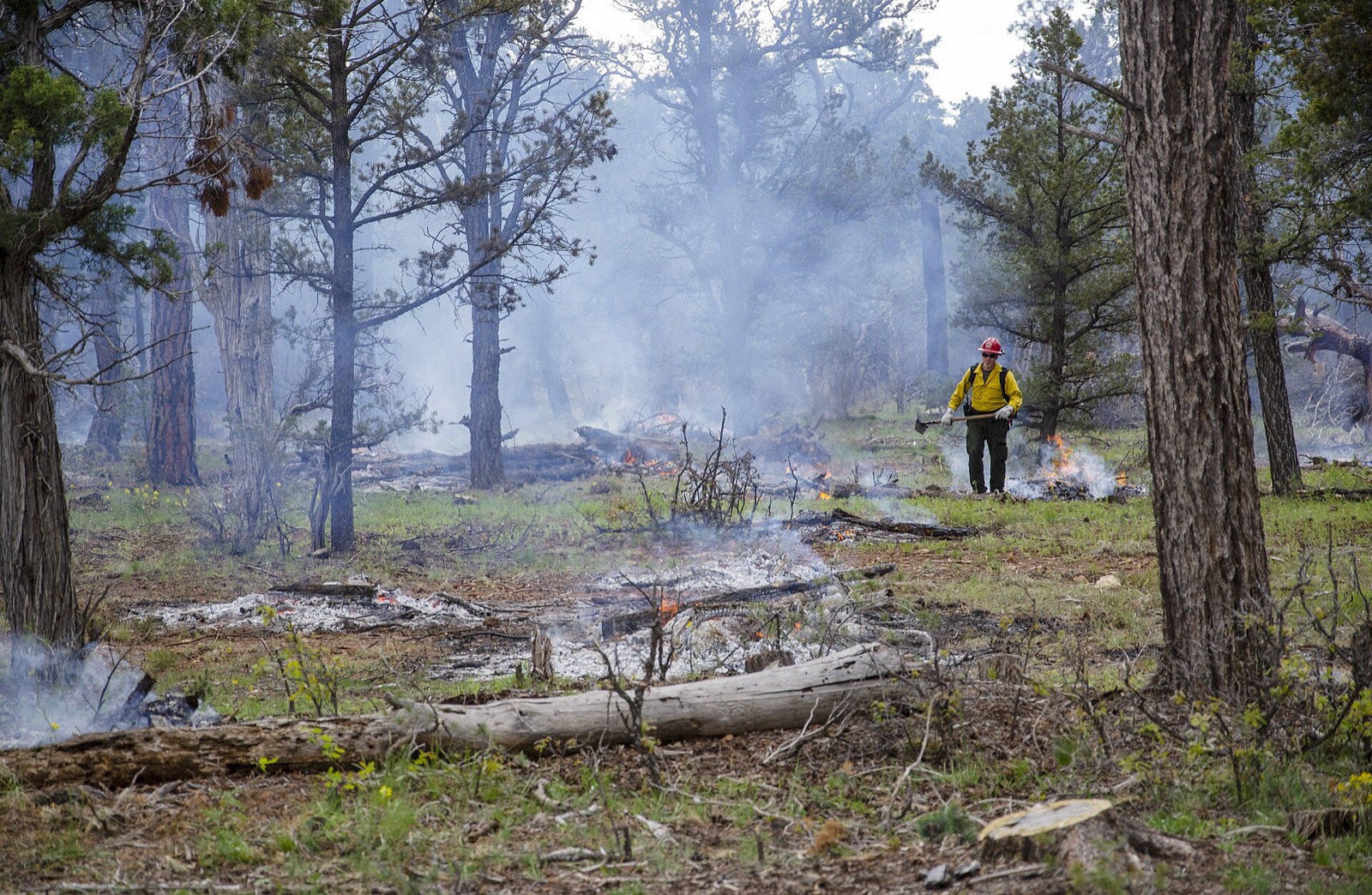
What you may and may not burn in West Virginia
What the state names as burnable
- vegetative materials
- leaves
- brush
- yard clippings
Only vegetative materials such as leaves, brush and yard clippings are permitted to be burntFire Burning Guidelines, West Virginia Division of Forestry, read September 23, 2026. Read it at the source
What West Virginia asks of the weather and the site
Setbacks, wind limits and what has to be on hand. These are written into the rule rather than offered as advice.
- every fire needs a ring or safety strip
- the safety strip is cleared of burnable material and at least 10 feet wide all the way around the pile
- stay with the fire until it is completely out
- a fire lit in the legal evening hours must be out by 7 a.m.
- snow an inch or deeper on the ground around the site lifts the fire season hours
All fires must have a ring or safety strip. The safety strip itself must be cleared of burnable material and be at least 10 feet wide, fully encompassing the debris pile. Fire must be attended until completely extinguished.Fire Burning Guidelines, West Virginia Division of Forestry, read September 23, 2026. Read it at the source
What to check before you light in West Virginia
A permit or a season says you may burn in general. What says you may burn today is separate, it changes daily on a wind and humidity forecast, and it overrides a permit already in hand. In West Virginia it is published here.
a statewide wildfire danger map with a rating to read against your own county before lighting a pile
West Virginia Division of Forestry
Compare the ratings and descriptions below to the Fire Danger map to determine if your area is safe for burning. If in doubt, please contact the West Virginia Division of Forestry to find out.West Virginia Division of Forestry, read September 23, 2026. Read it at the source
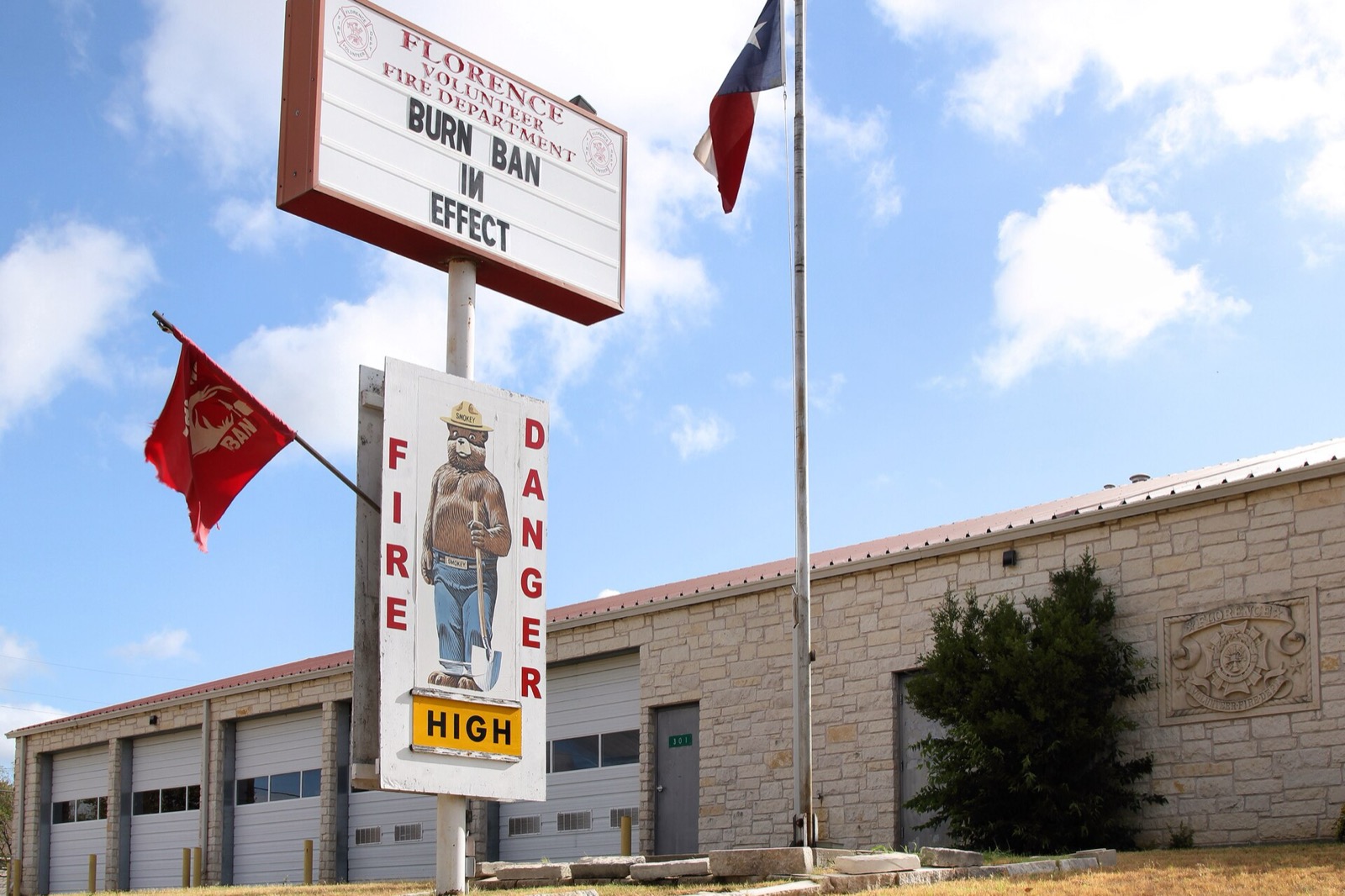
What your town can add in West Virginia
The state code lets the director, with the Governor's approval, close burning in any designated area at any time of year by proclamation, which is how a burn ban reaches a particular county.
With approval of the Governor, the director may prohibit the starting of and require the extinguishment of fire in any designated area, including fires permitted by this section.Permits and Payments, West Virginia Division of Forestry, read September 23, 2026. Read it at the source
West Virginia burn permit questions
Burn permits in other states
West Virginia rules read September 23, 2026 from Permits and Payments, West Virginia Division of Forestry. Rules change, a county or town may be stricter than the state, and a burn ban issued today overrides a season that is otherwise open. Every state is on the burn permit hub.