
Can They Shut Off Your Heat in Winter in Idaho?
Idaho protects a household that speaks up: a customer who tells a regulated gas or electric utility that it cannot pay in full and that a child, someone 62 or older, or someone whose health would be seriously impaired lives there cannot be shut off from December through March, or from November with a Winter Payment Plan set up before November 1, and the same household applies for seasonal or crisis heating assistance through its Community Action Agency.
What Idaho requires of a utility in winter
Once the household files, Dec 1 to Mar 31
From December through March a regulated gas or electric utility may not shut off or threaten to shut off residential service to a customer who declares an inability to pay in full and whose household includes a child, an elderly person or an infirm person, and the same household may take a Winter Payment Plan that pushes the protection back to November and sets the monthly payment at half the Level Pay Plan amount.
- What switches it on
- Idaho's protection is filed for rather than automatic, so a household that has not filed is not covered inside the season.
- Utilities named
- electric and gas
- Who it reaches
- The rule binds the utilities Idaho Public Utilities Commission regulates. A household on a municipal system or a rural cooperative is covered by that system's own policy instead.
- What the household must do
- Declare to the utility that the household cannot pay its bill in full and that someone in the primary household is a child of 18 or younger, a person 62 or older, or a person whose physical health or safety would be seriously impaired by losing service; establishing a Winter Payment Plan before November 1 extends the protection back to November.
That is Idaho Public Utilities Commission speaking through its own rule, and the sentence below is the one the summary above was built from. The citation is Idaho Public Utilities Commission, IDAPA 31.21.01, Rule 306.
Except as provided in Rule 303, no gas or electric utility may terminate service or threaten to terminate service during the months of December through March to any residential customer who declares that he or she is unable to pay in full for utility service at the primary household and whose primary household includes children, elderly or infirm persons.IDAPA 31.21.01, Customer Relations Rules for Gas, Electric, and Water Public Utilities (the Utility Customer Relations Rules), Idaho Public Utilities Commission, read September 23, 2026. Read it at the source
The step that switches the protection on in Idaho
Idaho is one of the states where the rule does not arrive on its own. Households who assume the season protects them find out otherwise in the middle of it, and the difference between the two outcomes is the paragraph below.
Declare to the utility that the household cannot pay its bill in full and that someone in the primary household is a child of 18 or younger, a person 62 or older, or a person whose physical health or safety would be seriously impaired by losing service; establishing a Winter Payment Plan before November 1 extends the protection back to November.
Do it before the disconnection date on the notice rather than after. Several states word the protection so that it stops a shutoff that has not happened yet and says nothing about restoring service that has.
Who to call in Idaho today
A certificate from a licensed physician or public health official naming a serious illness or medical emergency in the household delays a shutoff under Rule 308, and a household that took the winter protection settles the balance or negotiates a new payment arrangement on or after March 1 without a Winter Payment Plan, or on or after April 1 with one.
- Who takes the complaint
- Idaho Public Utilities Commission
- By phone
- (208) 334-0369 or 1-800-432-0369
Idaho Public Utilities Commission, how to file
If a customer who received the protection of this rule has an outstanding balance owed to the utility, the customer will either pay this balance or negotiate a new payment arrangement: a. On or after March 1, if the customer has not established a Winter Payment Plan; or b. On or after April 1, if the customer has established a Winter Payment plan.Idaho Public Utilities Commission, read September 23, 2026. Read it at the source
A commission’s consumer division is not a courtesy line. In most states a company must hold a disconnection while a formal complaint about that account is open, which is a different and stronger thing than asking the company to reconsider. Ring the utility first, then the commission if the answer is no.
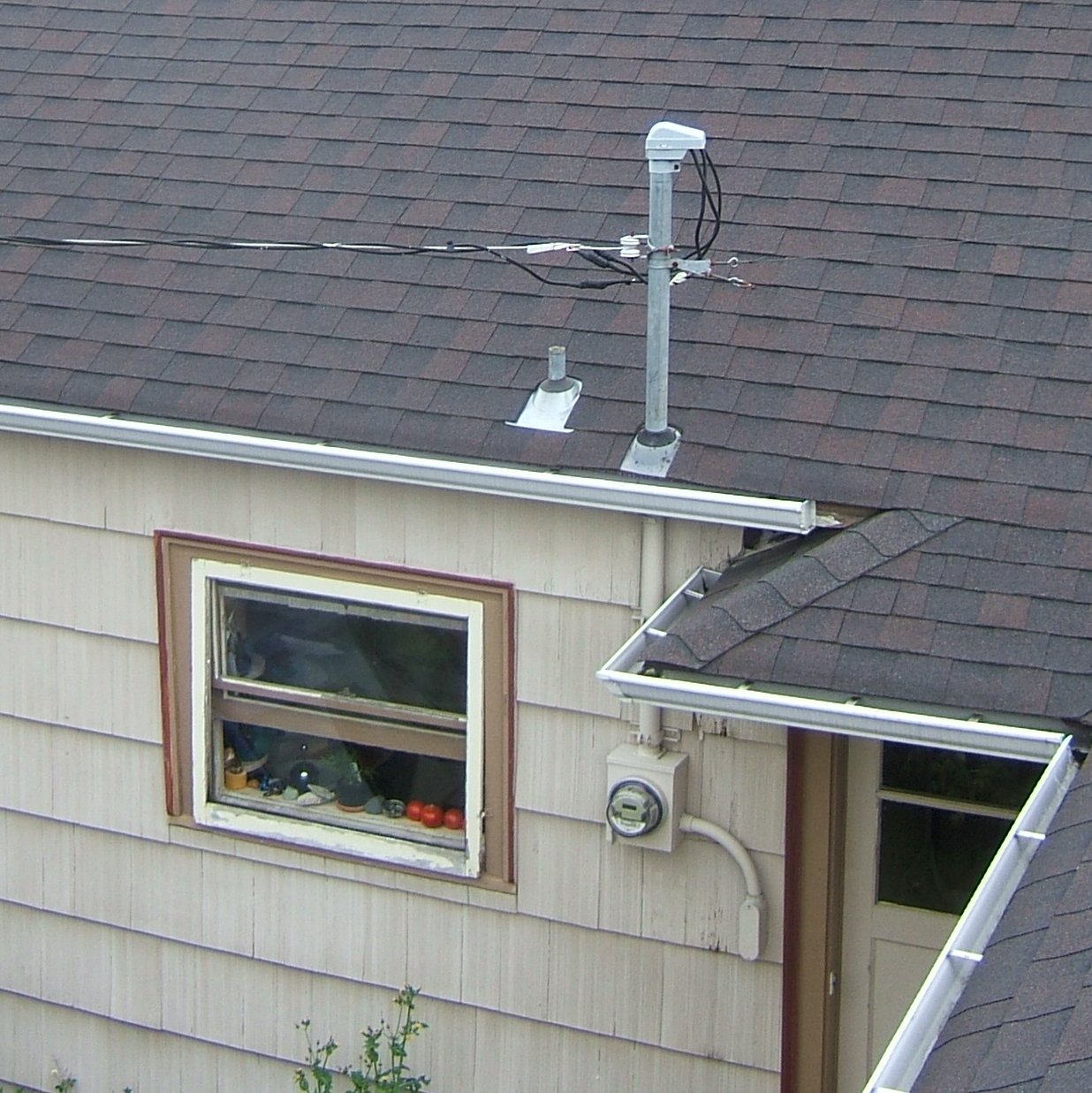
Does the Idaho rule cover your utility
The rule binds the utilities Idaho Public Utilities Commission regulates. A household on a municipal system or a rural cooperative is covered by that system's own policy instead.
That means a rural electric cooperative and a municipal light or gas department in Idaho answer to their own board or their own city council on this, not to Idaho Public Utilities Commission. Many adopt a winter policy of their own that is as protective or more so, and the place to find it is the cooperative's or the town's own tariff.
The rule names electric and gas service.
Idaho pays part of the heating bill through Low-Income Home Energy Assistance Program (LIHEAP), seasonal and crisis heating assistance
A shutoff rule and a heating grant are separate things, and in several states an approved grant application is itself what satisfies the filing the shutoff rule asks for. Idaho Department of Health and Welfare, delivered by Community Action Agencies serving every county runs it, opening October 1 and closing September 30. The income test is A monthly income limit by family size, published by the department and revised for each program year..
Families with children under the age of six, elderly or disabled members can apply for services beginning in October. All other families can begin applying for services in November.About Heating Assistance, Idaho Department of Health and Welfare, read September 23, 2026. Read it at the source
The full Idaho page, with the season, the income test and how to apply, is at heating assistance in Idaho.
Idaho winter shutoff questions
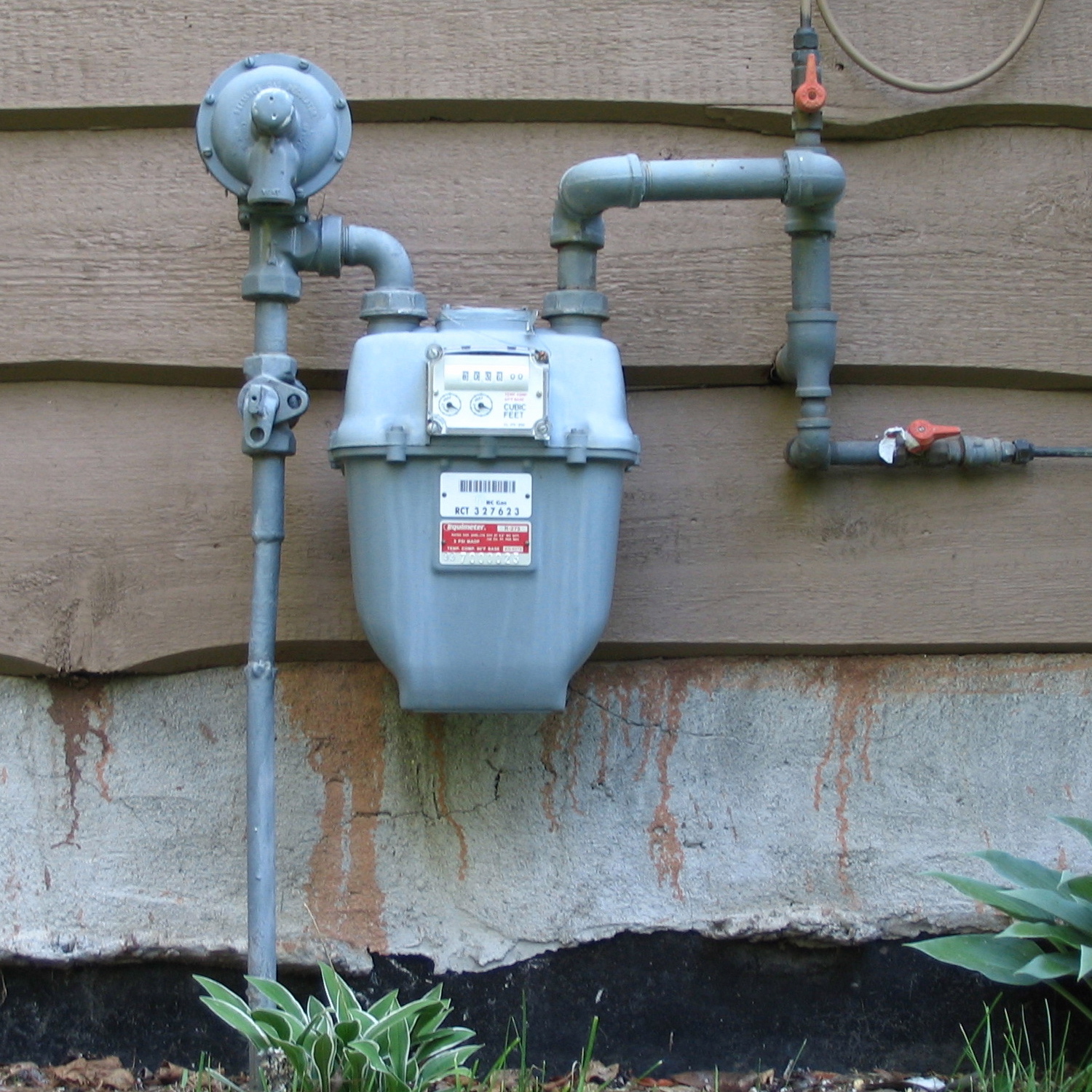
Winter shutoff rules in other states
Idaho read September 23, 2026 from IDAPA 31.21.01, Customer Relations Rules for Gas, Electric, and Water Public Utilities (the Utility Customer Relations Rules), Idaho Public Utilities Commission, linked above. A commission can order a company to do something its published rule does not require, and rules change between seasons, so the agency page is the one that governs. Every state is on the winter shutoff hub.