
Can They Shut Off Your Heat in Winter in West Virginia?
West Virginia protects a household by the thermometer rather than by the calendar: no regulated electric or gas utility may cut off service on a day the National Weather Service predicts 32 degrees or colder nearby, or on a Friday through Sunday or a holiday, while November 1 through March 31 is a Seasonal Time Period that forces three attempts at personal contact before any shutoff, and LIEAP opens for a short stretch each winter through county offices, Community Action sites and WV PATH.
What West Virginia requires of a utility in winter
At or below 32F
The Commission bars a utility from shutting off service on a day the National Weather Service predicts 32 degrees or colder near the service address, and separately defines November 1 through March 31 as a Seasonal Time Period that raises the notice and personal contact a utility must complete first without itself forbidding a disconnection.
- What switches it on
- West Virginia works off the forecast: the bar applies while the National Weather Service forecast is at or below 32F, and lapses when it is not.
- Utilities named
- electric and natural gas
- Who it reaches
- Public Service Commission of West Virginia does not state on the page the rule was read from whether municipal systems and cooperatives fall under the rule.
- What the household must do
- Nothing. Inside the rule it applies on its own.
That is Public Service Commission of West Virginia speaking through its own rule, and the sentence below is the one the summary above was built from. The citation is Public Service Commission of West Virginia, W. Va. Code St. R. 150-3-4.8 (Government of Electric Utilities, effective 7/11/2018) and 150-4-4.8 (Government of Gas Utilities and Gas Pipeline Safety, effective 7/11/2018).
4.8.2.b.9. Service shall not be discontinued on a day: 4.8.2.b.9.A. on which the utility or its designated agent is unable to accept payment and to negotiate a deferred payment agreement; 4.8.2.b.9.B. preceding a day on which the utility or its designated agent is unable to accept payment and to negotiate a deferred payment agreement; 4.8.2.b.9.C. that the National Weather Service predicts the temperature to be thirty-two (32) degrees or colder at or near the customer's service location. 4.8.2.b.9.D. that is a Friday, Saturday, Sunday or legal holiday.150-03 Government of Electric Utilities, Public Service Commission, West Virginia Code of State Rules, read September 23, 2026. Read it at the source
Who to call in West Virginia today
A household already shut off is reconnected once it pays at least half the delinquency plus any tariff deposit and signs a deferred payment agreement spreading the rest over six months, and service must be restored within eight hours of payment.
- Who takes the complaint
- Public Service Commission of West Virginia
- By phone
- 1-800-642-8544
Public Service Commission of West Virginia, how to file
If a customer fails to respond to a termination notice and the utility terminates service, the utility is not required to reconnect that customer unless the customer (i) pays up-front a minimum of one-half of the total delinquency or other amount ordered by the Commission, (ii) pays the deposit as provided in the utility tariff, and (iii) enters into a deferred payment agreement under which the remaining balance of the unpaid bills, plus a two (2) percent service fee on the remaining balance, is paid over six months.Public Service Commission of West Virginia, read September 23, 2026. Read it at the source
A commission’s consumer division is not a courtesy line. In most states a company must hold a disconnection while a formal complaint about that account is open, which is a different and stronger thing than asking the company to reconsider. Ring the utility first, then the commission if the answer is no.
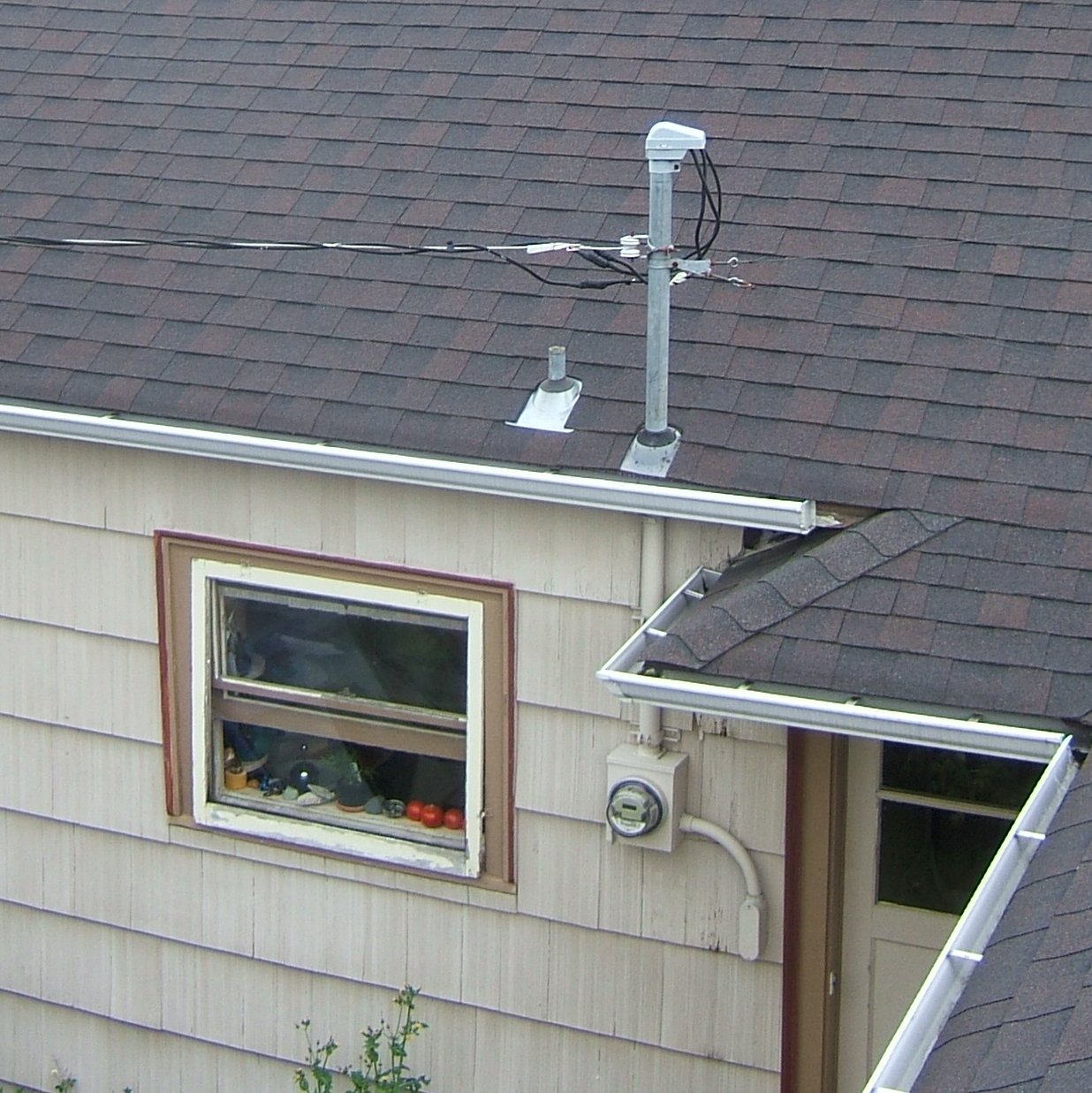
Does the West Virginia rule cover your utility
Public Service Commission of West Virginia does not state on the page the rule was read from whether municipal systems and cooperatives fall under the rule.
That means a rural electric cooperative and a municipal light or gas department in West Virginia answer to their own board or their own city council on this, not to Public Service Commission of West Virginia. Many adopt a winter policy of their own that is as protective or more so, and the place to find it is the cooperative's or the town's own tariff.
The rule names electric and natural gas service.
West Virginia pays part of the heating bill through Low Income Energy Assistance Program (LIEAP)
A shutoff rule and a heating grant are separate things, and in several states an approved grant application is itself what satisfies the filing the shutoff rule asks for. West Virginia Department of Human Services, Bureau for Family Assistance, Division of Family Assistance Policy runs it. The income test is countable monthly household income at or below the LIEAP guideline for the household size published by the Bureau for Family Assistance for the current fiscal year.
LIEAP assists eligible households with the cost of home heating through direct cash payments or payments to utility companies on their behalf. A crisis component is available for households without resources facing the loss of a heating source. Eligibility for both program components is based on a combination of factors, including income, type of heating payment, and total heating costs. The BFA Division of Family Assistance Policy (DFAP) operates LIEAP in each of the West Virginia Department of Human Services (DoHS) field offices for a short time each winter, usually beginning with a mail-out to targeted households.Utility Assistance/LIEAP, West Virginia Bureau for Family Assistance, read September 23, 2026. Read it at the source
The full West Virginia page, with the season, the income test and how to apply, is at heating assistance in West Virginia.
West Virginia winter shutoff questions
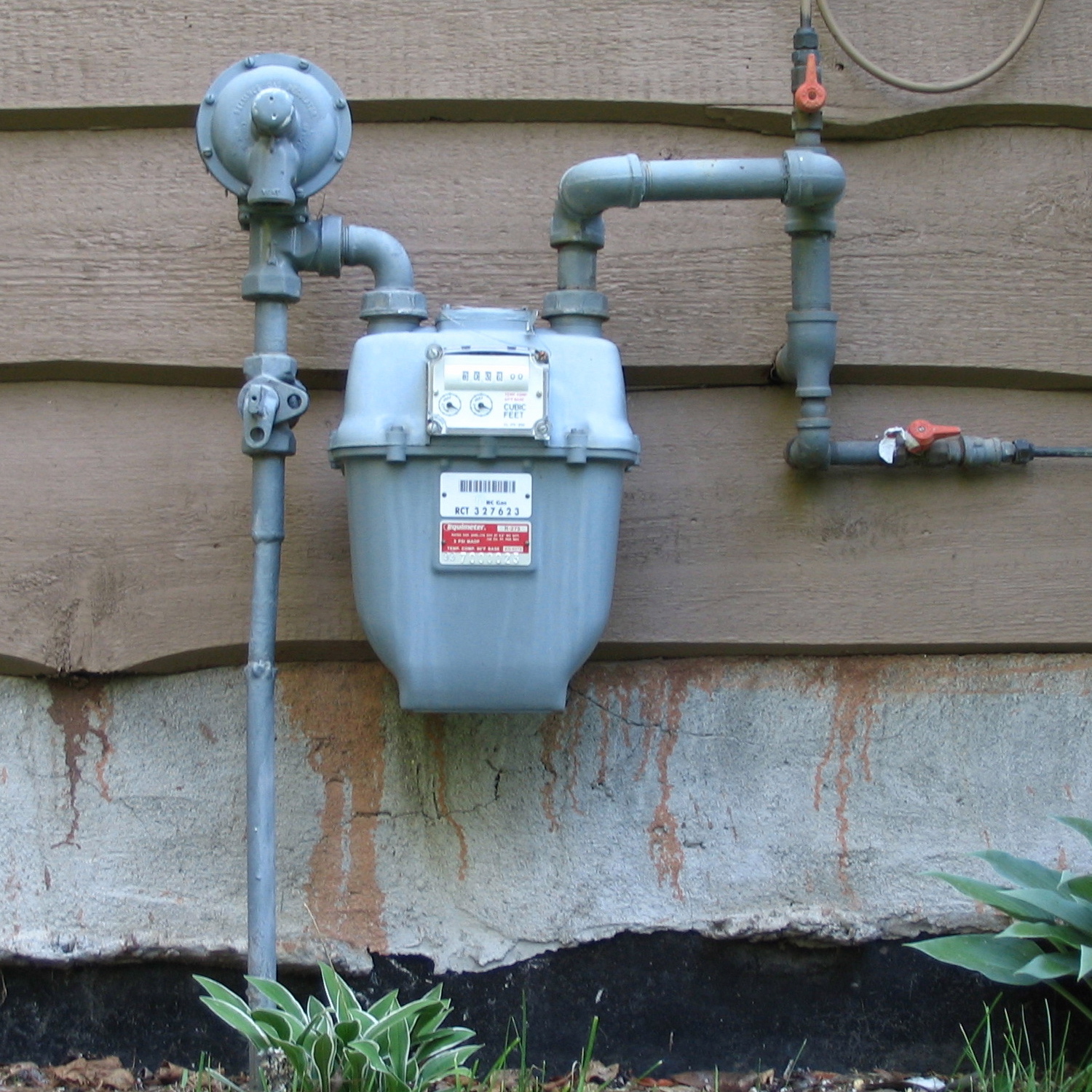
Winter shutoff rules in other states
West Virginia read September 23, 2026 from 150-03 Government of Electric Utilities, Public Service Commission, West Virginia Code of State Rules, linked above. A commission can order a company to do something its published rule does not require, and rules change between seasons, so the agency page is the one that governs. Every state is on the winter shutoff hub.