
Can They Shut Off Your Heat in Winter in Connecticut?
Connecticut protects a household from an electric or gas shut off between November 1 and May 1, but only once the utility has put a financial hardship or medical protection designation on the account, which is why the state tells people to apply for energy assistance or bring proof of income to the utility or a Community Action Agency before winter starts.
What Connecticut requires of a utility in winter
November 1 to May 1
From November 1 to May 1 an electric or gas utility, including a municipal one, may not terminate, deny or refuse to reinstate residential service in hardship cases where the customer lacks the financial resources to pay the whole account.
- What switches it on
- Connecticut Public Utilities Regulatory Authority's rule runs from November 1 to May 1 and applies inside those dates on its own, without the household filing anything.
- Utilities named
- electric and gas used for heat
- Who it reaches
- Connecticut Public Utilities Regulatory Authority's rule reaches municipal systems and cooperatives as well as the utilities it regulates.
- What the household must do
- The household has to get a financial hardship or medical protection designation put on its account by contacting its utility or a Community Action Agency with proof of income or proof that it receives a qualifying benefit, and renew that designation each year with fresh documentation in October.
That is Connecticut Public Utilities Regulatory Authority speaking through its own rule, and the sentence below is the one the summary above was built from. The citation is Connecticut Public Utilities Regulatory Authority, Conn. Gen. Stat. Section 16-262c(b)(1).
From November first to May first, inclusive, no electric distribution company, as defined in section 16-1, no electric supplier and no municipal utility furnishing electricity shall terminate, deny or refuse to reinstate residential electric service in hardship cases where the customer lacks the financial resources to pay his or her entire account.Chapter 283, Section 16-262c, General Statutes of Connecticut, Connecticut General Assembly, read September 23, 2026. Read it at the source
The step that switches the protection on in Connecticut
Connecticut is one of the states where the rule does not arrive on its own. Households who assume the season protects them find out otherwise in the middle of it, and the difference between the two outcomes is the paragraph below.
The household has to get a financial hardship or medical protection designation put on its account by contacting its utility or a Community Action Agency with proof of income or proof that it receives a qualifying benefit, and renew that designation each year with fresh documentation in October.
Do it before the disconnection date on the notice rather than after. Several states word the protection so that it stops a shutoff that has not happened yet and says nothing about restoring service that has.
Who to call in Connecticut today
The winter rule also bars a refusal to reinstate, so a hardship household already off can be put back on during the window, and a physician certified life threatening medical protection stops a shut off at any time of year as long as the household keeps paying its current bill or stays on a payment arrangement.
- Who takes the complaint
- Connecticut Public Utilities Regulatory Authority, Customer Affairs Resolution Center
- By phone
- 1-800-382-4586
Connecticut Public Utilities Regulatory Authority, Customer Affairs Resolution Center, how to file
In Connecticut, gas and electricity may not be shut off any time if a customer’s physician’s office certifies that their account qualifies for a life-threatening medical protection designation.Connecticut Department of Social Services, read September 23, 2026. Read it at the source
A commission’s consumer division is not a courtesy line. In most states a company must hold a disconnection while a formal complaint about that account is open, which is a different and stronger thing than asking the company to reconsider. Ring the utility first, then the commission if the answer is no.
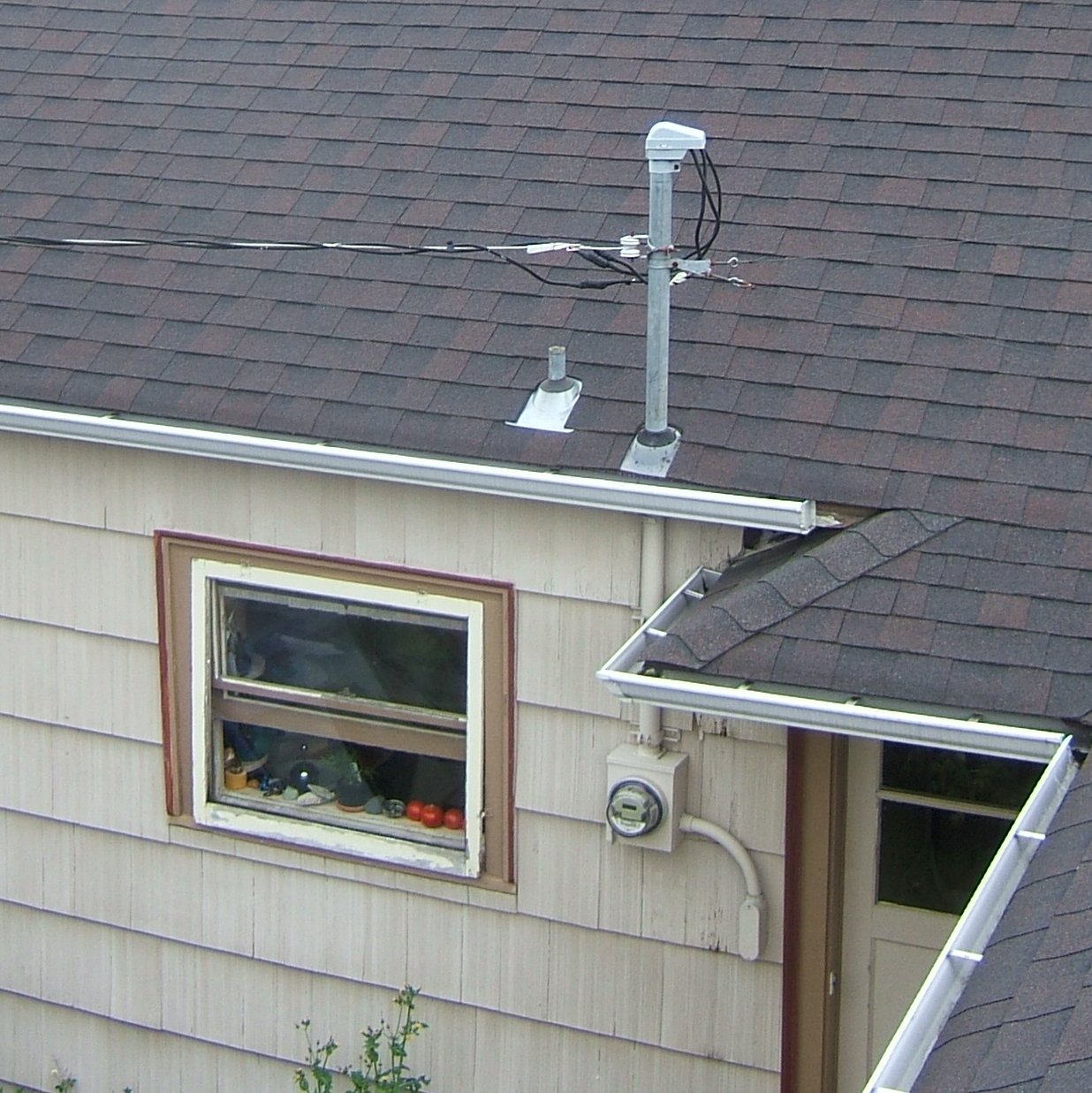
Does the Connecticut rule cover your utility
Connecticut Public Utilities Regulatory Authority's rule reaches municipal systems and cooperatives as well as the utilities it regulates.
Because Connecticut writes the rule wider than the companies its commission regulates, a rural electric cooperative and a municipal light department are inside it too. Check the name on the bill anyway: the rule names classes of company rather than every company.
The rule names electric and gas used for heat service.
Connecticut pays part of the heating bill through Connecticut Energy Assistance Program (CEAP)
A shutoff rule and a heating grant are separate things, and in several states an approved grant application is itself what satisfies the filing the shutoff rule asks for. Connecticut Department of Social Services runs it, opening September 1 and closing May 31. The income test is household income at or below 60 percent of the Connecticut state median income, or receipt of SNAP, TANF, SSI or other qualifying Department of Social Services benefits.
The Connecticut Energy Assistance Program (CEAP) helps residents offset their home heating costs. ... Administered by the Connecticut Department of Social Services in partnership with local Community Action AgenciesConnecticut Energy Assistance Program, Connecticut Department of Social Services, read September 23, 2026. Read it at the source
The full Connecticut page, with the season, the income test and how to apply, is at heating assistance in Connecticut.
Connecticut winter shutoff questions
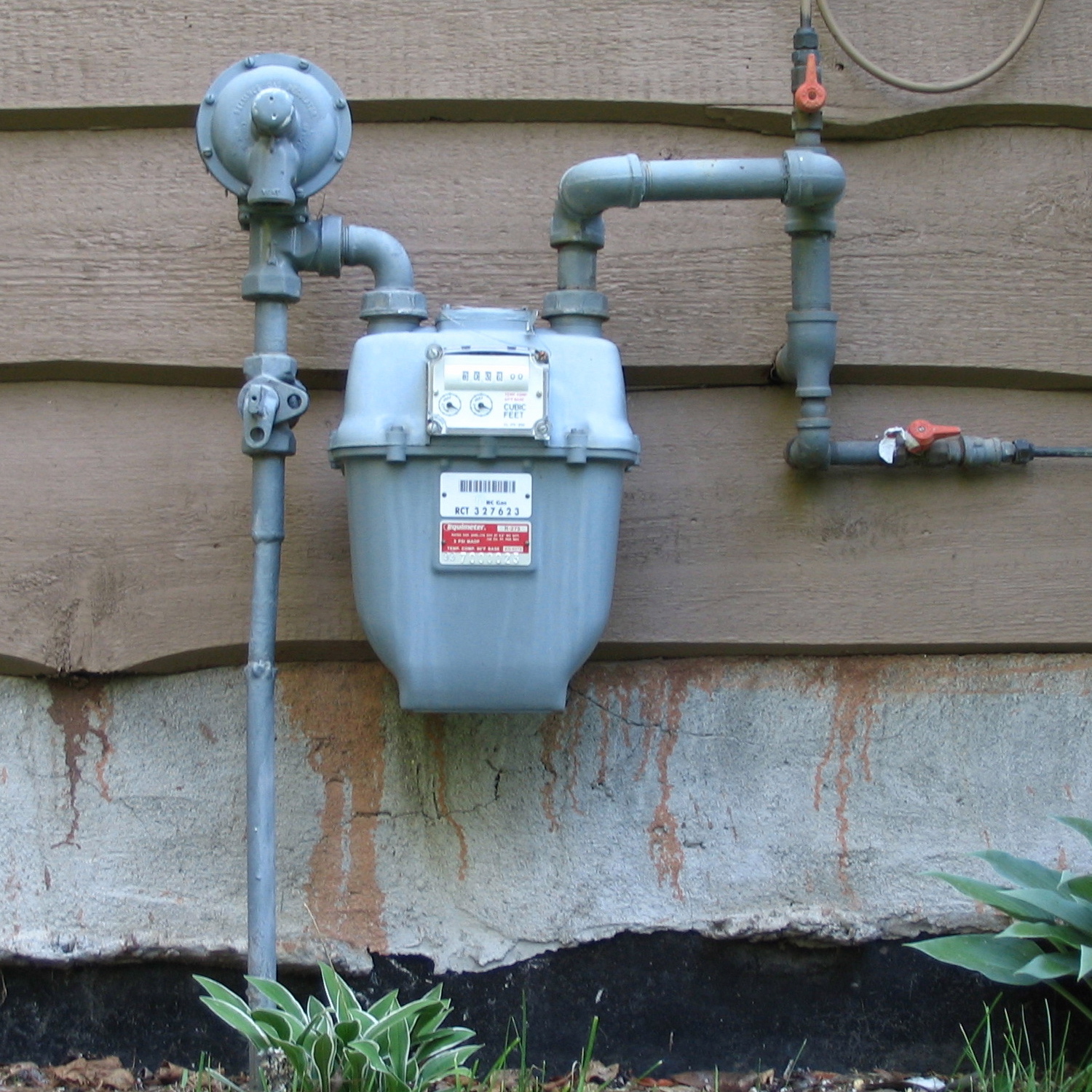
Winter shutoff rules in other states
Connecticut read September 23, 2026 from Chapter 283, Section 16-262c, General Statutes of Connecticut, Connecticut General Assembly, linked above. A commission can order a company to do something its published rule does not require, and rules change between seasons, so the agency page is the one that governs. Every state is on the winter shutoff hub.