
Can They Shut Off Your Heat in Winter in North Carolina?
North Carolina's winter protection is not automatic: between November 1 and March 31 a regulated electric or gas utility needs the Commission's express approval to cut off a household that shows a member is 65 or older or handicapped, that it cannot pay, and that the county social services office has certified it eligible for crisis assistance, and the same county office takes LIEAP heating applications from older and disabled households in December and from everyone else January through March.
What North Carolina requires of a utility in winter
Once the household files, Nov 1 to Mar 31
For bills rendered between November 1 and March 31, a Commission regulated electric or natural gas utility may not terminate residential service without the express approval of the Commission if the household establishes all three of the rule's conditions.
- What switches it on
- North Carolina's protection is filed for rather than automatic, so a household that has not filed is not covered inside the season.
- Utilities named
- electric and natural gas
- Who it reaches
- The rule binds the utilities North Carolina Utilities Commission regulates. A household on a municipal system or a rural cooperative is covered by that system's own policy instead.
- What the household must do
- Establish to the utility that a household member is handicapped or 65 or older, that the customer cannot pay the bill in full or on the rule's installment terms, and that the local social service office has certified the household eligible for energy crisis assistance whether or not funds are available.
That is North Carolina Utilities Commission speaking through its own rule, and the sentence below is the one the summary above was built from. The citation is North Carolina Utilities Commission, N.C.U.C. Rule R12-10(h)(6) (natural gas) and Rule R12-11(l)(6) (electric).
With respect to bills rendered between November 1 and March 31 of every year and in conformity with the policy considerations expressed by Congress in the Public Utility Regulatory Policies Act (PURPA) of 1978, the notice of proposed termination shall also contain a statement that no termination shall take place without the express approval of the Commission if the customer can establish all of the following: (a) That a member of the customer's household is either handicapped or elderly (65 years of age or older), or both. (b) That the customer is unable to pay for such service in full or in accordance with subsection (l)(3) of this rule. (c) That the household is certified by the local social service office which administers the Energy Crisis Assistance Program or other similar programs as being eligible (whether funds are then available or not) to receive assistance under such programs.Chapter 12. Customer Deposits for Utility Services: Disconnecting of Service, North Carolina Utilities Commission Rules, read September 23, 2026. Read it at the source
The step that switches the protection on in North Carolina
North Carolina is one of the states where the rule does not arrive on its own. Households who assume the season protects them find out otherwise in the middle of it, and the difference between the two outcomes is the paragraph below.
Establish to the utility that a household member is handicapped or 65 or older, that the customer cannot pay the bill in full or on the rule's installment terms, and that the local social service office has certified the household eligible for energy crisis assistance whether or not funds are available.
Do it before the disconnection date on the notice rather than after. Several states word the protection so that it stops a shutoff that has not happened yet and says nothing about restoring service that has.
Who to call in North Carolina today
The utility must try to reach the household in person within 24 hours of a shutoff and at the door, and at that point may take payment, make credit arrangements, or postpone termination for a household that qualifies under the November 1 to March 31 provision; if nobody is home the notice left behind must say the customer can go straight back to the utility to arrange reconnection.
- Who takes the complaint
- Public Staff, North Carolina Utilities Commission, Consumer Services Division
- By phone
- 866-380-9816 toll free, 919-880-1837 for all others
Public Staff, North Carolina Utilities Commission, Consumer Services Division, how to file
make satisfactory credit arrangements; agree to postpone termination during the period November 1 to March 31 if the customer qualifies for postponement under subsection (h)(6) of this rule; or, in the absence of any of the arrangements or circumstances listed above, terminate service. If personal contact cannot be made by the utility, a notice indicating that service has been terminated shall be left in a conspicuous place at the residence where such service was terminated. Such notice shall specify that the customer may have immediate recourse to the utility in order to arrange for reconnection of service.North Carolina Utilities Commission, read September 23, 2026. Read it at the source
A commission’s consumer division is not a courtesy line. In most states a company must hold a disconnection while a formal complaint about that account is open, which is a different and stronger thing than asking the company to reconsider. Ring the utility first, then the commission if the answer is no.
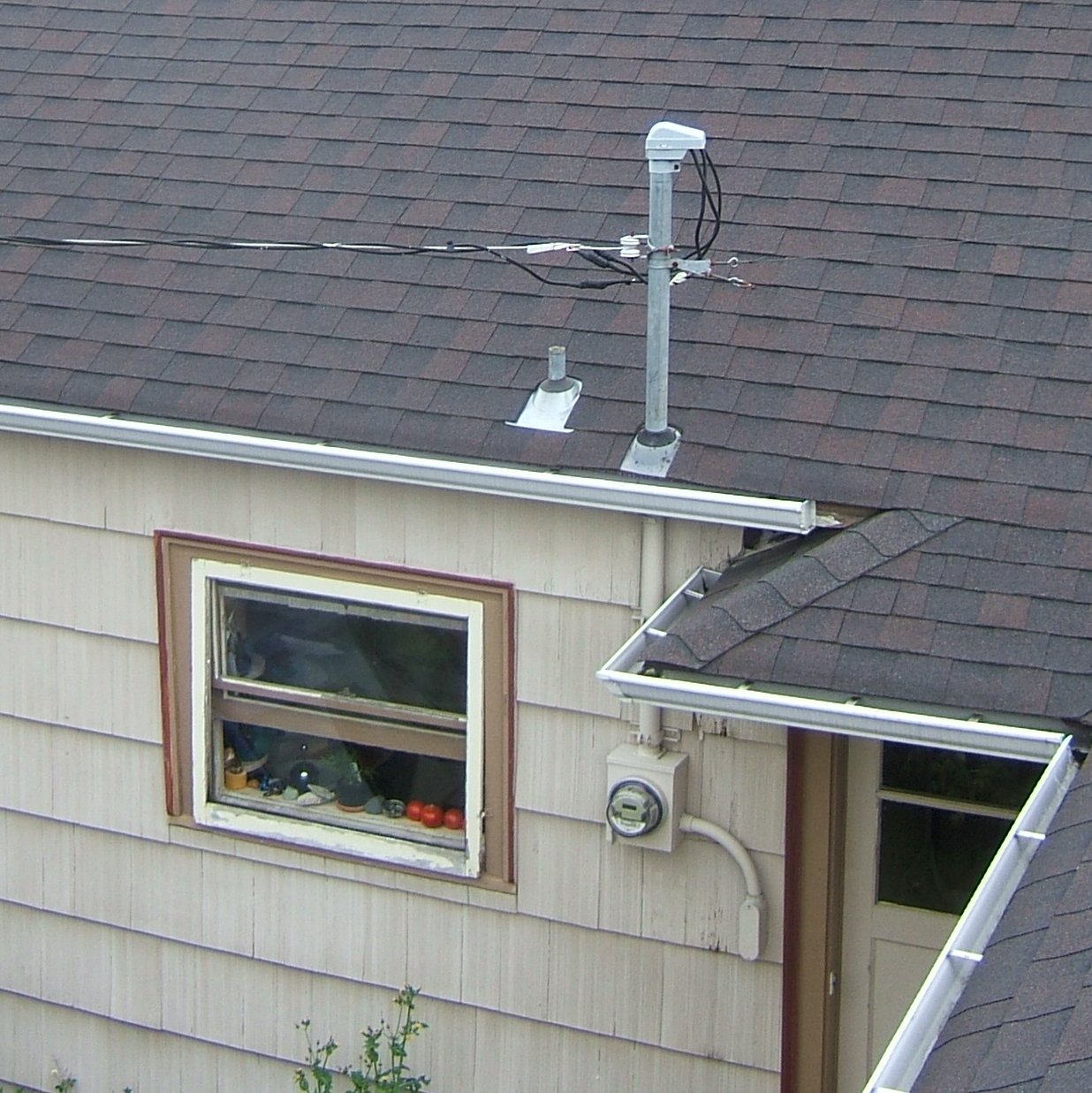
Does the North Carolina rule cover your utility
The rule binds the utilities North Carolina Utilities Commission regulates. A household on a municipal system or a rural cooperative is covered by that system's own policy instead.
That means a rural electric cooperative and a municipal light or gas department in North Carolina answer to their own board or their own city council on this, not to North Carolina Utilities Commission. Many adopt a winter policy of their own that is as protective or more so, and the place to find it is the cooperative's or the town's own tariff.
The rule names electric and natural gas service.
North Carolina pays part of the heating bill through Low Income Energy Assistance Program (LIEAP)
A shutoff rule and a heating grant are separate things, and in several states an approved grant application is itself what satisfies the filing the shutoff rule asks for. North Carolina Department of Health and Human Services, Division of Social Services runs it, opening December 1 and closing March 31. The income test is 130 percent of the federal poverty level, with a reserve limit, and the household must be responsible for its heating costs.
The Low Income Energy Assistance Program (LIEAP) is a federally-funded program that provides for a one-time vendor payment to help eligible households pay their heating bills. Households including a person aged 60 or older or disabled persons receiving services through the NC Division of Aging and Adult Services are eligible to sign up for assistance from Dec. 1 – 31. All other households may apply from Jan. 1 – March 31 or until funds are exhausted.Low Income Energy Assistance, NC Department of Health and Human Services, Division of Social Services, read September 23, 2026. Read it at the source
The full North Carolina page, with the season, the income test and how to apply, is at heating assistance in North Carolina.
North Carolina winter shutoff questions
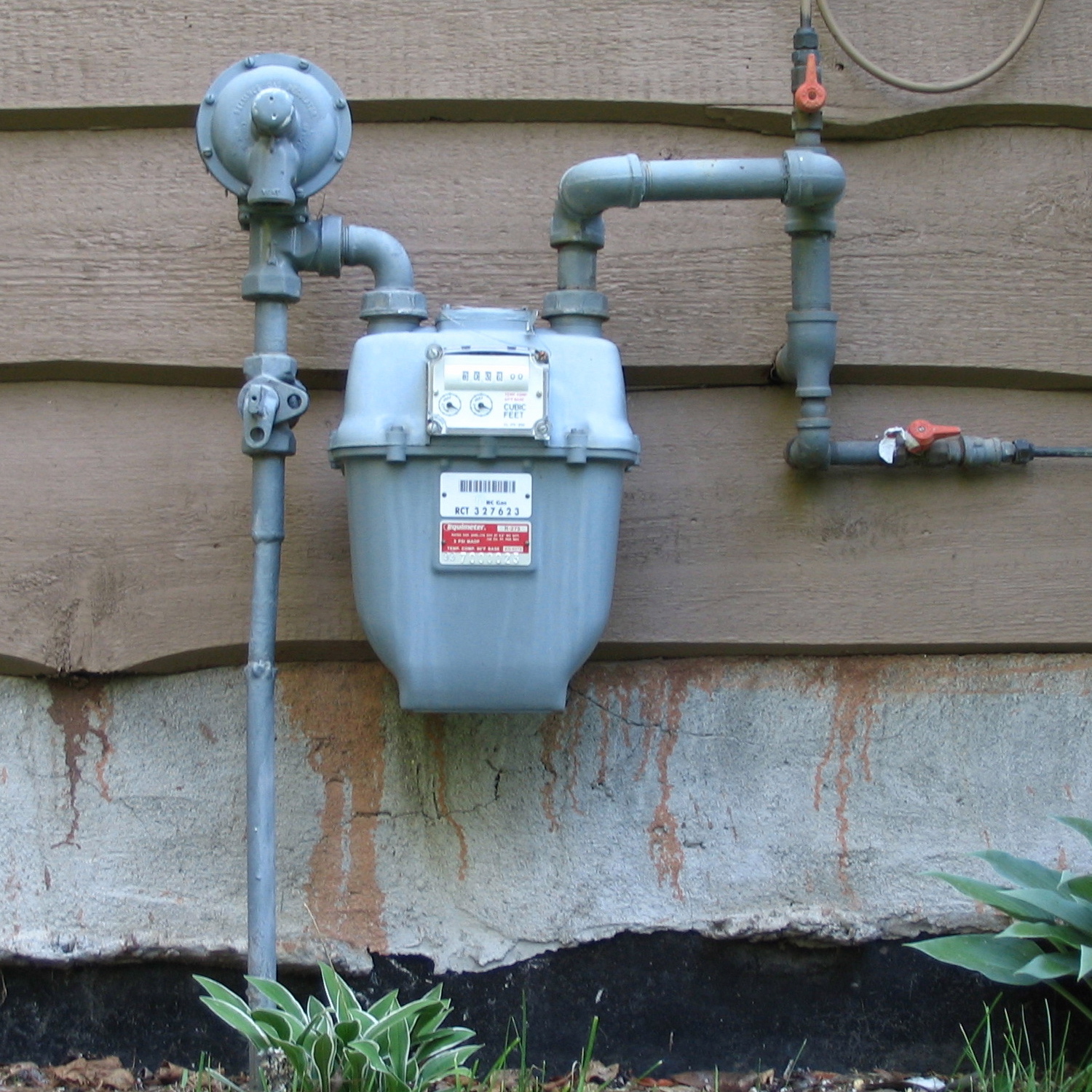
Winter shutoff rules in other states
North Carolina read September 23, 2026 from Chapter 12. Customer Deposits for Utility Services: Disconnecting of Service, North Carolina Utilities Commission Rules, linked above. A commission can order a company to do something its published rule does not require, and rules change between seasons, so the agency page is the one that governs. Every state is on the winter shutoff hub.