
Can They Shut Off Your Heat in Winter in Arkansas?
Arkansas stops the truck by thermometer rather than by calendar: no gas or electric shutoff on a day the forecast reaches 32 degrees or below, plus a separate November to March gas moratorium a low-income household can claim by certifying and signing a payment agreement.
What Arkansas requires of a utility in winter
At or below 32F
Electric and gas utilities cannot suspend residential service on a day the National Weather Service forecasts 32F or lower within the next 24 hours, and gas utilities separately cannot suspend a low-income customer from November 1 to March 31 once that customer certifies and signs a payment agreement.
- What switches it on
- Arkansas works off the forecast: the bar applies while the National Weather Service forecast is at or below 32F, and lapses when it is not.
- Utilities named
- electric and gas
- Who it reaches
- The rule binds the utilities Arkansas Public Service Commission regulates. A household on a municipal system or a rural cooperative is covered by that system's own policy instead.
- What the household must do
- The 32 degree bar is automatic, but the November to March gas moratorium is not: the customer must tell the gas utility before the shutoff date that they are approved for SNAP, WIC, the Transitional Employment Assistance Program, Medicaid or LIHEAP, send written proof within fourteen days, sign a Suspension Moratorium Agreement with a minimum monthly payment, and sign a delayed payment agreement repaying the deferred amount in seven installments from April through October.
That is Arkansas Public Service Commission speaking through its own rule, and the sentence below is the one the summary above was built from. The citation is Arkansas Public Service Commission, 23 CAR § 455-615 (Cold weather rule), Arkansas Public Service Commission General Service Rules.
Electric and gas utilities may not suspend residential service on a day when the National Weather Service forecasts that a temperature of thirty-two degrees Fahrenheit (32° F) or lower will occur at any time during the following twenty-four-hour period.General Service Rules, Arkansas Public Service Commission, read September 23, 2026. Read it at the source
The step that switches the protection on in Arkansas
Arkansas is one of the states where the rule does not arrive on its own. Households who assume the season protects them find out otherwise in the middle of it, and the difference between the two outcomes is the paragraph below.
The 32 degree bar is automatic, but the November to March gas moratorium is not: the customer must tell the gas utility before the shutoff date that they are approved for SNAP, WIC, the Transitional Employment Assistance Program, Medicaid or LIHEAP, send written proof within fourteen days, sign a Suspension Moratorium Agreement with a minimum monthly payment, and sign a delayed payment agreement repaying the deferred amount in seven installments from April through October.
Do it before the disconnection date on the notice rather than after. Several states word the protection so that it stops a shutoff that has not happened yet and says nothing about restoring service that has.
Who to call in Arkansas today
The utility reconnects on request once the reason for suspension is gone, in the normal course of business when the shutoff was the customer's fault and immediately when it was the utility's, and it cannot demand payment for usage that is not yet overdue.
- Who takes the complaint
- Arkansas Public Service Commission
- By phone
- 1-800-482-1164
Arkansas Public Service Commission, how to file
A utility shall not require a customer to pay for usage that has not been billed, or that has been billed but is not yet overdue, before reconnecting suspended service.Arkansas Public Service Commission, read September 23, 2026. Read it at the source
A commission’s consumer division is not a courtesy line. In most states a company must hold a disconnection while a formal complaint about that account is open, which is a different and stronger thing than asking the company to reconsider. Ring the utility first, then the commission if the answer is no.
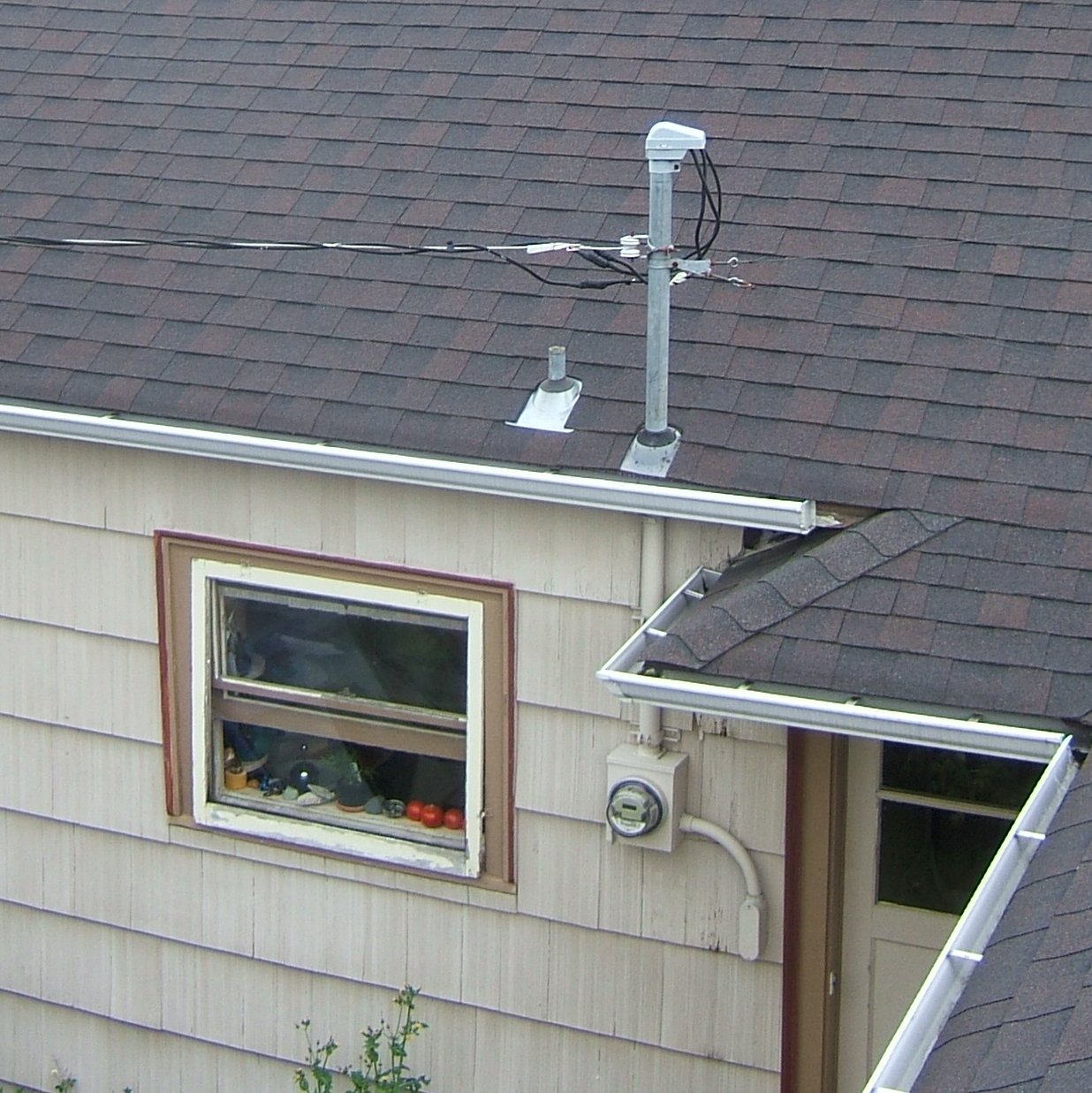
Does the Arkansas rule cover your utility
The rule binds the utilities Arkansas Public Service Commission regulates. A household on a municipal system or a rural cooperative is covered by that system's own policy instead.
That means a rural electric cooperative and a municipal light or gas department in Arkansas answer to their own board or their own city council on this, not to Arkansas Public Service Commission. Many adopt a winter policy of their own that is as protective or more so, and the place to find it is the cooperative's or the town's own tariff.
The rule names electric and gas service.
Arkansas pays part of the heating bill through Low-Income Home Energy Assistance Program (LIHEAP)
A shutoff rule and a heating grant are separate things, and in several states an approved grant application is itself what satisfies the filing the shutoff rule asks for. Arkansas Energy Office, Arkansas Department of Energy and Environment runs it and closing April 30. The income test is a maximum monthly countable income set by household size on the Energy Office's own chart, drawn from the state median income for households of one to seven and from the federal poverty guidelines for eight or more.
LIHEAP applications are accepted through the CBOs on a first-come, first served basis typically from January to April 30 and from July to September 30 of each year.Low-Income Home Energy Assistance Program (LIHEAP), Arkansas Energy Office, read September 23, 2026. Read it at the source
The full Arkansas page, with the season, the income test and how to apply, is at heating assistance in Arkansas.
Arkansas winter shutoff questions
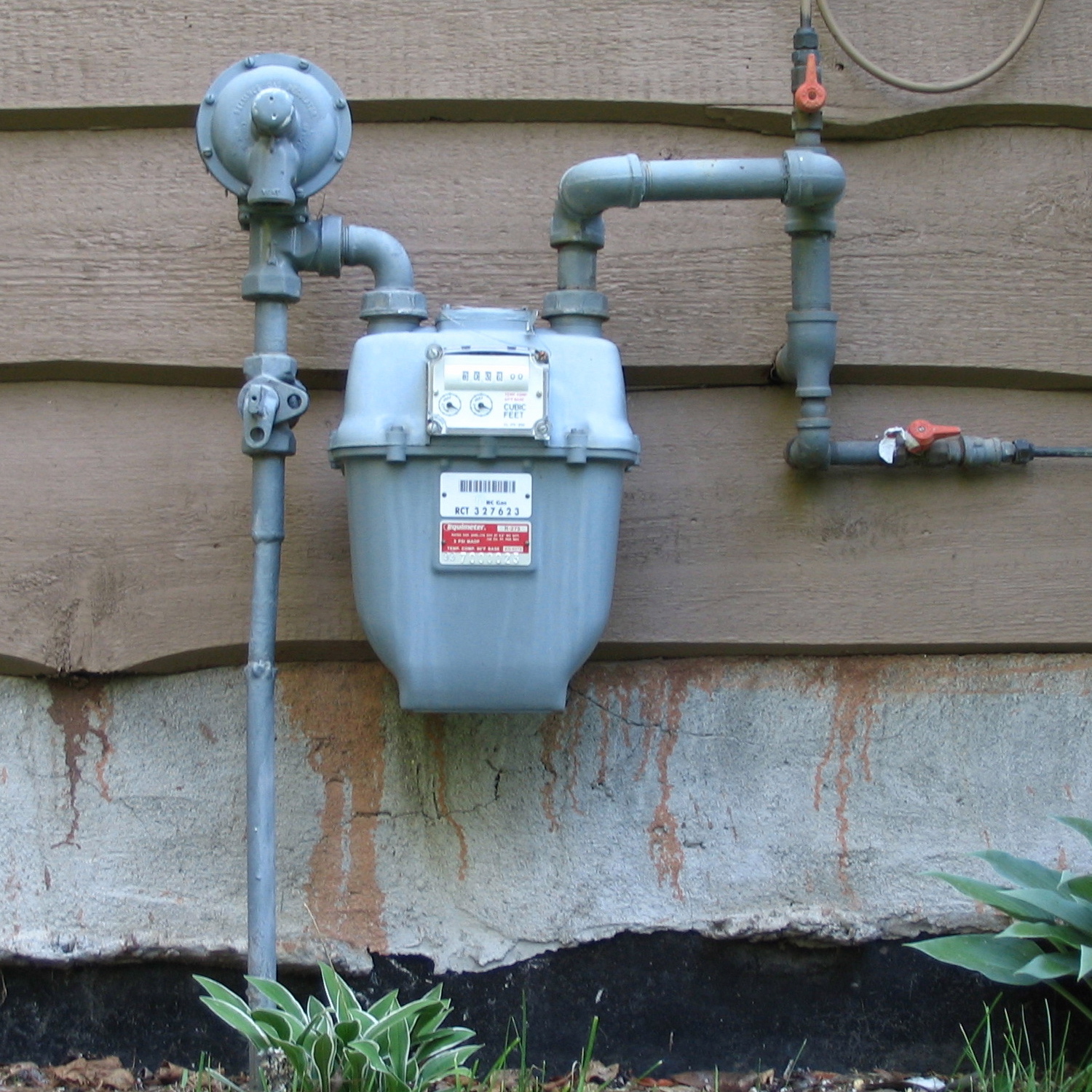
Winter shutoff rules in other states
Arkansas read September 23, 2026 from General Service Rules, Arkansas Public Service Commission, linked above. A commission can order a company to do something its published rule does not require, and rules change between seasons, so the agency page is the one that governs. Every state is on the winter shutoff hub.