
Can They Shut Off Your Heat in Winter in Oregon?
Oregon sets no flat winter calendar moratorium; instead, from November 1 through April 30 a regulated electric or gas utility must stop disconnecting residential customers for nonpayment whenever the forecast hits 32 degrees Fahrenheit or below or a winter storm warning is issued, and energy assistance through Oregon Housing and Community Services is open year round at 60 percent of state median income.
What Oregon requires of a utility in winter
At or below 32F, Nov 1 to Apr 30
An electric or natural gas utility must put a moratorium on involuntary disconnection for nonpayment into effect across the area hit by a severe on season cold event, which the rules define as a day between November 1 and April 30 with a forecast at or below 32 degrees Fahrenheit or a winter storm warning.
- What switches it on
- Oregon works off the forecast: the bar applies while the National Weather Service forecast is at or below 32F, and lapses when it is not.
- Utilities named
- electric and natural gas
- Who it reaches
- The rule binds the utilities Public Utility Commission of Oregon regulates. A household on a municipal system or a rural cooperative is covered by that system's own policy instead.
- What the household must do
- Nothing. Inside the rule it applies on its own.
That is Public Utility Commission of Oregon speaking through its own rule, and the sentence below is the one the summary above was built from. The citation is Public Utility Commission of Oregon, OAR 860-021-0407, with the definition at OAR 860-021-0008(14).
For a severe on-season cold event defined in OAR 860-021-0008(14), an electric or natural gas utility may not disconnect residential service for nonpayment starting 24 hours before the event is forecasted to occur.OAR 860-021-0407, Severe Weather Moratorium on Involuntary Disconnection of Residential and Small Commercial Electric or Gas Utility Service for Nonpayment, Oregon Secretary of State Administrative Rules, read September 23, 2026. Read it at the source
Who to call in Oregon today
A household disconnected for nonpayment in the seven days before a severe weather moratorium can ask to be reconnected, and the request has to be made within seven calendar days after the event ends; outside a weather event the rules also provide a written time payment agreement and an emergency medical certificate.
- Who takes the complaint
- Public Utility Commission of Oregon, Consumer Services Section
- By phone
- 503-378-6600 or 800-522-2404
Public Utility Commission of Oregon, Consumer Services Section, how to file
An electric or natural gas utility must make best efforts to, upon request made within seven calendar days after the severe weather event ends and subject to reconnection fees allowed under OAR 860-021-0330, reconnect the following customers subject to a moratorium required by a severe weather event: (a) Residential customers who had been disconnected for nonpayment within the previous seven days of a severe weather moratorium.Public Utility Commission of Oregon, read September 23, 2026. Read it at the source
A commission’s consumer division is not a courtesy line. In most states a company must hold a disconnection while a formal complaint about that account is open, which is a different and stronger thing than asking the company to reconsider. Ring the utility first, then the commission if the answer is no.
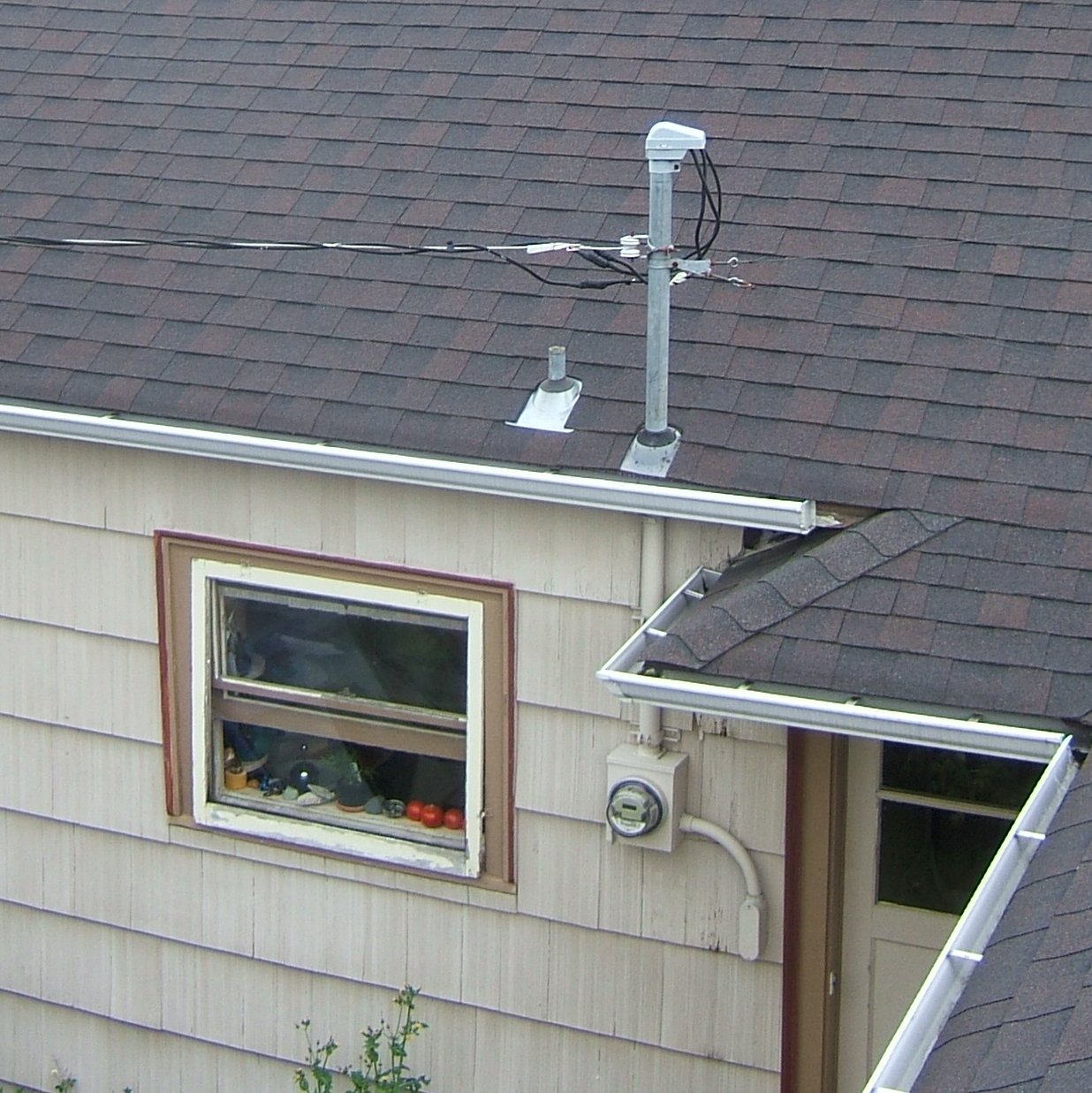
Does the Oregon rule cover your utility
The rule binds the utilities Public Utility Commission of Oregon regulates. A household on a municipal system or a rural cooperative is covered by that system's own policy instead.
That means a rural electric cooperative and a municipal light or gas department in Oregon answer to their own board or their own city council on this, not to Public Utility Commission of Oregon. Many adopt a winter policy of their own that is as protective or more so, and the place to find it is the cooperative's or the town's own tariff.
The rule names electric and natural gas service.
Oregon pays part of the heating bill through Low Income Home Energy Assistance Program (LIHEAP)
A shutoff rule and a heating grant are separate things, and in several states an approved grant application is itself what satisfies the filing the shutoff rule asks for. Oregon Housing and Community Services, delivered by local Community Action Agencies runs it. The income test is Household income at or below 60 percent of Oregon's median income, by household size, with gross income counted before deductions..
Please note: OHCS administers the LIHEAP program in Oregon. OHCS does not determine eligibility or award grants to households.Oregon Energy Assistance Programs, Oregon Housing and Community Services, read September 23, 2026. Read it at the source
The full Oregon page, with the season, the income test and how to apply, is at heating assistance in Oregon.
Oregon winter shutoff questions
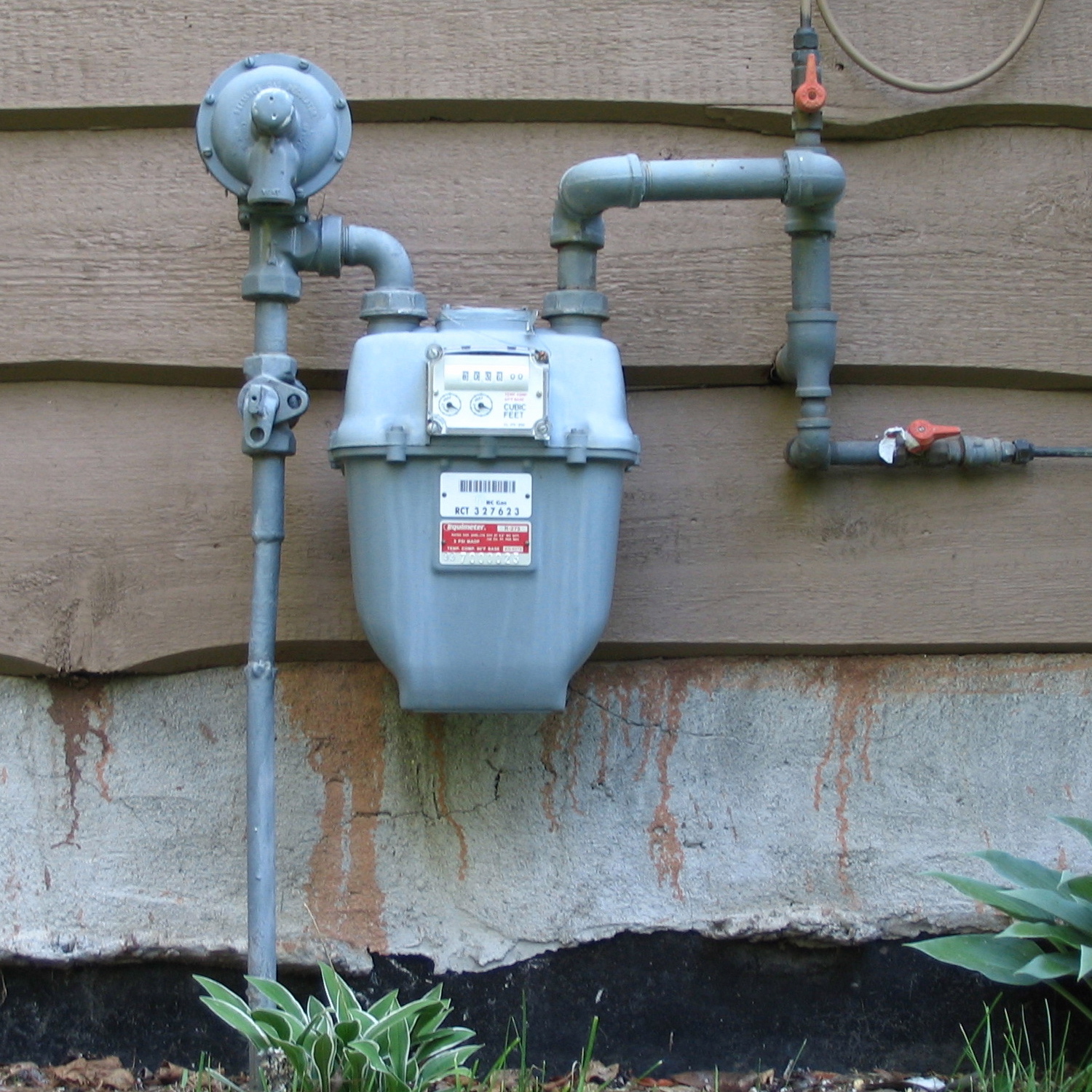
Winter shutoff rules in other states
Oregon read September 23, 2026 from OAR 860-021-0407, Severe Weather Moratorium on Involuntary Disconnection of Residential and Small Commercial Electric or Gas Utility Service for Nonpayment, Oregon Secretary of State Administrative Rules, linked above. A commission can order a company to do something its published rule does not require, and rules change between seasons, so the agency page is the one that governs. Every state is on the winter shutoff hub.