
Arizona Bear Season 2026-27
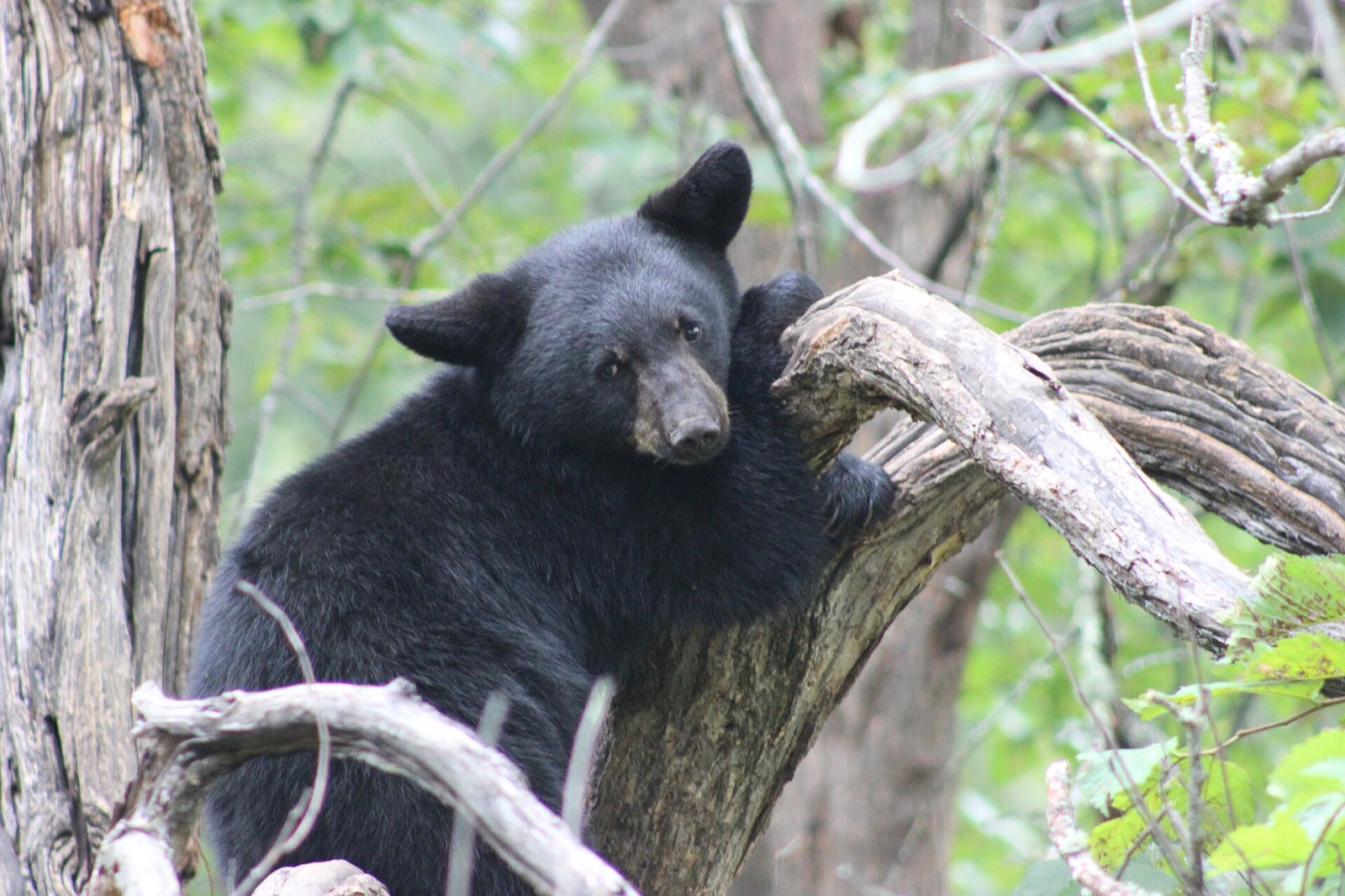
In spring, they consume emerging plants and carcasses of animals that have died during the winter. Fruits dominate the diet in summer, and both fruit and mast, especially acorns, constitute most of the fall diet. Black bears need to store enough fat to last through the winter season when food is scarcer. On average, they consume about 20,000 calories each day during the fall.
Arizona Game and Fish DepartmentBlack bear season: published by the agency, read them there. People report black bears in Arizona most in June, and 25 percent of all reports fall in September, October and November. Everything below is Arizona Game and Fish Department’s own words and dates, read on September 19, 2026, beside the record of what people reported.
When black bears are most active in Arizona
The department puts black bears on about 10,000 square miles of nontribal land, most of it in the north and the eastern half of the state, and estimates a stable to increasing population of about 5,800 bears. They turn up in most woodland habitats, pinyon-juniper, oak woodland, coniferous forest and chaparral, mostly between 4,000 and 10,000 feet. Densities are highest along the Mogollon Rim, in the Mazatzal Mountains in central Arizona, and in the White and Pinaleno mountains in the east.
The bars count research grade American black bear observations people uploaded to iNaturalist for Arizona, by calendar month, across every year the platform holds. The busiest month in the record is June, and reports drop below 40 percent of that peak by November. The drop into winter reflects bears denning and fewer people outdoors in equal measure, which is why the agency’s sentences below, not the curve, carry the timing.
1,011 research grade American black bear observations have been uploaded to iNaturalist for Arizona across every year the platform holds, and 25 percent of them fall in the three shaded fall months. The busiest month in the record is June, and reports drop below 40 percent of that peak by November. These are counts of what people reported, so they measure observers as well as bears; they are not a population, not a survey and not a statement about this autumn. See the records on iNaturalist.
Research grade black bear reports uploaded for Arizona by year, 2016 to 2025: 21 in 2016 and 179 in 2025. Most of the climb is the platform itself growing, and every species on it shows the same shape, so this is a record of reporting rather than a population trend.
What Arizona Game and Fish Department says
Fall feeding
In spring, they consume emerging plants and carcasses of animals that have died during the winter. Fruits dominate the diet in summer, and both fruit and mast, especially acorns, constitute most of the fall diet. Black bears need to store enough fat to last through the winter season when food is scarcer. On average, they consume about 20,000 calories each day during the fall.Arizona Game and Fish Department, read September 19, 2026. Read it at the source
Denning
Most Arizona black bears hibernate from November through March, during which time they reduce body temperature, heart rate and metabolic function while still remaining somewhat alert in the winter den.Arizona Game and Fish Department, read September 19, 2026. Read it at the source
When conflicts and sightings rise
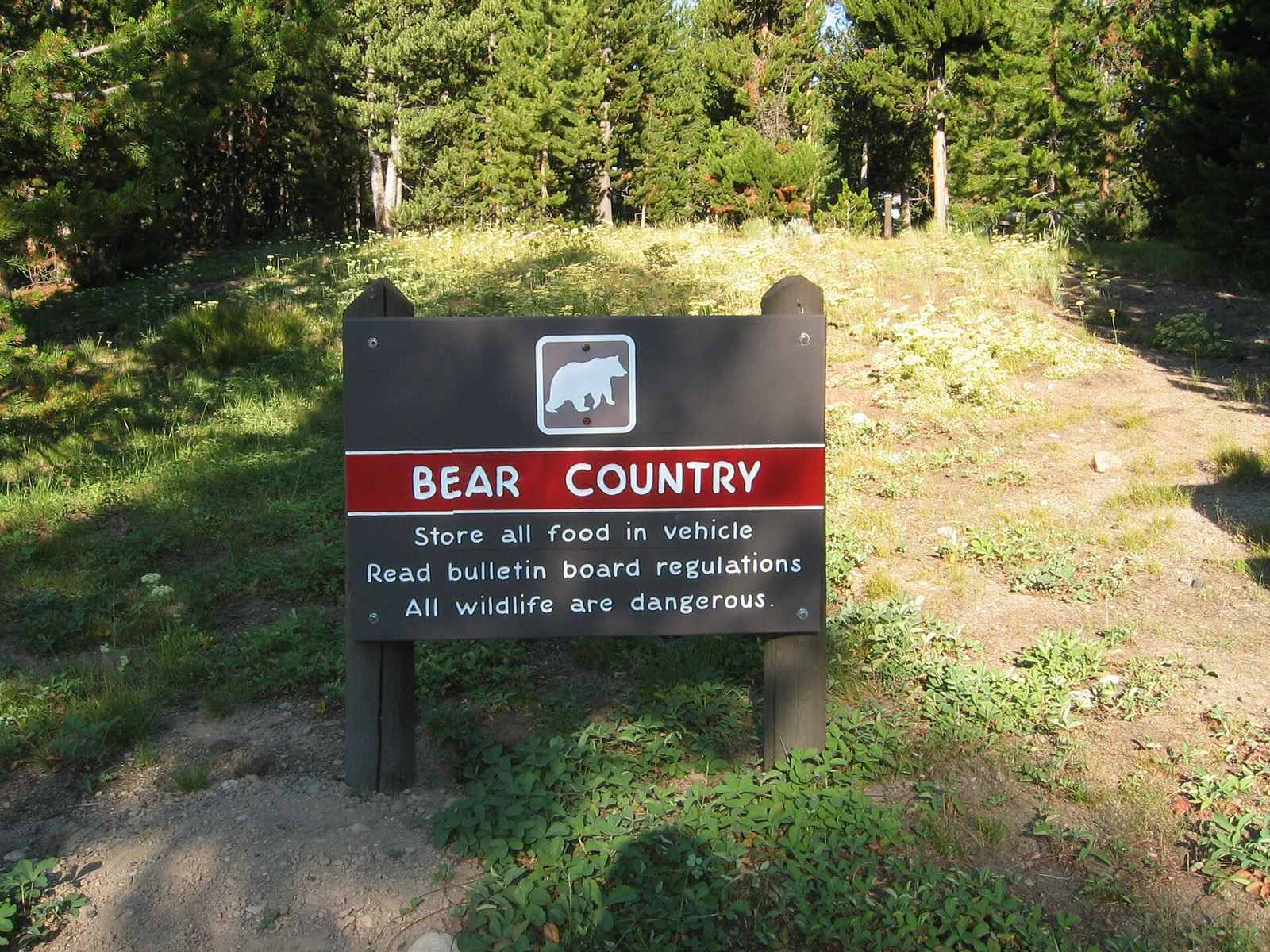
Most human-bear conflicts are the result of people unintentionally feeding bears, most often by allowing them access to household/campsite garbage, bird feeders, or pet food. They raid dumpsters, garbage cans, grills, and campsites looking for an easy meal.Arizona Game and Fish Department, read September 19, 2026. Read it at the source
Arizona bear seasons, 2026-27
Arizona Game and Fish Department dates American black bear seasons under its own names, and each is below under that name with the zone rows exactly as the agency lists them, the source page linked beside each table, and the date it was read.
Black bear season
on the agency pageArizona fall bear hunting season: read them on the agency’s own page
Arizona runs a long black bear season, roughly nine months with a summer closure, and the department sets the open dates hunt area by hunt area rather than statewide. An individual hunt area can also close before its posted end date, so the calendar can shorten mid-season. The department publishes those dates in its own hunt tables, linked below. Arizona Game and Fish Department publishes the current dates on its own page, linked below.
Read the dates at Arizona Game and Fish DepartmentArchery bear season
on the agency pageArizona separately dated archery bear season: read them on the agency’s own page
Arizona's bear dates are published per hunt area in the department's own regulations rather than as a statewide archery window, and each hunt area's archery dates are in its own row of those tables, linked below. Arizona Game and Fish Department publishes the current dates on its own page, linked below.
Read the dates at Arizona Game and Fish DepartmentSpring bear season
on the agency pageArizona spring bear season: read them on the agency’s own page
Arizona's season runs across much of the year in some hunt areas, so whether a given area is open in spring is a question its own row in the department's tables answers. The department's tables, linked below, carry each area's spring dates. Arizona Game and Fish Department publishes the current dates on its own page, linked below.
Read the dates at Arizona Game and Fish DepartmentThe agency's own season sentence
Black bears are generally active in the early morning and late evening; they may alter their activity patterns to exploit sources of artificial food, becoming nocturnal at campgrounds and dumpsites.Arizona Game and Fish Department, read September 19, 2026. Read it at the source
Current Arizona regulations
Permit and tag requirements, zone maps, permitted methods, tagging and reporting, and everything else a bear hunter is bound by for Arizona are set by Arizona Game and Fish Department, are legally binding and change annually. Its current regulations page is linked here.
Arizona Game and Fish Department: current regulations
Bear season in other states
Arizona bear season questions
This page covers the 2026-27 season year with agency data read on September 19, 2026 and an iNaturalist record to September 19, 2026. Every sentence about bear behaviour is Arizona Game and Fish Department’s own, quoted exactly with a link to its page; every season window is republished from the agency page linked beside it, and windows the agency had not yet published are labelled not yet published. The month bars count what members of the public reported and are not a population. See also the national bear season guide.