
Ohio Bear Season 2026-27
Bears are omnivores, meaning they will eat a wide variety of foods. Depending on the season, their diet may include grasses, forbs, berries, mast from oak, hickory, and beech trees, carrion, and insect larvae. Bears will also consume agricultural crops, if available.
Ohio Department of Natural Resources, Division of WildlifeOhio holds no bear hunting season in 2026-27. People report black bears in Ohio most in August, and 14 percent of all reports fall in September, October and November. Everything below is Ohio Department of Natural Resources, Division of Wildlife’s own words and dates, read on September 19, 2026, beside the record of what people reported.
When black bears are most active in Ohio
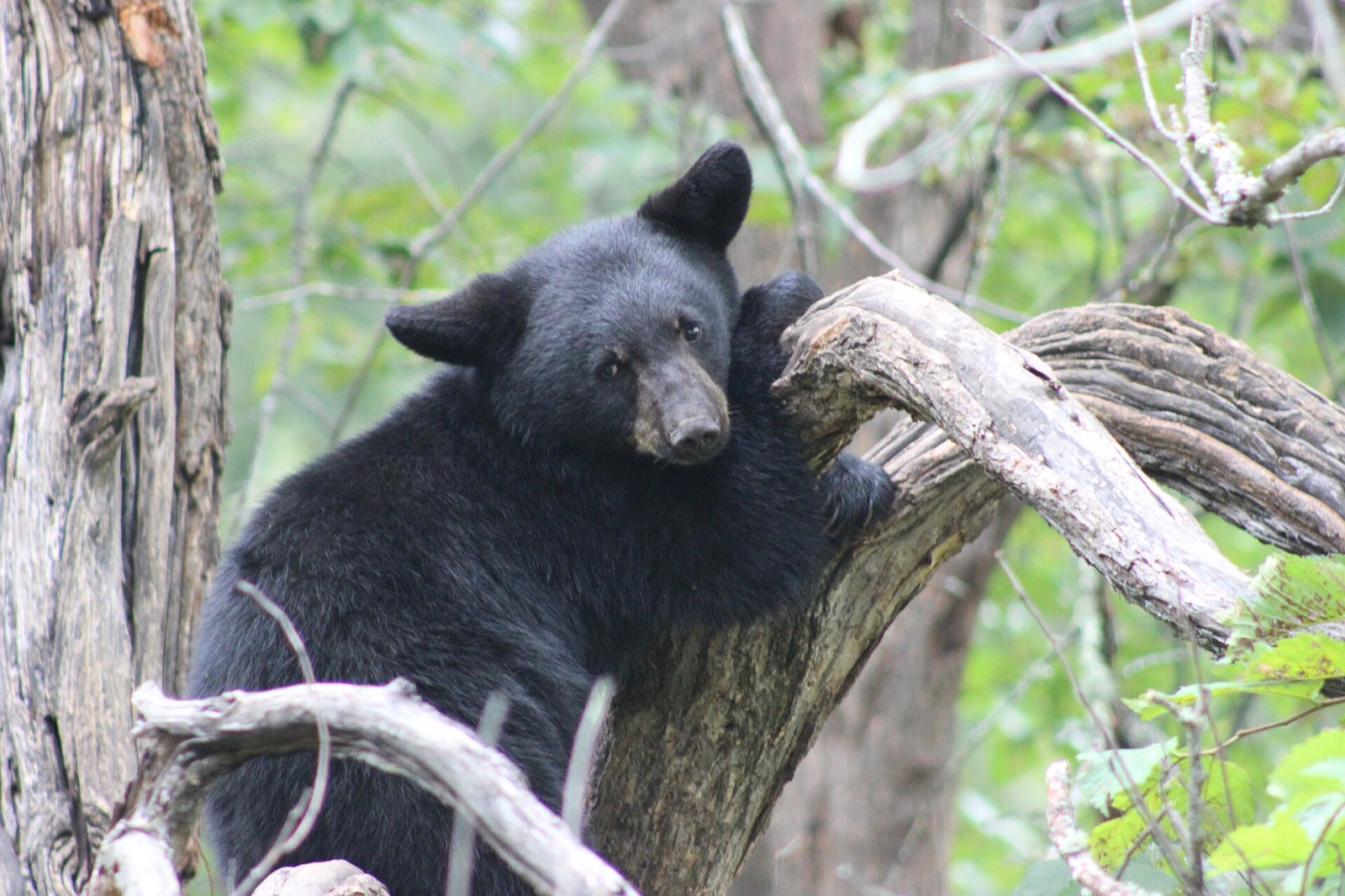
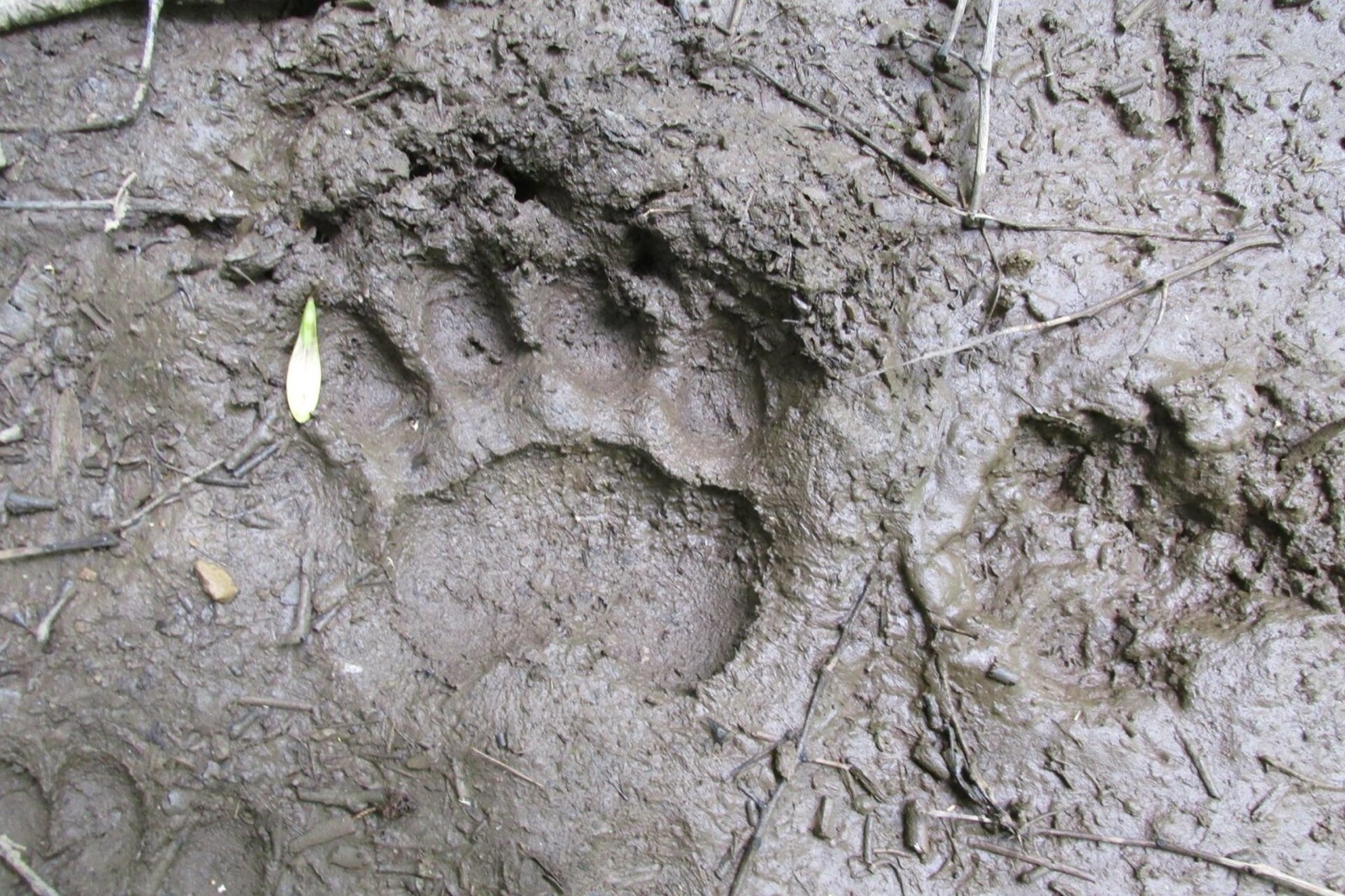
Ohio lists the black bear as a state endangered species and describes it as occurring in forested habitats throughout the eastern half of the state, with the Division of Wildlife putting the population at somewhere between 50 and 100 individual bears. The division has tracked sightings since 1993 and says they have been increasing, concentrated in the northeast and the southeast. It also says most of the bears seen here are juvenile males dispersing out of Pennsylvania and West Virginia rather than animals that settle, and that in the absence of a resident female those males are not likely to stay for long.
The bars count research grade American black bear observations people uploaded to iNaturalist for Ohio, by calendar month, across every year the platform holds. The busiest month in the record is August, and reports drop below 40 percent of that peak by September. The drop into winter reflects bears denning and fewer people outdoors in equal measure, which is why the agency’s sentences below, not the curve, carry the timing.
81 research grade American black bear observations have been uploaded to iNaturalist for Ohio across every year the platform holds, and 14 percent of them fall in the three shaded fall months. The busiest month in the record is August, and reports drop below 40 percent of that peak by September. These are counts of what people reported, so they measure observers as well as bears; they are not a population, not a survey and not a statement about this autumn. See the records on iNaturalist.
Research grade black bear reports uploaded for Ohio by year, 2016 to 2025: 1 in 2016 and 12 in 2025. Most of the climb is the platform itself growing, and every species on it shows the same shape, so this is a record of reporting rather than a population trend.
What Ohio Department of Natural Resources, Division of Wildlife says
Fall feeding
Bears are omnivores, meaning they will eat a wide variety of foods. Depending on the season, their diet may include grasses, forbs, berries, mast from oak, hickory, and beech trees, carrion, and insect larvae. Bears will also consume agricultural crops, if available.Ohio Department of Natural Resources, Division of Wildlife, read September 19, 2026. Read it at the source
Denning
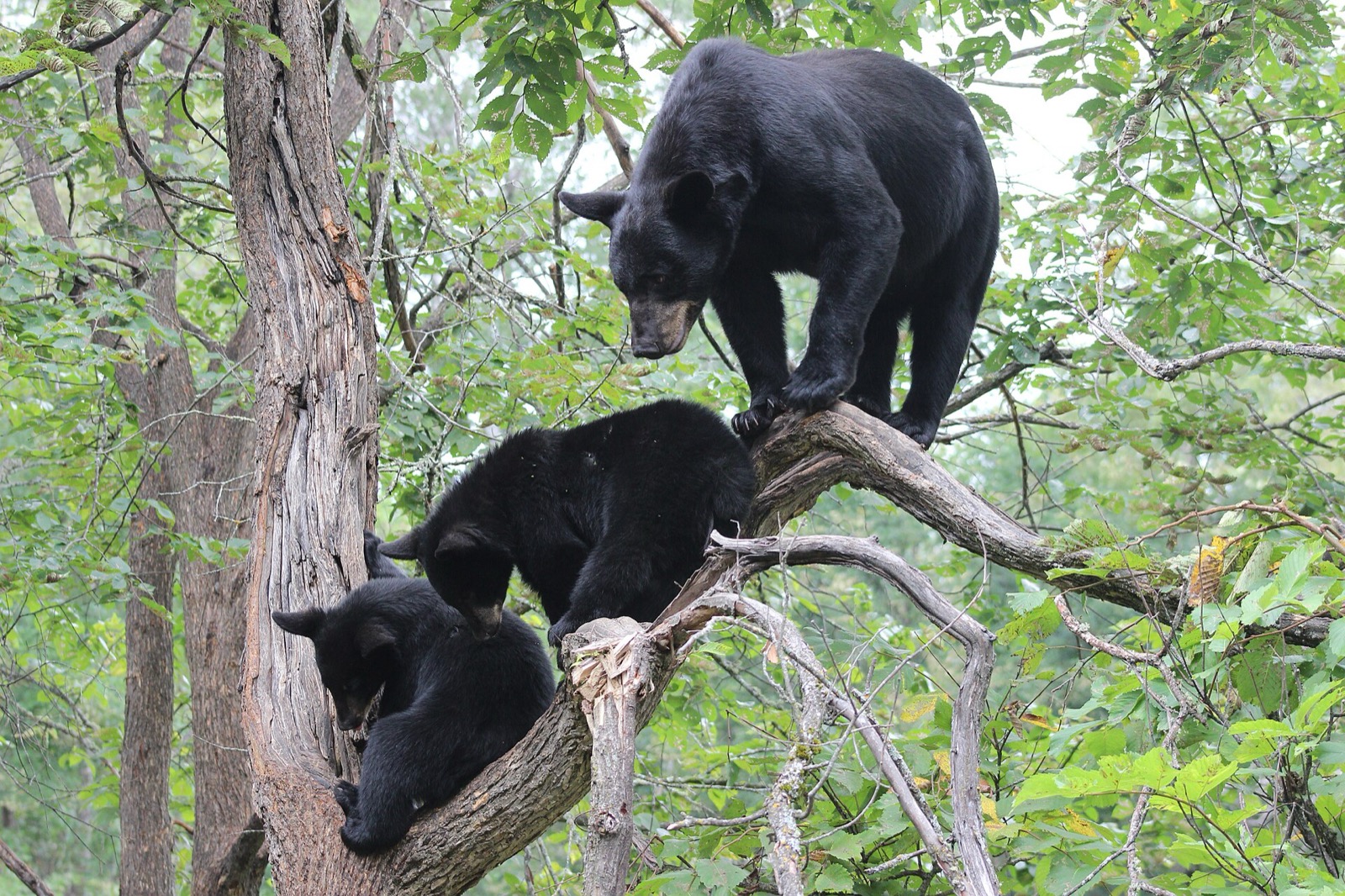
Typically, cubs weigh between 25 and 65 pounds by September and may, provided high quality food is readily available, weigh nearly 70-80 pounds by the time they enter the overwinter den with the sow in early November.Ohio Department of Natural Resources, Division of Wildlife, read September 19, 2026. Read it at the source
When conflicts and sightings rise
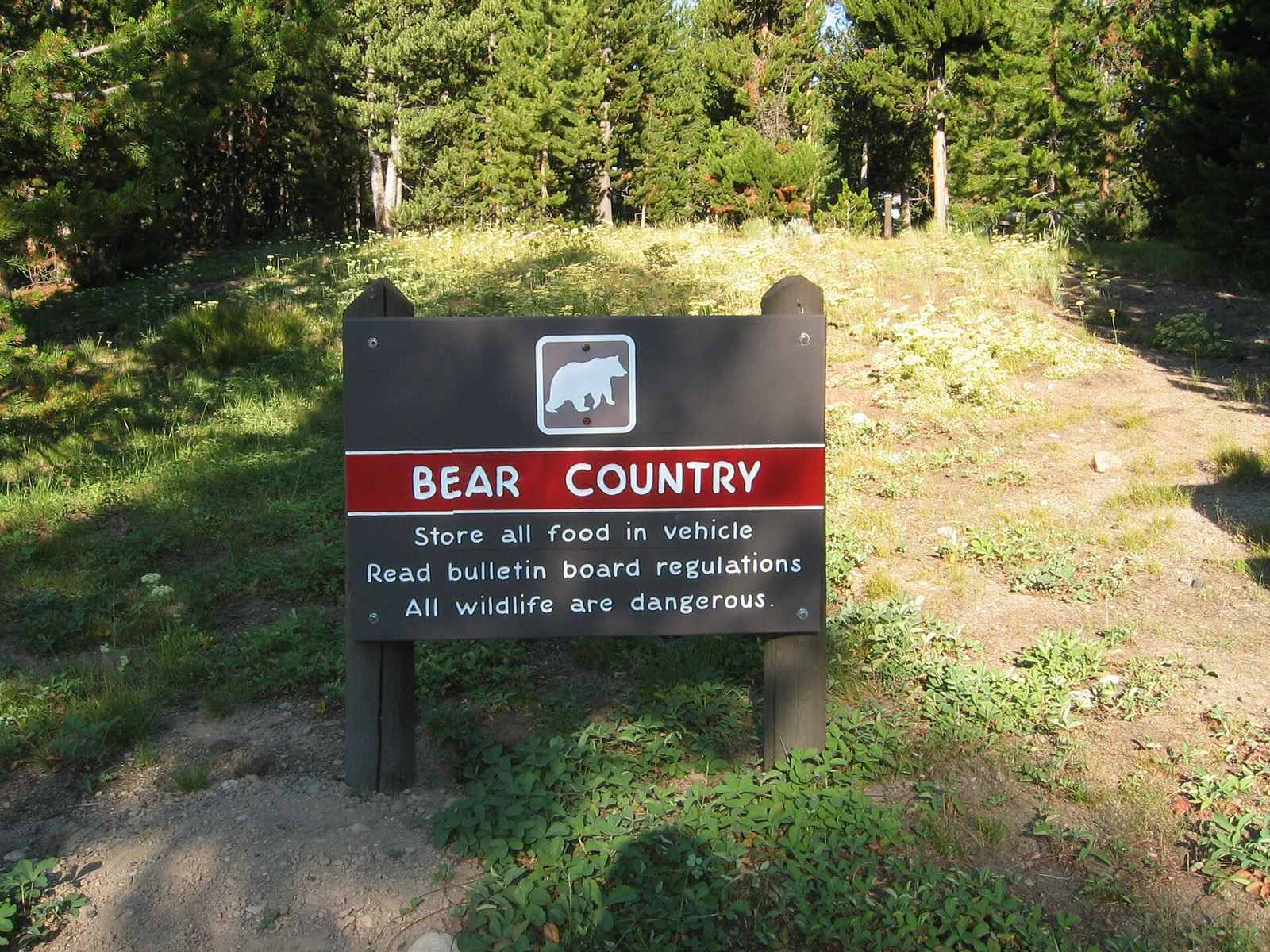
The Ohio Division of Wildlife does not relocate bears just because one is present in an area. Bears live in Ohio year round. They will continue to come back to a location if food sources are available to them.Ohio Department of Natural Resources, Division of Wildlife, read September 19, 2026. Read it at the source
Ohio bear seasons, 2026-27
Ohio holds no bear hunting season in 2026-27. The three entries below carry Ohio Department of Natural Resources, Division of Wildlife’s own reason for each, with the page it was read from.
Bear hunting season
no seasonOhio holds no fall bear hunting season. Ohio holds no black bear hunting season. The black bear is a state endangered species in Ohio, and the Division of Wildlife's own bear pages describe reporting sightings and removing food attractants rather than any open season. The division says it does not relocate a bear simply for being present, and that hazing it off is the first step with a nuisance bear. Source: Ohio Department of Natural Resources, Division of Wildlife.
Archery bear season
no seasonOhio holds no separately dated archery bear season. Ohio has no bear hunting season of any kind, so there is no archery bear season. The state's black bear pages carry biology, sighting reports and backyard guidance, and the species is listed as state endangered. Source: Ohio Department of Natural Resources, Division of Wildlife.
Spring bear season
no seasonOhio holds no spring bear season. Ohio has no bear hunting season of any kind, so there is no spring bear season. What Ohio does have in the warm months is a sighting season: the Division of Wildlife says sightings occur throughout the year but are most common from late May through early July, when young males are on the move. Source: Ohio Department of Natural Resources, Division of Wildlife.
The agency's own season sentence
Historically, black bears roamed the Buckeye State. Unfortunately, unregulated hunting and habitat loss rendered bears extirpated from Ohio by 1850. Today, Ohio is again home to a small but growing population of black bears.Ohio Department of Natural Resources, Division of Wildlife, read September 19, 2026. Read it at the source
Bear season in other states
Ohio bear season questions
This page covers the 2026-27 season year with agency data read on September 19, 2026 and an iNaturalist record to September 19, 2026. Every sentence about bear behaviour is Ohio Department of Natural Resources, Division of Wildlife’s own, quoted exactly with a link to its page; every season window is republished from the agency page linked beside it, and windows the agency had not yet published are labelled not yet published. The month bars count what members of the public reported and are not a population. See also the national bear season guide.