
Montana Bear Season 2026-27
During the fall, they eat more than usual to gain body fat to sustain them through their winter "hibernation," which is not a true hibernation, but rather a deep sleep from which they can awaken quickly. When food is abundant, they will eat up to 45 lbs. a day and put on 5 lbs. per day in preparation for winter.
Montana Fish, Wildlife & ParksFall: September 15, 2026 to November 29, 2026. People report black bears in Montana most in July, and 23 percent of all reports fall in September, October and November. Everything below is Montana Fish, Wildlife & Parks’s own words and dates, read on September 19, 2026, beside the record of what people reported.
When black bears are most active in Montana
The department says plainly that Montana is bear country and that black bears reside across most of the state, native omnivores ranging from the wet, forested northwest corner to the dry, rugged country in the southeast. Grizzly bears are the state animal and live mostly in western Montana, though the department reports them increasingly roaming into areas they had not occupied for decades; they remain protected in the lower 48 as a threatened species under the Endangered Species Act.
The bars count research grade American black bear observations people uploaded to iNaturalist for Montana, by calendar month, across every year the platform holds. The busiest month in the record is July, and reports drop below 40 percent of that peak by October. The drop into winter reflects bears denning and fewer people outdoors in equal measure, which is why the agency’s sentences below, not the curve, carry the timing.
1,528 research grade American black bear observations have been uploaded to iNaturalist for Montana across every year the platform holds, and 23 percent of them fall in the three shaded fall months. The busiest month in the record is July, and reports drop below 40 percent of that peak by October. These are counts of what people reported, so they measure observers as well as bears; they are not a population, not a survey and not a statement about this autumn. See the records on iNaturalist.
Research grade black bear reports uploaded for Montana by year, 2016 to 2025: 36 in 2016 and 151 in 2025. Most of the climb is the platform itself growing, and every species on it shows the same shape, so this is a record of reporting rather than a population trend.
What Montana Fish, Wildlife & Parks says
Fall feeding
During the fall, they eat more than usual to gain body fat to sustain them through their winter "hibernation," which is not a true hibernation, but rather a deep sleep from which they can awaken quickly. When food is abundant, they will eat up to 45 lbs. a day and put on 5 lbs. per day in preparation for winter.Montana Fish, Wildlife & Parks, read September 19, 2026. Read it at the source
Denning
Bears den in winter due to a seasonal shortage of food, low environmental temperatures, and snow cover on the ground. In Montana, bears typically den for 5 to 6 months during wintertime (approximately November-March). Bears begin emerging from their dens in springtime, typically March-April.Montana Fish, Wildlife & Parks, read September 19, 2026. Read it at the source
When conflicts and sightings rise
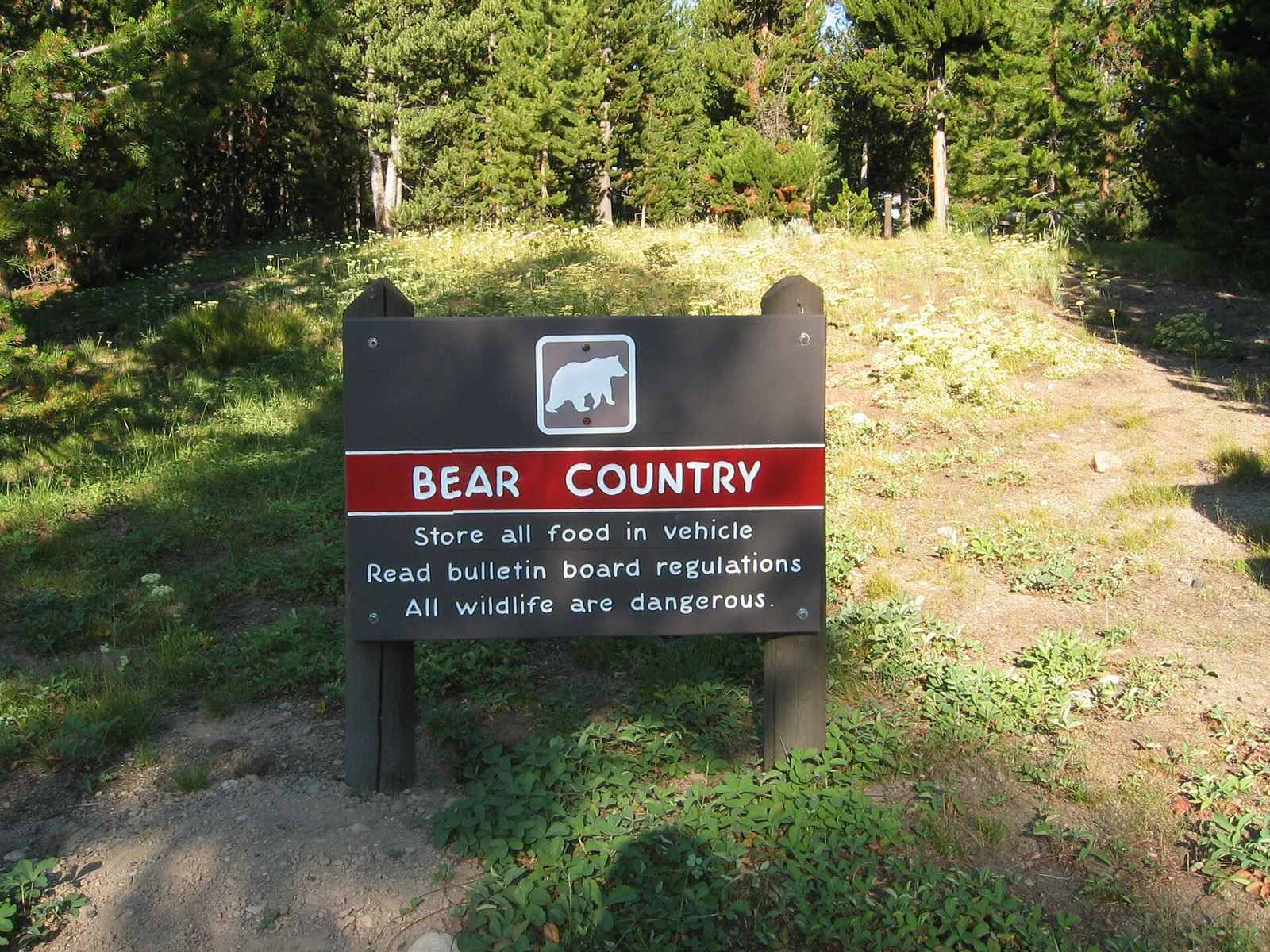
Bears are curious, and food driven. Feeding bears puts people and bears at risk. Securing attractants will greatly reduce the chances of a conflict with a bear.Montana Fish, Wildlife & Parks, read September 19, 2026. Read it at the source
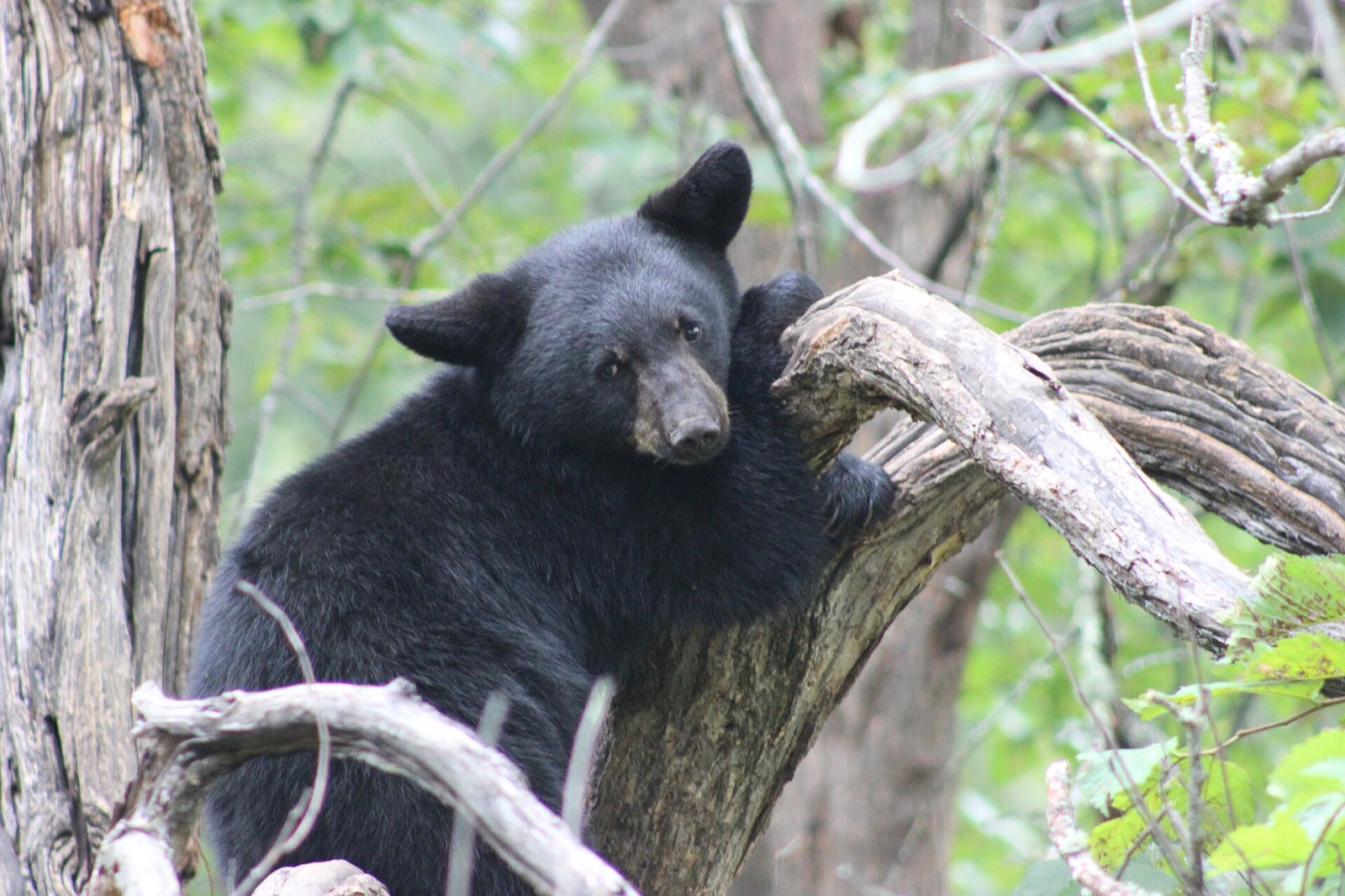
Montana bear seasons, 2026-27
Montana Fish, Wildlife & Parks dates American black bear and grizzly bear seasons under its own names, and each is below under that name with the zone rows exactly as the agency lists them, the source page linked beside each table, and the date it was read.
Fall
publishedFall is OPEN now in the Statewide, in the hunting districts open to black bear, through November 29, 2026.
| Zone | Opens | Closes | Notes |
|---|---|---|---|
| Statewide, in the hunting districts open to black bear | September 15, 2026 | November 29, 2026 | The department's own date convention for this season is September 15 to the Sunday after Thanksgiving. |
Dates read from Species Guide: Black Bear, Montana Fish, Wildlife & Parks, accessed 2026-09-19.
Montana runs one fall window and the department publishes it as a statewide date, which its 2026 regulations then repeat district by district. One hunting district is the exception: district 309's fall dates read September 2 to November 26, 2026 in the department's table. District level detail lives in those tables rather than here.
Archery-only
publishedArchery-only has closed for the season year; the last segment ended September 14, 2026.
| Zone | Opens | Closes | Notes |
|---|---|---|---|
| Statewide, in the hunting districts open to black bear | September 5, 2026 | September 14, 2026 | The department's date convention is the first Saturday of September to September 14. |
Dates read from Species Guide: Black Bear, Montana Fish, Wildlife & Parks, accessed 2026-09-19.
The archery window sits immediately ahead of the fall season and carries the same dates in every hunting district that lists one in the department's 2026 tables.
Spring
not yet publishedMontana spring bear season: not yet published as of September 19, 2026
Montana Fish, Wildlife & Parks had not posted these dates when this page was last checked. Montana adopts bear seasons two years at a time, and the commission packet that set 2026 carried 2027 alongside it with a spring window of April 15 to June 15, 2027, the same convention as 2026. The department has not yet published its 2027 regulations, so nothing is carried here as a season date; the 2026 spring season ran April 15 to June 15 and has closed. They will appear first on the agency page linked below.
Watch for them at Montana Fish, Wildlife & ParksThe agency's own season sentence
From the high density bear populations of the maritime, wet, forested northwest corner of the state to the dry, rugged country in southeastern Montana, black bear hunters and enthusiasts enjoy a variety of season types and viewing opportunities.Montana Fish, Wildlife & Parks, read September 19, 2026. Read it at the source
Current Montana regulations
Permit and tag requirements, zone maps, permitted methods, tagging and reporting, and everything else a bear hunter is bound by for Montana are set by Montana Fish, Wildlife & Parks, are legally binding and change annually. Its current regulations page is linked here.
Montana Fish, Wildlife & Parks: current regulations
Bear season in other states
Montana bear season questions
This page covers the 2026-27 season year with agency data read on September 19, 2026 and an iNaturalist record to September 19, 2026. Every sentence about bear behaviour is Montana Fish, Wildlife & Parks’s own, quoted exactly with a link to its page; every season window is republished from the agency page linked beside it, and windows the agency had not yet published are labelled not yet published. The month bars count what members of the public reported and are not a population. See also the national bear season guide.