
Tennessee Bear Season 2026-27
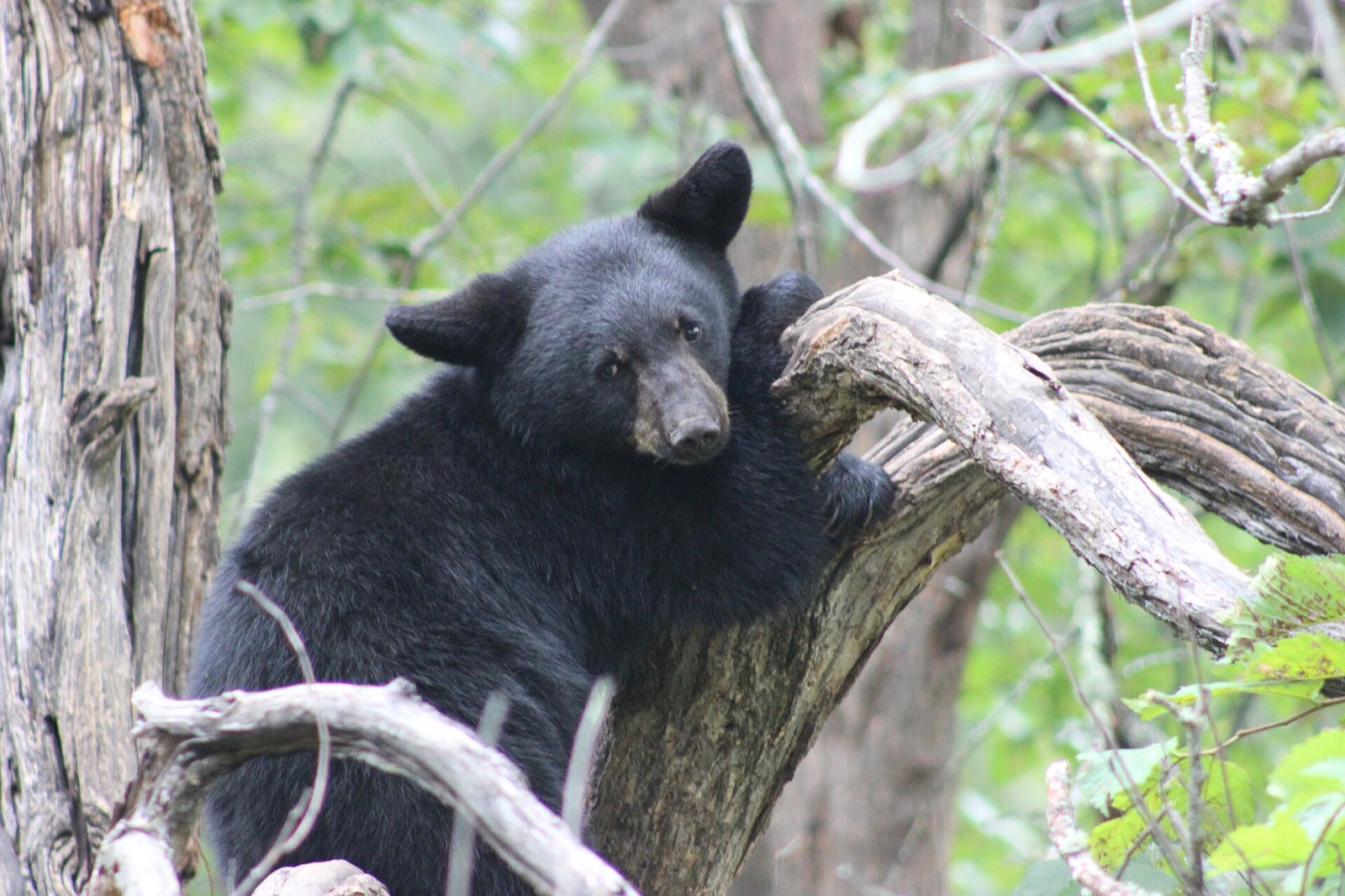
Although listed as a carnivore, black bears are primarily omnivorous feeding on seasonally abundant foods. Bear diets include berries, fruits, nuts, insects, roots, grasses, small rodents, bird eggs and carrion. Acorns comprise much of and are a significant food source in the late season diet of black bears in Tennessee. Bears, like many other wild animals, are opportunistic and look for effortless calories.
Tennessee Wildlife Resources AgencyBear Seasons: October 3, 2026 to January 3, 2027. People report black bears in Tennessee most in May, and 20 percent of all reports fall in September, October and November. Everything below is Tennessee Wildlife Resources Agency’s own words and dates, read on September 19, 2026, beside the record of what people reported.
When black bears are most active in Tennessee
The agency counts about 6,000 black bears in Tennessee, in two main populations: an Appalachian one along the North Carolina line and a Cumberland one on the northern Cumberland Plateau toward the Kentucky line. Both are pieces of a larger Southeastern population the agency says it shares with Kentucky, North Carolina, South Carolina, Virginia and Georgia. Bears are seen regularly in East Tennessee and far less often in the middle and western parts of the state, though the agency expects them to keep moving back into that historical range as populations in Kentucky, Mississippi and Arkansas grow.
The bars count research grade American black bear observations people uploaded to iNaturalist for Tennessee, by calendar month, across every year the platform holds. The busiest month in the record is May, and reports drop below 40 percent of that peak by October. The drop into winter reflects bears denning and fewer people outdoors in equal measure, which is why the agency’s sentences below, not the curve, carry the timing.
3,763 research grade American black bear observations have been uploaded to iNaturalist for Tennessee across every year the platform holds, and 20 percent of them fall in the three shaded fall months. The busiest month in the record is May, and reports drop below 40 percent of that peak by October. These are counts of what people reported, so they measure observers as well as bears; they are not a population, not a survey and not a statement about this autumn. See the records on iNaturalist.
Research grade black bear reports uploaded for Tennessee by year, 2016 to 2025: 34 in 2016 and 662 in 2025. Most of the climb is the platform itself growing, and every species on it shows the same shape, so this is a record of reporting rather than a population trend.
What Tennessee Wildlife Resources Agency says
Fall feeding
Although listed as a carnivore, black bears are primarily omnivorous feeding on seasonally abundant foods. Bear diets include berries, fruits, nuts, insects, roots, grasses, small rodents, bird eggs and carrion. Acorns comprise much of and are a significant food source in the late season diet of black bears in Tennessee. Bears, like many other wild animals, are opportunistic and look for effortless calories.Tennessee Wildlife Resources Agency, read September 19, 2026. Read it at the source
Denning
Denning starts as early as November and ends as late as May. Females tend to begin hibernation earlier than males. In years of high mast production, bears can enter dens later.Tennessee Wildlife Resources Agency, read September 19, 2026. Read it at the source
When conflicts and sightings rise
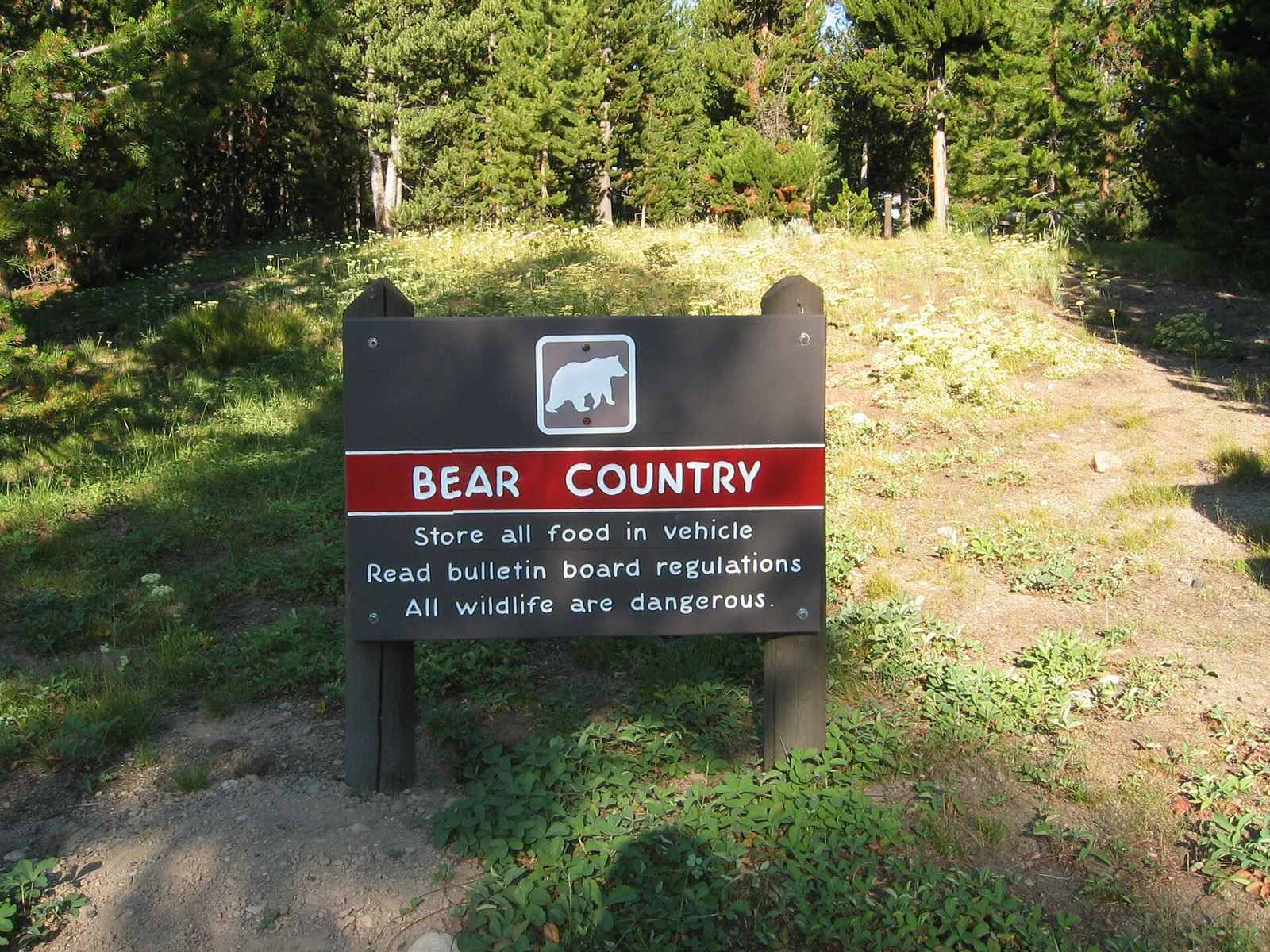
The expansion of human-populated areas has resulted in an increase in bear sightings around people. A bear being in an area is not a cause for alarm, but proper measures should be taken to reduce the risk of bears lingering due to attractants. The best approach to prevent unwanted bear encounters is to secure attractants that bring bears near homes and populated areas.Tennessee Wildlife Resources Agency, read September 19, 2026. Read it at the source
Tennessee bear seasons, 2026-27
Tennessee Wildlife Resources Agency dates American black bear seasons under its own names, and each is below under that name with the zone rows exactly as the agency lists them, the source page linked beside each table, and the date it was read.
Bear Seasons
publishedBear Seasons is OPEN now in the Bear Hunt Zone 1: Carter, Cocke (north of I-40), Greene, Johnson, Sullivan, Unicoi and Washington counties, through October 11, 2026, with 3 zone segments open.
| Zone | Opens | Closes | Notes |
|---|---|---|---|
| Bear Hunt Zone 1: Carter, Cocke (north of I-40), Greene, Johnson, Sullivan, Unicoi and Washington counties (segment 1) | October 3, 2026 | October 5, 2026 | The agency groups these as early, mid and late windows. |
| Bear Hunt Zone 1: Carter, Cocke (north of I-40), Greene, Johnson, Sullivan, Unicoi and Washington counties (segment 2) | October 10, 2026 | October 11, 2026 | |
| Bear Hunt Zone 1: Carter, Cocke (north of I-40), Greene, Johnson, Sullivan, Unicoi and Washington counties (segment 3) | November 9, 2026 | November 16, 2026 | |
| Bear Hunt Zone 1: Carter, Cocke (north of I-40), Greene, Johnson, Sullivan, Unicoi and Washington counties (segment 4) | November 21, 2026 | November 24, 2026 | |
| Bear Hunt Zone 1: Carter, Cocke (north of I-40), Greene, Johnson, Sullivan, Unicoi and Washington counties (segment 5) | November 30, 2026 | December 16, 2026 | |
| Bear Hunt Zone 2: Blount, Cocke (south of I-40), Jefferson (east of Hwy 411) and Sevier counties (segment 1) | October 3, 2026 | October 18, 2026 | The October window here runs unbroken for sixteen days, the longest early window in the state. |
| Bear Hunt Zone 2: Blount, Cocke (south of I-40), Jefferson (east of Hwy 411) and Sevier counties (segment 2) | November 2, 2026 | November 6, 2026 | |
| Bear Hunt Zone 2: Blount, Cocke (south of I-40), Jefferson (east of Hwy 411) and Sevier counties (segment 3) | November 21, 2026 | November 24, 2026 | |
| Bear Hunt Zone 2: Blount, Cocke (south of I-40), Jefferson (east of Hwy 411) and Sevier counties (segment 4) | November 30, 2026 | December 15, 2026 | |
| Bear Hunt Zone 3: McMinn (east of Hwy 411), Monroe and Polk counties, excluding South Cherokee WMA (segment 1) | October 3, 2026 | October 4, 2026 | Zone 3 is the only zone the agency reopens after Christmas, for four days at the turn of the year. |
| Bear Hunt Zone 3: McMinn (east of Hwy 411), Monroe and Polk counties, excluding South Cherokee WMA (segment 2) | October 10, 2026 | October 16, 2026 | |
| Bear Hunt Zone 3: McMinn (east of Hwy 411), Monroe and Polk counties, excluding South Cherokee WMA (segment 3) | November 2, 2026 | November 6, 2026 | |
| Bear Hunt Zone 3: McMinn (east of Hwy 411), Monroe and Polk counties, excluding South Cherokee WMA (segment 4) | November 21, 2026 | November 24, 2026 | |
| Bear Hunt Zone 3: McMinn (east of Hwy 411), Monroe and Polk counties, excluding South Cherokee WMA (segment 5) | November 30, 2026 | December 13, 2026 | |
| Bear Hunt Zone 3: McMinn (east of Hwy 411), Monroe and Polk counties, excluding South Cherokee WMA (segment 6) | December 31, 2026 | January 3, 2027 | |
| Bear Hunt Zone 4: Anderson (west of I-75 and north of Old Lake City Hwy and north of Dutch Valley Rd.), Campbell (north of Hwy 63 and west of I-75), Claiborne (west of 25E and north of Hwy 63), Cumberland, Fentress, Morgan, Overton (east of Hwy 111), Pickett, Putnam (east of Hwy 111), Scott, Van Buren (east of Hwy 111) and White (east of Hwy 111) counties | December 12, 2026 | December 13, 2026 | Private land only. Zone 4 has no other window on the agency's bear season tables beyond archery and the young sportsman weekend. |
| Bear Hunt Zone 5: Hancock and Hawkins counties | December 12, 2026 | December 13, 2026 | Private land only. |
Dates read from Tennessee Bear Season Regulations and Information, Tennessee Wildlife Resources Agency, accessed 2026-09-19.
Tennessee splits its bear range into five numbered Bear Hunt Zones plus a Transitional Zone, and the dates differ in every one of them. Zones 1, 2 and 3, the Appalachian core, carry the full set of October, November and December windows. Zones 4 and 5 and the Transitional Zone, the recolonizing edge on the Cumberland Plateau and in the northeast ridges, carry far less: a weekend in December for Zones 4 and 5 on private land, and for the Transitional Zone nothing at all outside the statewide archery window. The agency also prints a separate reserve hunt in September and a dog training season, both listed under otherSeasons.
Archery Only
publishedArchery Only is OPEN now in the Bear Hunt Zones 1, 2, 3, 4 and 5 and the Transitional Zone, through October 23, 2026.
| Zone | Opens | Closes | Notes |
|---|---|---|---|
| Bear Hunt Zones 1, 2, 3, 4 and 5 and the Transitional Zone | September 26, 2026 | October 23, 2026 | The one window the agency runs on the same dates in every zone, including the Transitional Zone. |
Dates read from Tennessee Bear Season Regulations and Information, Tennessee Wildlife Resources Agency, accessed 2026-09-19.
A four week window at the front of the season, and the only bear season the Transitional Zone has.
Spring bear season
no seasonTennessee holds no spring bear season. Tennessee prints no spring bear season. Every dated bear window on the agency's tables falls between late September and early January, and the only spring dates on the bear page belong to the dog training season. Source: Tennessee Wildlife Resources Agency.
Other Tennessee bear seasons the agency names
Young Sportsman
publishedYoung Sportsman opens in 21 days, on October 31, 2026 (Bear Hunt Zones 1, 2 and 3).
| Zone | Opens | Closes | Notes |
|---|---|---|---|
| Bear Hunt Zones 1, 2 and 3 | October 31, 2026 | November 1, 2026 | |
| Bear Hunt Zones 4 and 5 | October 31, 2026 | November 1, 2026 | Private land only. |
Dates read from Tennessee Bear Season Regulations and Information, Tennessee Wildlife Resources Agency, accessed 2026-09-19.
A single weekend at the end of October for young hunters. The Transitional Zone is not included.
Restricted Bear Reserve Hunt
publishedRestricted Bear Reserve Hunt has closed for the season year; the last segment ended September 25, 2026.
| Zone | Opens | Closes | Notes |
|---|---|---|---|
| Private property inside the proclaimed boundaries of the Kettlefoot and Laurel Fork Bear Reserves | September 19, 2026 | September 25, 2026 | Private lands only. |
Dates read from Tennessee Bear Season Regulations and Information, Tennessee Wildlife Resources Agency, accessed 2026-09-19.
The earliest bear dates on the Tennessee calendar, a week in September confined to private ground inside two reserve boundaries in the northeastern corner of the state.
Bear Dog Training Season
publishedBear Dog Training Season opens in 219 days, on May 17, 2027 (Bear Hunt Zones 1 and 2).
| Zone | Opens | Closes | Notes |
|---|---|---|---|
| Bear Hunt Zones 1 and 2 (segment 1) | August 22, 2026 | September 27, 2026 | |
| Bear Hunt Zones 1 and 2 (segment 2) | May 17, 2027 | June 6, 2027 | |
| Bear Hunt Zone 3 (segment 1) | September 9, 2026 | September 18, 2026 | |
| Bear Hunt Zone 3 (segment 2) | May 17, 2027 | June 6, 2027 | |
| North Cherokee WMA | September 8, 2026 | October 3, 2026 | |
| South Cherokee WMA | September 9, 2026 | September 18, 2026 |
Dates read from Tennessee Bear Season Regulations and Information, Tennessee Wildlife Resources Agency, accessed 2026-09-19.
The agency's own name for a separate set of dates, late summer and again the following spring, that no bear may be taken under. Zone 4 and the Transitional Zone are closed to it. It is the only bear listing on the Tennessee calendar that carries spring dates.
The agency's own season sentence
Tennessee has two main black bear populations: the Appalachian Population along the Tennessee-North Carolina border and the Cumberland Population in the northern part of the Cumberland Plateau along the Tennessee-Kentucky border.Tennessee Wildlife Resources Agency, read September 19, 2026. Read it at the source
Current Tennessee regulations
Permit and tag requirements, zone maps, permitted methods, tagging and reporting, and everything else a bear hunter is bound by for Tennessee are set by Tennessee Wildlife Resources Agency, are legally binding and change annually. Its current regulations page is linked here.
Tennessee Wildlife Resources Agency: current regulations
Bear season in other states
Tennessee bear season questions
This page covers the 2026-27 season year with agency data read on September 19, 2026 and an iNaturalist record to September 19, 2026. Every sentence about bear behaviour is Tennessee Wildlife Resources Agency’s own, quoted exactly with a link to its page; every season window is republished from the agency page linked beside it, and windows the agency had not yet published are labelled not yet published. The month bars count what members of the public reported and are not a population. See also the national bear season guide.