
Nevada Bear Season 2026-27
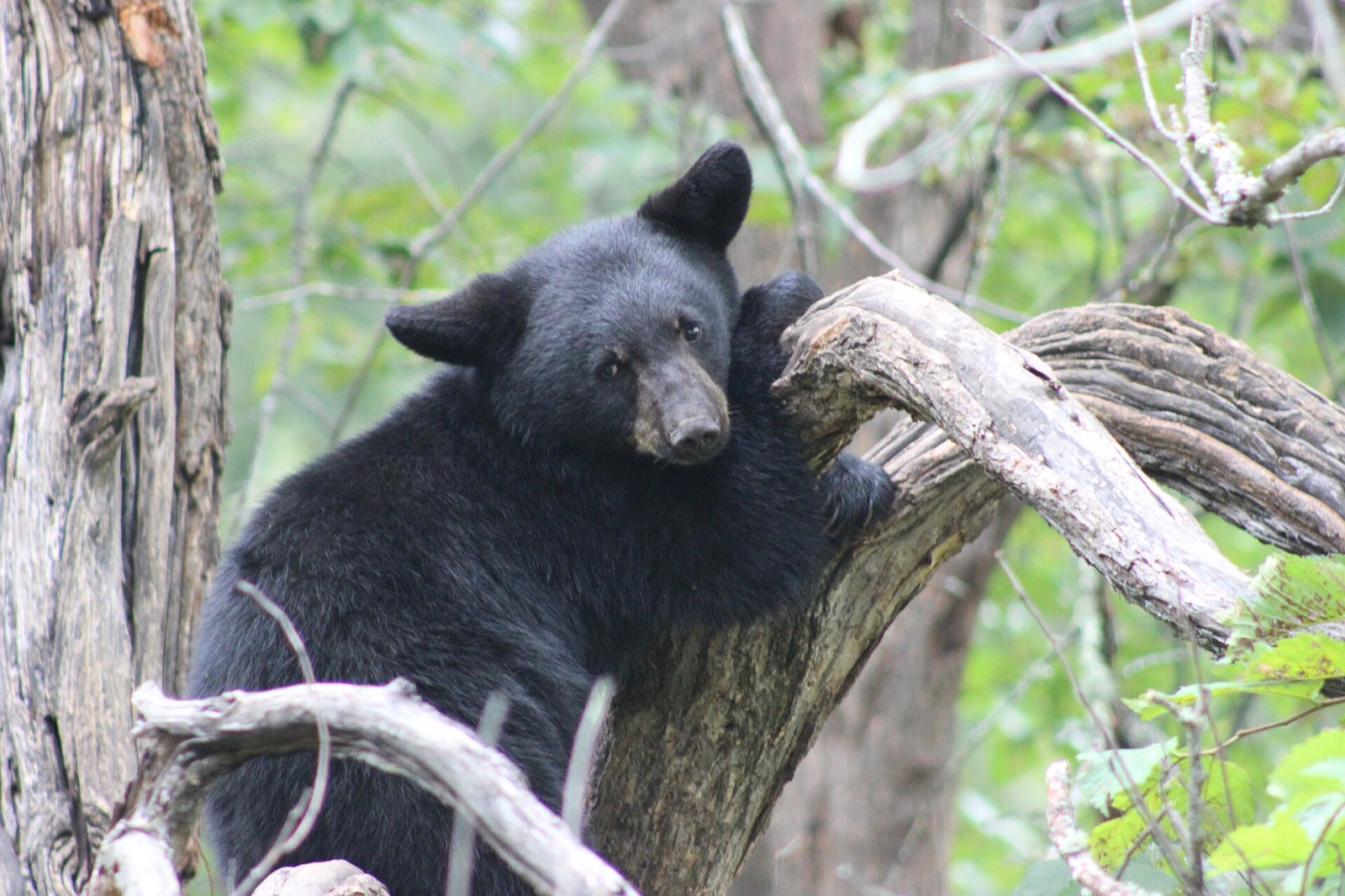
During the fall, Black Bears go through a period called hyperphagia. During this time, their appetites go into hyper drive. They can consume 8,000 to 20,000 calories each day in order to put on enough fat to hibernate.
Nevada Department of WildlifeBlack Bear Season: September 15, 2026 to December 1, 2026. People report black bears in Nevada most in October, and 34 percent of all reports fall in September, October and November. Everything below is Nevada Department of Wildlife’s own words and dates, read on September 19, 2026, beside the record of what people reported.
When black bears are most active in Nevada
Nevada's bears are a comeback, and a recent one. The department says black bears had been extirpated from the state by the early 1900s and that the population in western Nevada has increased dramatically since the 1980s. The range is still a corner of the state rather than the whole of it: the mountainous areas and foothills of the Sierra Nevada and the Lake Tahoe country, which is where every one of the open hunt units sits.
The bars count research grade American black bear observations people uploaded to iNaturalist for Nevada, by calendar month, across every year the platform holds. The busiest month in the record is October, and reports drop below 40 percent of that peak by December. The drop into winter reflects bears denning and fewer people outdoors in equal measure, which is why the agency’s sentences below, not the curve, carry the timing.
219 research grade American black bear observations have been uploaded to iNaturalist for Nevada across every year the platform holds, and 34 percent of them fall in the three shaded fall months. The busiest month in the record is October, and reports drop below 40 percent of that peak by December. These are counts of what people reported, so they measure observers as well as bears; they are not a population, not a survey and not a statement about this autumn. See the records on iNaturalist.
Research grade black bear reports uploaded for Nevada by year, 2016 to 2025: 22 in 2016 and 17 in 2025. Most of the climb is the platform itself growing, and every species on it shows the same shape, so this is a record of reporting rather than a population trend.
What Nevada Department of Wildlife says
Fall feeding
During the fall, Black Bears go through a period called hyperphagia. During this time, their appetites go into hyper drive. They can consume 8,000 to 20,000 calories each day in order to put on enough fat to hibernate.Nevada Department of Wildlife, read September 19, 2026. Read it at the source
Denning
If a winter is particularly mild or there is enough food in their territory, Black Bears do not have to hibernate. They can also wake during hibernation and move about their den or give birth.Nevada Department of Wildlife, read September 19, 2026. Read it at the source
When conflicts and sightings rise
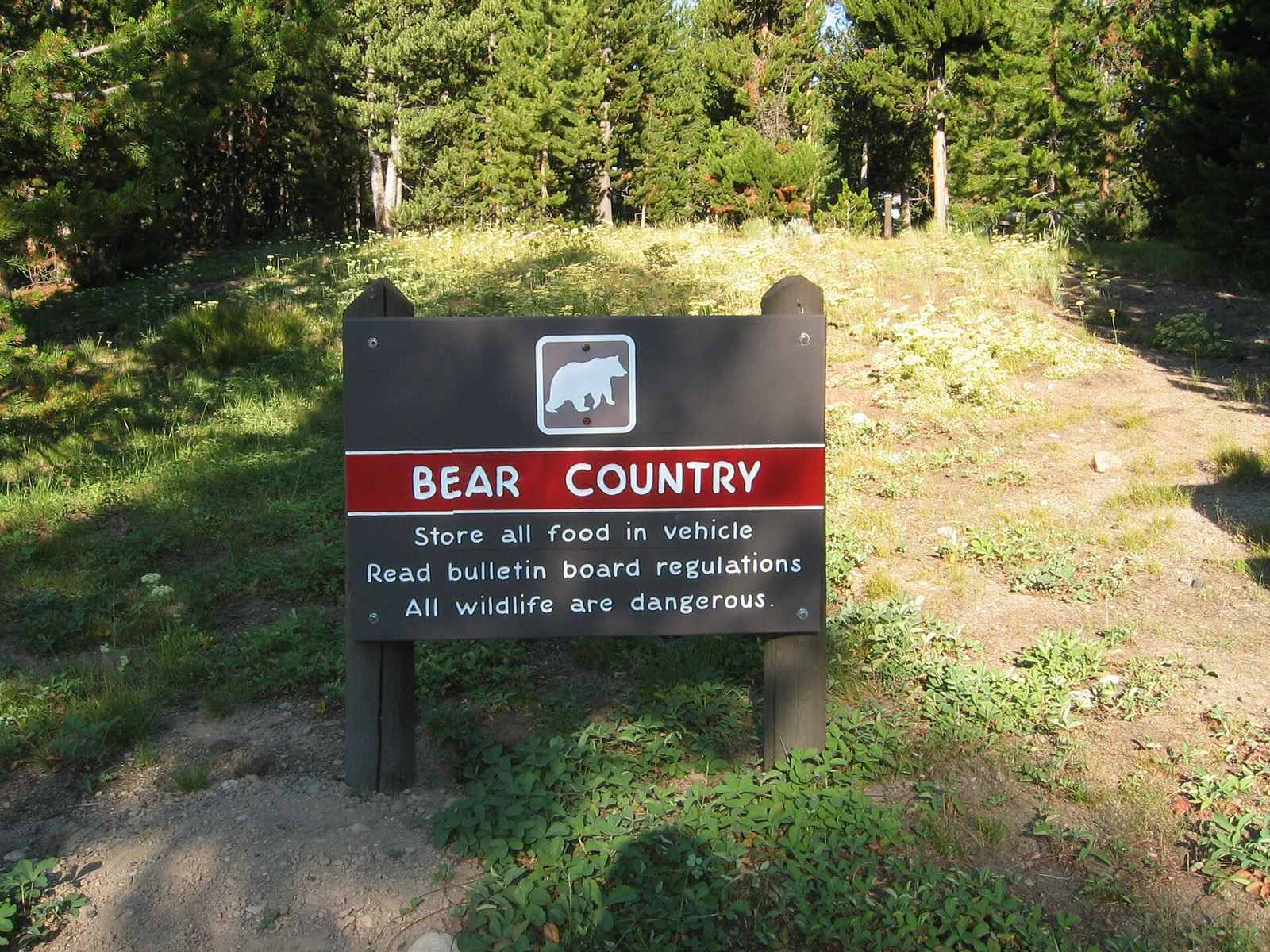
More than 90 percent of black bear conflict calls in western Nevada involve unsecured garbage or other human food sources. Once bears begin finding easy meals around homes and neighborhoods, they can lose their natural wariness of people and repeatedly return, increasing the likelihood of property damage and public safety concerns.Nevada Department of Wildlife, read September 19, 2026. Read it at the source
Nevada bear seasons, 2026-27
Nevada Department of Wildlife dates American black bear seasons under its own names, and each is below under that name with the zone rows exactly as the agency lists them, the source page linked beside each table, and the date it was read.
Black Bear Season
publishedBlack Bear Season is OPEN now in the Hunt units 192, 194, 195 and 196, except those portions of 192 and 194 described in the commission's special regulations, through December 1, 2026, with 3 zone segments open.
| Zone | Opens | Closes | Notes |
|---|---|---|---|
| Hunt units 192, 194, 195 and 196, except those portions of 192 and 194 described in the commission's special regulations | September 15, 2026 | December 1, 2026 | |
| Hunt units 201, 202, 204 and 206 | September 15, 2026 | December 1, 2026 | |
| Hunt units 203 and 291 | September 15, 2026 | December 1, 2026 |
Dates read from CR 26-07, 2026 Black Bear Season, Nevada Board of Wildlife Commissioners, approved January 2026, accessed 2026-09-19.
Nevada runs one window, Sept 15 to Dec 1, across three groups of hunt units in the west of the state. The commission prints the end date as 'Sept 15 - Dec 1 (or until harvest limits are met)', so the window can close early; the department keeps a recorded hotline that says whether it has. The special regulations carve the Lake Tahoe Basin Management Unit and a described block east of it out of units 192 and 194.
Archery bear season
no seasonNevada holds no separately dated archery bear season. Nevada dates no separate archery bear season. CR 26-07 sets one window per unit group and nothing else. Source: Nevada Department of Wildlife.
Spring bear season
no seasonNevada holds no spring bear season. Nevada dates no spring bear season. The commission's only bear window runs from the middle of September into December. Source: Nevada Department of Wildlife.
The agency's own season sentence
Black Bears are found in the mountainous areas and foothills of the Sierra Nevada and Lake Tahoe areas. Rivers and streams provide a source of food, while forested areas offer cover.Nevada Department of Wildlife, read September 19, 2026. Read it at the source
Current Nevada regulations
Permit and tag requirements, zone maps, permitted methods, tagging and reporting, and everything else a bear hunter is bound by for Nevada are set by Nevada Department of Wildlife, are legally binding and change annually. Its current regulations page is linked here.
Nevada Department of Wildlife: current regulations
Bear season in other states
Nevada bear season questions
This page covers the 2026-27 season year with agency data read on September 19, 2026 and an iNaturalist record to September 19, 2026. Every sentence about bear behaviour is Nevada Department of Wildlife’s own, quoted exactly with a link to its page; every season window is republished from the agency page linked beside it, and windows the agency had not yet published are labelled not yet published. The month bars count what members of the public reported and are not a population. See also the national bear season guide.