
Wisconsin Bear Season 2026-27
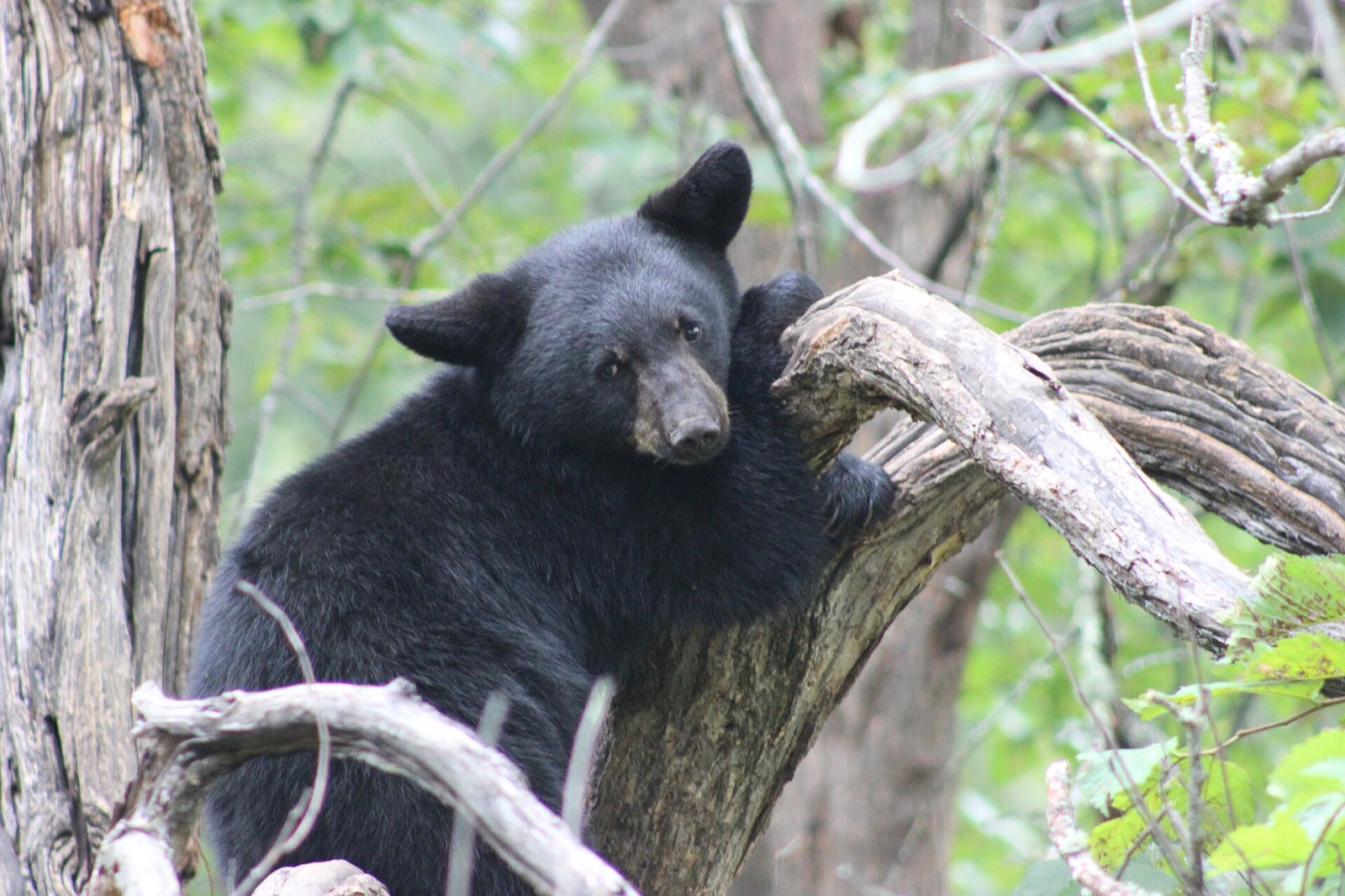
Black bears' diet follows the seasons. These seasonal foods include forbs and grasses in spring, berries and insect colonies in summer, and apples and acorns in fall.
Wisconsin Department of Natural ResourcesBear season: September 9, 2026 to October 13, 2026. People report black bears in Wisconsin most in June, and 17 percent of all reports fall in September, October and November. Everything below is Wisconsin Department of Natural Resources’s own words and dates, read on September 19, 2026, beside the record of what people reported.
When black bears are most active in Wisconsin
The department says black bears are native to Wisconsin and that the population, estimated at about 9,000 in 1989, has grown to some 24,000 in recent years. Primary bear range is the northern third of the state and is expanding south, so the department tells residents to expect bears outside that traditional range. Bear hunting is divided into six management zones, A through F.
The bars count research grade American black bear observations people uploaded to iNaturalist for Wisconsin, by calendar month, across every year the platform holds. The busiest month in the record is June, and reports drop below 40 percent of that peak by September. The drop into winter reflects bears denning and fewer people outdoors in equal measure, which is why the agency’s sentences below, not the curve, carry the timing.
546 research grade American black bear observations have been uploaded to iNaturalist for Wisconsin across every year the platform holds, and 17 percent of them fall in the three shaded fall months. The busiest month in the record is June, and reports drop below 40 percent of that peak by September. These are counts of what people reported, so they measure observers as well as bears; they are not a population, not a survey and not a statement about this autumn. See the records on iNaturalist.
Research grade black bear reports uploaded for Wisconsin by year, 2016 to 2025: 8 in 2016 and 80 in 2025. Most of the climb is the platform itself growing, and every species on it shows the same shape, so this is a record of reporting rather than a population trend.
What Wisconsin Department of Natural Resources says
Fall feeding
Black bears' diet follows the seasons. These seasonal foods include forbs and grasses in spring, berries and insect colonies in summer, and apples and acorns in fall.Wisconsin Department of Natural Resources, read September 19, 2026. Read it at the source
Denning
Most bears enter their dens sometime in October and emerge in late March or early April. Den sites may be in rock outcroppings, hollow logs or stumps, excavated holes in the ground or in exposed "nests" above ground.Wisconsin Department of Natural Resources, read September 19, 2026. Read it at the source
When conflicts and sightings rise
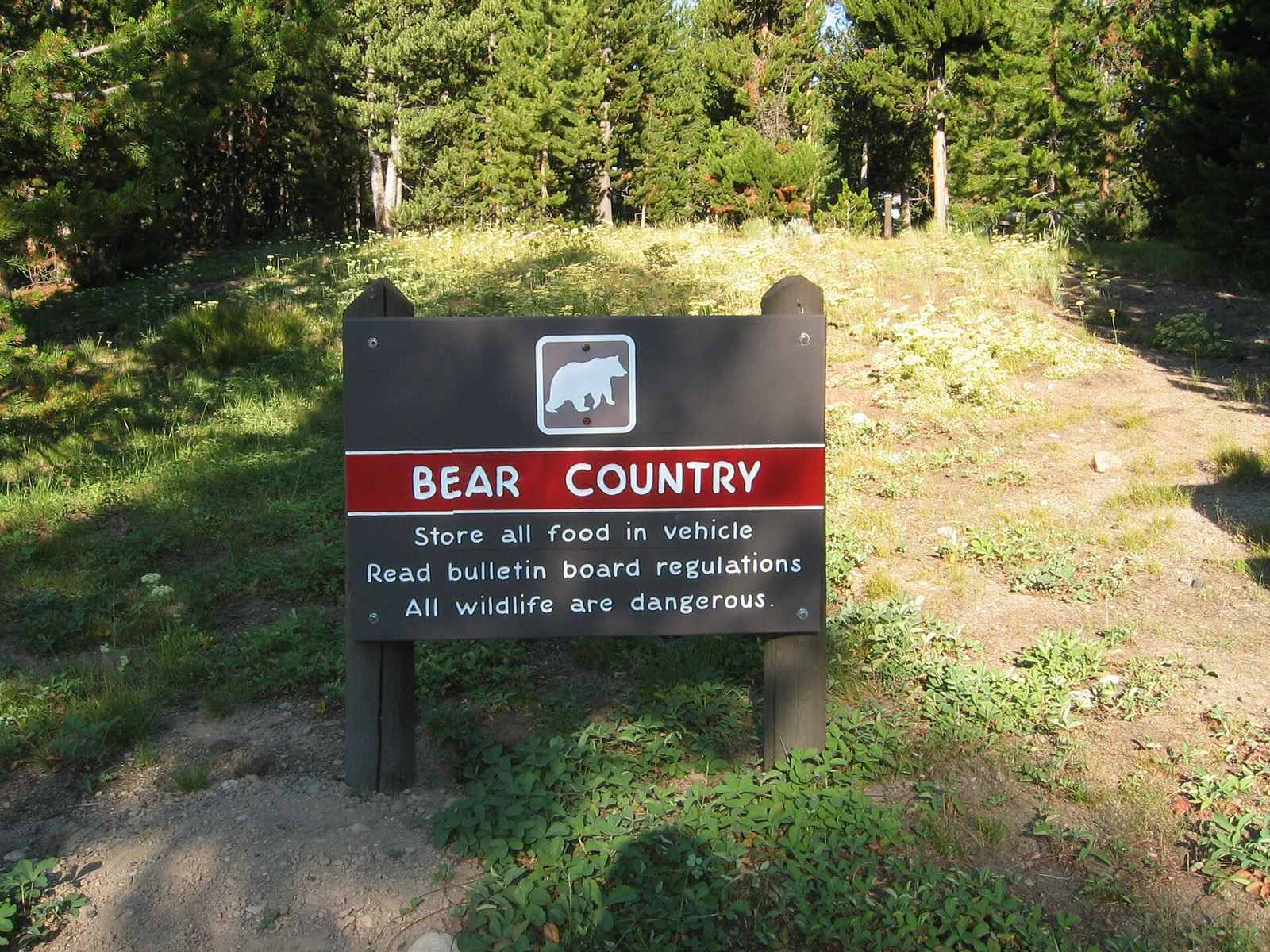
Black bears are commonly found in Wisconsin's hardwood and conifer forests, where they eat plants, insects, berries and nuts. When these natural food sources become scarce or overlap with human food sources such as bird feeders and trash cans, conflict can occur.Wisconsin Department of Natural Resources, read September 19, 2026. Read it at the source
Wisconsin bear seasons, 2026-27
Wisconsin Department of Natural Resources dates American black bear seasons under its own names, and each is below under that name with the zone rows exactly as the agency lists them, the source page linked beside each table, and the date it was read.
Bear season
publishedBear season is OPEN now in the Zones A, B, C, D, E and F, through October 13, 2026.
| Zone | Opens | Closes | Notes |
|---|---|---|---|
| Zones A, B, C, D, E and F | September 9, 2026 | October 13, 2026 | All six bear management zones open and close on the same dates. The department's season table divides that window into shorter segments that differ between the zones. |
Dates read from Bear hunting, Season Dates, Regulations & Hours, Wisconsin DNR, accessed 2026-09-19.
Wisconsin runs one bear season across its six management zones, September 9 to October 13, 2026. The outer dates are identical in every zone; the department's table splits the window into segments within it. Licences are zone specific, so the department tells hunters to pay attention to the zone they are authorized to hunt.
Archery bear season
no seasonWisconsin holds no separately dated archery bear season. Wisconsin dates no separate archery bear season. The department's published 2026 season dates list one bear season window running September 9 to October 13, with no separate archery window alongside it. Source: Wisconsin Department of Natural Resources.
Spring bear season
no seasonWisconsin holds no spring bear season. Wisconsin holds no spring bear season. The department's published 2026 season dates run only from September 9 to October 13, and the bear drawing is held in early to mid February for that autumn. Source: Wisconsin Department of Natural Resources.
The agency's own season sentence
2026 Season Dates: Sept. 9-Oct. 13.Wisconsin Department of Natural Resources, read September 19, 2026. Read it at the source
Current Wisconsin regulations
Permit and tag requirements, zone maps, permitted methods, tagging and reporting, and everything else a bear hunter is bound by for Wisconsin are set by Wisconsin Department of Natural Resources, are legally binding and change annually. Its current regulations page is linked here.
Wisconsin Department of Natural Resources: current regulations
Bear season in other states
Wisconsin bear season questions
This page covers the 2026-27 season year with agency data read on September 19, 2026 and an iNaturalist record to September 19, 2026. Every sentence about bear behaviour is Wisconsin Department of Natural Resources’s own, quoted exactly with a link to its page; every season window is republished from the agency page linked beside it, and windows the agency had not yet published are labelled not yet published. The month bars count what members of the public reported and are not a population. See also the national bear season guide.