
Alaska Bear Season 2026-27
In fall, brown and black bears are most commonly found on large rivers for salmon and associated riparian forest areas for roots, late berries and fruits. In the Interior, bears focus on alpine and subalpine berry patches.
Alaska Department of Fish and GameBlack Bear: August 20, 2026 to June 30, 2027, plus units the agency lists as year-round. People report black bears in Alaska most in July, and 11 percent of all reports fall in September, October and November. Everything below is Alaska Department of Fish and Game’s own words and dates, read on September 19, 2026, beside the record of what people reported.
When black bears are most active in Alaska
The department puts about 100,000 black bears in Alaska, and they range over most of the forested part of the state, sea level to alpine depending on the month. They are absent from the Seward Peninsula, the Yukon-Kuskokwim Delta and everything north of the Brooks Range, from several of the big Gulf of Alaska islands including Kodiak, Montague and Hinchinbrook, and from the Alaska Peninsula south of the Lake Iliamna area. In Southeast they hold most islands except Admiralty, Baranof, Chichagof and Kruzof, which are brown bear islands. Brown bears, the same species as the grizzly, live across the state as well.
The bars count research grade American black bear observations people uploaded to iNaturalist for Alaska, by calendar month, across every year the platform holds. The busiest month in the record is July, and reports drop below 40 percent of that peak by September. The drop into winter reflects bears denning and fewer people outdoors in equal measure, which is why the agency’s sentences below, not the curve, carry the timing.
1,774 research grade American black bear observations have been uploaded to iNaturalist for Alaska across every year the platform holds, and 11 percent of them fall in the three shaded fall months. The busiest month in the record is July, and reports drop below 40 percent of that peak by September. These are counts of what people reported, so they measure observers as well as bears; they are not a population, not a survey and not a statement about this autumn. See the records on iNaturalist.
Research grade black bear reports uploaded for Alaska by year, 2016 to 2025: 32 in 2016 and 228 in 2025. Most of the climb is the platform itself growing, and every species on it shows the same shape, so this is a record of reporting rather than a population trend.
What Alaska Department of Fish and Game says
Fall feeding
In fall, brown and black bears are most commonly found on large rivers for salmon and associated riparian forest areas for roots, late berries and fruits. In the Interior, bears focus on alpine and subalpine berry patches.Alaska Department of Fish and Game, read September 19, 2026. Read it at the source
Denning
Bears enter this dormancy period in the fall, after most food items become hard to find. They emerge in the spring when food is again available. Occasionally, in the more southern ranges, bears will emerge from their dens during winter. In the northern part of their range, bears may be dormant for as long as seven to eight months.Alaska Department of Fish and Game, read September 19, 2026. Read it at the source
When conflicts and sightings rise
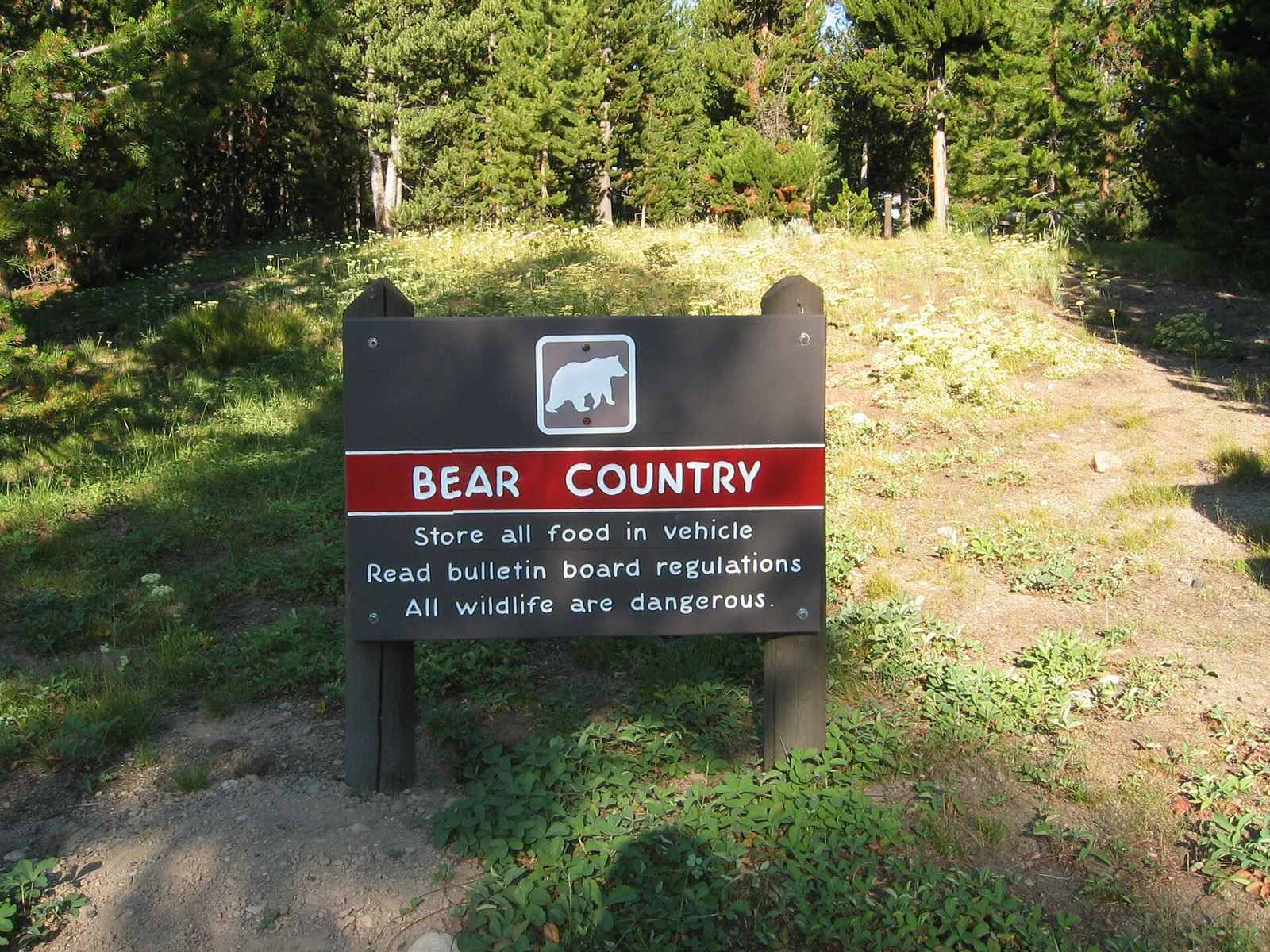
Living in a state with large predators comes with responsibilities. In order to maintain healthy bear populations and reduce conflicts with bears, certain precautions should be taken. Whether it is keeping the garbage at your home secure, or maintaining a clean campsite, your behavior often dictates the bear's behavior.Alaska Department of Fish and Game, read September 19, 2026. Read it at the source
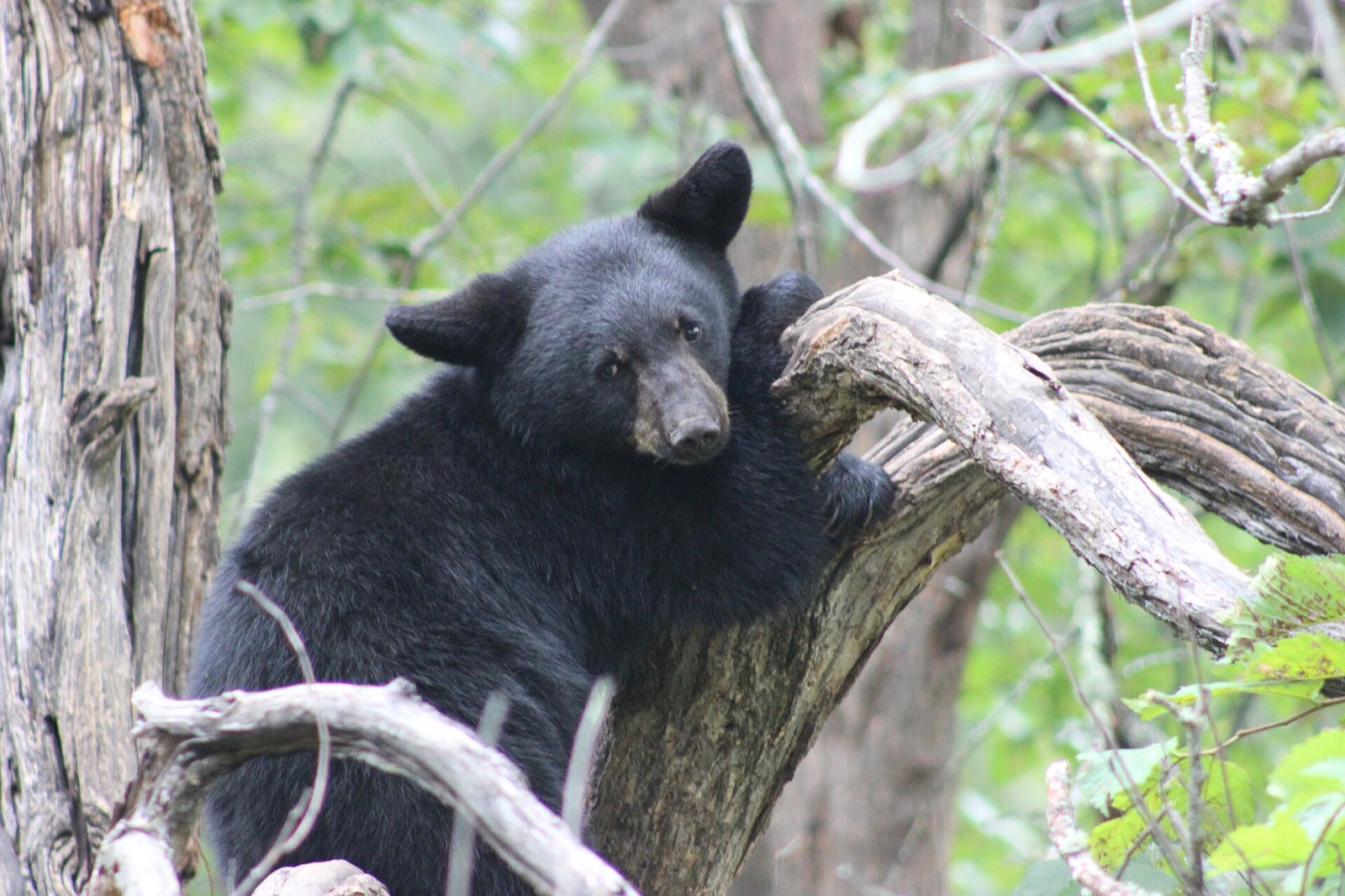
Alaska bear seasons, 2026-27
Alaska Department of Fish and Game dates American black bear and brown bear, including grizzly seasons under its own names, and each is below under that name with the zone rows exactly as the agency lists them, the source page linked beside each table, and the date it was read.
Black Bear
publishedBlack Bear is OPEN now in the Unit 1, through June 30, 2027, with 7 zone segments open.
| Zone | Opens | Closes | Notes |
|---|---|---|---|
| Unit 1 | September 1, 2026 | June 30, 2027 | |
| Unit 2 | September 1, 2026 | June 30, 2027 | |
| Unit 3 | September 1, 2026 | June 30, 2027 | |
| Unit 5 | September 1, 2026 | June 30, 2027 | |
| Units 6A and 6B | August 20, 2026 | June 30, 2027 | |
| Unit 6C | September 1, 2026 | June 30, 2027 | |
| Unit 6D | September 10, 2026 | June 10, 2027 | |
| Unit 7 | Open year-round, per the agency | ||
| Unit 9 | Open year-round, per the agency | ||
| Unit 11 | Open year-round, per the agency | ||
| Unit 12 | Open year-round, per the agency | ||
| Unit 13 | Open year-round, per the agency | ||
| Units 14A and 14B | Open year-round, per the agency | ||
| Unit 14C | Open year-round, per the agency | The management areas around Anchorage, Eagle River and Joint Base Elmendorf-Richardson each carry their own shorter window, and several of them are closed; the department prints that detail in the Unit 14 table. | |
| Unit 15 | Open year-round, per the agency | ||
| Unit 16 | Open year-round, per the agency | The strip within a mile of the mouth of Wolverine Creek runs Sep 15 to May 31 instead. | |
| Unit 17 | Open year-round, per the agency | ||
| Unit 18 | Open year-round, per the agency | ||
| Unit 19 | Open year-round, per the agency | ||
| Unit 20 | Open year-round, per the agency | ||
| Unit 21 | Open year-round, per the agency | ||
| Unit 22 | Open year-round, per the agency | ||
| Unit 23 | Open year-round, per the agency | ||
| Unit 24 | Open year-round, per the agency | ||
| Unit 25 | Open year-round, per the agency | ||
| Unit 26 | Open year-round, per the agency | ||
Dates read from Alaska Hunting Regulations, Alaska Department of Fish and Game, accessed 2026-09-19.
Alaska runs its black bear seasons by game management unit, and the regulatory year runs July 1, 2026 through June 30, 2027, which is why the dated rows cross into 2027. Most of the Interior, the Southwest and the North have no closed season at all, so those rows read year-round. Units 4, 8 and 10 carry no black bear season because black bears do not live there; Unit 4 is the Admiralty, Baranof and Chichagof island group, Unit 8 is Kodiak, and Unit 10 covers the Aleutians and Unimak. Each row is the unit's general framing; the department prints subarea detail in its own unit tables.
Archery bear season
no seasonAlaska holds no separately dated archery bear season. Alaska does not print a separate archery black bear season. The unit rows above are the whole calendar, and the handful of areas near Anchorage that are limited by method sit inside Unit 14C rather than in a season of their own. Source: Alaska Department of Fish and Game.
Spring bear season
no seasonAlaska holds no spring bear season. Alaska prints no separate spring black bear season. The dated unit rows run from late summer straight through June, and much of the state has no closed season, so spring is already inside the season above rather than outside it. Source: Alaska Department of Fish and Game.
The agency's own season sentence
Black bears (Ursus americanus) are the most abundant and widely distributed of the three species of North American bears.Alaska Department of Fish and Game, read September 19, 2026. Read it at the source
Current Alaska regulations
Permit and tag requirements, zone maps, permitted methods, tagging and reporting, and everything else a bear hunter is bound by for Alaska are set by Alaska Department of Fish and Game, are legally binding and change annually. Its current regulations page is linked here.
Alaska Department of Fish and Game: current regulations
Bear season in other states
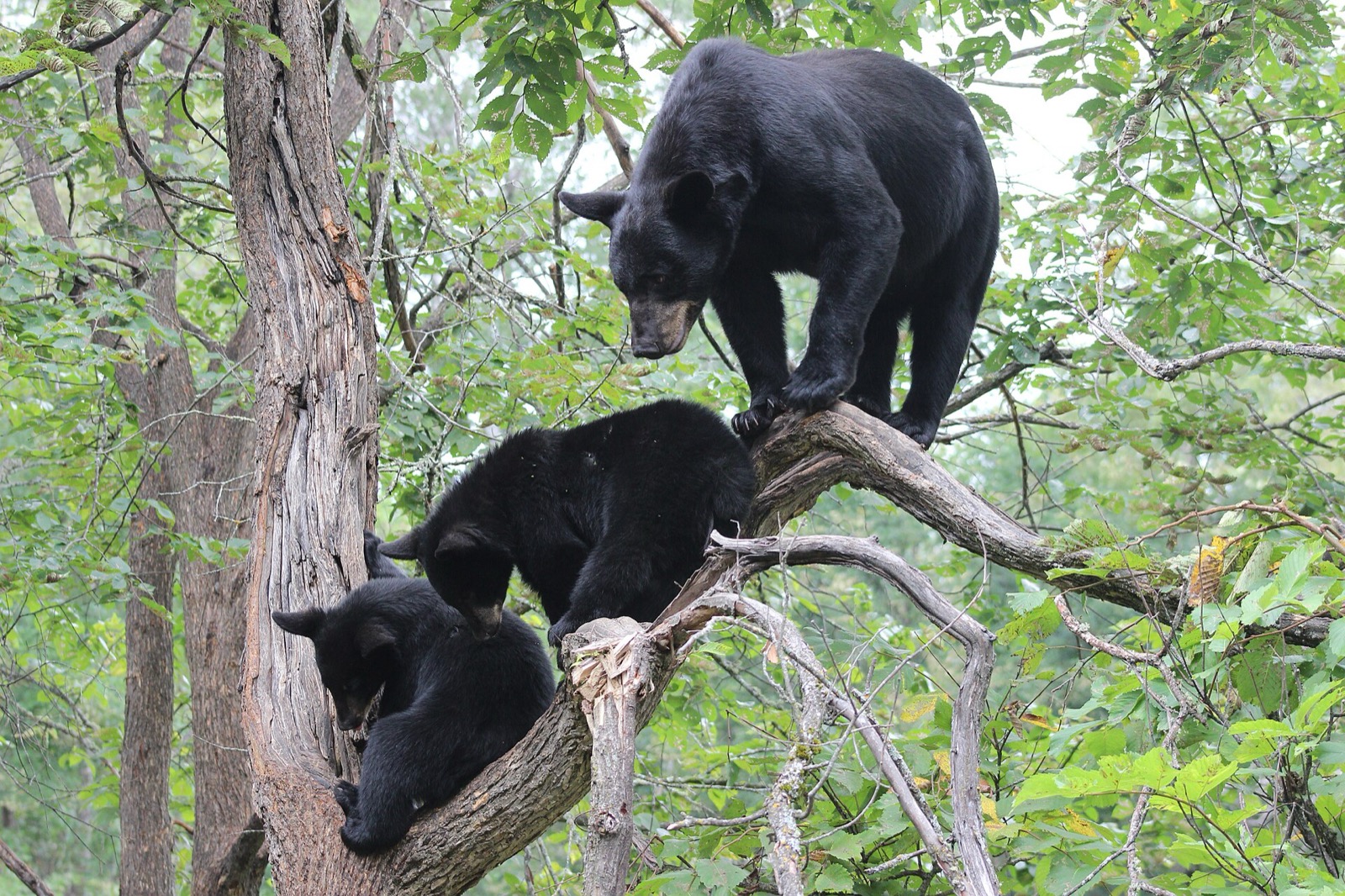
Alaska bear season questions
This page covers the 2026-27 season year with agency data read on September 19, 2026 and an iNaturalist record to September 19, 2026. Every sentence about bear behaviour is Alaska Department of Fish and Game’s own, quoted exactly with a link to its page; every season window is republished from the agency page linked beside it, and windows the agency had not yet published are labelled not yet published. The month bars count what members of the public reported and are not a population. See also the national bear season guide.