
Virginia Bear Season 2026-27
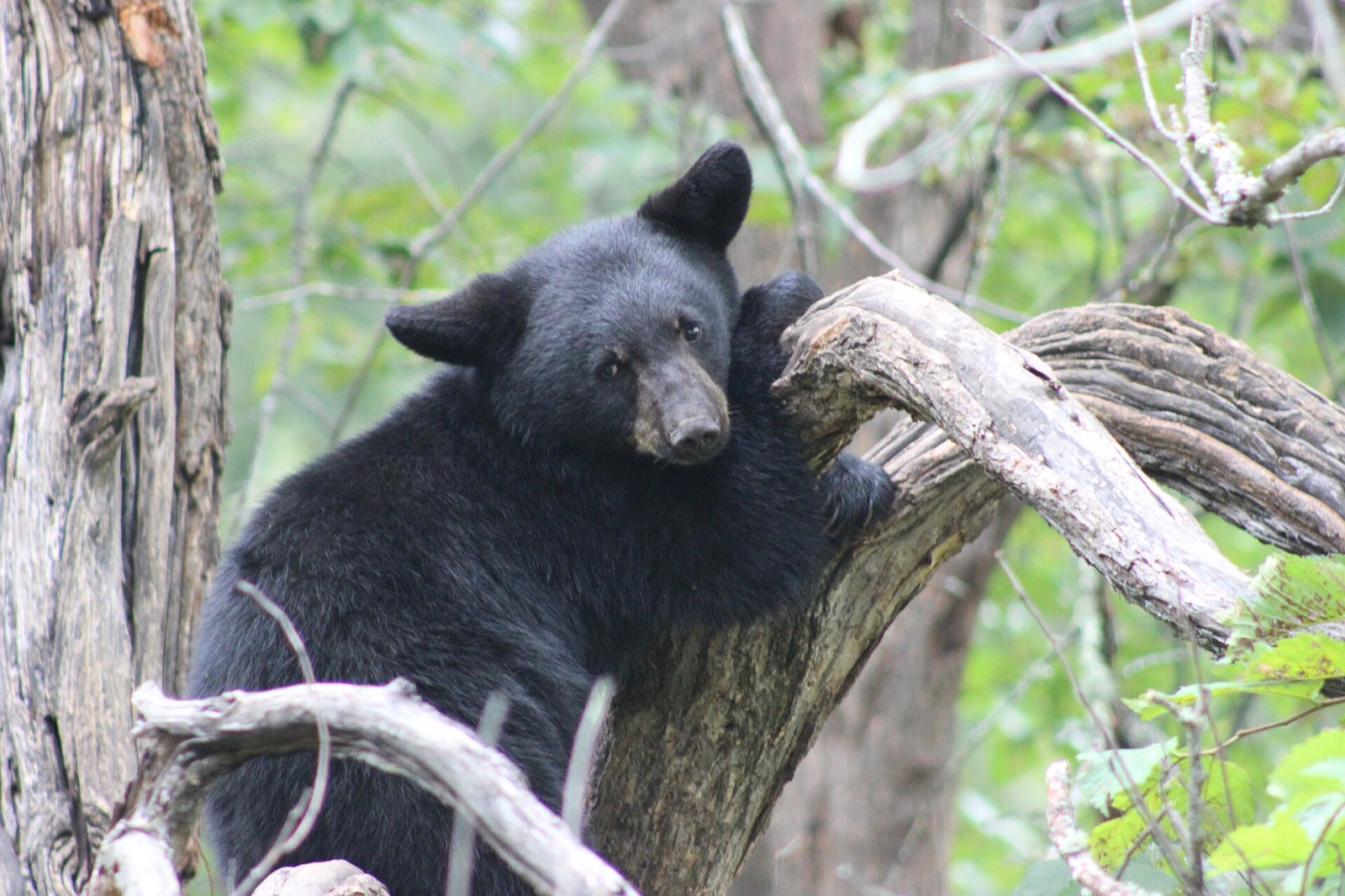
Bears may feed up to 20 hours per day, accumulating fat (energy) prior to winter denning. An adult male can gain over 100 pounds in a few weeks when acorn production is heavy.
Virginia Department of Wildlife ResourcesFirearms: September 28, 2026 to January 2, 2027. People report black bears in Virginia most in June, and 23 percent of all reports fall in September, October and November. Everything below is Virginia Department of Wildlife Resources’s own words and dates, read on September 19, 2026, beside the record of what people reported.
When black bears are most active in Virginia
The department says the black bear is the only bear species in Virginia and that bears are found throughout most of the Commonwealth, occurring in at least 92 of Virginia's 98 counties and cities. The highest concentrations are in the Blue Ridge and Alleghany Mountains and around the Great Dismal Swamp, with bears also in the Piedmont and sporadically along the coast.
The bars count research grade American black bear observations people uploaded to iNaturalist for Virginia, by calendar month, across every year the platform holds. The busiest month in the record is June, and reports drop below 40 percent of that peak by November. The drop into winter reflects bears denning and fewer people outdoors in equal measure, which is why the agency’s sentences below, not the curve, carry the timing.
1,541 research grade American black bear observations have been uploaded to iNaturalist for Virginia across every year the platform holds, and 23 percent of them fall in the three shaded fall months. The busiest month in the record is June, and reports drop below 40 percent of that peak by November. These are counts of what people reported, so they measure observers as well as bears; they are not a population, not a survey and not a statement about this autumn. See the records on iNaturalist.
Research grade black bear reports uploaded for Virginia by year, 2016 to 2025: 93 in 2016 and 150 in 2025. Most of the climb is the platform itself growing, and every species on it shows the same shape, so this is a record of reporting rather than a population trend.
What Virginia Department of Wildlife Resources says
Fall feeding
Bears may feed up to 20 hours per day, accumulating fat (energy) prior to winter denning. An adult male can gain over 100 pounds in a few weeks when acorn production is heavy.Virginia Department of Wildlife Resources, read September 19, 2026. Read it at the source
Denning
Depending on weather and food conditions, black bears enter their winter dens between October and January. In Virginia, most bears in mountainous areas den in large, hollow trees.Virginia Department of Wildlife Resources, read September 19, 2026. Read it at the source
When conflicts and sightings rise
Residential bear problems may occur at any time of year, but are more common when natural food supplies are limited, usually in the spring or in years when natural nut and berry production is low, but human-related foods are available.Virginia Department of Wildlife Resources, read September 19, 2026. Read it at the source
Virginia bear seasons, 2026-27
Virginia Department of Wildlife Resources dates American black bear seasons under its own names, and each is below under that name with the zone rows exactly as the agency lists them, the source page linked beside each table, and the date it was read.
Firearms
publishedFirearms is OPEN now in the Cities of Chesapeake, Suffolk and Virginia Beach, through January 2, 2027, with 2 zone segments open.
| Zone | Opens | Closes | Notes |
|---|---|---|---|
| Buchanan, Dickenson, Lee, Russell, Scott, Washington and Wise counties (segment 1) | September 28, 2026 | September 30, 2026 | The department lists the three day September window here as Early Firearms and excepts Clinch Mountain Wildlife Management Area from it. |
| Buchanan, Dickenson, Lee, Russell, Scott, Washington and Wise counties (segment 2) | November 23, 2026 | January 2, 2027 | |
| Arlington, Bland, Caroline, Charlotte, Chesterfield, Craig, Fairfax, Fluvanna, Giles, Goochland, Halifax, Hanover, Henrico, Louisa, Mecklenburg, Montgomery, Orange, Powhatan, Prince Edward, Prince William, Pulaski, Roanoke, Smyth, Spotsylvania, Stafford, Tazewell and Wythe counties | November 23, 2026 | January 2, 2027 | |
| Albemarle, Alleghany, Amherst, Appomattox, Augusta, Bath, Bedford, Botetourt, Buckingham, Clarke, Culpeper, Fauquier, Frederick, Greene, Highland, Loudoun, Madison, Nelson, Page, Rappahannock, Rockbridge, Rockingham, Shenandoah and Warren counties (segment 1) | November 27, 2026 | November 29, 2026 | This county group is the one the department splits into a short late November window and a longer window after December 21. |
| Albemarle, Alleghany, Amherst, Appomattox, Augusta, Bath, Bedford, Botetourt, Buckingham, Clarke, Culpeper, Fauquier, Frederick, Greene, Highland, Loudoun, Madison, Nelson, Page, Rappahannock, Rockbridge, Rockingham, Shenandoah and Warren counties (segment 2) | December 21, 2026 | January 2, 2027 | |
| Amelia, Brunswick, Campbell, Carroll, Charles City, Cumberland, Dinwiddie, Essex, Floyd, Franklin, Gloucester, Grayson, Greensville, Henry, Isle of Wight, James City, King and Queen, King George, King William, Lancaster, Lunenburg, Mathews, Middlesex, New Kent, Northumberland, Nottoway, Patrick, Pittsylvania, Prince George, Richmond, Southampton, Surry, Sussex, Westmoreland and York counties | November 30, 2026 | January 2, 2027 | |
| Cities of Chesapeake, Suffolk and Virginia Beach | October 1, 2026 | January 2, 2027 | The earliest opener in the state by nearly two months. |
| Incorporated limits of any town or city that allows bear hunting | October 3, 2026 | January 2, 2027 | The department notes this season does not supersede local ordinances. |
Dates read from Bear Hunting Regulations and Seasons, Virginia DWR, accessed 2026-09-19.
Virginia dates its bear seasons by county group rather than by numbered zone, and the groups differ by more than a month. Accomack and Northampton counties are the exception: the department lists their firearms bear season as closed, while their archery season runs with the rest of the state.
Archery
publishedArchery is OPEN now in the Statewide except the Albemarle to Warren county group, through November 13, 2026.
| Zone | Opens | Closes | Notes |
|---|---|---|---|
| Statewide except the Albemarle to Warren county group | October 3, 2026 | November 13, 2026 | This window covers every county group the department lists other than the one that opens October 17, and it includes Accomack and Northampton, whose firearms season is closed. |
| Albemarle, Alleghany, Amherst, Appomattox, Augusta, Bath, Bedford, Botetourt, Buckingham, Clarke, Culpeper, Fauquier, Frederick, Greene, Highland, Loudoun, Madison, Nelson, Page, Rappahannock, Rockbridge, Rockingham, Shenandoah and Warren counties | October 17, 2026 | November 13, 2026 |
Dates read from Bear Hunting Regulations and Seasons, Virginia DWR, accessed 2026-09-19.
Virginia's archery bear season is the earliest statewide opportunity in most of the Commonwealth, running from the first Saturday in October to November 13, two weeks later in the central mountain and northern Piedmont county group.
Spring bear season
no seasonVirginia holds no spring bear season. Virginia holds no spring bear season. Every dated bear season the department publishes falls between late September and January 2, and its bear hound training and chase seasons, during which no bear may be taken, run in August and September and again in November and December. Source: Virginia Department of Wildlife Resources.
Other Virginia bear seasons the agency names
Muzzleloader
publishedMuzzleloader opens in 28 days, on November 7, 2026 (Statewide except the Albemarle to Warren county group).
| Zone | Opens | Closes | Notes |
|---|---|---|---|
| Statewide except the Albemarle to Warren county group | November 7, 2026 | November 13, 2026 | |
| Albemarle, Alleghany, Amherst, Appomattox, Augusta, Bath, Bedford, Botetourt, Buckingham, Clarke, Culpeper, Fauquier, Frederick, Greene, Highland, Loudoun, Madison, Nelson, Page, Rappahannock, Rockbridge, Rockingham, Shenandoah and Warren counties | November 10, 2026 | November 13, 2026 |
Dates read from Bear Hunting Regulations and Seasons, Virginia DWR, accessed 2026-09-19.
A one week window that closes the same day as archery, three days shorter in the central mountain and northern Piedmont county group.
Youth and Apprentice Bear Hunting Weekend
publishedYouth and Apprentice Bear Hunting Weekend is OPEN now, through October 11, 2026.
| Zone | Opens | Closes | Notes |
|---|---|---|---|
| Statewide | October 10, 2026 | October 11, 2026 |
Dates read from Bear Hunting Regulations and Seasons, Virginia DWR, accessed 2026-09-19.
A single statewide weekend for hunters 15 and under and for holders of an apprentice licence, accompanied and directly supervised by an adult.
The agency's own season sentence
Archery: October 3 through November 13. Firearms: November 23 through January 2.Virginia Department of Wildlife Resources, read September 19, 2026. Read it at the source
Current Virginia regulations
Permit and tag requirements, zone maps, permitted methods, tagging and reporting, and everything else a bear hunter is bound by for Virginia are set by Virginia Department of Wildlife Resources, are legally binding and change annually. Its current regulations page is linked here.
Virginia Department of Wildlife Resources: current regulations
Bear season in other states
Virginia bear season questions
This page covers the 2026-27 season year with agency data read on September 19, 2026 and an iNaturalist record to September 19, 2026. Every sentence about bear behaviour is Virginia Department of Wildlife Resources’s own, quoted exactly with a link to its page; every season window is republished from the agency page linked beside it, and windows the agency had not yet published are labelled not yet published. The month bars count what members of the public reported and are not a population. See also the national bear season guide.