
Missouri Bear Season 2026-27
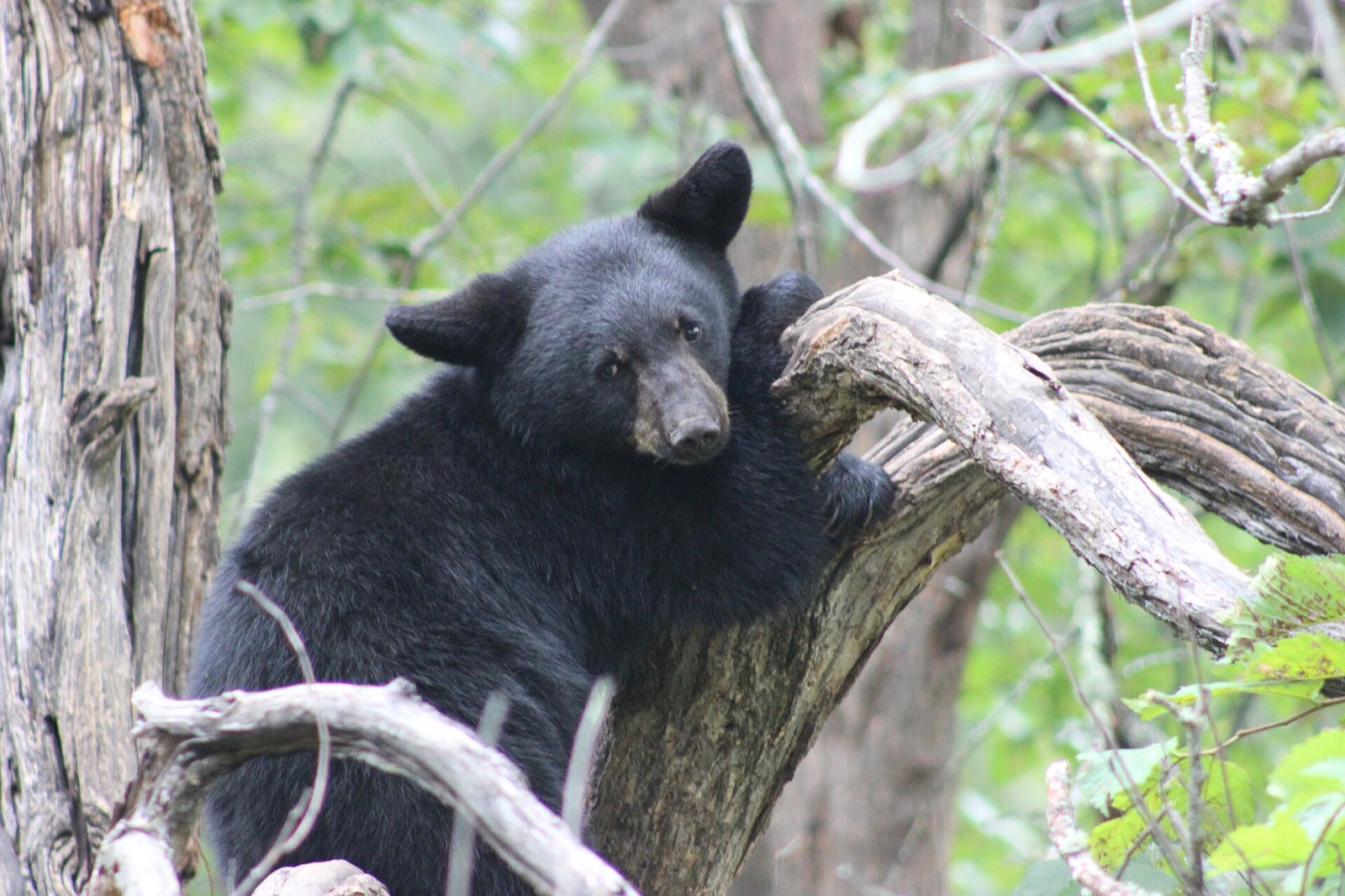
"Black bears are super-focused on finding food in the fall," said Bowersock. "The quest for calories keeps bears active and foraging up to 20 hours a day. When the eating is good, a bear can put on two to three pounds a day. By hibernation time, many bears will have added about four inches of fat and gained between 20% and 50% of their summer body weight." This annual feeding frenzy is called "hyperphagia" and is driven by bears' ticking biological clocks counting down to hibernation, when most bears in colder climates retire for the winter and live off the fat they're working so hard now to accumulate.
Missouri Department of ConservationBlack bear hunting season: October 17, 2026 to October 30, 2026. Everything below is Missouri Department of Conservation’s own words and dates, read on September 19, 2026, beside the record of what people reported.
When black bears are most active in Missouri
MDC says black bears are becoming more common and widespread across the southern half of Missouri, with most living south of the Missouri River and individuals seen as far north as the Iowa border. The department's management page puts the population at approximately 800 (600 to 1,000) bears and its September 2025 BearWise release at an estimated 1,000 or more.
The bars count research grade American black bear observations people uploaded to iNaturalist for Missouri, by calendar month, across every year the platform holds. The drop into winter reflects bears denning and fewer people outdoors in equal measure, which is why the agency’s sentences below, not the curve, carry the timing.
35 research grade American black bear observations have been uploaded to iNaturalist for Missouri across every year the platform holds, and 23 percent of them fall in the three shaded fall months. With this few records the series is too thin to summarise, so the bars stand on their own. These are counts of what people reported, so they measure observers as well as bears; they are not a population, not a survey and not a statement about this autumn. See the records on iNaturalist.
Research grade black bear reports uploaded for Missouri by year, 2016 to 2025: 0 in 2016 and 3 in 2025. Most of the climb is the platform itself growing, and every species on it shows the same shape, so this is a record of reporting rather than a population trend.
What Missouri Department of Conservation says
Fall feeding
"Black bears are super-focused on finding food in the fall," said Bowersock. "The quest for calories keeps bears active and foraging up to 20 hours a day. When the eating is good, a bear can put on two to three pounds a day. By hibernation time, many bears will have added about four inches of fat and gained between 20% and 50% of their summer body weight." This annual feeding frenzy is called "hyperphagia" and is driven by bears' ticking biological clocks counting down to hibernation, when most bears in colder climates retire for the winter and live off the fat they're working so hard now to accumulate.Missouri Department of Conservation, read September 19, 2026. Read it at the source
Denning
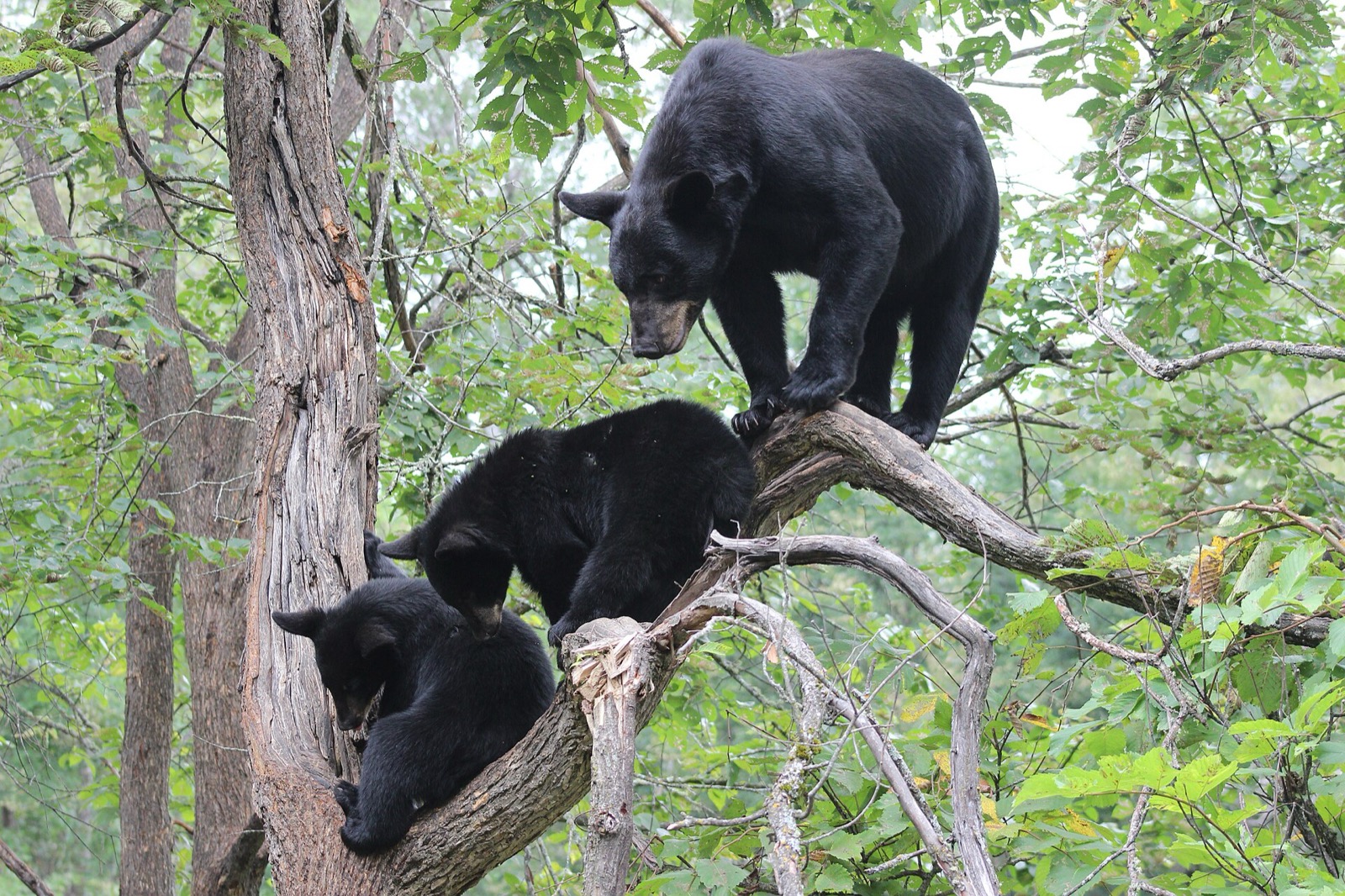
After this developmental hiatus (called delayed implantation), the eggs continue development about the time that bears enter hibernation, in October or November. Young are born in late January or February — while the mother is still hibernating. Black bears have 1 to 4 cubs a year, but the average is 2 cubs. Winter inactivity usually extends into April, when bears leave their winter quarters and feed heavily.Missouri Department of Conservation, read September 19, 2026. Read it at the source
When conflicts and sightings rise
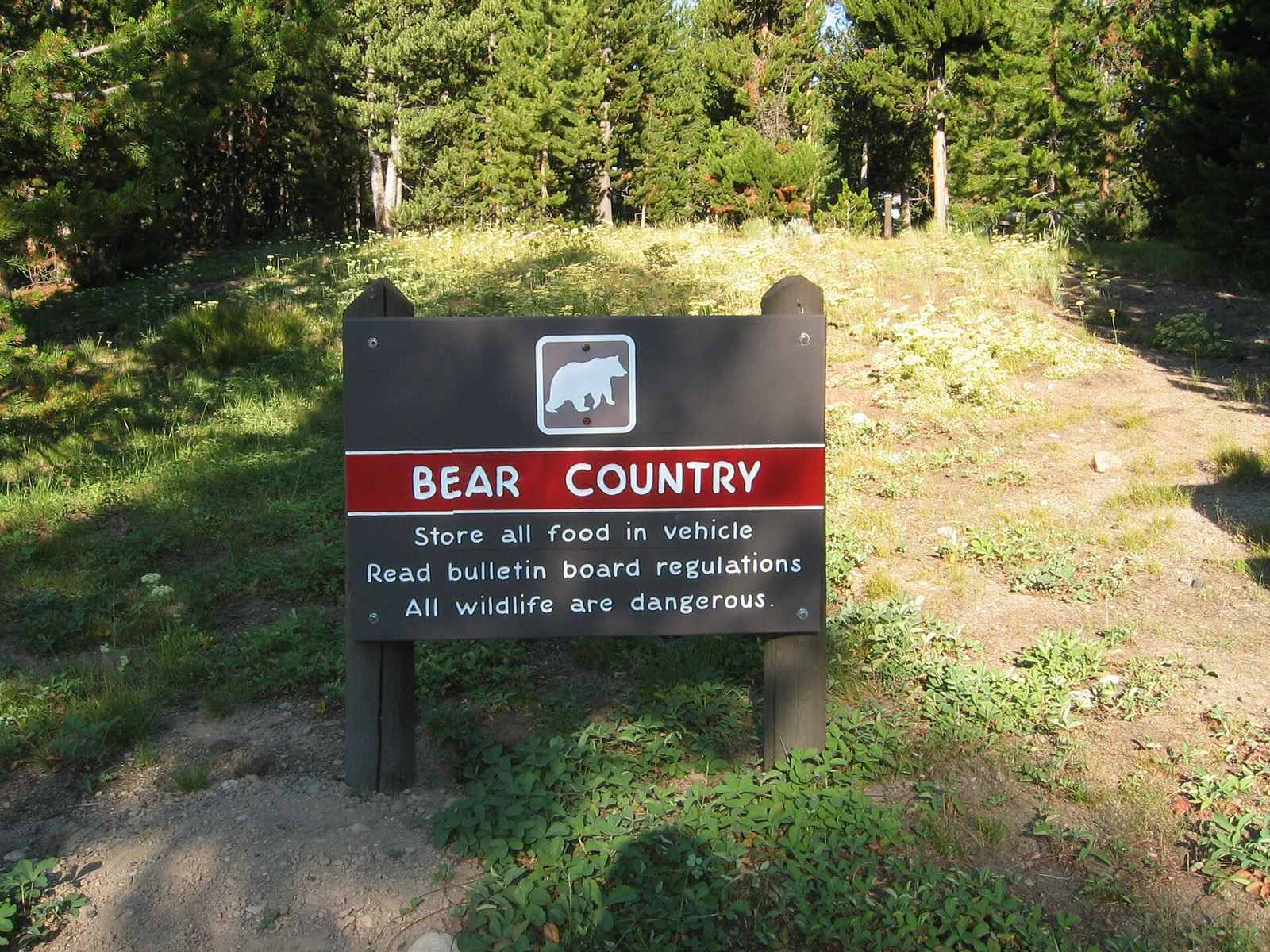
In the early spring, they emerge from their dens very hungry at a time when natural foods are scarce. Spring is also when family groups break up and breeding season begins. Most of the black bears that cause nuisance problems in Missouri are yearling males that have been driven away by their mother, or threatened or attacked by older males. In their search for food, these young males often come into contact with humans and cause problems.Missouri Department of Conservation, read September 19, 2026. Read it at the source
Missouri bear seasons, 2026-27
Missouri Department of Conservation dates American black bear seasons under its own names, and each is below under that name with the zone rows exactly as the agency lists them, the source page linked beside each table, and the date it was read.
Black bear hunting season
publishedBlack bear hunting season opens in 4 days, on October 17, 2026 (BMZ 1).
| Zone | Opens | Closes | Notes |
|---|---|---|---|
| BMZ 1 | October 17, 2026 | October 30, 2026 | MDC may close a zone before Oct 30 and posts the daily closure status |
| BMZ 2 | October 17, 2026 | October 30, 2026 | MDC may close a zone before Oct 30 and posts the daily closure status |
| BMZ 3 | October 17, 2026 | October 30, 2026 | MDC may close a zone before Oct 30 and posts the daily closure status |
Dates read from Bear: Season, Missouri Department of Conservation, accessed 2026-09-19.
Missouri's bear season is a single two week window in October with the same dates in all three Black Bear Management Zones, which together cover the state south of the Missouri River. Hunting is by permit drawn for one specific zone. The season began in 2021 after MDC determined the growing population could sustain a limited, highly regulated harvest.
Archery bear season
no seasonMissouri holds no separately dated archery bear season. MDC dates one black bear hunting season and no separately dated archery bear season. What a permit holder carries inside that October window is a rules question for the department's Bear: Regulations page rather than a date. Source: Missouri Department of Conservation.
Spring bear season
no seasonMissouri holds no spring bear season. Missouri holds no spring bear season. The Wildlife Code's black bear hunting season is the October window only, and MDC's Bear: Season page lists no other bear dates. Source: Missouri Department of Conservation.
The agency's own season sentence
October 17, 2026 - October 30, 2026Missouri Department of Conservation, read September 19, 2026. Read it at the source
Current Missouri regulations
Permit and tag requirements, zone maps, permitted methods, tagging and reporting, and everything else a bear hunter is bound by for Missouri are set by Missouri Department of Conservation, are legally binding and change annually. Its current regulations page is linked here.
Missouri Department of Conservation: current regulations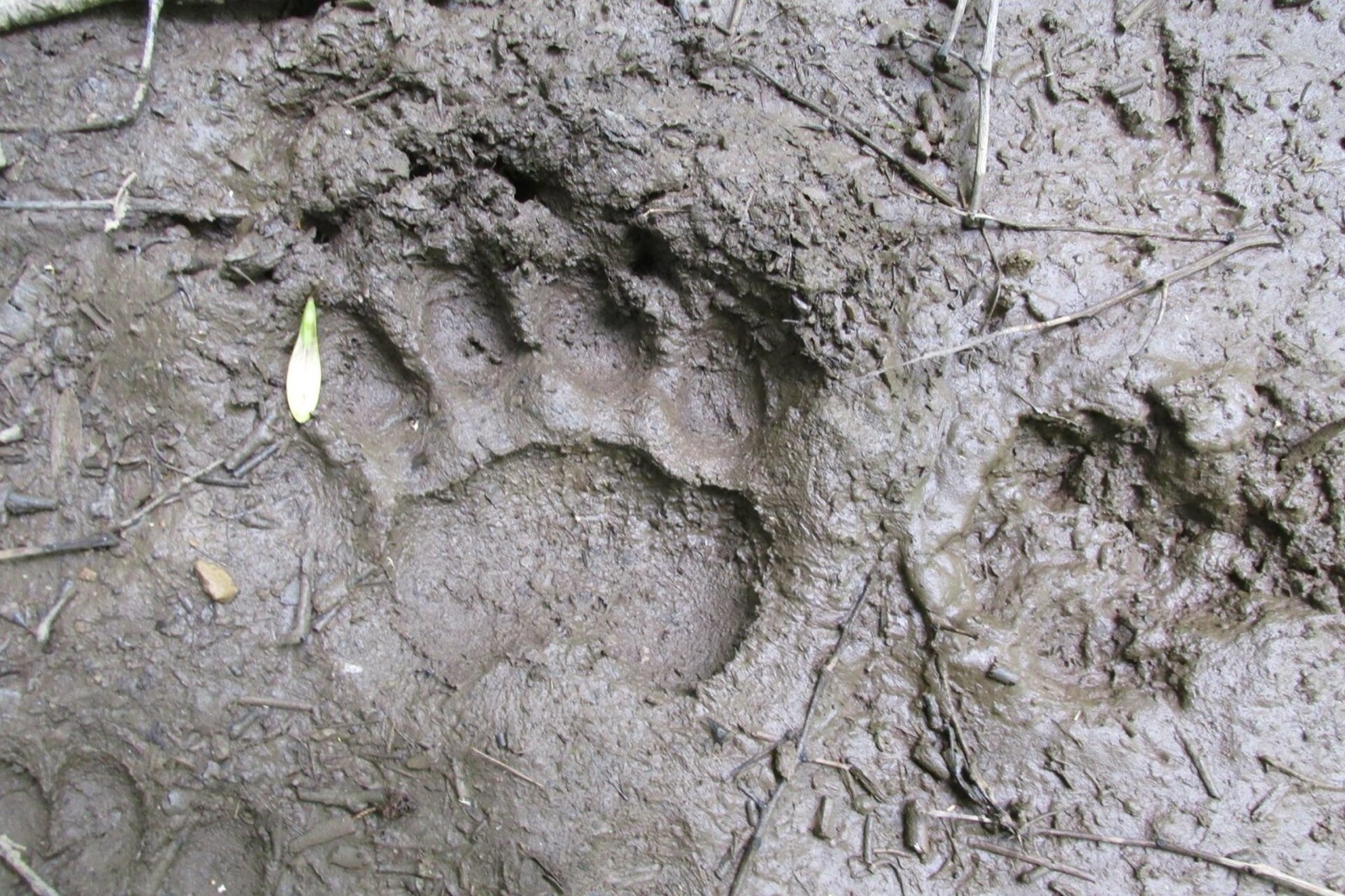
Bear season in other states
Missouri bear season questions
This page covers the 2026-27 season year with agency data read on September 19, 2026 and an iNaturalist record to September 19, 2026. Every sentence about bear behaviour is Missouri Department of Conservation’s own, quoted exactly with a link to its page; every season window is republished from the agency page linked beside it, and windows the agency had not yet published are labelled not yet published. The month bars count what members of the public reported and are not a population. See also the national bear season guide.