
Maryland Bear Season 2026-27
Largely vegetarian, common foods include berries, cherries, other fruits, acorns, beechnuts, hickory nuts, insects, roots, grasses, reptiles, amphibians, and carrion. Acorns remain the single most important natural food for bears in Maryland. As the opportunity arises, bears will also eat garbage, agricultural crops, and bird food. Bears feed heavily during the fall months in order to increase fat reserves for the upcoming winter.
Maryland Department of Natural Resources, Wildlife and Heritage ServiceBlack Bear Season: October 26, 2026 to October 31, 2026. People report black bears in Maryland most in July, and 16 percent of all reports fall in September, October and November. Everything below is Maryland Department of Natural Resources, Wildlife and Heritage Service’s own words and dates, read on September 19, 2026, beside the record of what people reported.
When black bears are most active in Maryland
Maryland's bears live in the western end of the state. The department puts them primarily in Garrett, Allegany, Washington and Frederick counties, with the highest numbers in Garrett and Allegany and the count rising in the other two. In spring, bears turn up well outside that range, in other parts of the state, though the department does not describe them as established there.
The bars count research grade American black bear observations people uploaded to iNaturalist for Maryland, by calendar month, across every year the platform holds. The busiest month in the record is July, and reports drop below 40 percent of that peak by September. The drop into winter reflects bears denning and fewer people outdoors in equal measure, which is why the agency’s sentences below, not the curve, carry the timing.
319 research grade American black bear observations have been uploaded to iNaturalist for Maryland across every year the platform holds, and 16 percent of them fall in the three shaded fall months. The busiest month in the record is July, and reports drop below 40 percent of that peak by September. These are counts of what people reported, so they measure observers as well as bears; they are not a population, not a survey and not a statement about this autumn. See the records on iNaturalist.
Research grade black bear reports uploaded for Maryland by year, 2016 to 2025: 4 in 2016 and 32 in 2025. Most of the climb is the platform itself growing, and every species on it shows the same shape, so this is a record of reporting rather than a population trend.
What Maryland Department of Natural Resources, Wildlife and Heritage Service says
Fall feeding
Largely vegetarian, common foods include berries, cherries, other fruits, acorns, beechnuts, hickory nuts, insects, roots, grasses, reptiles, amphibians, and carrion. Acorns remain the single most important natural food for bears in Maryland. As the opportunity arises, bears will also eat garbage, agricultural crops, and bird food. Bears feed heavily during the fall months in order to increase fat reserves for the upcoming winter.Maryland Department of Natural Resources, Wildlife and Heritage Service, read September 19, 2026. Read it at the source
Denning
Prior to denning, black bears will consume up to 20,000 calories per day and will increase their mass by 30-35%. Black bears are not true hibernators, but they do slow down their heart rate and breathing while denning. Typically, Maryland black bears den in late November through December, pending on the weather.Maryland Department of Natural Resources, Wildlife and Heritage Service, read September 19, 2026. Read it at the source
When conflicts and sightings rise
Trash and bird feeders are the most common attractants responsible for luring bears to human dwellings. Pet food, charcoal grills, fruit trees and gardens may also attract bears. Once a bear finds food around your home it will likely return.Maryland Department of Natural Resources, Wildlife and Heritage Service, read September 19, 2026. Read it at the source
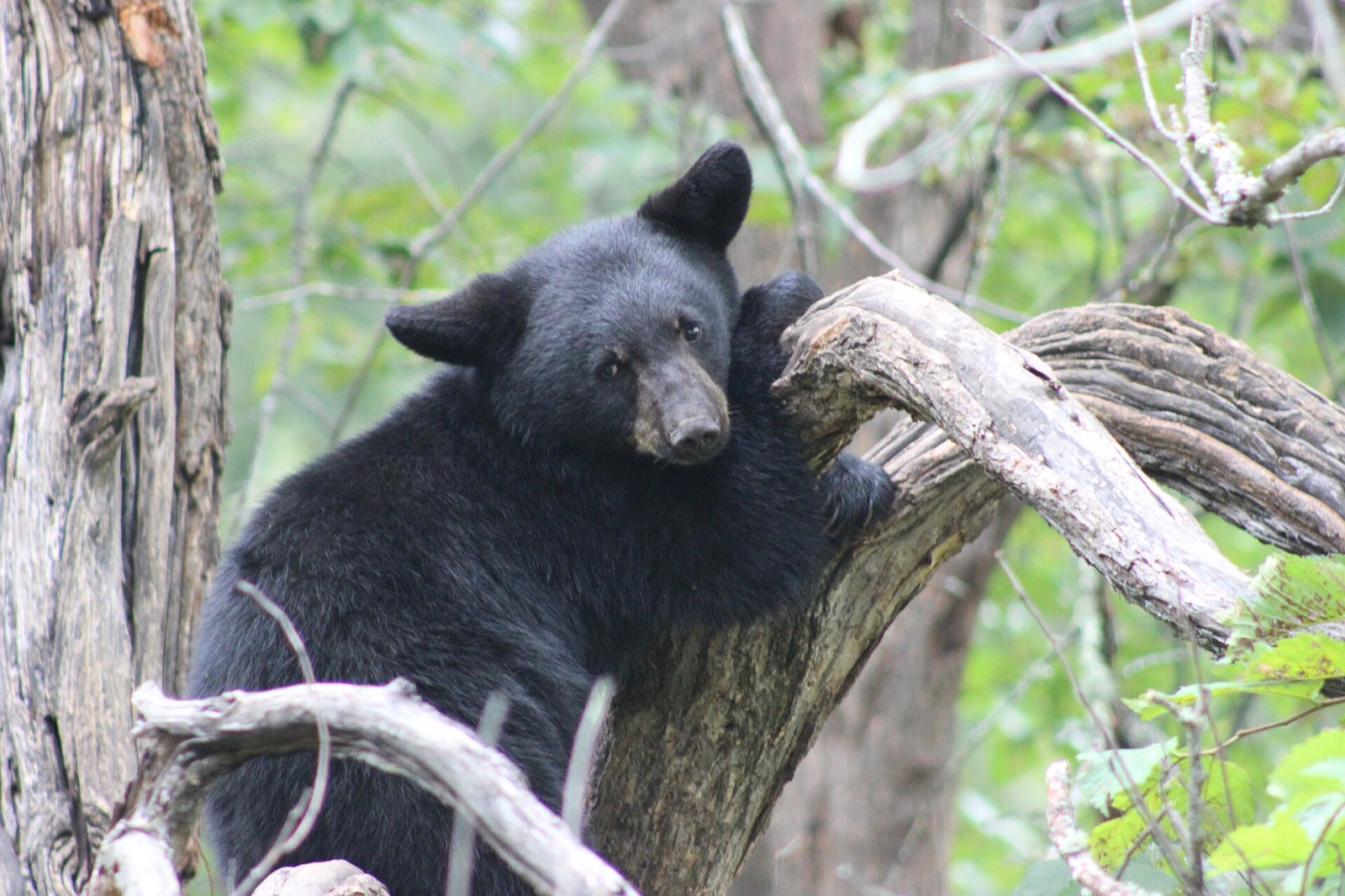
Maryland bear seasons, 2026-27
Maryland Department of Natural Resources, Wildlife and Heritage Service dates American black bear seasons under its own names, and each is below under that name with the zone rows exactly as the agency lists them, the source page linked beside each table, and the date it was read.
Black Bear Season
publishedBlack Bear Season opens in 16 days, on October 26, 2026 (Allegany, Frederick, Garrett and Washington counties).
| Zone | Opens | Closes | Notes |
|---|---|---|---|
| Allegany, Frederick, Garrett and Washington counties | October 26, 2026 | October 31, 2026 | The whole of Maryland's bear season, six days in the four western counties. |
Dates read from Guide to Hunting Black Bears in Maryland, Maryland Department of Natural Resources, accessed 2026-09-19.
Maryland runs one bear season and it lasts six days, the Monday through Saturday at the end of October. The department describes the hunting zone as all of Allegany, Frederick, Garrett and Washington counties, which is the same four counties its fact sheet names as the state's bear range.
Archery bear season
no seasonMaryland holds no separately dated archery bear season. Maryland prints no separate archery window for bears. The six days at the end of October are the whole season, and the department's bear pages list no second or earlier set of dates. Source: Maryland Department of Natural Resources, Wildlife and Heritage Service.
Spring bear season
no seasonMaryland holds no spring bear season. Maryland prints no spring bear season. The department's only dated bear window falls in October, and its fact sheet has bears denning from late November through December and cubs born in January. Source: Maryland Department of Natural Resources, Wildlife and Heritage Service.
The agency's own season sentence
Right before denning, black bears can actively forage for up to 20 hours per day!Maryland Department of Natural Resources, Wildlife and Heritage Service, read September 19, 2026. Read it at the source
Current Maryland regulations
Permit and tag requirements, zone maps, permitted methods, tagging and reporting, and everything else a bear hunter is bound by for Maryland are set by Maryland Department of Natural Resources, Wildlife and Heritage Service, are legally binding and change annually. Its current regulations page is linked here.
Maryland Department of Natural Resources, Wildlife and Heritage Service: current regulations
Bear season in other states
Maryland bear season questions
This page covers the 2026-27 season year with agency data read on September 19, 2026 and an iNaturalist record to September 19, 2026. Every sentence about bear behaviour is Maryland Department of Natural Resources, Wildlife and Heritage Service’s own, quoted exactly with a link to its page; every season window is republished from the agency page linked beside it, and windows the agency had not yet published are labelled not yet published. The month bars count what members of the public reported and are not a population. See also the national bear season guide.