
Connecticut Bear Season 2026-27
Mature forests provide soft and hard mast (e.g., acorns) in late summer and fall. Wetlands are particularly important in spring when emerging plants are one of the few available foods.
Connecticut Department of Energy and Environmental ProtectionConnecticut holds no bear hunting season in 2026-27. People report black bears in Connecticut most in June, and 20 percent of all reports fall in September, October and November. Everything below is Connecticut Department of Energy and Environmental Protection’s own words and dates, read on September 19, 2026, beside the record of what people reported.
When black bears are most active in Connecticut
DEEP says black bears occur throughout much of the state, reported from 165 of Connecticut's 169 towns and cities in 2023, with a healthy and increasing population and the highest concentration in the northwest region. The Wildlife Division has had evidence of a resident black bear population since the 1980s.
The bars count research grade American black bear observations people uploaded to iNaturalist for Connecticut, by calendar month, across every year the platform holds. The busiest month in the record is June, and reports drop below 40 percent of that peak by October. The drop into winter reflects bears denning and fewer people outdoors in equal measure, which is why the agency’s sentences below, not the curve, carry the timing.
1,015 research grade American black bear observations have been uploaded to iNaturalist for Connecticut across every year the platform holds, and 20 percent of them fall in the three shaded fall months. The busiest month in the record is June, and reports drop below 40 percent of that peak by October. These are counts of what people reported, so they measure observers as well as bears; they are not a population, not a survey and not a statement about this autumn. See the records on iNaturalist.
Research grade black bear reports uploaded for Connecticut by year, 2016 to 2025: 7 in 2016 and 203 in 2025. Most of the climb is the platform itself growing, and every species on it shows the same shape, so this is a record of reporting rather than a population trend.
What Connecticut Department of Energy and Environmental Protection says
Fall feeding
Mature forests provide soft and hard mast (e.g., acorns) in late summer and fall. Wetlands are particularly important in spring when emerging plants are one of the few available foods.Connecticut Department of Energy and Environmental Protection, read September 19, 2026. Read it at the source
Denning
In Connecticut, most bears den from late November through mid-March. Females tend to remain in the den for a longer period of time than males.Connecticut Department of Energy and Environmental Protection, read September 19, 2026. Read it at the source
When conflicts and sightings rise
Black bears are increasingly common in Connecticut. Reports of bear sightings, even in heavily populated residential areas, are on the rise. The Wildlife Division has also seen an increase in the number of reported conflicts with black bears.Connecticut Department of Energy and Environmental Protection, read September 19, 2026. Read it at the source
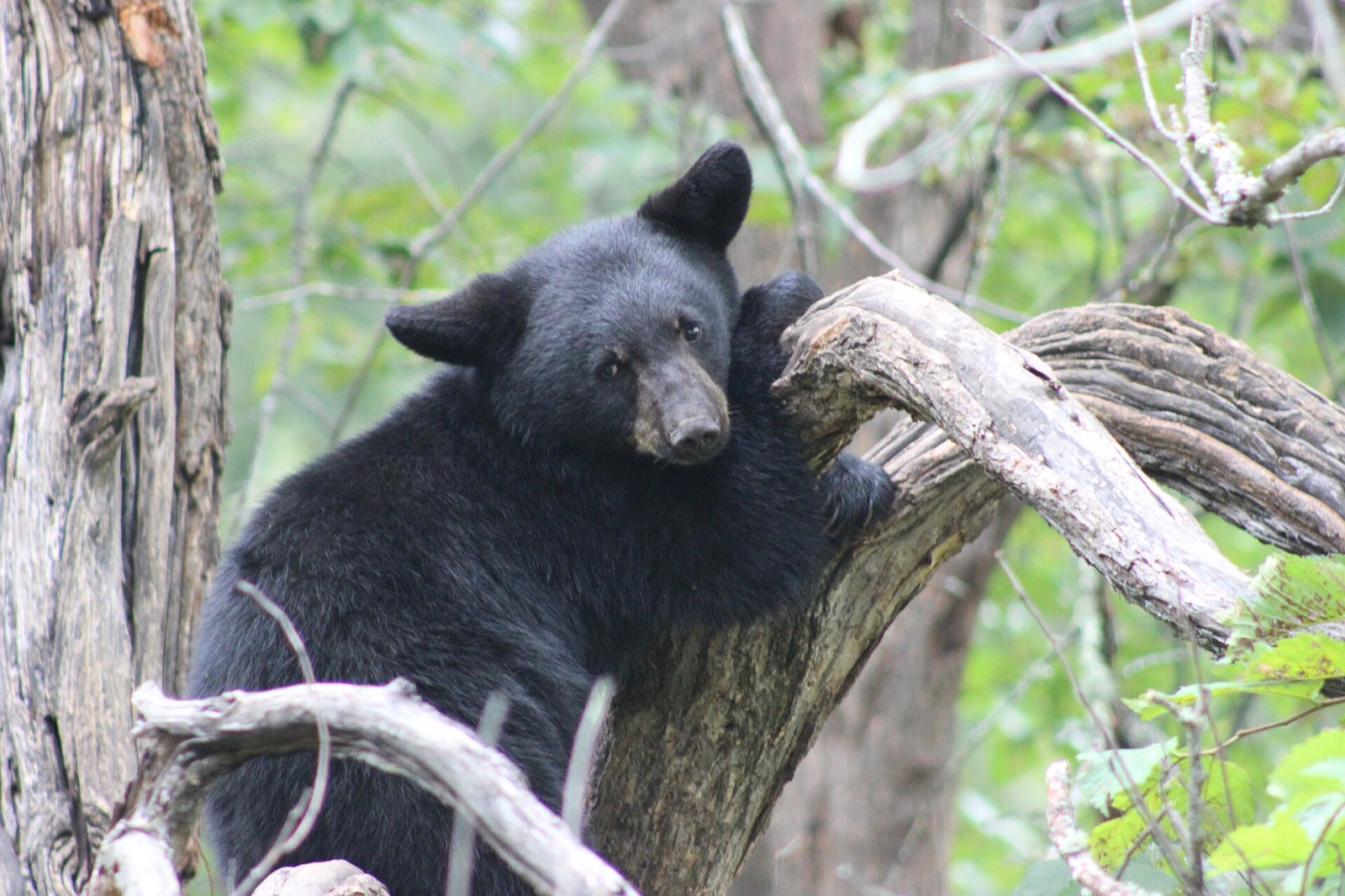
Connecticut bear seasons, 2026-27
Connecticut holds no bear hunting season in 2026-27. The three entries below carry Connecticut Department of Energy and Environmental Protection’s own reason for each, with the page it was read from.
Bear hunting season
no seasonConnecticut holds no fall bear hunting season. Connecticut holds no black bear hunting season. DEEP's Bear Law FAQs answer the question of whether Public Act 23-77 created a legal bear hunting season in Connecticut with a flat No, and the 2026 Connecticut Hunting and Trapping Guide lists small game, turkey, deer and furbearer seasons with no bear season among them. Source: Connecticut Department of Energy and Environmental Protection.
Archery bear season
no seasonConnecticut holds no separately dated archery bear season. Connecticut has no bear hunting season of any kind, so there is no archery bear season. DEEP's Bear Law FAQs state there is no legal bear hunting season in the state. Source: Connecticut Department of Energy and Environmental Protection.
Spring bear season
no seasonConnecticut holds no spring bear season. Connecticut has no bear hunting season of any kind, so there is no spring bear season. DEEP's Bear Law FAQs state there is no legal bear hunting season in the state. Source: Connecticut Department of Energy and Environmental Protection.
The agency's own season sentence
Q. Does this mean there is now a legal bear hunting season in Connecticut? A. No.Connecticut Department of Energy and Environmental Protection, read September 19, 2026. Read it at the source
Bear season in other states
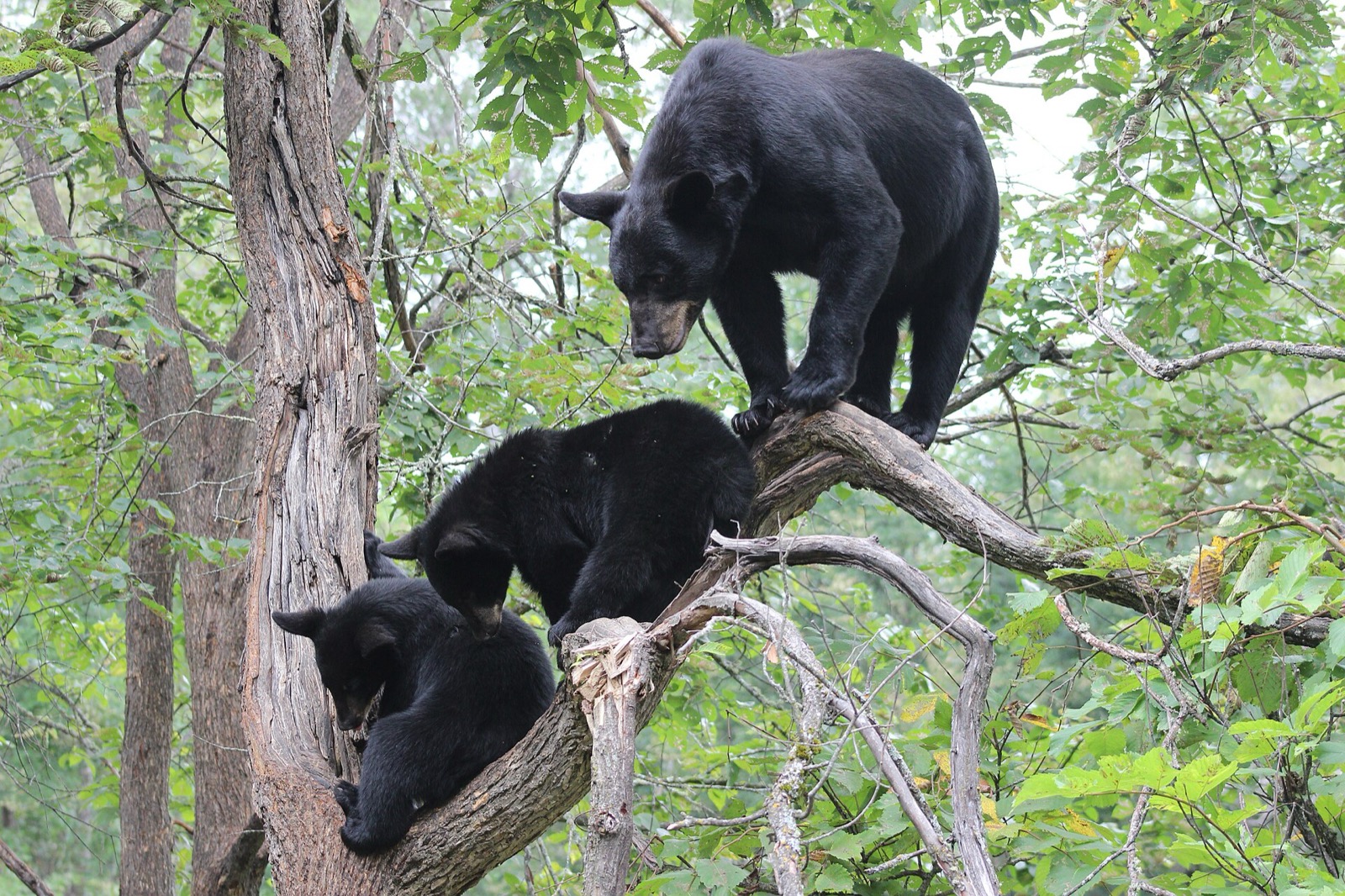
Connecticut bear season questions
This page covers the 2026-27 season year with agency data read on September 19, 2026 and an iNaturalist record to September 19, 2026. Every sentence about bear behaviour is Connecticut Department of Energy and Environmental Protection’s own, quoted exactly with a link to its page; every season window is republished from the agency page linked beside it, and windows the agency had not yet published are labelled not yet published. The month bars count what members of the public reported and are not a population. See also the national bear season guide.