
Texas Bear Season 2026-27
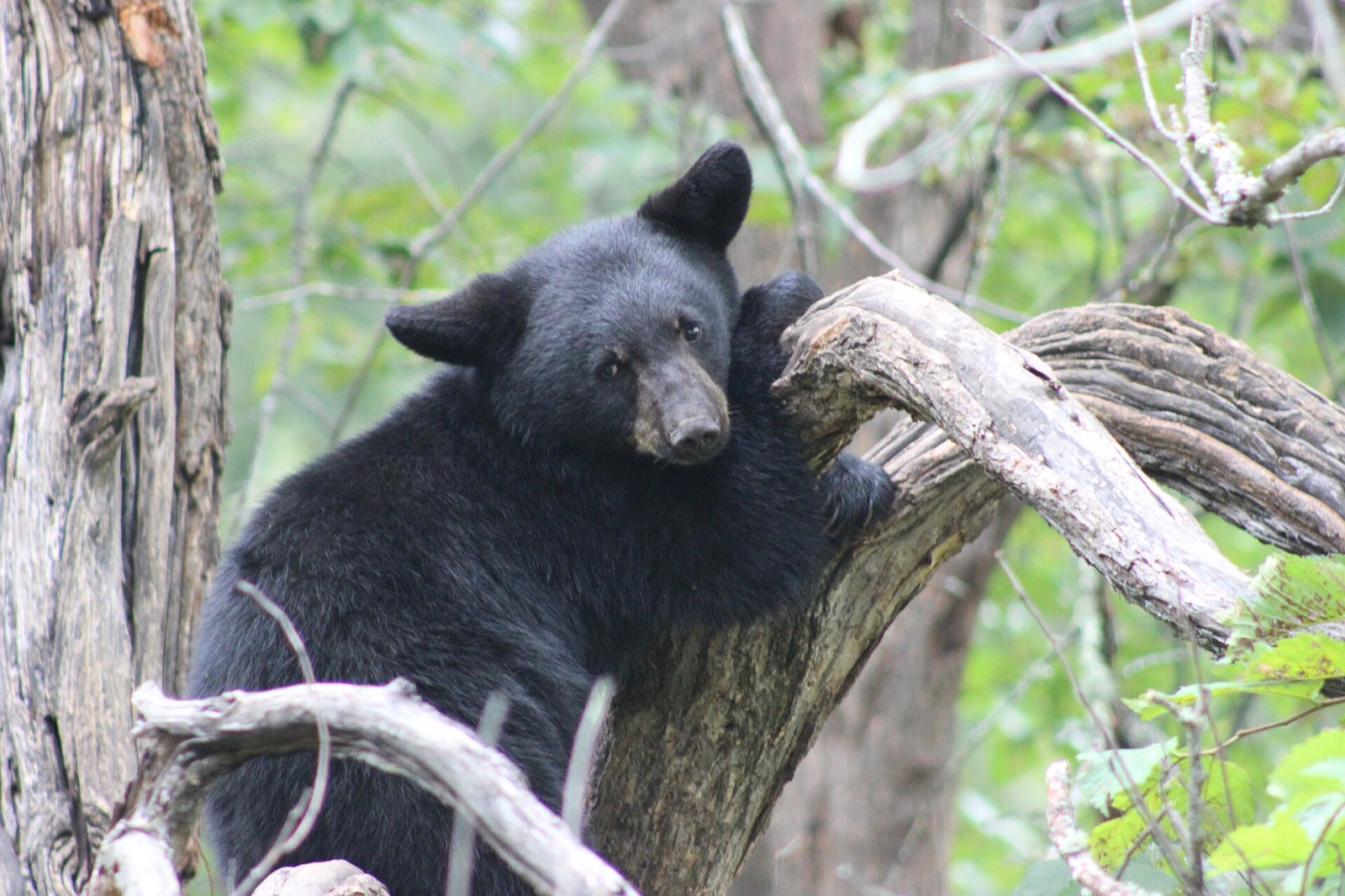
Black bears are native to Texas and part of the state's natural heritage and ecosystem. Guided by an excellent sense of smell, their behavior is driven largely by appetite. Fall provides their last opportunity to feast before denning up for the winter.
Texas Parks and Wildlife DepartmentTexas holds no bear hunting season in 2026-27. People report black bears in Texas most in May, and 38 percent of all reports fall in September, October and November. Everything below is Texas Parks and Wildlife Department’s own words and dates, read on September 19, 2026, beside the record of what people reported.
When black bears are most active in Texas
TPWD lists the black bear as a Texas threatened species. Its species page says the only population of black bears in Texas is in the Trans-Pecos and Val Verde and Crockett counties, that bears can move far distances when dispersing as subadults or during drought or mast failure, and that a single individual showing up elsewhere does not mean a local bear population.
The bars count research grade American black bear observations people uploaded to iNaturalist for Texas, by calendar month, across every year the platform holds. The busiest month in the record is May, and reports drop below 40 percent of that peak by December. The drop into winter reflects bears denning and fewer people outdoors in equal measure, which is why the agency’s sentences below, not the curve, carry the timing.
556 research grade American black bear observations have been uploaded to iNaturalist for Texas across every year the platform holds, and 38 percent of them fall in the three shaded fall months. The busiest month in the record is May, and reports drop below 40 percent of that peak by December. These are counts of what people reported, so they measure observers as well as bears; they are not a population, not a survey and not a statement about this autumn. See the records on iNaturalist.
Research grade black bear reports uploaded for Texas by year, 2016 to 2025: 28 in 2016 and 36 in 2025. Most of the climb is the platform itself growing, and every species on it shows the same shape, so this is a record of reporting rather than a population trend.
What Texas Parks and Wildlife Department says
Fall feeding
Black bears are native to Texas and part of the state's natural heritage and ecosystem. Guided by an excellent sense of smell, their behavior is driven largely by appetite. Fall provides their last opportunity to feast before denning up for the winter.Texas Parks and Wildlife Department, read September 19, 2026. Read it at the source
Denning
Denning can start as early as November and continue until late May. Bears den in large, hollow trees, brush piles, thickets, rock crevices and caves. Denning bears go into a deep sleep but can be aroused if disturbed.Texas Parks and Wildlife Department, read September 19, 2026. Read it at the source
When conflicts and sightings rise
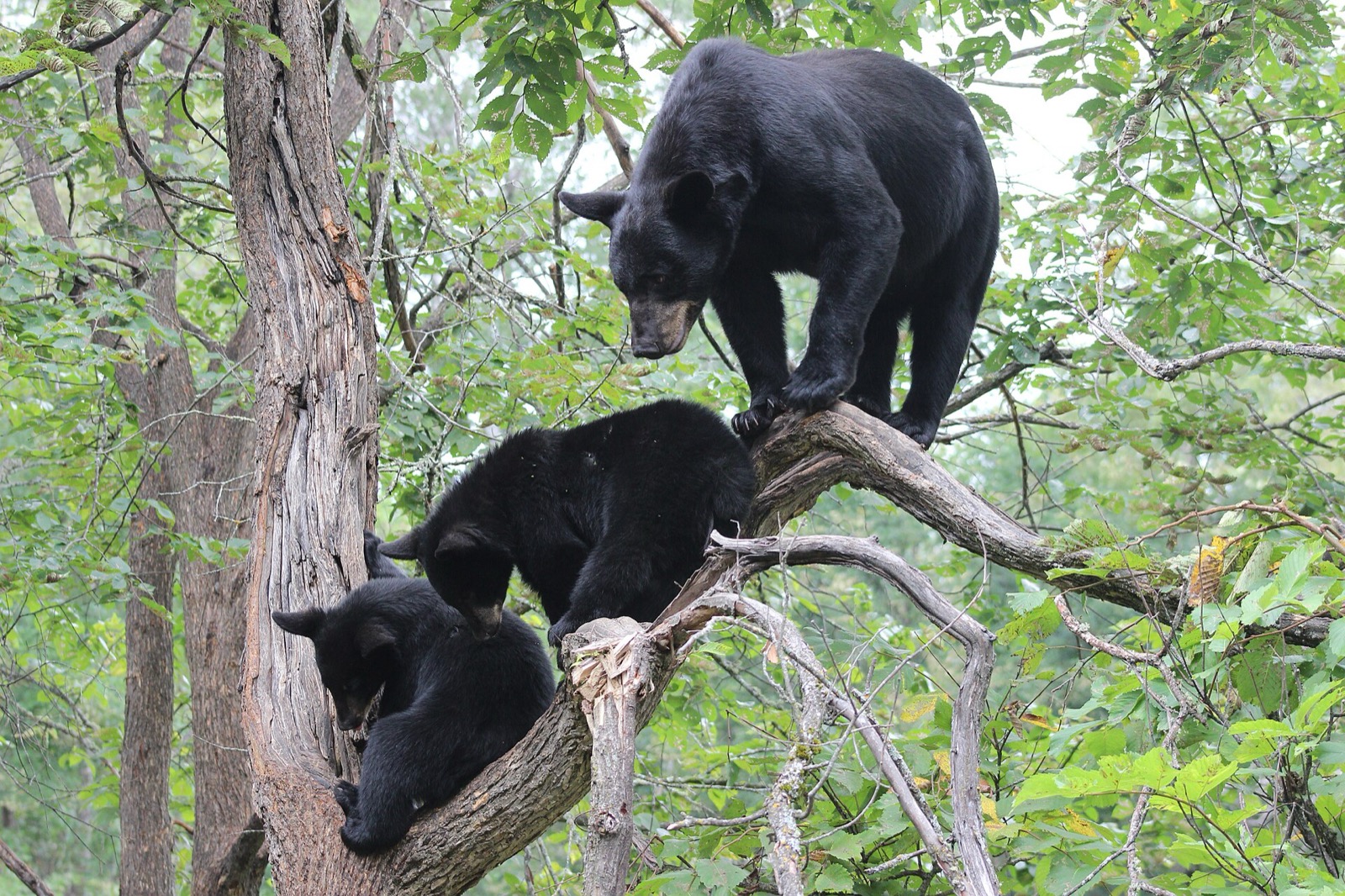
There are no resident populations of black bears in East Texas, and TPWD has not and does not stock bears in East Texas. However, all of our neighboring states have established breeding populations of bears. This time of year, young bears are leaving their mothers and may end up in unusual places.Texas Parks and Wildlife Department, read September 19, 2026. Read it at the source
Texas bear seasons, 2026-27
Texas holds no bear hunting season in 2026-27. The three entries below carry Texas Parks and Wildlife Department’s own reason for each, with the page it was read from.
Fall bear season
no seasonTexas holds no fall bear hunting season. Texas holds no black bear hunting season. TPWD classes the black bear as a non-game animal with state protected status as a threatened species, and its Bear Safety page says it is against the law to hunt, harass or kill them. Source: Texas Parks and Wildlife Department.
Archery bear season
no seasonTexas holds no separately dated archery bear season. No archery bear season exists in Texas. The black bear is on the state threatened species list and TPWD says the state does not actively manage for bears. Source: Texas Parks and Wildlife Department.
Spring bear season
no seasonTexas holds no spring bear season. No spring bear season exists in Texas. The species is a state threatened, protected non-game animal under TPWD and no bear season of any kind is offered. Source: Texas Parks and Wildlife Department.
The agency's own season sentence
While Texas offers state protected status as a threatened species for black bears and it is against the law to hunt, harass or kill them, the state does not actively manage for bears.Texas Parks and Wildlife Department, read September 19, 2026. Read it at the source
Bear season in other states
Texas bear season questions
This page covers the 2026-27 season year with agency data read on September 19, 2026 and an iNaturalist record to September 19, 2026. Every sentence about bear behaviour is Texas Parks and Wildlife Department’s own, quoted exactly with a link to its page; every season window is republished from the agency page linked beside it, and windows the agency had not yet published are labelled not yet published. The month bars count what members of the public reported and are not a population. See also the national bear season guide.