
Washington Bear Season 2026-27
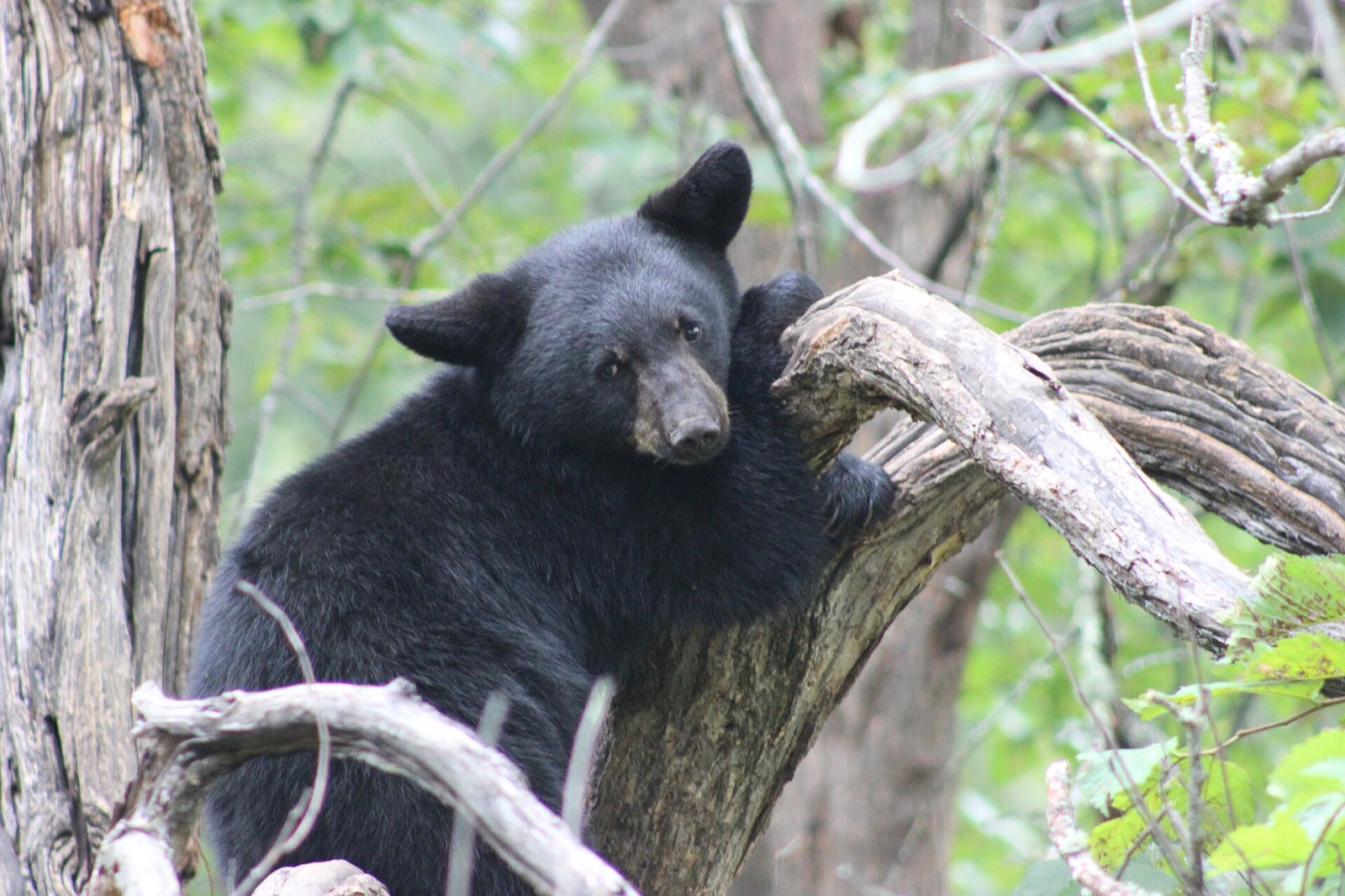
When preparing for hibernation in the fall and after waking in the spring, bears look for high-calorie, easy-to-find food sources.
Washington Department of Fish and WildlifeFall Black Bear General Seasons: August 1, 2026 to November 15, 2026. People report black bears in Washington most in August, and 24 percent of all reports fall in September, October and November. Everything below is Washington Department of Fish and Wildlife’s own words and dates, read on September 19, 2026, beside the record of what people reported.
When black bears are most active in Washington
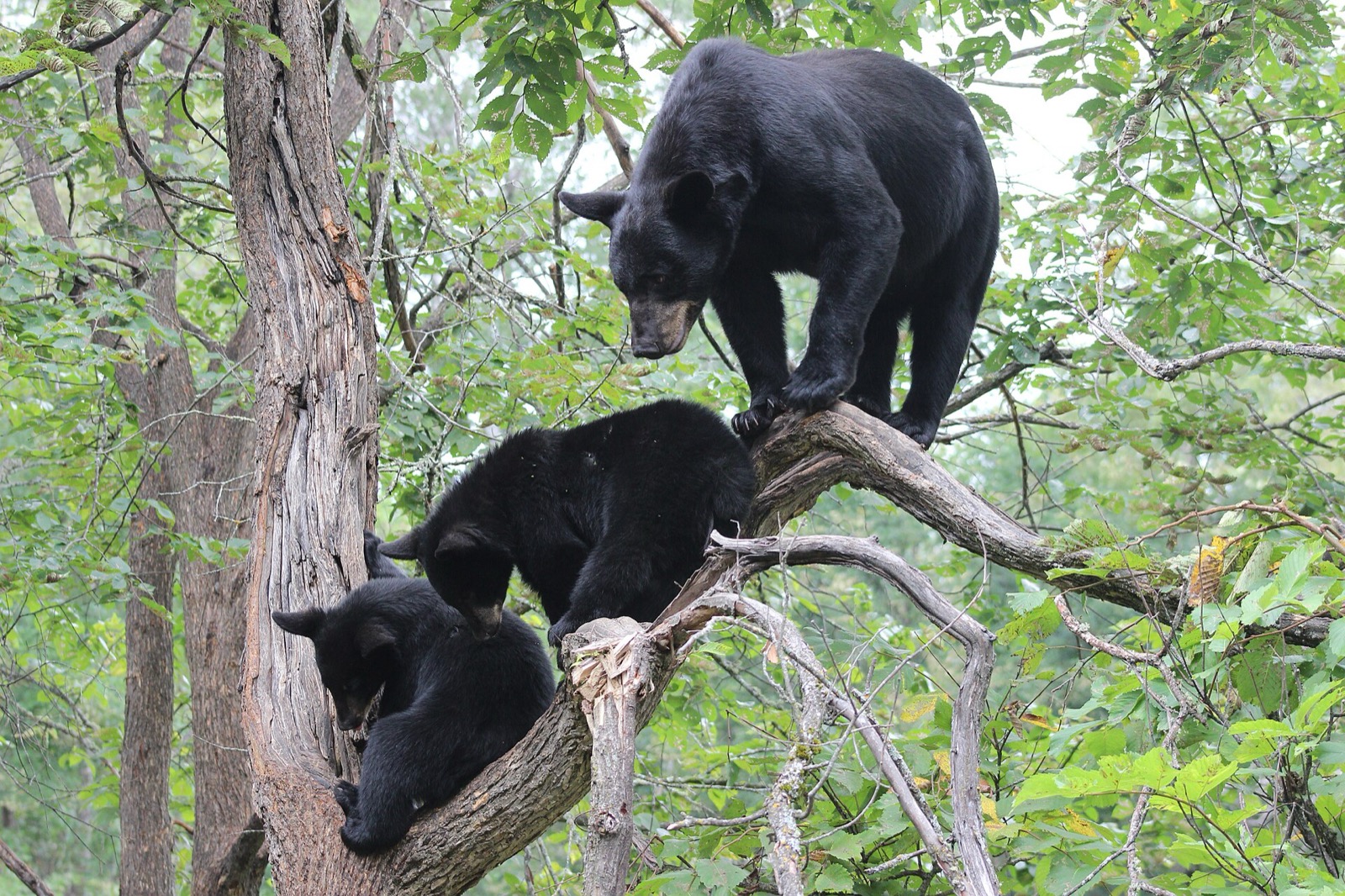
WDFW says black bears are common throughout Washington except the interior of the arid Columbia Basin, including suburban areas where greenbelts facilitate movement, and estimates approximately 22,000 black bears in the state across all land ownerships. Grizzly bears are rare in Washington, with a small population in the Selkirk Mountains of northeast Washington and documented presence in the Okanogan Highlands and the North Cascades.
The bars count research grade American black bear observations people uploaded to iNaturalist for Washington, by calendar month, across every year the platform holds. The busiest month in the record is August, and reports drop below 40 percent of that peak by October. The drop into winter reflects bears denning and fewer people outdoors in equal measure, which is why the agency’s sentences below, not the curve, carry the timing.
2,175 research grade American black bear observations have been uploaded to iNaturalist for Washington across every year the platform holds, and 24 percent of them fall in the three shaded fall months. The busiest month in the record is August, and reports drop below 40 percent of that peak by October. These are counts of what people reported, so they measure observers as well as bears; they are not a population, not a survey and not a statement about this autumn. See the records on iNaturalist.
Research grade black bear reports uploaded for Washington by year, 2016 to 2025: 25 in 2016 and 302 in 2025. Most of the climb is the platform itself growing, and every species on it shows the same shape, so this is a record of reporting rather than a population trend.
What Washington Department of Fish and Wildlife says
Fall feeding
When preparing for hibernation in the fall and after waking in the spring, bears look for high-calorie, easy-to-find food sources.Washington Department of Fish and Wildlife, read September 19, 2026. Read it at the source
Denning
Black bears are beginning to emerge from winter dens across the state, prompting state wildlife managers to remind residents how to avoid possible conflicts with hungry animals looking to scavenge an easy meal.Washington Department of Fish and Wildlife, read September 19, 2026. Read it at the source
When conflicts and sightings rise
Bears may opportunistically seek food in human-occupied areas when natural foods are scarce. This occurs annually in early spring before natural foods become available and in late fall as bears prepare for hibernation.Washington Department of Fish and Wildlife, read September 19, 2026. Read it at the source
Washington bear seasons, 2026-27
Washington Department of Fish and Wildlife dates American black bear and grizzly bear seasons under its own names, and each is below under that name with the zone rows exactly as the agency lists them, the source page linked beside each table, and the date it was read.
Fall Black Bear General Seasons
publishedFall Black Bear General Seasons is OPEN now in the BBMU 1 Northeast, through November 15, 2026, with 14 zone segments open.
| Zone | Opens | Closes | Notes |
|---|---|---|---|
| BBMU 1 Northeast | August 1, 2026 | November 15, 2026 | |
| BBMU 2 Columbia Basin | August 1, 2026 | November 15, 2026 | |
| BBMU 3 Southeast | August 1, 2026 | November 15, 2026 | |
| BBMU 4 Okanogan Highlands | August 1, 2026 | November 15, 2026 | |
| BBMU 5 Okanogan | August 15, 2026 | November 15, 2026 | |
| BBMU 6 Central Cascades East | August 1, 2026 | November 15, 2026 | |
| BBMU 7 South Cascades East | August 1, 2026 | November 15, 2026 | |
| BBMU 8 North Cascades West | August 1, 2026 | November 15, 2026 | |
| BBMU 9 South Cascades West | August 1, 2026 | November 15, 2026 | |
| BBMU 10 Urban | August 1, 2026 | November 15, 2026 | |
| BBMU 11 Mount St. Helens | August 1, 2026 | November 15, 2026 | |
| BBMU 12 Olympic Peninsula East | August 1, 2026 | November 15, 2026 | |
| BBMU 13 Olympic Peninsula West | August 1, 2026 | November 15, 2026 | |
| BBMU 14 Willapa Hills | August 15, 2026 | November 15, 2026 |
Dates read from 2026 Big Game Hunting Seasons and Regulations, Fall Black Bear General Seasons, Washington Department of Fish and Wildlife, accessed 2026-09-19.
Washington runs one fall black bear general season per Black Bear Management Unit, and the rows above are the complete BBMU table from page 68 of the 2026 pamphlet: twelve units open August 1 and two open August 15, all closing November 15. The BBMU numbers, names and their game management units changed in 2026 with the 2026 Game Management Plan, and the pamphlet lists the GMUs that make up each unit and the GMUs closed to fall bear hunting.
Archery bear season
no seasonWashington holds no separately dated archery bear season. The 2026 pamphlet dates a single fall black bear general season per Black Bear Management Unit and no separately dated archery bear season. Bow hunting for bear happens inside that general window, which is a methods question for WDFW rather than a date. Source: Washington Department of Fish and Wildlife.
Spring black bear special permit hunts
no seasonWashington holds no spring bear season. WDFW's spring black bear special permit page states that, per Washington Fish and Wildlife Commission decision, no spring black bear permit season is currently offered in Washington, and that the decision does not affect the fall black bear general season. Source: Washington Department of Fish and Wildlife.
The agency's own season sentence
GMUs 157, 410-417, 419-424, 490, 522, and 655 are closed to fall bear hunting.Washington Department of Fish and Wildlife, read September 19, 2026. Read it at the source
Current Washington regulations
Permit and tag requirements, zone maps, permitted methods, tagging and reporting, and everything else a bear hunter is bound by for Washington are set by Washington Department of Fish and Wildlife, are legally binding and change annually. Its current regulations page is linked here.
Washington Department of Fish and Wildlife: current regulations
Bear season in other states
Washington bear season questions
This page covers the 2026-27 season year with agency data read on September 19, 2026 and an iNaturalist record to September 19, 2026. Every sentence about bear behaviour is Washington Department of Fish and Wildlife’s own, quoted exactly with a link to its page; every season window is republished from the agency page linked beside it, and windows the agency had not yet published are labelled not yet published. The month bars count what members of the public reported and are not a population. See also the national bear season guide.