
Kentucky Bear Season 2026-27
Deer, bears, wild turkeys, ruffed grouse, squirrels, small mammals, and other species depend on nutritious hard mast to bulk up before winter and for sustenance during winter when few other foods are available. Animal movement in fall and winter is related to the availability of high-energy hard mast foods. In years when little to no mast is available from oaks, hickories, or beech trees, wildlife may move more often and/or greater distances in search of limited food supplies.
Kentucky Department of Fish and Wildlife ResourcesFirearms: December 12, 2026 to December 16, 2026. People report black bears in Kentucky most in June, and 18 percent of all reports fall in September, October and November. Everything below is Kentucky Department of Fish and Wildlife Resources’s own words and dates, read on September 19, 2026, beside the record of what people reported.
When black bears are most active in Kentucky
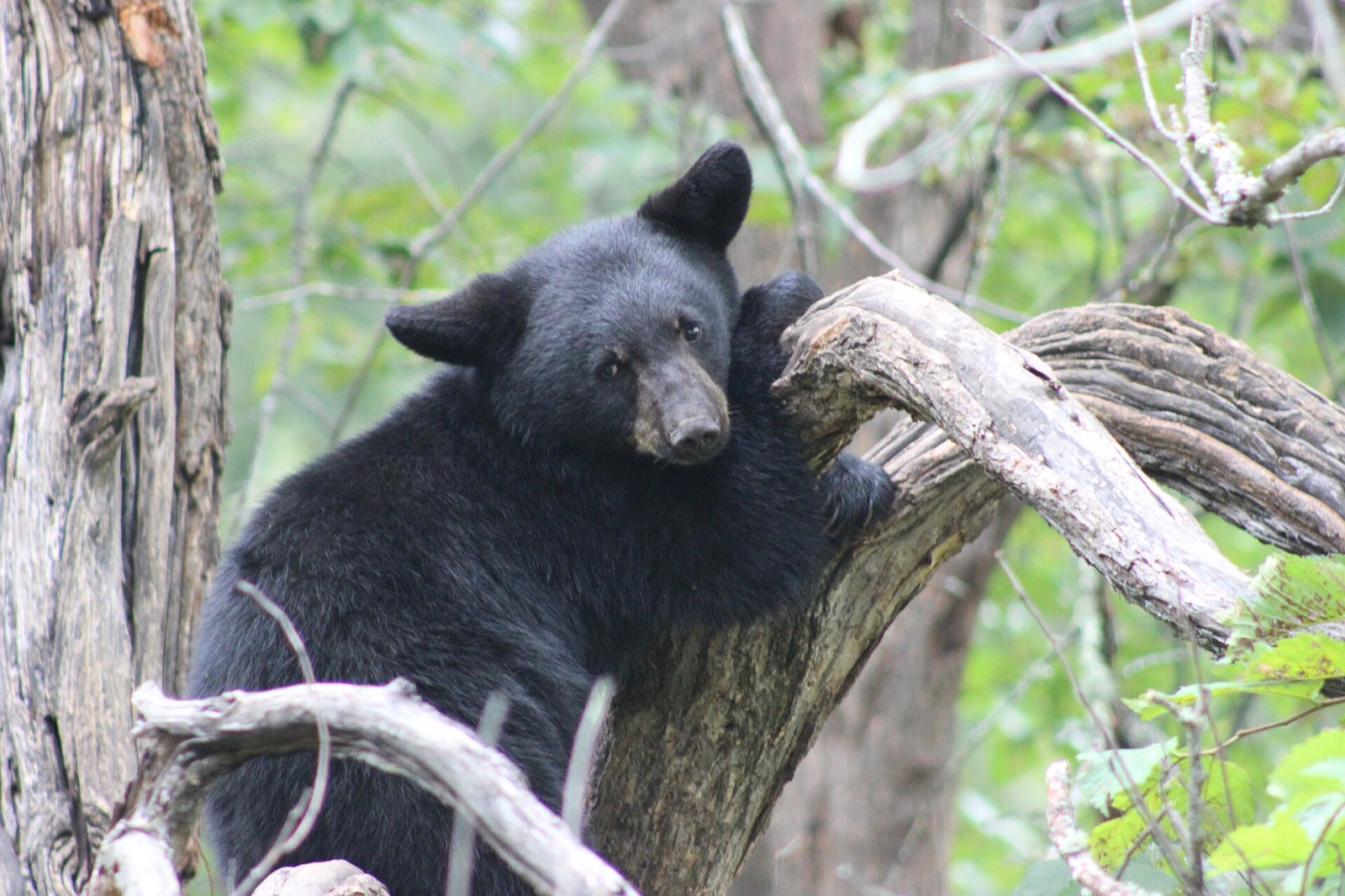
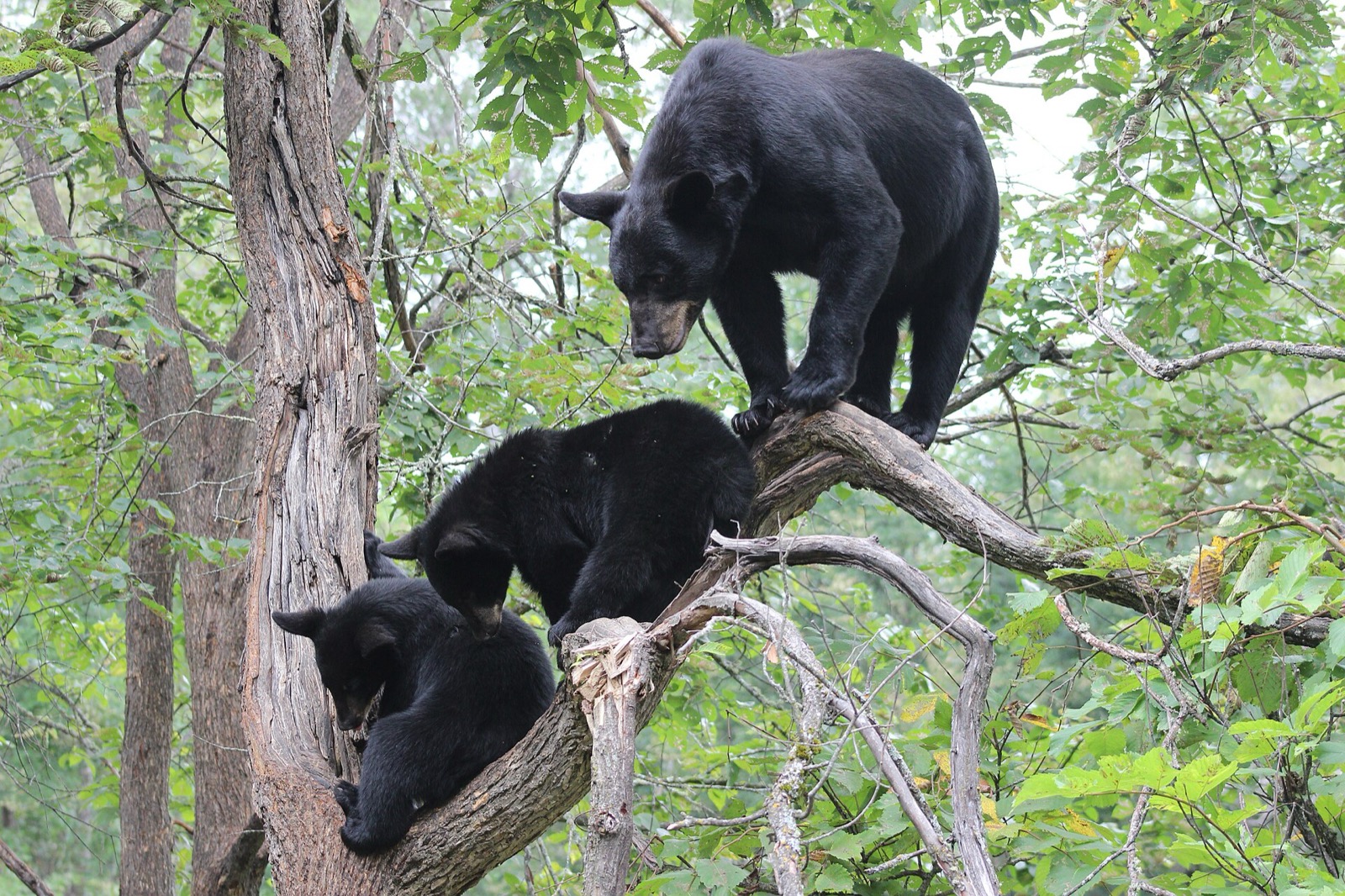
Kentucky's bears live in the eastern mountains and are a recolonization rather than a reintroduction: the department says black bears were virtually eliminated in the early 1900s by wholesale logging of mature hardwood forests, unregulated hunting and a lack of protected areas, and that as those oak forests matured again bears filtered back in from West Virginia, Virginia and Tennessee. The population and its range are both still growing, and the department now draws three bear zones across roughly 47 eastern and south-central counties.
The bars count research grade American black bear observations people uploaded to iNaturalist for Kentucky, by calendar month, across every year the platform holds. The busiest month in the record is June, and reports drop below 40 percent of that peak by September. The drop into winter reflects bears denning and fewer people outdoors in equal measure, which is why the agency’s sentences below, not the curve, carry the timing.
117 research grade American black bear observations have been uploaded to iNaturalist for Kentucky across every year the platform holds, and 18 percent of them fall in the three shaded fall months. The busiest month in the record is June, and reports drop below 40 percent of that peak by September. These are counts of what people reported, so they measure observers as well as bears; they are not a population, not a survey and not a statement about this autumn. See the records on iNaturalist.
Research grade black bear reports uploaded for Kentucky by year, 2016 to 2025: 1 in 2016 and 15 in 2025. Most of the climb is the platform itself growing, and every species on it shows the same shape, so this is a record of reporting rather than a population trend.
What Kentucky Department of Fish and Wildlife Resources says
Fall feeding
Deer, bears, wild turkeys, ruffed grouse, squirrels, small mammals, and other species depend on nutritious hard mast to bulk up before winter and for sustenance during winter when few other foods are available. Animal movement in fall and winter is related to the availability of high-energy hard mast foods. In years when little to no mast is available from oaks, hickories, or beech trees, wildlife may move more often and/or greater distances in search of limited food supplies.Kentucky Department of Fish and Wildlife Resources, read September 19, 2026. Read it at the source
Denning
Black bears typically den during the winter months and emerge in late March or early April. When they come out of their dens, natural food sources are scarce, which often leads bears to be attracted by the smell of human-related foods.Kentucky Department of Fish and Wildlife Resources, read September 19, 2026. Read it at the source
When conflicts and sightings rise
In many areas of Kentucky, it is fairly common for bears to be near human dwellings. Bears have an incredible sense of smell and are likely being lured by some type of food attractant. These attractants typically include garbage, birdfeeders and pet food. The best thing to do is identify the attractant and remove the source.Kentucky Department of Fish and Wildlife Resources, read September 19, 2026. Read it at the source
Kentucky bear seasons, 2026-27
Kentucky Department of Fish and Wildlife Resources dates American black bear seasons under its own names, and each is below under that name with the zone rows exactly as the agency lists them, the source page linked beside each table, and the date it was read.
Firearms
publishedFirearms opens in 60 days, on December 12, 2026 (Bear Zone One).
| Zone | Opens | Closes | Notes |
|---|---|---|---|
| Bear Zone One | December 12, 2026 | December 14, 2026 | Bell, Harlan, Letcher and McCreary counties. |
| Bear Zone Two | December 12, 2026 | December 16, 2026 | Adair, Bath, Boyd, Breathitt, Carter, Casey, Clark, Clay, Cumberland, Elliott, Estill, Fleming, Floyd, Garrard, Greenup, Jackson, Johnson, Knott, Knox, Laurel, Lawrence, Lee, Leslie, Lewis, Lincoln, Madison, Magoffin, Martin, Menifee, Montgomery, Morgan, Owsley, Perry, Pike, Powell, Pulaski, Rockcastle, Rowan, Russell, Whitley and Wolfe counties. |
| Bear Zone Three | December 12, 2026 | December 16, 2026 | Clinton and Wayne counties. |
Dates read from Black Bear Hunting, Kentucky Department of Fish and Wildlife Resources, accessed 2026-09-19.
Kentucky splits its bear range into three zones and the firearms season opens on the same December date in all of them, running a few days longer in zones two and three. Three places inside the bear zones stay closed to every bear season: Hensley-Pine Mountain WMA, the Big South Fork National River and Recreation Area, and Cumberland Gap National Historical Park, along with Kingdom Come State Park.
Archery/Crossbow
publishedArchery/Crossbow opens in 11 days, on October 24, 2026 (Bear Zone One).
| Zone | Opens | Closes | Notes |
|---|---|---|---|
| Bear Zone One | October 24, 2026 | October 26, 2026 | |
| Bear Zone Two | October 24, 2026 | October 28, 2026 | |
| Bear Zone Three (segment 1) | September 19, 2026 | October 2, 2026 | Zone three is the only one with a September window. |
| Bear Zone Three (segment 2) | October 24, 2026 | October 28, 2026 |
Dates read from Black Bear Hunting, Kentucky Department of Fish and Wildlife Resources, accessed 2026-09-19.
The late October window is the one the whole bear range shares. Zone three, which is just Clinton and Wayne counties, also opens for two weeks in September, making it the earliest bear season on the Kentucky calendar.
Spring
no seasonKentucky holds no spring bear season. Kentucky publishes no spring bear hunting season. What the department does run in the warm months is a chase-only season that begins June 1, and its hunting seasons all fall between September and December. Source: Kentucky Department of Fish and Wildlife Resources.
Other Kentucky bear seasons the agency names
Chase-only
publishedChase-only has closed for the season year; the last segment ended September 30, 2026.
| Zone | Opens | Closes | Notes |
|---|---|---|---|
| Bear Zones One, Two and Three (segment 1) | June 1, 2026 | August 31, 2026 | The same dates apply in all three zones. |
| Bear Zones One, Two and Three (segment 2) | September 9, 2026 | September 30, 2026 |
Dates read from Black Bear Hunting, Kentucky Department of Fish and Wildlife Resources, accessed 2026-09-19.
A season the department names chase-only, with no harvest. It is not permitted on wildlife management areas until the third Saturday in August, and Hensley-Pine Mountain WMA is closed to it entirely.
Hunt with dogs
publishedHunt with dogs opens in 6 days, on October 19, 2026 (Bear Zone One).
| Zone | Opens | Closes | Notes |
|---|---|---|---|
| Bear Zone One | October 19, 2026 | October 23, 2026 | |
| Bear Zone Two (segment 1) | October 19, 2026 | October 23, 2026 | |
| Bear Zone Two (segment 2) | October 29, 2026 | November 6, 2026 | |
| Bear Zone Three (segment 1) | October 19, 2026 | October 23, 2026 | |
| Bear Zone Three (segment 2) | October 29, 2026 | November 6, 2026 |
Dates read from Black Bear Hunting, Kentucky Department of Fish and Wildlife Resources, accessed 2026-09-19.
The department's own name for this season. It sits in the week before the archery window and is the first Kentucky bear season of the fall outside zone three's September opener.
The agency's own season sentence
In Kentucky, the return of black bears over the last 20 years has proven to be a true wildlife success story. Some may believe that today's growing population results from a restocking effort, but this is not true. Rather, as oak forests matured after extensive logging efforts in the early 1900s, bears recolonized these habitats in our neighboring states of West Virginia, Virginia and Tennessee.Kentucky Department of Fish and Wildlife Resources, read September 19, 2026. Read it at the source
Current Kentucky regulations
Permit and tag requirements, zone maps, permitted methods, tagging and reporting, and everything else a bear hunter is bound by for Kentucky are set by Kentucky Department of Fish and Wildlife Resources, are legally binding and change annually. Its current regulations page is linked here.
Kentucky Department of Fish and Wildlife Resources: current regulations
Bear season in other states
Kentucky bear season questions
This page covers the 2026-27 season year with agency data read on September 19, 2026 and an iNaturalist record to September 19, 2026. Every sentence about bear behaviour is Kentucky Department of Fish and Wildlife Resources’s own, quoted exactly with a link to its page; every season window is republished from the agency page linked beside it, and windows the agency had not yet published are labelled not yet published. The month bars count what members of the public reported and are not a population. See also the national bear season guide.