
Mississippi Bear Season 2026-27
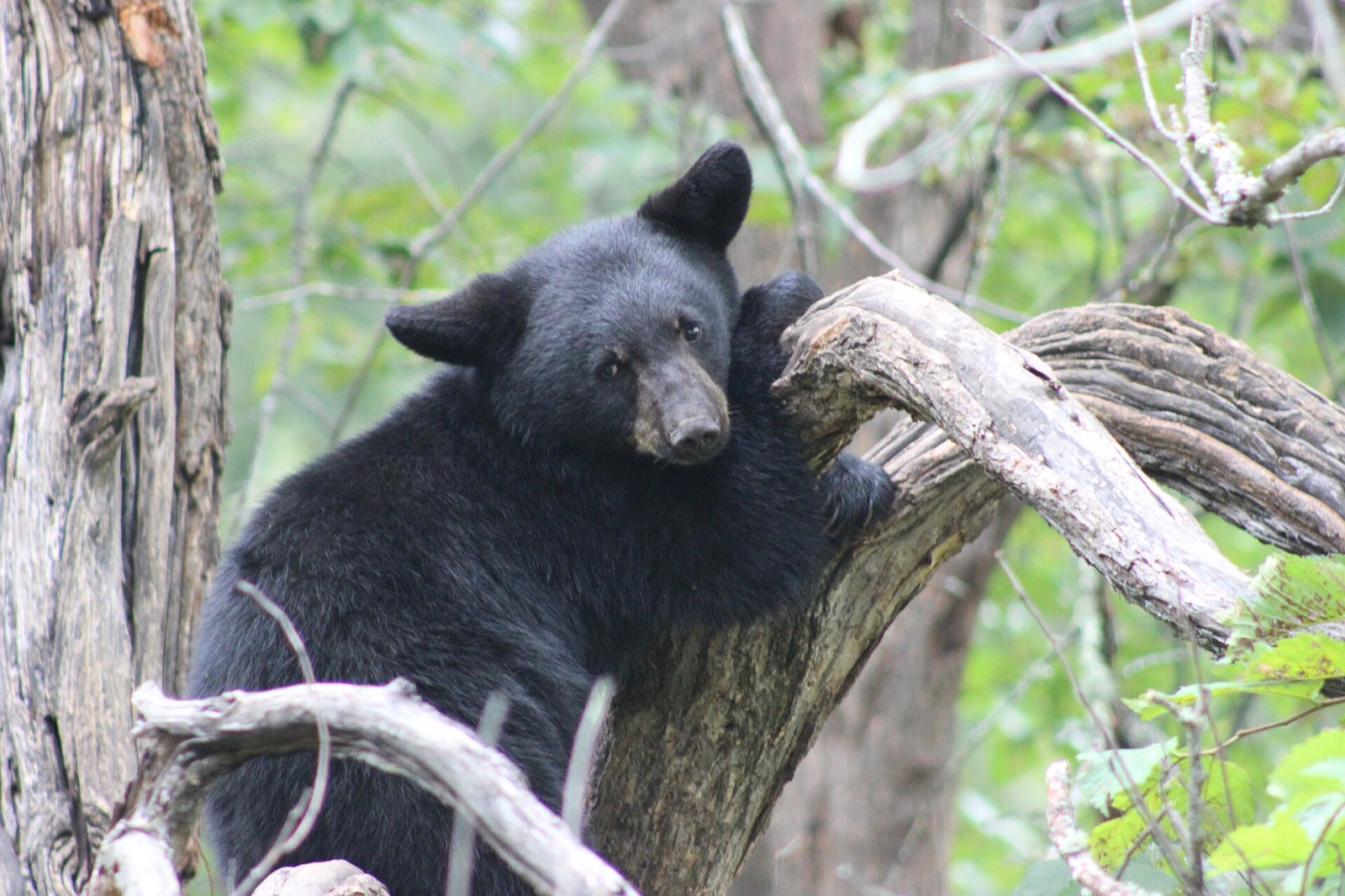
Hard mast species are vital in the fall, as this is the time of year bears exhibit their most weight gain in preparation for the winter. Hard mast is rich in fat and carbohydrates and is vital for bears in producing fat reserves that will ensure the bears enter the denning period in good health.
Mississippi Department of Wildlife, Fisheries, and ParksMississippi holds no bear hunting season in 2026-27. Everything below is Mississippi Department of Wildlife, Fisheries, and Parks’s own words and dates, read on September 19, 2026, beside the record of what people reported.
When black bears are most active in Mississippi
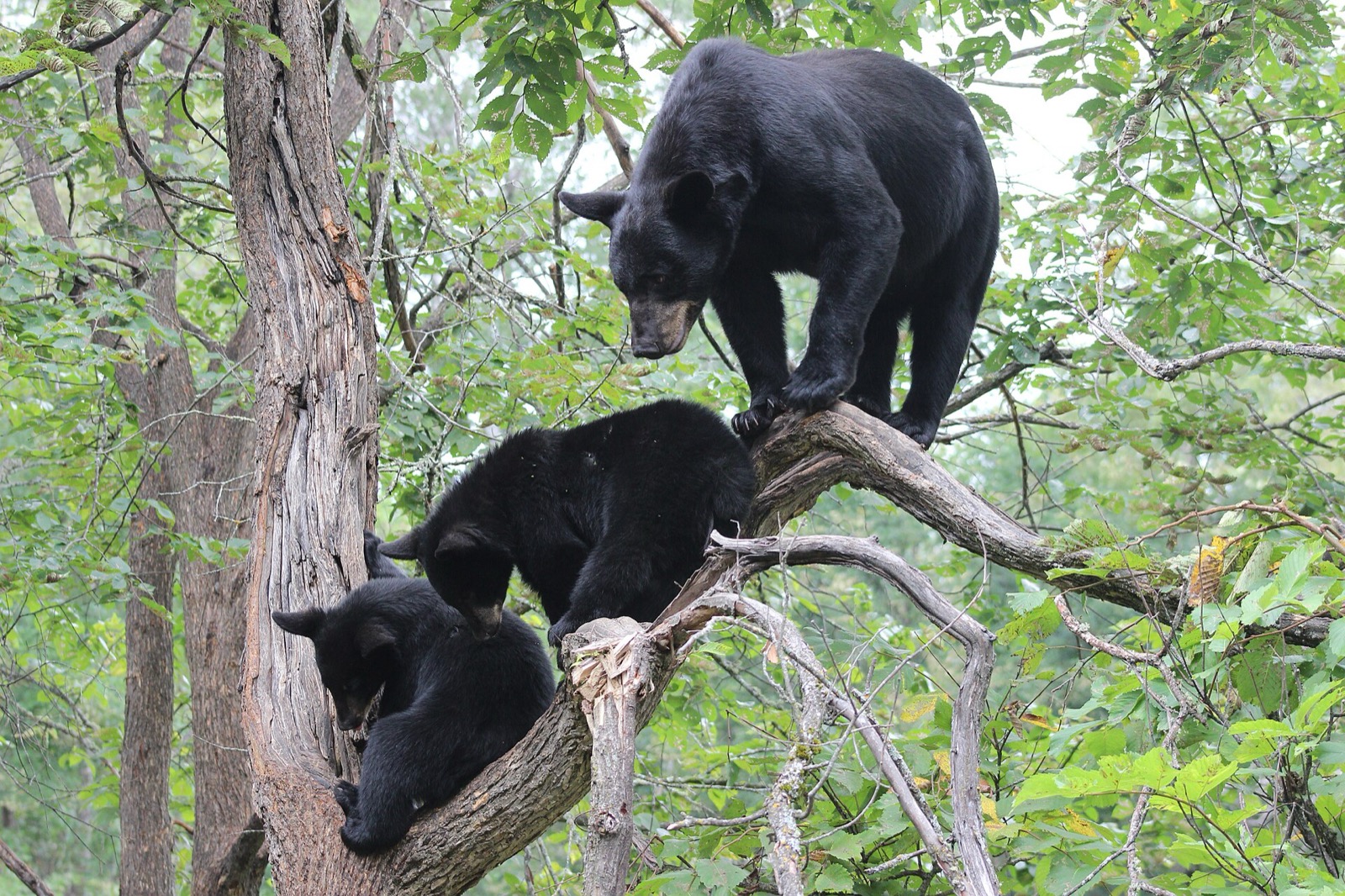
MDWFP describes two subspecies: the American black bear in the northern one-third of the state and the Louisiana black bear in the southern two-thirds, both classified as Endangered under Mississippi law. Biologists estimate about 150 bears in three breeding sub-populations (the Gulf Coast, the Loess Bluffs of southwest Mississippi, and the Mississippi River Delta), up from an estimated 40 bears in 2002.
The bars count research grade American black bear observations people uploaded to iNaturalist for Mississippi, by calendar month, across every year the platform holds. The drop into winter reflects bears denning and fewer people outdoors in equal measure, which is why the agency’s sentences below, not the curve, carry the timing.
14 research grade American black bear observations have been uploaded to iNaturalist for Mississippi across every year the platform holds, and 14 percent of them fall in the three shaded fall months. With this few records the series is too thin to summarise, so the bars stand on their own. These are counts of what people reported, so they measure observers as well as bears; they are not a population, not a survey and not a statement about this autumn. See the records on iNaturalist.
Research grade black bear reports uploaded for Mississippi by year, 2016 to 2025: 0 in 2016 and 0 in 2025. Most of the climb is the platform itself growing, and every species on it shows the same shape, so this is a record of reporting rather than a population trend.
What Mississippi Department of Wildlife, Fisheries, and Parks says
Fall feeding
Hard mast species are vital in the fall, as this is the time of year bears exhibit their most weight gain in preparation for the winter. Hard mast is rich in fat and carbohydrates and is vital for bears in producing fat reserves that will ensure the bears enter the denning period in good health.Mississippi Department of Wildlife, Fisheries, and Parks, read September 19, 2026. Read it at the source
Denning
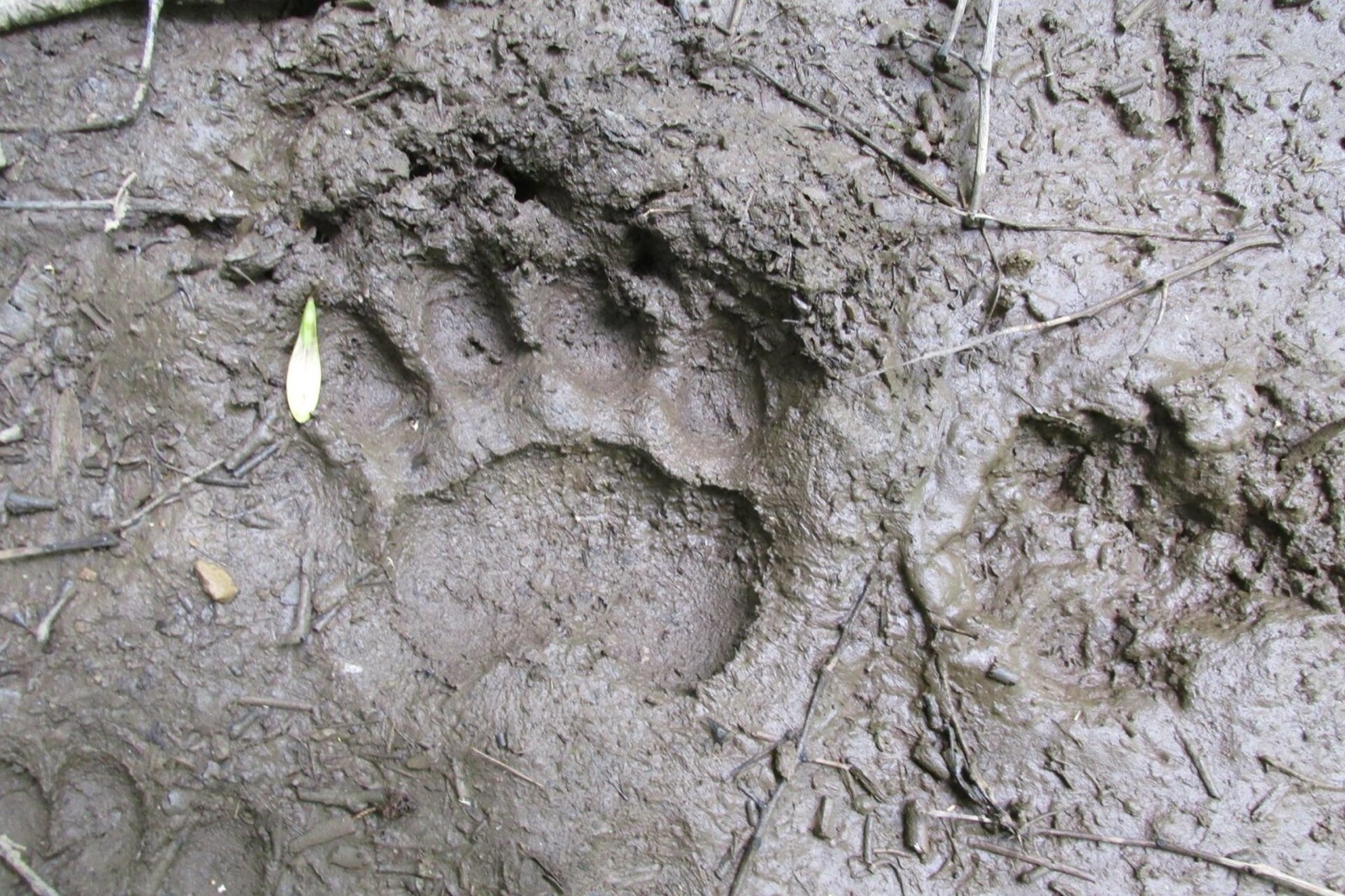
Mississippi black bears typically have a shorter denning period and show greater winter activity than in other regions. This shorter duration is believed to be a function of greater food availability during winter months. Pregnant females typically will be the first to den, followed by females with young from that year, solitary females, and finally males.Mississippi Department of Wildlife, Fisheries, and Parks, read September 19, 2026. Read it at the source
When conflicts and sightings rise
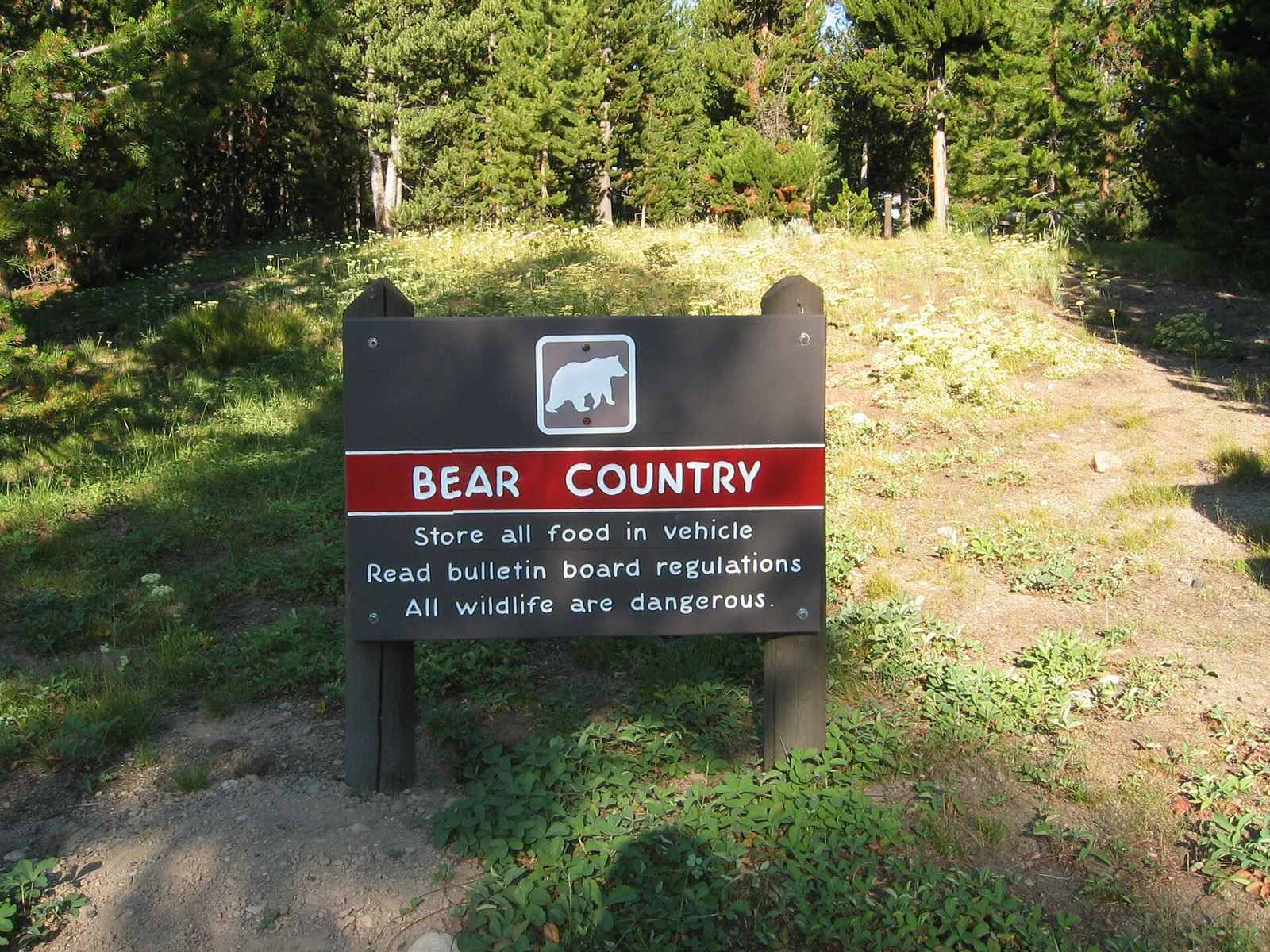
Black bear sightings in Mississippi have been on the rise in the last few years, especially during the early summer when yearling bears are dispersing to establish a home range and breeding season for the adult bears occurs.Mississippi Department of Wildlife, Fisheries, and Parks, read September 19, 2026. Read it at the source
Mississippi bear seasons, 2026-27
Mississippi holds no bear hunting season in 2026-27. The three entries below carry Mississippi Department of Wildlife, Fisheries, and Parks’s own reason for each, with the page it was read from.
Fall bear season
no seasonMississippi holds no fall bear hunting season. Mississippi holds no black bear hunting season. MDWFP classifies both the American black bear and the Louisiana black bear as Endangered under Mississippi law, and the department's 2026-2027 Hunting Seasons page and PDF list no bear season of any kind. Source: Mississippi Department of Wildlife, Fisheries, and Parks.
Archery bear season
no seasonMississippi holds no separately dated archery bear season. No archery bear season exists in Mississippi. The black bear has had statewide protection since 1932 and has been listed as a state endangered species since 1984, per the MDWFP Black Bear Program page. Source: Mississippi Department of Wildlife, Fisheries, and Parks.
Spring bear season
no seasonMississippi holds no spring bear season. No spring bear season exists in Mississippi. The species is protected as Endangered under Mississippi law and the 2026-2027 Hunting Seasons publication carries no bear entry. Source: Mississippi Department of Wildlife, Fisheries, and Parks.
The agency's own season sentence
The Louisiana black bear (recently removed from the Federally Threatened Species list) and the American black bear are both classified as Endangered under Mississippi law.Mississippi Department of Wildlife, Fisheries, and Parks, read September 19, 2026. Read it at the source
Bear season in other states
Mississippi bear season questions
This page covers the 2026-27 season year with agency data read on September 19, 2026 and an iNaturalist record to September 19, 2026. Every sentence about bear behaviour is Mississippi Department of Wildlife, Fisheries, and Parks’s own, quoted exactly with a link to its page; every season window is republished from the agency page linked beside it, and windows the agency had not yet published are labelled not yet published. The month bars count what members of the public reported and are not a population. See also the national bear season guide.