
Rhode Island Bear Season 2026-27
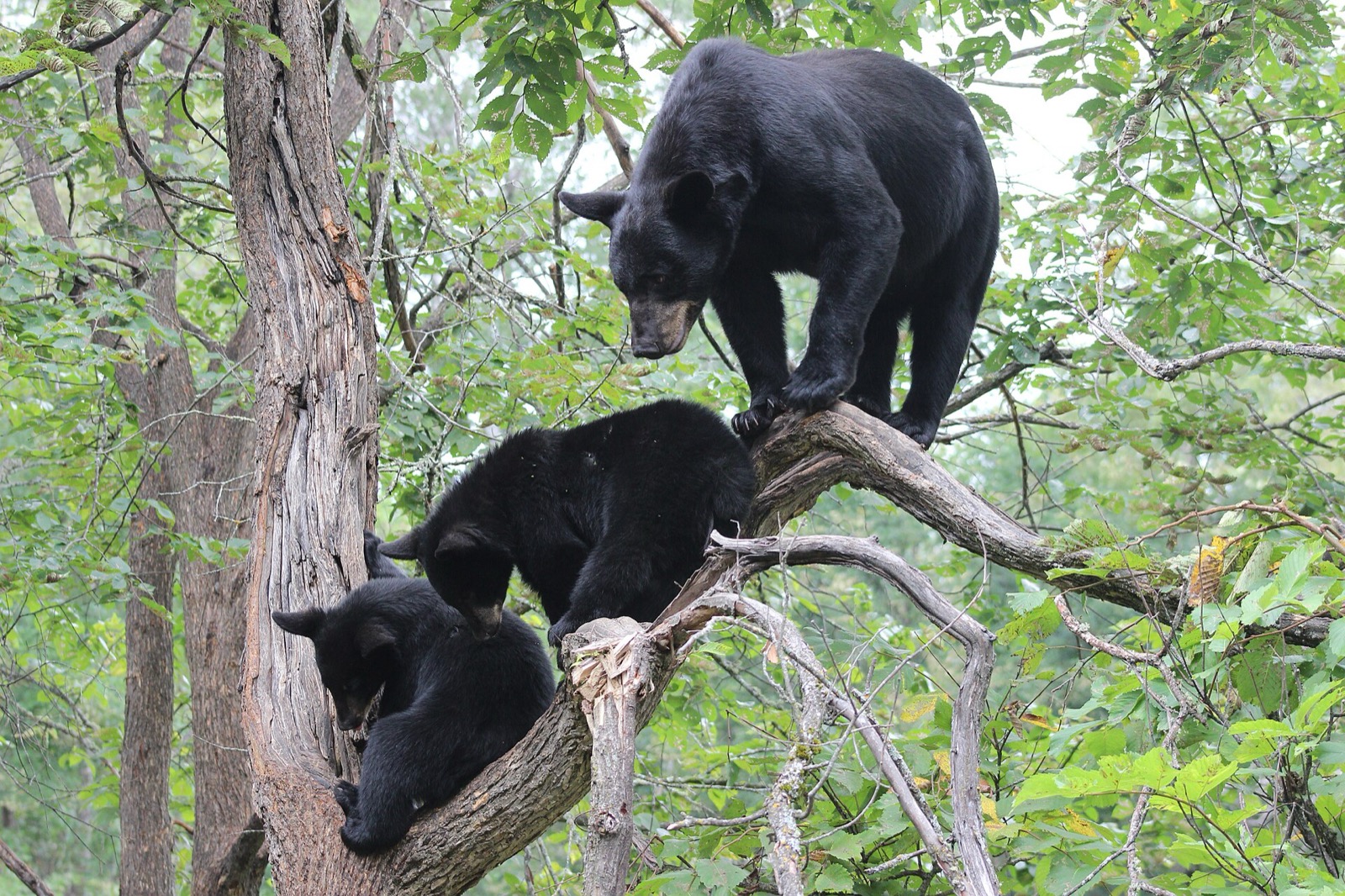
Black bears will actively seek out foods high in protein or fat, such as birdseed, pet food, livestock feed and garbage. This leads to larger bears, higher birth rates, and higher cub survival rates.
Rhode Island Department of Environmental Management, Division of Fish and WildlifeRhode Island holds no bear hunting season in 2026-27. Everything below is Rhode Island Department of Environmental Management, Division of Fish and Wildlife’s own words and dates, read on September 19, 2026, beside the record of what people reported.
When black bears are most active in Rhode Island
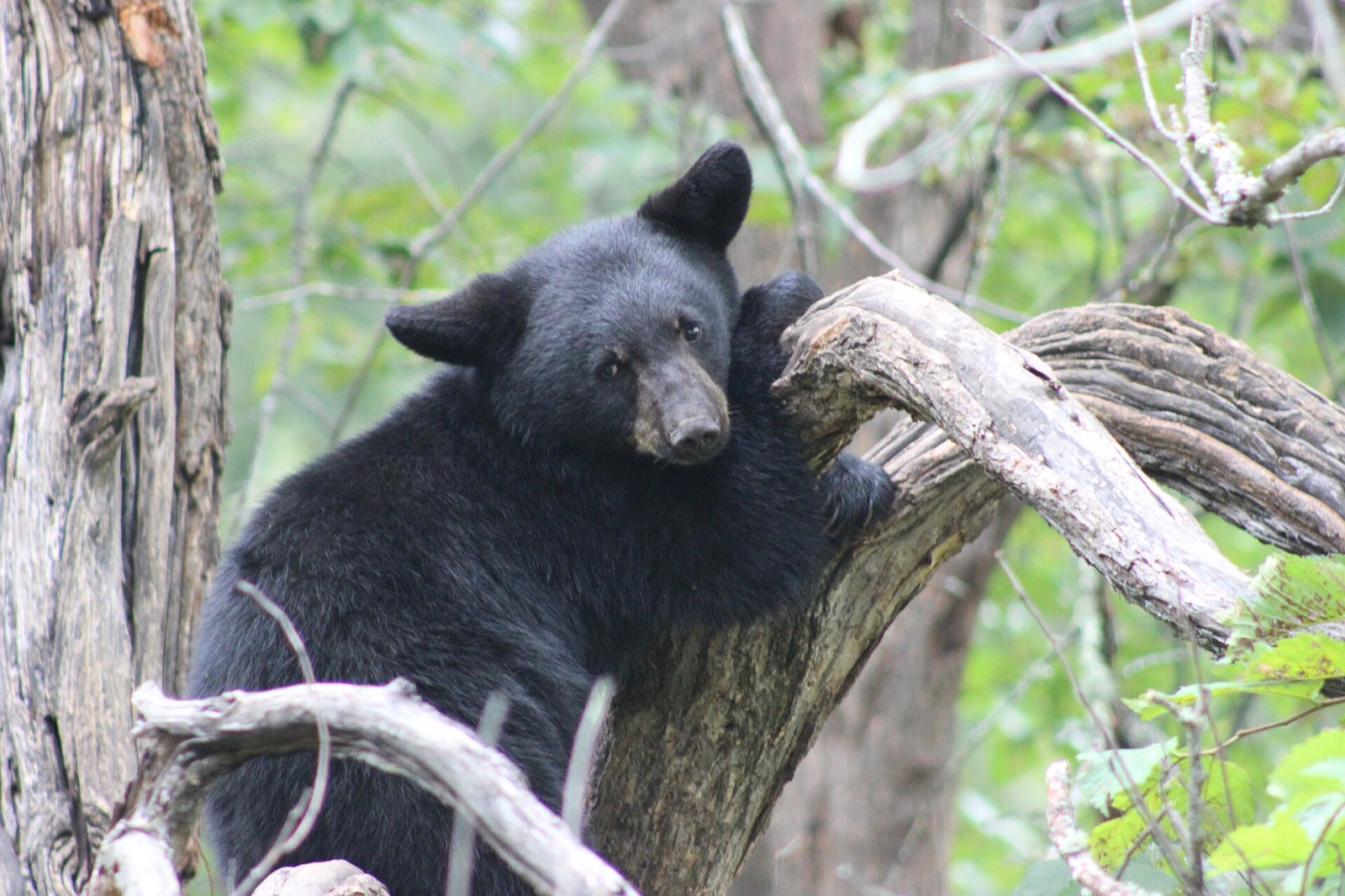
DEM's fact sheet says most bears seen in Rhode Island in recent years are transient young males, likely born in Massachusetts or Connecticut, and that while only a small number of resident bears are estimated to currently inhabit Rhode Island, the population is expected to increase as numbers in neighboring states grow.
The bars count research grade American black bear observations people uploaded to iNaturalist for Rhode Island, by calendar month, across every year the platform holds. The drop into winter reflects bears denning and fewer people outdoors in equal measure, which is why the agency’s sentences below, not the curve, carry the timing.
24 research grade American black bear observations have been uploaded to iNaturalist for Rhode Island across every year the platform holds, and 8 percent of them fall in the three shaded fall months. With this few records the series is too thin to summarise, so the bars stand on their own. These are counts of what people reported, so they measure observers as well as bears; they are not a population, not a survey and not a statement about this autumn. See the records on iNaturalist.
Research grade black bear reports uploaded for Rhode Island by year, 2016 to 2025: 0 in 2016 and 10 in 2025. Most of the climb is the platform itself growing, and every species on it shows the same shape, so this is a record of reporting rather than a population trend.
What Rhode Island Department of Environmental Management, Division of Fish and Wildlife says
Fall feeding
Black bears will actively seek out foods high in protein or fat, such as birdseed, pet food, livestock feed and garbage. This leads to larger bears, higher birth rates, and higher cub survival rates.Rhode Island Department of Environmental Management, Division of Fish and Wildlife, read September 19, 2026. Read it at the source
Denning
In the northeast, winter denning usually takes place between November and March and females that are pregnant or with cubs enter the den earlier and spend longer periods in the den than males.Rhode Island Department of Environmental Management, Division of Fish and Wildlife, read September 19, 2026. Read it at the source
When conflicts and sightings rise
Young bears either leave or are driven away by their mother in the spring following their second winter. Young male bears, away from their mother for the first time, often travel great distances looking for food and unoccupied territories. These young males often venture into residential backyards looking for food.Rhode Island Department of Environmental Management, Division of Fish and Wildlife, read September 19, 2026. Read it at the source
Rhode Island bear seasons, 2026-27
Rhode Island holds no bear hunting season in 2026-27. The three entries below carry Rhode Island Department of Environmental Management, Division of Fish and Wildlife’s own reason for each, with the page it was read from.
Bear hunting season
no seasonRhode Island holds no fall bear hunting season. Rhode Island holds no black bear hunting season. DEM's fact sheet says black bears are protected in Rhode Island and cannot be hunted or taken by any method, citing Rhode Island General Laws 20-16-1. Source: Rhode Island Department of Environmental Management, Division of Fish and Wildlife.
Archery bear season
no seasonRhode Island holds no separately dated archery bear season. Rhode Island has no bear hunting season of any kind, so there is no archery bear season. DEM says black bears are protected in the state and cannot be hunted or taken by any method. Source: Rhode Island Department of Environmental Management, Division of Fish and Wildlife.
Spring bear season
no seasonRhode Island holds no spring bear season. Rhode Island has no bear hunting season of any kind, so there is no spring bear season. DEM says black bears are protected in the state and cannot be hunted or taken by any method. Source: Rhode Island Department of Environmental Management, Division of Fish and Wildlife.
The agency's own season sentence
Illegal take may be an issue in some areas; black bears are protected in Rhode Island and cannot be hunted or taken by any method (RIGL 20-16-1).Rhode Island Department of Environmental Management, Division of Fish and Wildlife, read September 19, 2026. Read it at the source
Bear season in other states
Rhode Island bear season questions
This page covers the 2026-27 season year with agency data read on September 19, 2026 and an iNaturalist record to September 19, 2026. Every sentence about bear behaviour is Rhode Island Department of Environmental Management, Division of Fish and Wildlife’s own, quoted exactly with a link to its page; every season window is republished from the agency page linked beside it, and windows the agency had not yet published are labelled not yet published. The month bars count what members of the public reported and are not a population. See also the national bear season guide.