
Colorado CWD Testing and Deer Carcass Rules
An elk hunter holding one of the 2026 rifle hunt codes CPW selected must turn the head in for free testing, everyone else may submit voluntarily for $25, and Colorado sets no rule on what parts of a carcass may be brought in from another state.
Is CWD testing required in Colorado
Colorado Parks and Wildlife requires a sample from deer taken in the areas it names, and a test is available on a deer taken anywhere else in Colorado.
- Where the requirement bites
- Submission of the head is required in 2026 from every elk taken during a rifle season under a hunt code CPW selected for mandatory testing, and there is no mandatory testing of deer this year.
- How to submit
- Colorado Parks and Wildlife names CPW submission site and agency office.
- What it costs
- Colorado Parks and Wildlife puts the cost at $25.
- How long results take
- CPW tells hunters to plan on up to five weeks, which it puts at 25 business days, from the day the head is submitted.
In 2026, CPW will require mandatory submission of CWD test samples (heads) from all elk harvested during rifle seasons from specific hunt codes to better evaluate the prevalence of CWD in herds.Chronic Wasting Disease, Colorado Parks and Wildlife, read September 23, 2026. Read it at the source
What may be carried across the Colorado line
This is the rule a hunter is most likely to miss, because it is written by the state being entered rather than the state the animal was taken in. Reading the regulations of the state hunted in cover to cover does not surface it. Nationally, 42 of the 50 states restrict what crosses and 27 refuse an intact carcass from anywhere at all.
Colorado publishes no rule of its own on carcasses arriving from another state, which leaves the rules of the state the animal was taken in as the ones that apply.
CPW publishes no carcass import restriction, so a hunter may bring a deer, elk or moose carcass into Colorado from another state.
The Colorado agency’s own words on the meat
Colorado Parks and Wildlife publishes this:
Colorado Parks and Wildlife recommends that hunters not eat the meat of an animal that tests positive for Chronic Wasting Disease.Chronic Wasting Disease, Colorado Parks and Wildlife, read September 23, 2026. Read it at the source
That sentence is reproduced whole and unedited because it is the agency’s statement rather than a summary of one, and 30 of the 50 states here publish one of their own. The wording differs between states.
CWD in Colorado: status, zones and baiting
Colorado Parks and Wildlife has confirmed the disease in Colorado's wild deer. CPW describes the disease as present in several regions of the state and says about half of Colorado deer herds and about a third of elk herds contain infected animals.
- Baiting and feeding
- Baiting and feeding banned statewide
- Carcass waste
- CPW advises that every part of an infected animal go into two heavy duty bags, each tied separately, and out with the weekly trash or to the local landfill.
About half of Colorado’s deer herds and one-third of its elk herds have animals within the herd that are known to be infected with the disease.Chronic Wasting Disease, Colorado Parks and Wildlife, read September 23, 2026. Read it at the source
Colorado draws no management or surveillance zone, which means its rules apply the same way in every county. Several states added a first zone within a season of a first detection, so a zone boundary is the part of a state's rules most likely to change.
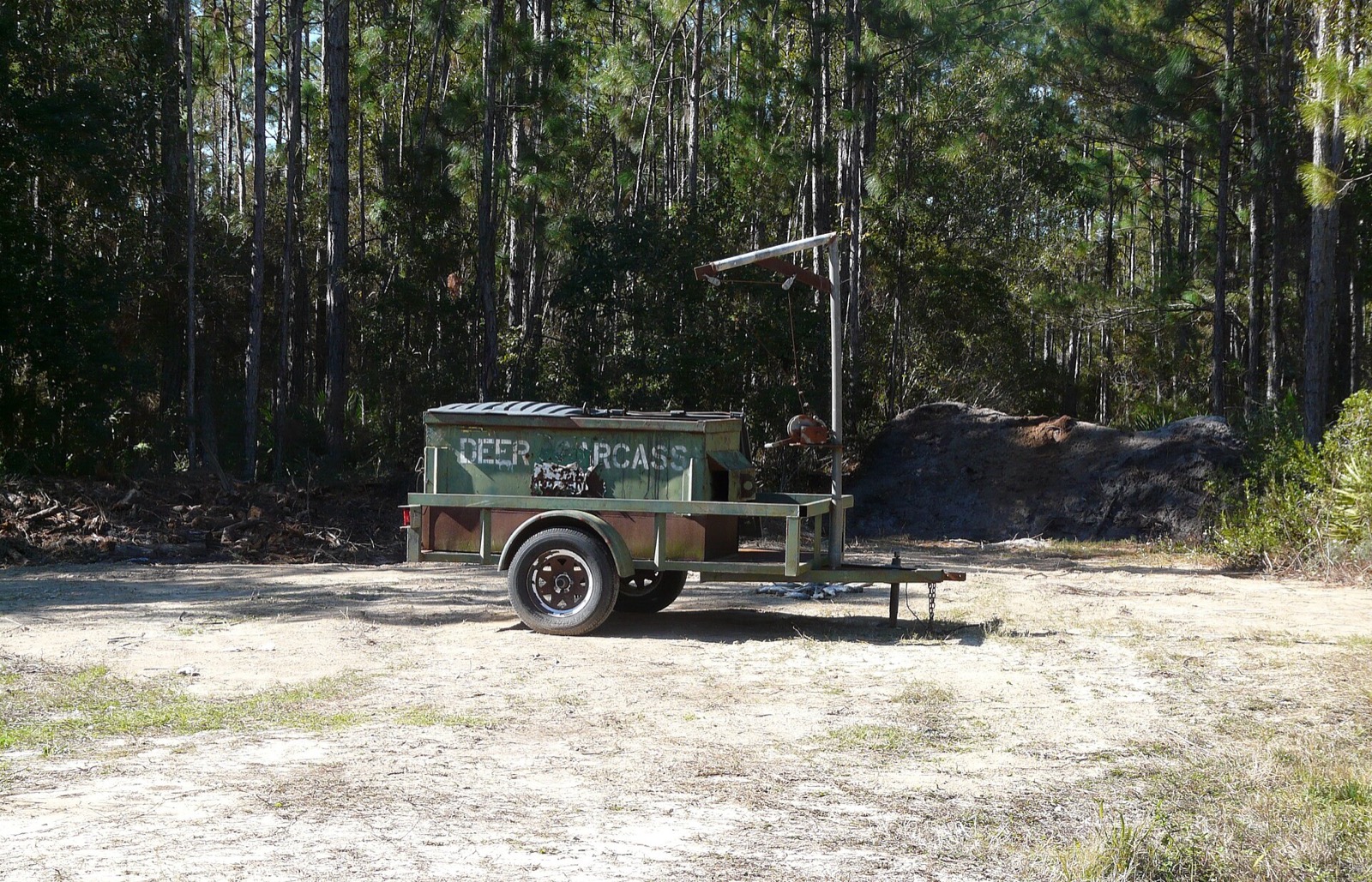
Colorado CWD questions
CWD rules in other states
Colorado read September 23, 2026 from Chronic Wasting Disease, Colorado Parks and Wildlife, linked above. Carcass rules, zone boundaries and sampling requirements change between one season’s regulations and the next, and a state can add a rule mid season after a new detection, so the CPW document linked above is the one that governs. Every state is on the CWD testing hub.