
South Dakota CWD Testing and Deer Carcass Rules
South Dakota requires no CWD testing and sets no parts list for bringing a deer in from another state, but once a carcass leaves the county it was shot in, or comes in from out of state, the remains must go to a waste hauler or a permitted landfill.
Is CWD testing required in South Dakota
South Dakota Department of Game, Fish and Parks publishes neither a sampling requirement nor a standing collection programme for a hunter's own deer, and handles the disease through reporting and the rules on what may be carried across the state line.
- How to submit
- South Dakota Department of Game, Fish and Parks takes submissions through the route set out on its own sampling page.
What may be carried across the South Dakota line
This is the rule a hunter is most likely to miss, because it is written by the state being entered rather than the state the animal was taken in. Reading the regulations of the state hunted in cover to cover does not surface it. Nationally, 42 of the 50 states restrict what crosses and 27 refuse an intact carcass from anywhere at all.
South Dakota publishes no rule of its own on carcasses arriving from another state, which leaves the rules of the state the animal was taken in as the ones that apply.
South Dakota publishes no list of parts a hunter may or may not bring in from another state; what it regulates instead is disposal, requiring carcass remains brought in from another state to go to a waste management provider or a permitted landfill unless the carcass was delivered to a licensed taxidermist or game processor.
41:06:03:16. Interstate cervid carcass transportation and disposal requirement. Unless delivered to a licensed taxidermist or game processor, anyone transporting whole or partial cervid carcasses from another state into South Dakota shall dispose of all remaining cervid carcass parts with a waste management provider or a permitted landfill. Whole or partial cervid carcasses being transported through the state are exempt from this section.CWD Regulations, South Dakota Game, Fish and Parks, read September 23, 2026. Read it at the source
South Dakota Administrative Rule 41:06:03:16, Interstate cervid carcass transportation and disposal requirement
CWD in South Dakota: status, zones and baiting
South Dakota Department of Game, Fish and Parks has confirmed the disease in South Dakota's wild deer. GFP names four counties plus two parks where CWD has been found: Lawrence, Pennington, Custer and Fall River Counties, Custer State Park and Wind Cave National Park..
- Baiting and feeding
- Baiting and feeding banned statewide
- Moving an animal out of a zone
- GFP designates no CWD management zone and places no limit on moving a carcass within the state; the rule that attaches when a carcass leaves the county of harvest is a disposal duty, not a movement ban.
- Carcass waste
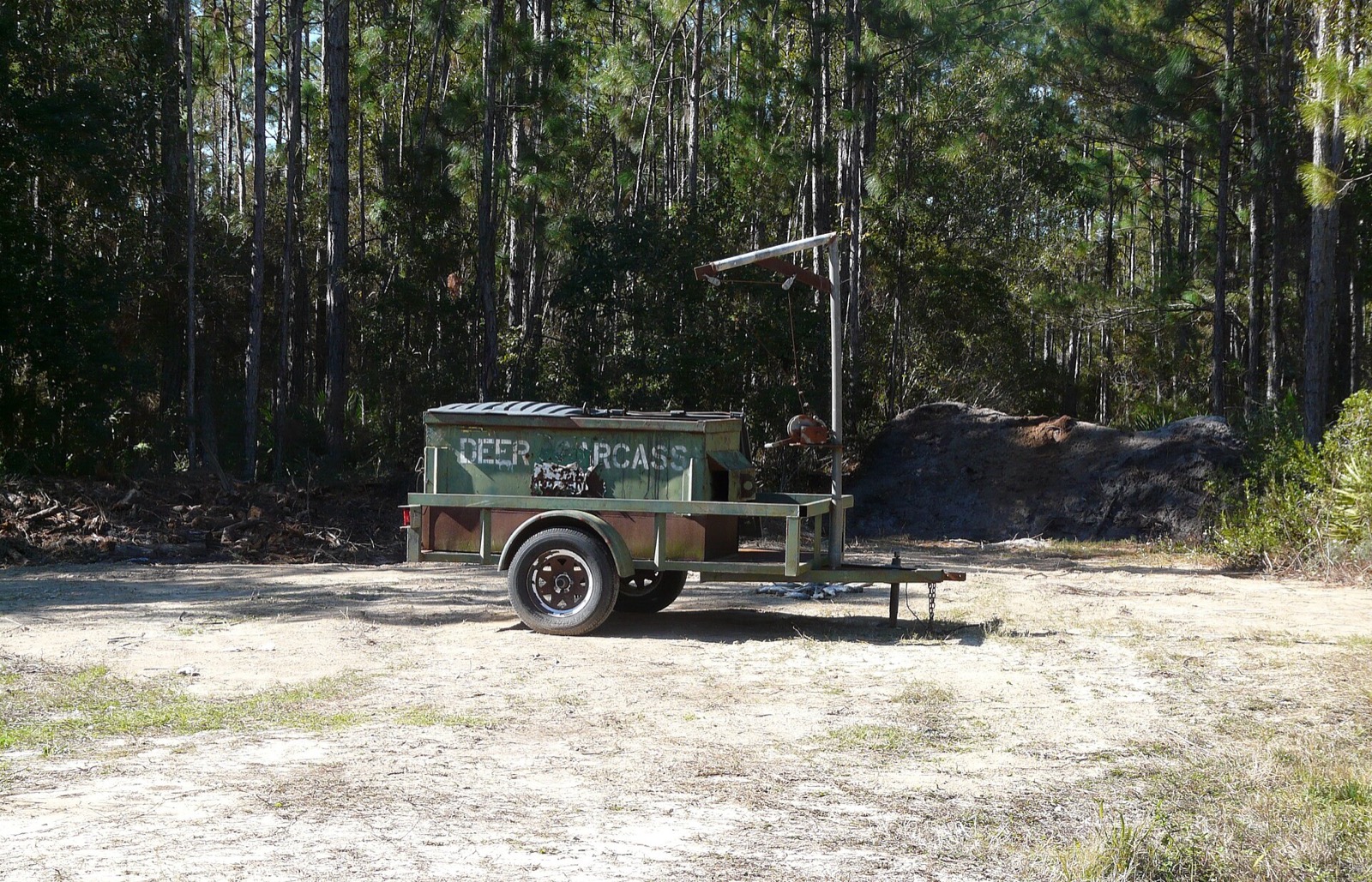
- A hunter who moves any part of a carcass out of the county of harvest must dispose of the remains with a waste management provider or a permitted landfill, and may not leave them on public land or in a road ditch.
Chronic Wasting Disease (CWD) is a fatal brain disease of deer, elk and moose. In South Dakota, CWD has been detected in Lawrence, Pennington, Custer and Fall River Counties, Custer State Park and Wind Cave National Park.Deer, South Dakota Game, Fish and Parks, read September 23, 2026. Read it at the source
South Dakota draws no management or surveillance zone, which means its rules apply the same way in every county. Several states added a first zone within a season of a first detection, so a zone boundary is the part of a state's rules most likely to change.
South Dakota CWD questions
CWD rules in other states
South Dakota read September 23, 2026 from Deer, South Dakota Game, Fish and Parks, linked above. Carcass rules, zone boundaries and sampling requirements change between one season’s regulations and the next, and a state can add a rule mid season after a new detection, so the GFP document linked above is the one that governs. Every state is on the CWD testing hub.