
Minnesota CWD Testing and Deer Carcass Rules
Testing is mandatory in Minnesota for an adult deer taken on the Nov. 7 and 8 firearms opener inside the 2026 surveillance block permit areas and free and voluntary everywhere else, no whole carcass may be brought into the state from anywhere, and a deer taken inside a CWD management zone may leave the zone but has to be disposed of one of four named ways.
Is CWD testing required in Minnesota
Minnesota Department of Natural Resources requires a sample from deer taken in the areas it names, and a test is available on a deer taken anywhere else in Minnesota.
- Where the requirement bites
- Testing is required for any deer a year old or older taken in the 2026 rotational surveillance block of deer permit areas on the opening weekend of the firearms season, Nov. 7 and 8.
- How to submit
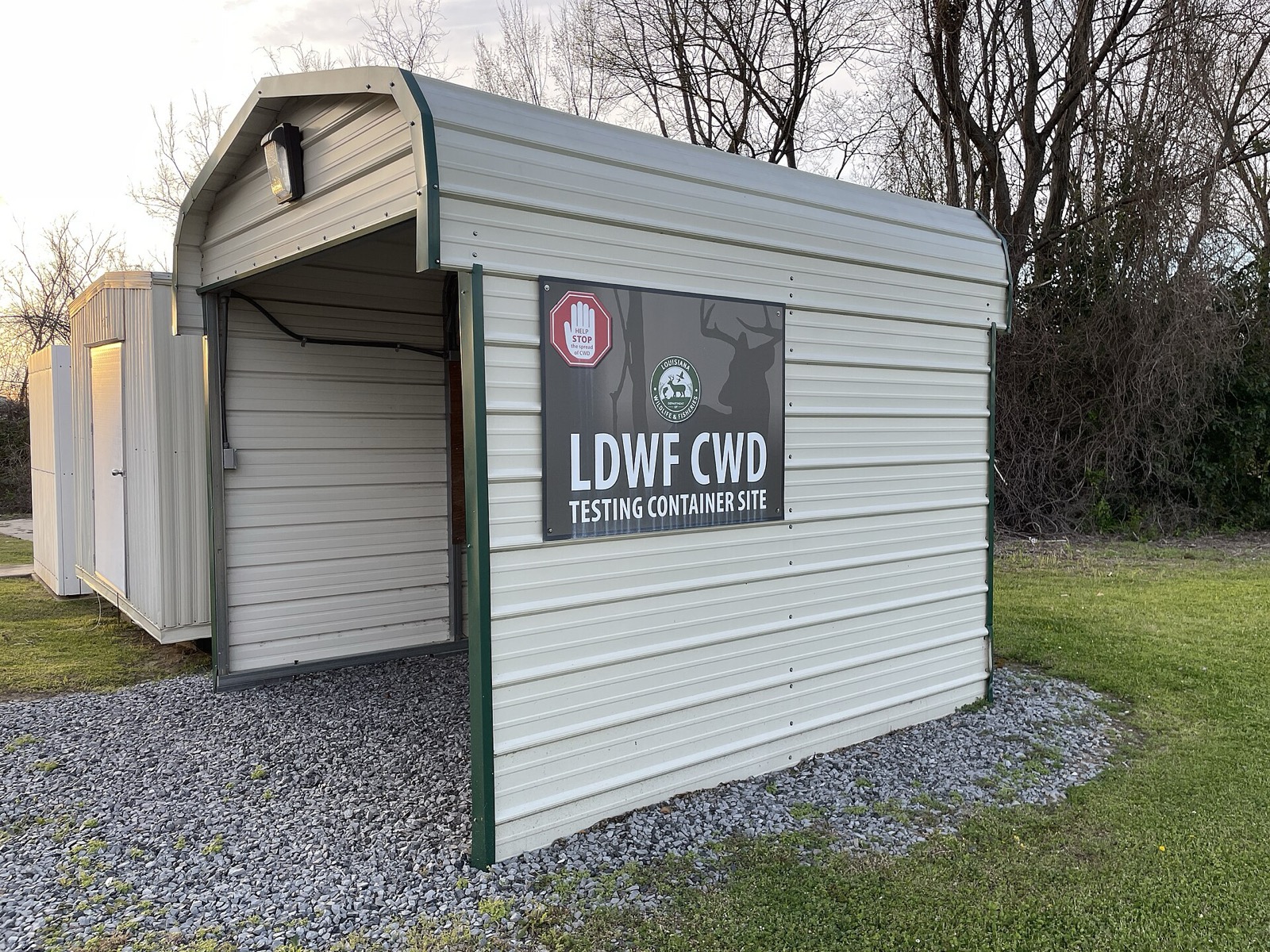
- Minnesota Department of Natural Resources names Staffed sampling stations, self-service sampling stations, Taxidermists and processors participating in the partner sampling program, Mail-in kits and an appointment at any area wildlife office.
- What it costs
- Minnesota Department of Natural Resources puts the test at no charge to the hunter.
- How long results take
- The DNR says results usually come back in 7 to 14 days and can take longer when the lab is busy.
- The zone it draws
- CWD management zone
Hunters who harvest a deer either Saturday, Nov. 7, or Sunday, Nov. 8, in DPAs included in the surveillance block must have any adult deer (1 year or older) sampled.CWD surveillance block, Minnesota Department of Natural Resources, read September 23, 2026. Read it at the source
What may be carried across the Minnesota line
This is the rule a hunter is most likely to miss, because it is written by the state being entered rather than the state the animal was taken in. Reading the regulations of the state hunted in cover to cover does not surface it. Nationally, 42 of the 50 states restrict what crosses and 27 refuse an intact carcass from anywhere at all.
An intact carcass may not be carried into Minnesota from any other state. The parts DNR does admit are listed below.
No whole cervid carcass may be brought into Minnesota from anywhere, only the listed parts, though a whole head may come in if it reaches a licensed Minnesota taxidermist within 48 hours of entering the state.
What DNR admits, in its own categories:
- Quarters or other portions of meat with no part of the spinal column or head attached
- Meat that is boned out or that is cut and wrapped (either commercially or privately)
- Hides and teeth
- Antlers or clean (no brain tissue attached) skull plates with antlers attached
- Finished taxidermy mounts
It is illegal to import whole deer, elk, moose and caribou carcasses into Minnesota. This prohibition applies to all U.S. states, Canadian provinces, or other areas, regardless of their CWD status.Deer carcass import and disposal rules, Minnesota Department of Natural Resources, read September 23, 2026. Read it at the source
The Minnesota agency’s own words on the meat
Minnesota Department of Natural Resources publishes this:
To date, there have been no documented cases of CWD in humans and no strong evidence that CWD can spread to people. However, because other prion diseases such as bovine spongiform encephalopathy (BSE or mad cow disease) have been transmitted to people and research on CWD is still ongoing, public health officials recommend that hunters do not consume meat from animals known to be infected.CWD surveillance block, Minnesota Department of Natural Resources, read September 23, 2026. Read it at the source
That sentence is reproduced whole and unedited because it is the agency’s statement rather than a summary of one, and 30 of the 50 states here publish one of their own. The wording differs between states.
CWD in Minnesota: status, zones and baiting
Minnesota Department of Natural Resources has confirmed the disease in Minnesota's wild deer. The first confirmed case dates to 2010. The DNR describes where it has been found by deer permit area rather than by county, naming eighteen permit areas as CWD management zones, and says the disease remains relatively rare in the state..
- First confirmed case
- 2010
- Baiting and feeding
- Banned inside the zones
- Moving an animal out of a zone
- A carcass may now leave a CWD management zone right away, but a hunter who took the deer inside the zone has to dispose of the carcass by one of the listed legal means unless the deer comes back not detected.
- Carcass waste
- A hunter who took a deer in a CWD management zone must dispose of the carcass in a sanitary landfill, at a Minnesota licensed meat processor, at a Minnesota licensed taxidermist, or by leaving it on the private property where it was taken with the landowner's permission.
The disease was first detected in wild deer in Minnesota in 2010.CWD background & resources, Minnesota Department of Natural Resources, read September 23, 2026. Read it at the source
Zone boundaries are redrawn between seasons more often than any other rule here, usually after a new detection near an existing line. The map linked above is DNR's own and is the one that governs.
Minnesota CWD questions
CWD rules in other states
Minnesota read September 23, 2026 from CWD background & resources, Minnesota Department of Natural Resources, linked above. Carcass rules, zone boundaries and sampling requirements change between one season’s regulations and the next, and a state can add a rule mid season after a new detection, so the DNR document linked above is the one that governs. Every state is on the CWD testing hub.