
Iowa CWD Testing and Deer Carcass Rules
Iowa testing is voluntary, free through the DNR surveillance program for a deer at least eighteen months old and twenty five dollars through the hunter submission pathway, and only boned out meat, antlers on a cleaned skull plate and cleaned hides and capes may be brought in from a CWD infected area.
Is CWD testing required in Iowa
Iowa has found the disease in wild deer, and Iowa Department of Natural Resources sets no requirement to submit a sample. A test is offered on any deer a hunter brings in.
- How to submit
- Iowa Department of Natural Resources names contact local DNR wildlife staff, DNR freezers in some areas where deer heads can be dropped off at any time, work with your taxidermist to collect a sample and collect your own lymph nodes and ship them to the Iowa State University Veterinary Diagnostic Laboratory.
- What it costs
- Iowa Department of Natural Resources waives the fee in some places and not others: free of charge through the DNR surveillance program, or a $25 laboratory fee through the hunter submission pathway.
There are currently two ways to submit tissue samples for CWD testing in Iowa:Chronic Wasting Disease (CWD), A Guide for Iowa's Hunters, Iowa Department of Natural Resources, read September 23, 2026. Read it at the source
What may be carried across the Iowa line
This is the rule a hunter is most likely to miss, because it is written by the state being entered rather than the state the animal was taken in. Reading the regulations of the state hunted in cover to cover does not surface it. Nationally, 42 of the 50 states restrict what crosses and 27 refuse an intact carcass from anywhere at all.
An intact carcass may not be carried into Iowa from a state or province where the disease has been found. An animal from anywhere else falls outside the rule.
A whole cervid carcass taken in a CWD infected area may not be brought into Iowa, and only boned out meat, antlers or a cleaned skull plate, and cleaned hides and capes may cross the line.
What DNR admits, in its own categories:
- Boned-out meat
- Antlers or skull, though skulls must contain clean skull plate with all brain and connective tissue removed
- Cleaned hides and capes
Under Iowa law, hunters cannot transport into the state the whole carcass of any cervid (i.e., deer, elk, moose) taken from a CWD-infected area. Only the boned-out meat, the cape, and antlers attached to a clean skull plate (from which all brain tissue has been removed) are legal to transport into Iowa.Chronic Wasting Disease, Iowa Department of Natural Resources, read September 23, 2026. Read it at the source
The Iowa agency’s own words on the meat
Iowa Department of Natural Resources publishes this:
Disclaimer: The Iowa Department of Natural Resources is not a human health organization and does not provide advice regarding meat consumption. While there is currently no known evidence that CWD can be transmitted to humans, the Centers for Disease Control and Prevention (CDC) provides guidance and the most current information on CWD and human health here:Chronic Wasting Disease (CWD), A Guide for Iowa's Hunters, Iowa Department of Natural Resources, read September 23, 2026. Read it at the source
That sentence is reproduced whole and unedited because it is the agency’s statement rather than a summary of one, and 30 of the 50 states here publish one of their own. The wording differs between states.
CWD in Iowa: status, zones and baiting
Iowa Department of Natural Resources has confirmed the disease in Iowa's wild deer. The first confirmed case dates to 2013. The DNR says the disease has spread from its first county to cover 39 counties and 715 positive wild deer..
- First confirmed case
- 2013
- Moving an animal out of a zone
- Iowa sets no mandatory boundary inside the state that a carcass may not cross; the DNR encourages the same reduced movement practices within Iowa that the import rule requires at the state line.
- Carcass waste
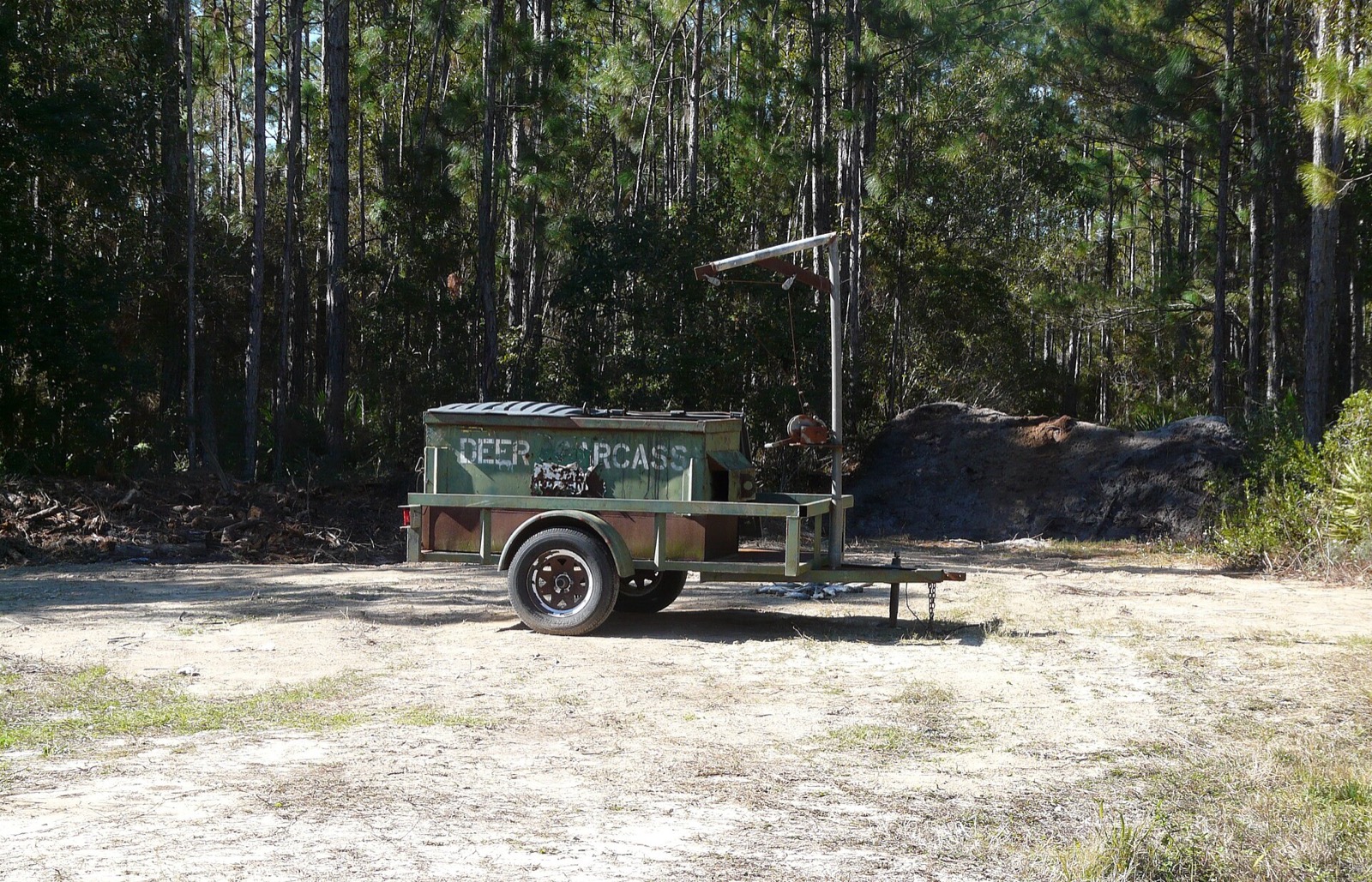
- The DNR asks hunters to put carcass waste through an accepting landfill or approved trash service, and otherwise to leave it as close to the harvest site as possible.
First detected in Allamakee County in 2013, CWD has been slowly increasing its footprint to include 39 counties and 715 positive wild deer.Chronic Wasting Disease, Iowa Department of Natural Resources, read September 23, 2026. Read it at the source
Iowa draws no management or surveillance zone, which means its rules apply the same way in every county. Several states added a first zone within a season of a first detection, so a zone boundary is the part of a state's rules most likely to change.
Iowa CWD questions
CWD rules in other states
Iowa read September 23, 2026 from Chronic Wasting Disease, Iowa Department of Natural Resources, linked above. Carcass rules, zone boundaries and sampling requirements change between one season’s regulations and the next, and a state can add a rule mid season after a new detection, so the DNR document linked above is the one that governs. Every state is on the CWD testing hub.