
Nevada CWD Testing and Deer Carcass Rules
Nevada has no CWD, but a deer taken in hunt units 192 to 196, 201 to 208, 211 to 213 or 291 must be sampled within a week, sampling is asked for everywhere else, and nothing with a spine, brain or head attached may be brought in from another state.
Is CWD testing required in Nevada
Nevada Department of Wildlife requires a sample from deer taken in the areas it names, and a test is available on a deer taken anywhere else in Nevada.
- Where the requirement bites
- Anyone who takes a deer inside the Transportation Restriction Zone, hunt units 192 to 196, 201 to 208, 211 to 213 and 291, must submit a sample, and it has to reach the agency within one week of the kill.
- How to submit
- Nevada Department of Wildlife names check station, NDOW office, self sampling kit mailed to the hunter, taxidermist and meat processor.
- The zone it draws
- Transportation Restriction Zone (TRZ)
It is now mandatory that anyone who harvests a deer in the TRZ (consisting of Hunt Units 192-196, 201-208, 211-213, and 291) submits a CWD sample.FY27 CWD TRZ Guidelines, Nevada Department of Wildlife, read September 23, 2026. Read it at the source
What may be carried across the Nevada line
This is the rule a hunter is most likely to miss, because it is written by the state being entered rather than the state the animal was taken in. Reading the regulations of the state hunted in cover to cover does not surface it. Nationally, 42 of the 50 states restrict what crosses and 27 refuse an intact carcass from anywhere at all.
An intact carcass may not be carried into Nevada from any other state. The parts NDOW does admit are listed below.
Bringing a carcass or any part of one from any other state, territory or country into Nevada is illegal except as wrapped meat or quarters, a hide or cape, a clean skull plate, antlers, a taxidermy mount, upper canine teeth or a bagged surveillance sample, and none of the allowed parts may have the spinal column, brain tissue or head attached.
What NDOW admits, in its own categories:
- Wrapped meat or quarters, with no part of the spinal column, brain tissue, or head attached
- The hide or cape with no part of the spinal column, brain tissue, or head attached
- The clean skull plate with antlers attached and no brain tissue attached
- The antlers with no meat or tissue other than antler velvet attached
- The taxidermy mount with no meat or tissue other than antler velvet attached
- The upper canine teeth including, without limitation, the bugler, whistler, and ivory teeth
- A sample collected for CWD surveillance (separately bagged and including only the obex and lymph nodes) that can be dropped off at any NDOW office
It is illegal for you, your agent, or employee to knowingly bring into Nevada or possess the carcass or any part of the carcass of any elk, mule deer, white-tailed deer, moose, reindeer, caribou, or fallow deer which were obtained in another state, territory, or country, EXCEPTChronic Wasting Disease, Nevada Department of Wildlife, read September 23, 2026. Read it at the source
Nevada Senate Bill 85
CWD in Nevada: status, zones and baiting
Nevada Department of Wildlife reports no detection of the disease in Nevada's wild deer herd.
- Moving an animal out of a zone
- The same parts list that governs bringing a carcass in from out of state governs taking one out of the TRZ, so the spinal column, brain tissue and head must stay inside the zone.
- Carcass waste
- Inside the TRZ the spinal column, brain tissue and head are left at the kill site, taken to an approved landfill inside the zone, or surrendered to the Reno or Tonopah office or a check station inside the zone.
As of today, CWD has not been detected in Nevada.Chronic Wasting Disease, Nevada Department of Wildlife, read September 23, 2026. Read it at the source
Zone boundaries are redrawn between seasons more often than any other rule here, usually after a new detection near an existing line. The map linked above is NDOW's own and is the one that governs.
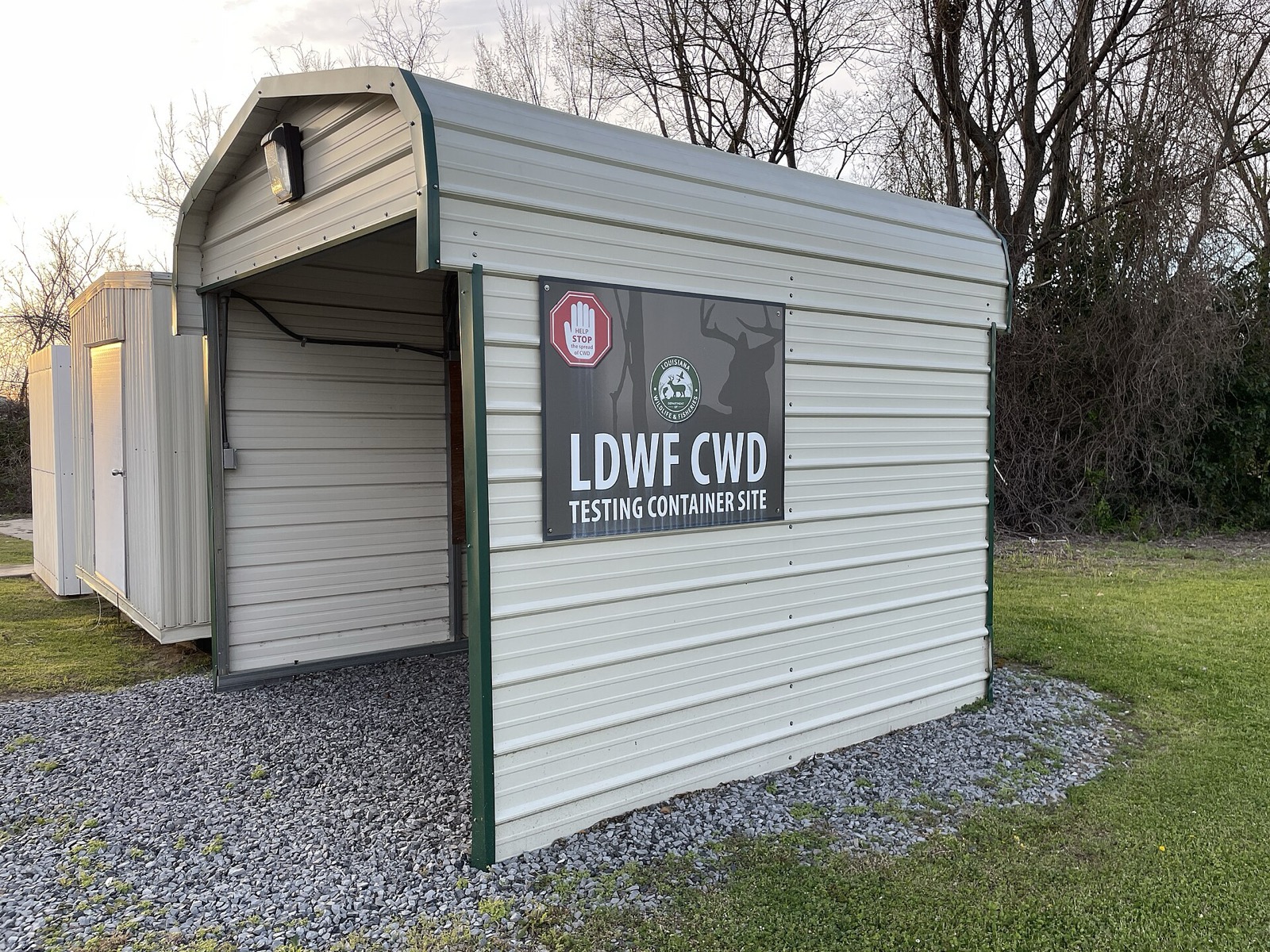
Nevada CWD questions
CWD rules in other states
Nevada read September 23, 2026 from Chronic Wasting Disease, Nevada Department of Wildlife, linked above. Carcass rules, zone boundaries and sampling requirements change between one season’s regulations and the next, and a state can add a rule mid season after a new detection, so the NDOW document linked above is the one that governs. Every state is on the CWD testing hub.