
Washington CWD Testing and Deer Carcass Rules
If you take a deer, elk or moose in the 100 series units of eastern Washington you must turn in the head or lymph nodes within five days and before you leave the region, and no whole carcass from any other state or province may be brought into Washington at all.
Is CWD testing required in Washington
Washington Department of Fish and Wildlife requires a sample from deer taken in the areas it names, and a test is available on a deer taken anywhere else in Washington.
- Where the requirement bites
- Anyone who harvests or salvages a deer, elk or moose in the Eastern Region, meaning the 100 series game management units, must hand the head or the extracted lymph nodes to the agency within five days and before leaving that region.
- How to submit
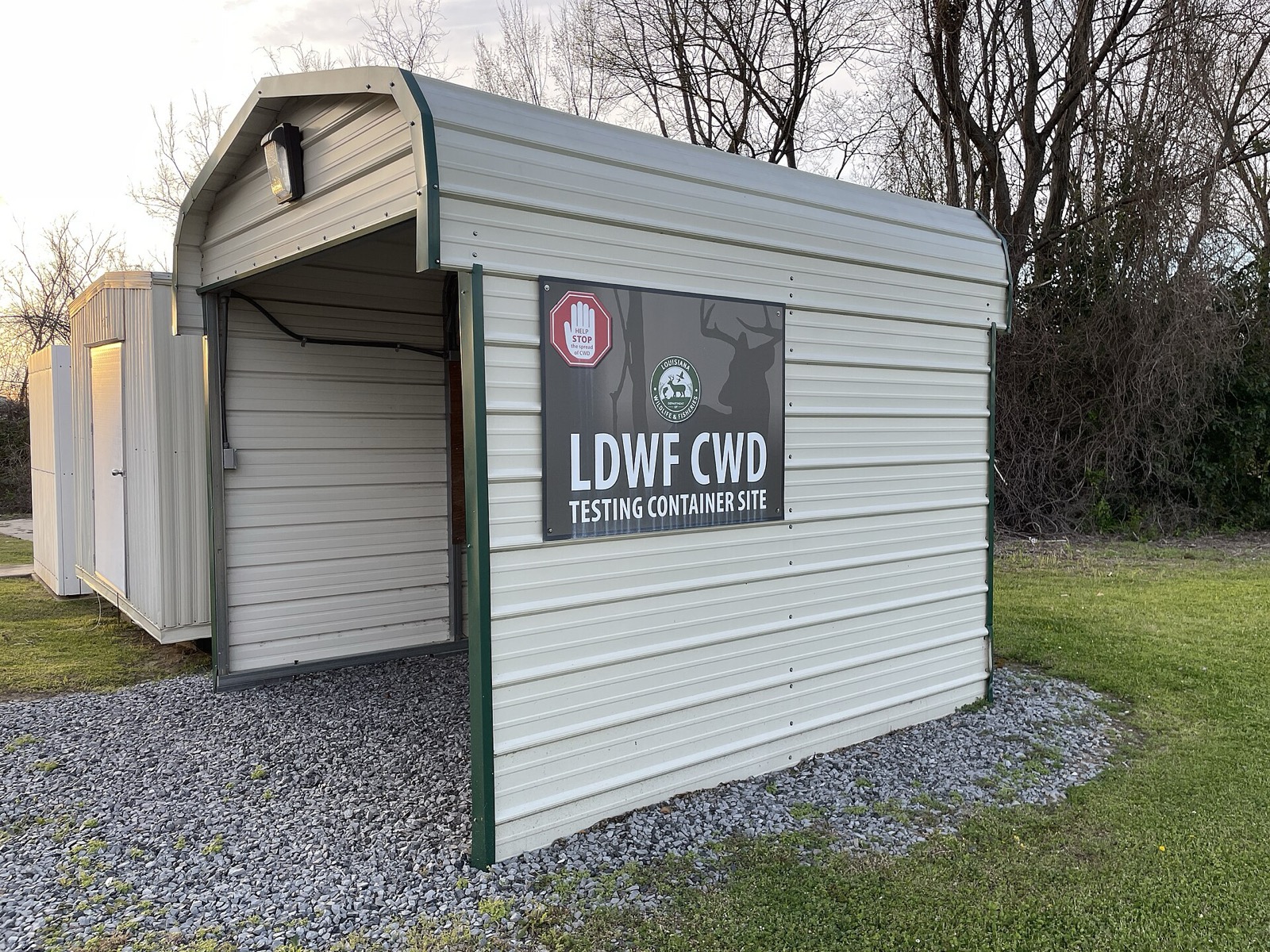
- Washington Department of Fish and Wildlife names self-service collection site, hunter check station, WDFW regional or district office, appointment with WDFW staff and mail in.
- How long results take
- The agency says results take about four to six weeks on average.
- The zone it draws
- Mandatory Testing Region (MTR) and Transport Restriction Zone (TRZ)
If you harvest or salvage a deer, elk, or moose in WDFW's Eastern Region (100 series GMUs), you are required to present the head to WDFW with at least three inches of neck attached, or extracted lymph nodes, prior to leaving WDFW's Eastern Region , within five days of harvesting or receiving a salvage permit.Testing for Chronic Wasting Disease (CWD), Washington Department of Fish and Wildlife, read September 23, 2026. Read it at the source
What may be carried across the Washington line
This is the rule a hunter is most likely to miss, because it is written by the state being entered rather than the state the animal was taken in. Reading the regulations of the state hunted in cover to cover does not surface it. Nationally, 42 of the 50 states restrict what crosses and 27 refuse an intact carcass from anywhere at all.
An intact carcass may not be carried into Washington from any other state. The parts WDFW does admit are listed below.
No whole carcass of a deer, elk, moose or caribou taken anywhere outside Washington may be brought into the state, and only boned out meat, a clean skull and antlers, a hide or cape with no head, permitted research tissue and finished taxidermy may come in.
What WDFW admits, in its own categories:
- Meat that has been de-boned in the state or province where it was harvested and is imported as boned-out meat
- Any part of the skull and antlers with all soft tissue removed. Soft tissue is any tissue that is not tooth, bone, or antler (velvet must be removed)
- Hides or capes without heads attached
- Tissue imported by researchers with preapproved permits for use by a diagnostic or research laboratory
- Finished taxidermy mounts
You cannot bring whole carcasses into Washington.Important information for hunters, Washington Department of Fish and Wildlife, read September 23, 2026. Read it at the source
WAC 220-413-030
The Washington agency’s own words on the meat
Washington Department of Fish and Wildlife publishes this:
As a precaution, the Washington State Department of Health and the Centers for Disease Control and Prevention recommend not eating any animal that tests positive for CWD or appears to have it.Testing for Chronic Wasting Disease (CWD), Washington Department of Fish and Wildlife, read September 23, 2026. Read it at the source
That sentence is reproduced whole and unedited because it is the agency’s statement rather than a summary of one, and 30 of the 50 states here publish one of their own. The wording differs between states.
CWD in Washington: status, zones and baiting
Washington Department of Fish and Wildlife has confirmed the disease in Washington's wild deer. The first confirmed case dates to 2024. The agency describes the detection as confined so far to its Eastern Region, which it treats as the Mandatory Testing Region and Transport Restriction Zone..
- First confirmed case
- 2024
- Baiting and feeding
- Baiting and feeding banned statewide
- Moving an animal out of a zone
- The same allowed parts list governs moving a deer, elk or moose taken in the 100 series game management units to anywhere else in Washington, and lymph nodes must be handed in before the animal leaves the Eastern Region.
- Carcass waste
- The agency asks hunters to bone the animal at the kill site and leave the inedible parts there, or failing that take them to an approved landfill, or double bag them into household trash bound for a landfill.
WDFW confirmed the presence of chronic wasting disease (CWD) in Washington in 2024.Chronic wasting disease (CWD), Washington Department of Fish and Wildlife, read September 23, 2026. Read it at the source
Zone boundaries are redrawn between seasons more often than any other rule here, usually after a new detection near an existing line. The map linked above is WDFW's own and is the one that governs.
Washington CWD questions
CWD rules in other states
Washington read September 23, 2026 from Chronic wasting disease (CWD), Washington Department of Fish and Wildlife, linked above. Carcass rules, zone boundaries and sampling requirements change between one season’s regulations and the next, and a state can add a rule mid season after a new detection, so the WDFW document linked above is the one that governs. Every state is on the CWD testing hub.