
Idaho CWD Testing and Deer Carcass Rules
If you shoot a mule deer or white-tailed deer in Units 14, 18, 23, 63A, 64, 69 or the Boundary County part of Unit 1 you must turn in the head or lymph nodes within ten days, no whole carcass may leave the management zone in Units 14 and 18 and that part of Unit 1, and nothing but the listed parts may be brought into Idaho from a state where CWD has been found.
Is CWD testing required in Idaho
Idaho Department of Fish and Game requires a sample from deer taken in the areas it names, and a test is available on a deer taken anywhere else in Idaho.
- Where the requirement bites
- Testing is required for every hunter harvested mule deer and white-tailed deer taken in Game Management Units 14, 18, 23, 63A, 64, 69 and the part of Unit 1 east of the Selkirk Mountains crest, and the head or lymph nodes must reach the agency within ten days.
- How to submit
- Idaho Department of Fish and Game names check station, regional office, head barrel, freezer, cooler and self service drop off.
- How long results take
- The agency says results take about four to six weeks and that it does not contact hunters whose samples are negative.
- The zone it draws
- CWD Management Zone
Mandatory sampling is required for all mule deer and white-tailed deer harvested in units 14, 18, 23, 63A, 64, 69, and a portion of unit 1 (the portion of Boundary County east of the Selkirk Mountains Crest).Chronic Wasting Disease - Where Samples Are Needed, Idaho Department of Fish and Game, read September 23, 2026. Read it at the source
What may be carried across the Idaho line
This is the rule a hunter is most likely to miss, because it is written by the state being entered rather than the state the animal was taken in. Reading the regulations of the state hunted in cover to cover does not surface it. Nationally, 42 of the 50 states restrict what crosses and 27 refuse an intact carcass from anywhere at all.
An intact carcass may not be carried into Idaho from a state or province where the disease has been found. An animal from anywhere else falls outside the rule.
Nothing from a deer, elk, moose or caribou taken in a state or territory where CWD has been found may be brought into Idaho except the listed parts, which are mostly cut meat, boned quarters, hides without heads, teeth, antlers and clean skull caps.
What IDFG admits, in its own categories:
- Meat that is cut and wrapped
- Quarters or deboned meat that does not include brain or spinal tissue
- Edible organs that do not include brains
- Hides without heads
- Upper canine teeth (ivories)
- Finished taxidermy
- Dried antlers
- Cleaned and dried skulls or skull caps
- Skull caps that do not include brain or spinal tissue
It is unlawful to import, transport or possess carcasses or any part of a deer, elk, moose or caribou from a CWD-positive state or territory.Chronic Wasting Disease - The Rules, Idaho Department of Fish and Game, read September 23, 2026. Read it at the source
The Idaho agency’s own words on the meat
Idaho Department of Fish and Game publishes this:
According to the U.S. Center for Disease Control , there has been no reported cases of CWD infecting people. However, CDC recommends that people do not eat meat from an animal that tests positive for CWD.Chronic Wasting Disease - Where Samples Are Needed, Idaho Department of Fish and Game, read September 23, 2026. Read it at the source
That sentence is reproduced whole and unedited because it is the agency’s statement rather than a summary of one, and 30 of the 50 states here publish one of their own. The wording differs between states.
CWD in Idaho: status, zones and baiting
Idaho Department of Fish and Game has confirmed the disease in Idaho's wild deer. The first confirmed case dates to 2021. The agency describes detections around Slate Creek and White Bird and east toward Grangeville, and manages a CWD Management Zone in Game Management Units 14 and 18 plus part of Unit 1 in Boundary County..
- First confirmed case
- 2021
- Baiting and feeding
- Banned inside the zones
- Moving an animal out of a zone
- No whole carcass of a deer, elk or moose may leave the CWD Management Zone in Units 14 and 18 and the part of Unit 1 east of the Selkirk Mountains crest; only the listed parts may leave, plus a head or lymph nodes carried to the agency for sampling, and the sample is due within ten days of harvest.
- Carcass waste
- Bones and inedible parts are to be double bagged and taken to a landfill after processing, and the agency puts dumpsters out for the purpose in the zone.
Chronic Wasting Disease (CWD) has been detected in Idaho.Chronic Wasting Disease in Idaho, Idaho Department of Fish and Game, read September 23, 2026. Read it at the source
Zone boundaries are redrawn between seasons more often than any other rule here, usually after a new detection near an existing line. The map linked above is IDFG's own and is the one that governs.
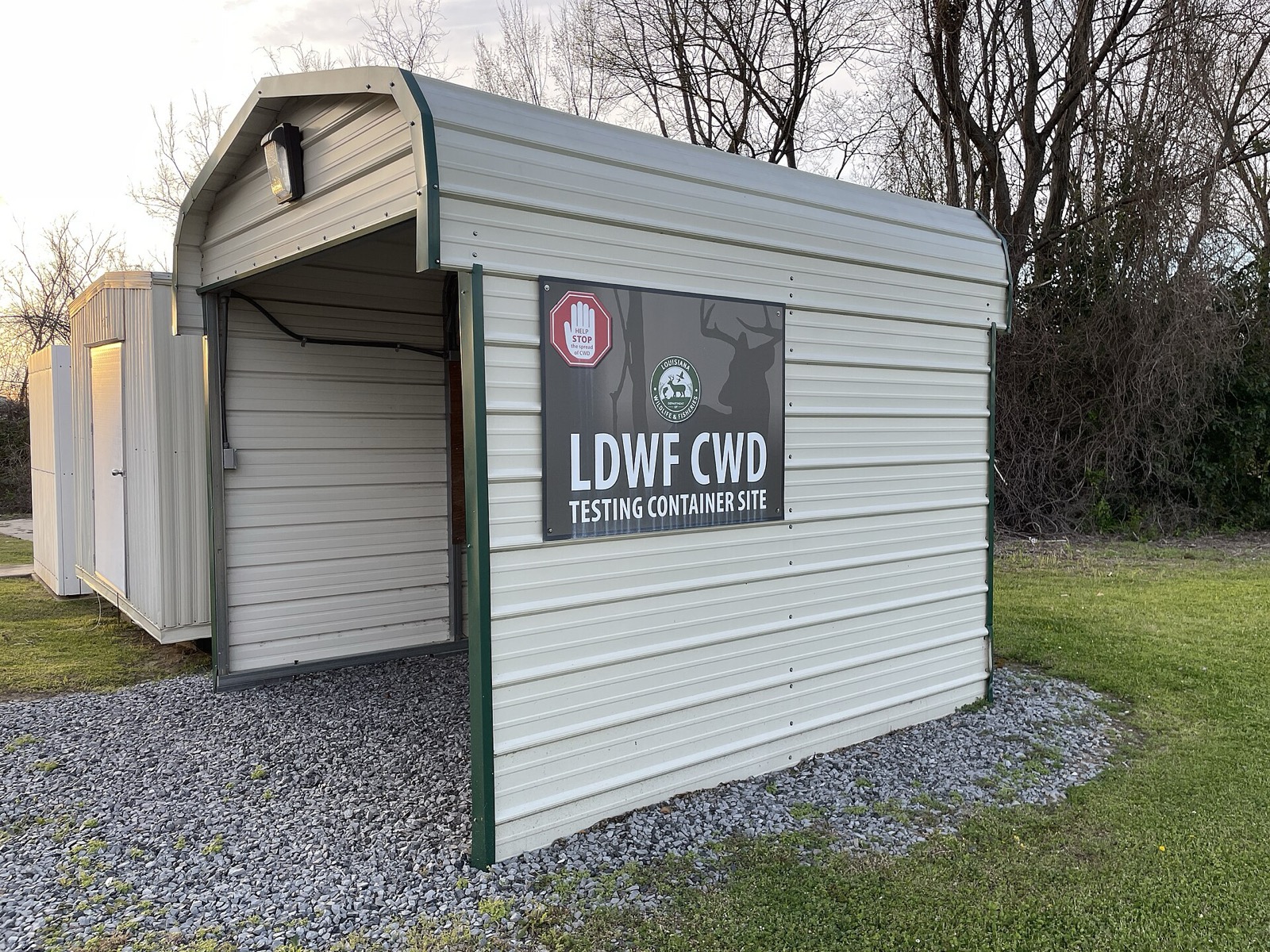
Idaho CWD questions
CWD rules in other states
Idaho read September 23, 2026 from Chronic Wasting Disease in Idaho, Idaho Department of Fish and Game, linked above. Carcass rules, zone boundaries and sampling requirements change between one season’s regulations and the next, and a state can add a rule mid season after a new detection, so the IDFG document linked above is the one that governs. Every state is on the CWD testing hub.