
Connecticut CWD Testing and Deer Carcass Rules
Connecticut has never found CWD and requires no testing, the Wildlife Division will test a hunter's deer free of charge from mid September to the end of January if the hunter phones to arrange it, and a whole carcass or any part of a deer, moose or elk from a state or province where CWD has been confirmed may not be brought in, only deboned meat, cleaned skullcaps, hides and taxidermy mounts.
Is CWD testing required in Connecticut
Connecticut reports no detection in wild deer, and Connecticut Department of Energy and Environmental Protection, Wildlife Division sets no requirement to submit a sample. A test is offered on any deer a hunter brings in.
- How to submit
- Connecticut Department of Energy and Environmental Protection, Wildlife Division names agency office.
- What it costs
- Connecticut Department of Energy and Environmental Protection, Wildlife Division puts the test at no charge to the hunter.
The Deer Program at Franklin Wildlife Management Area will be testing some deer as part of its annual surveillance for CWD. State testing typically occurs from mid-September through the end of January.Wildlife Diseases, Connecticut Department of Energy and Environmental Protection, read September 23, 2026. Read it at the source
What may be carried across the Connecticut line
This is the rule a hunter is most likely to miss, because it is written by the state being entered rather than the state the animal was taken in. Reading the regulations of the state hunted in cover to cover does not surface it. Nationally, 42 of the 50 states restrict what crosses and 27 refuse an intact carcass from anywhere at all.
An intact carcass may not be carried into Connecticut from a state or province where the disease has been found. An animal from anywhere else falls outside the rule.
A whole carcass or any part of a deer, moose or elk from a state or Canadian province where CWD has been confirmed may not be brought into Connecticut or possessed there, and the only things exempt from that are deboned meat, cleaned skullcaps, hides and taxidermy mounts.
What DEEP admits, in its own categories:
- meat that's de-boned
- cleaned skullcaps
- hides
- taxidermy mounts
No person shall import or possess whole carcasses or parts thereof of any deer, moose, or elk from wild or captive herds from other states or Canadian Provinces where chronic wasting disease has been confirmed, including, but not limited to, Colorado, Wyoming, Utah, New Mexico, Montana, South Dakota, Kansas, Minnesota, Wisconsin, Illinois, Nebraska, Oklahoma, New York, West Virginia, Alberta and Saskatchewan.Wildlife Diseases, Connecticut Department of Energy and Environmental Protection, read September 23, 2026. Read it at the source
Section 26-55-4
CWD in Connecticut: status, zones and baiting
Connecticut Department of Energy and Environmental Protection, Wildlife Division reports no detection of the disease in Connecticut's wild deer herd.
- Baiting and feeding
- Banned inside the zones
- Carcass waste
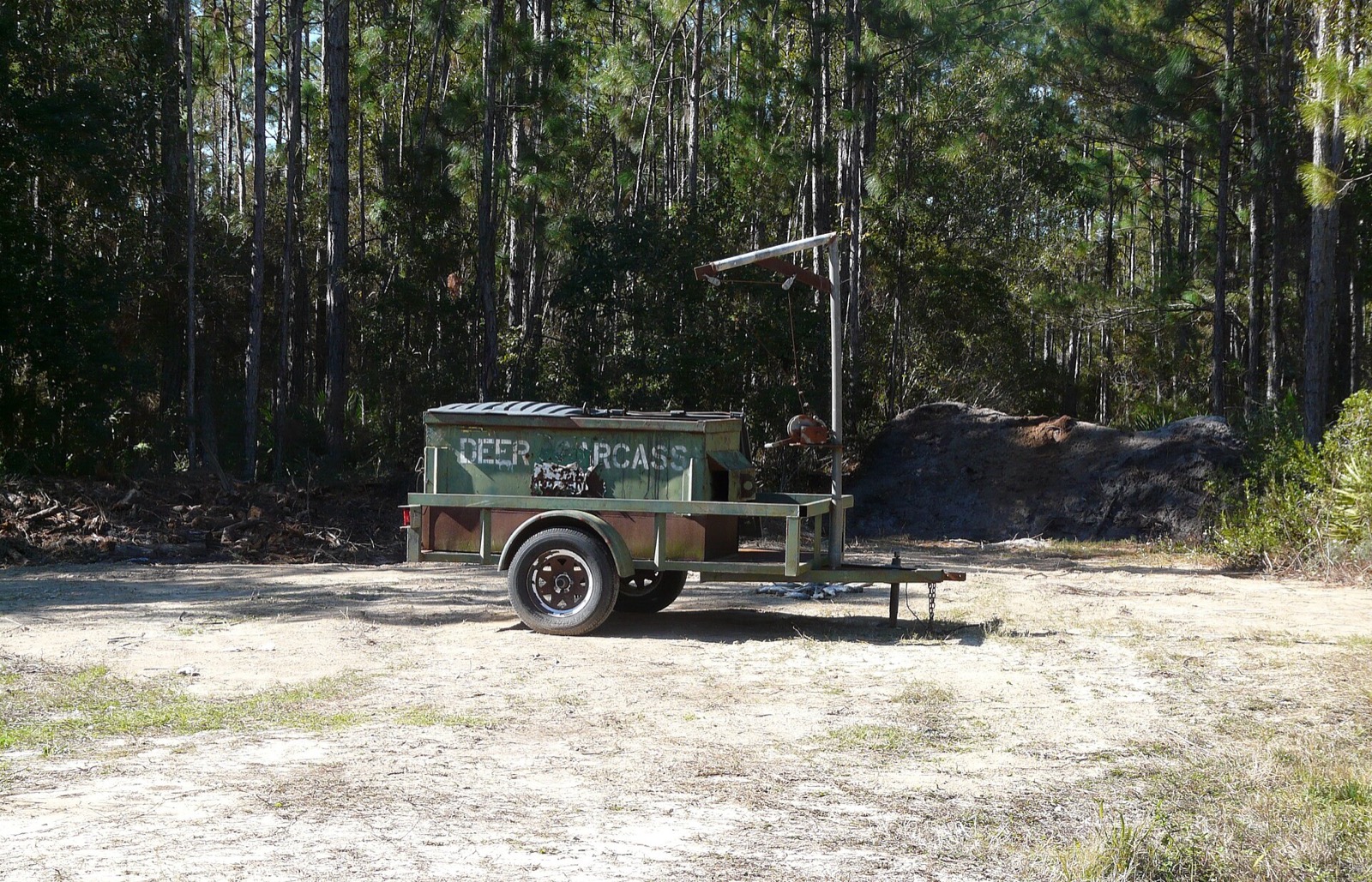
- The Wildlife Division tells hunters to bury carcasses or take them to a landfill that accepts them.
Since sampling efforts began in 2003, no cases of CWD have been detected in Connecticut or New England.Wildlife Diseases, Connecticut Department of Energy and Environmental Protection, read September 23, 2026. Read it at the source
Connecticut draws no management or surveillance zone, which means its rules apply the same way in every county. Several states added a first zone within a season of a first detection, so a zone boundary is the part of a state's rules most likely to change.
Connecticut CWD questions
CWD rules in other states
Connecticut read September 23, 2026 from Wildlife Diseases, Connecticut Department of Energy and Environmental Protection, linked above. Carcass rules, zone boundaries and sampling requirements change between one season’s regulations and the next, and a state can add a rule mid season after a new detection, so the DEEP document linked above is the one that governs. Every state is on the CWD testing hub.